Infrared Moisture Scanning
Miami, FL · Services
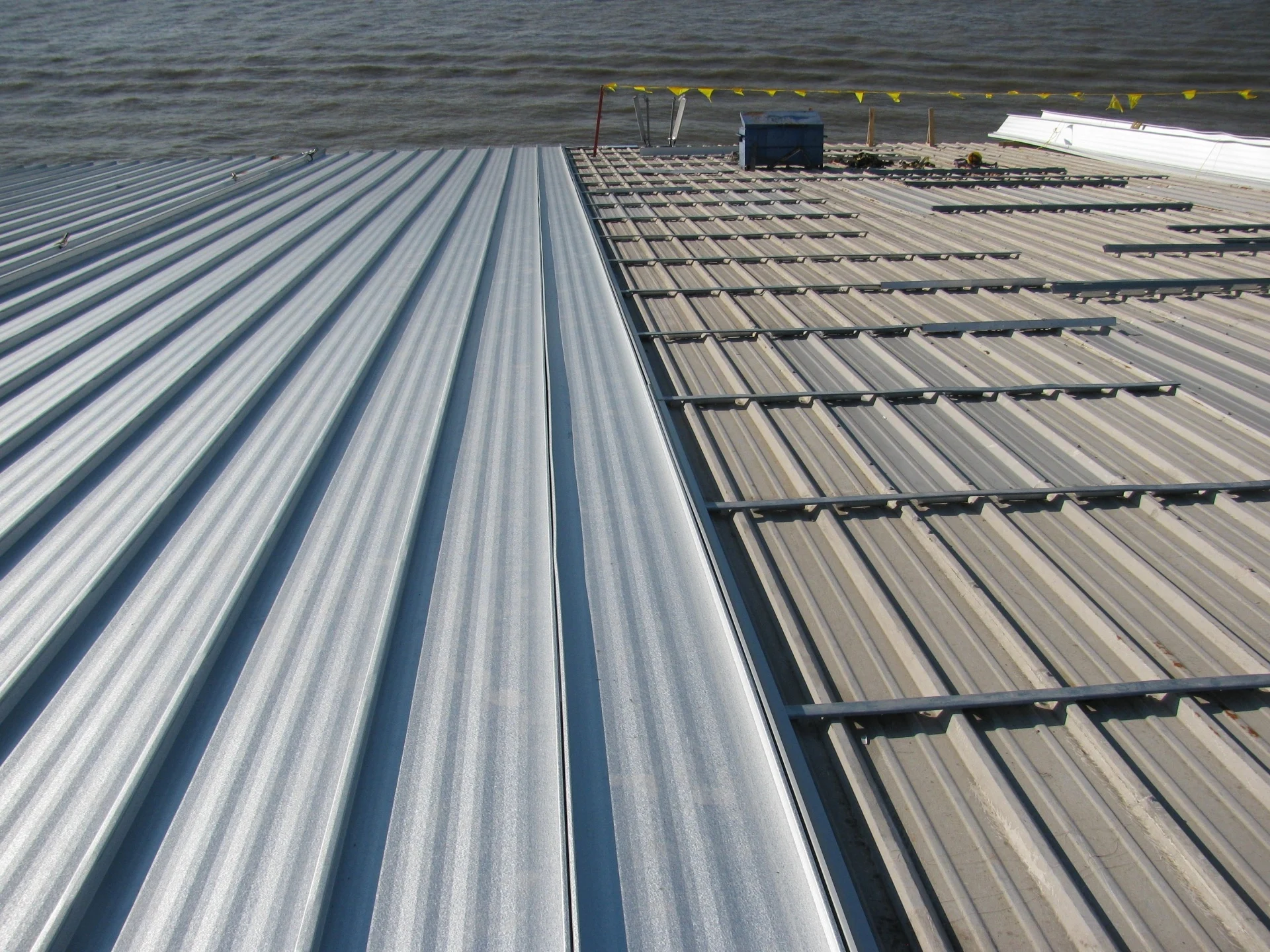
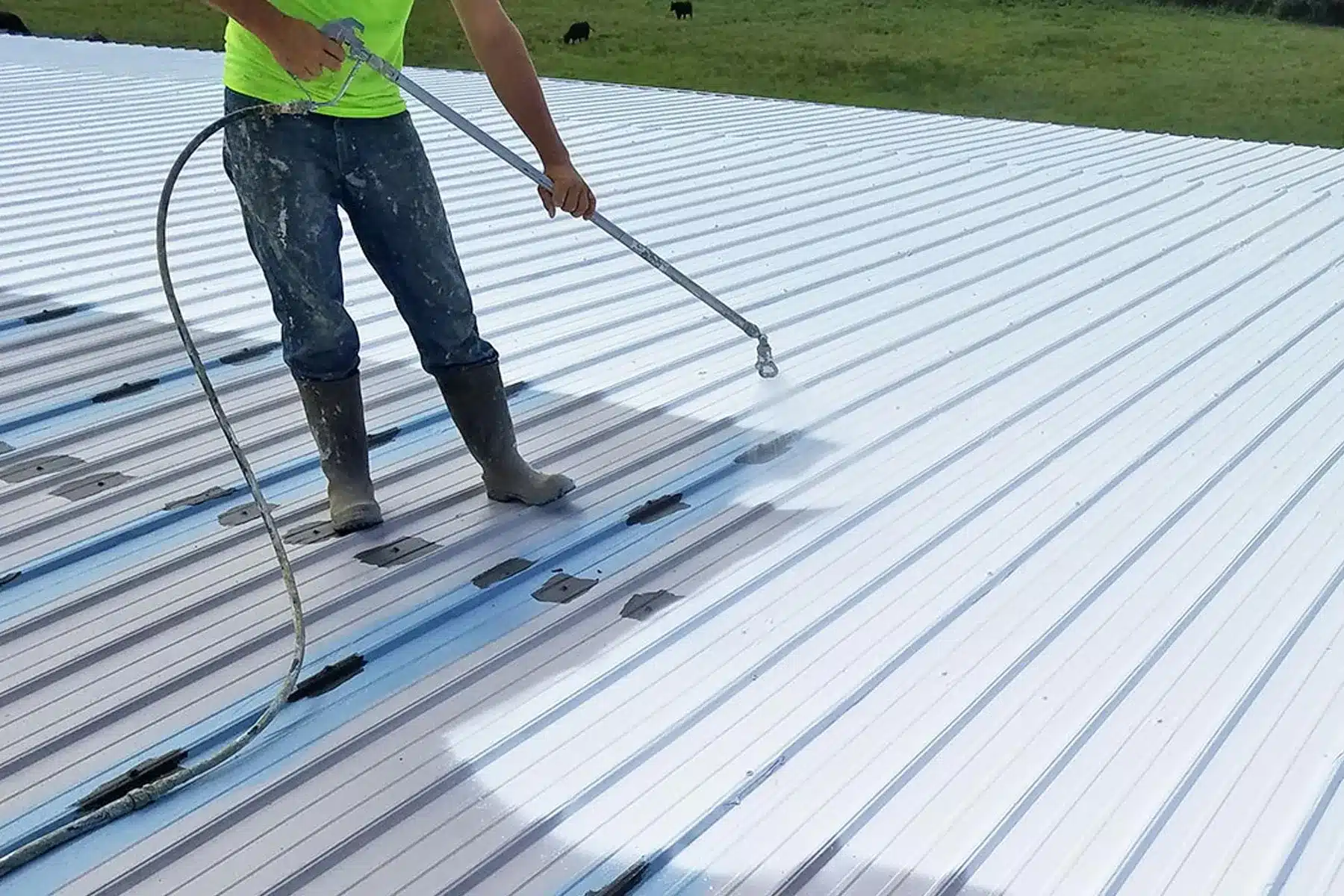
Wet insulation under a commercial flat roof in Miami does not announce itself. The membrane surface may look intact while the polyiso below is saturated. Infrared thermography locates the wet areas. Core pulls verify them. The combination tells you whether you are looking at a targeted repair, a partial replacement, or a full reroof.
Miami's subtropical climate creates the worst possible conditions for undetected insulation saturation. High ambient humidity, daytime temperatures that regularly push roof-surface readings above 160 degrees Fahrenheit, and afternoon rainstorms from June through October mean that water can enter through a failed flashing or a lap seam failure and migrate laterally through insulation for months before interior evidence appears. By the time ceiling tiles show water staining in a Brickell office building, the saturated area is almost always larger than the visible leak location suggests.
Infrared thermography works because wet insulation and dry insulation release stored solar heat at different rates as the roof surface cools after sunset. Wet areas retain heat longer and appear as warmer zones in a thermal scan performed in the cooling period — typically 30 to 90 minutes after sunset. The scan produces a thermal image that maps the wet-area boundaries across the roof field. We use the thermal scan to locate suspect areas and then pull moisture cores at those locations to confirm saturation and measure its depth through the insulation stack.
The core-pull verification step is not optional. Thermal imaging can produce false positives — HVAC discharge, metal deck ribs, prior repair patches, and wet debris can all create thermal signatures that read similarly to insulation saturation. Every area flagged by the thermal scan gets a core pull before we call it wet in the written report. This keeps the scope honest and prevents over-stating the repair or replacement area.
When We Recommend an Infrared Scan in Miami
Recover-versus-replace decisions are the most common trigger. Before we recommend recovering an existing Miami commercial roof with a new single-ply membrane, we want to know whether the existing insulation is dry. The Florida Building Code permits recovering over existing single-ply or modified bitumen assemblies under certain conditions — but recovering over saturated insulation traps moisture, creates a mold environment in Miami's year-round humidity, and voids the new manufacturer warranty. The infrared scan tells us what we are covering before we commit the owner to a recover scope.
Post-storm assessments are the second trigger. After a hurricane or tropical storm passes through Miami-Dade, membrane damage is visible — but the water that entered through failed flashings or blow-off may have migrated well beyond the visible damage zone. A post-storm infrared scan performed after the roof has dried (typically three to five days of dry weather after the event) maps the full extent of water intrusion for insurance documentation. This is a more defensible damage assessment than a visual inspection alone.
Warranty condition assessments are a third trigger. Some manufacturer warranty programs require documented evidence of insulation condition at the 10- or 15-year mark to extend the warranty or qualify for a warranty buyback on reroof. An infrared scan with core-pull verification produces the documentation format that most major manufacturers accept for this purpose.
How the Scan-and-Verify Protocol Works
Scan scheduling: Infrared roofing scans require a minimum of four hours of direct solar exposure on the day of the scan and a cooling trend after sunset. Miami's summer weather — afternoon convective storms that block solar loading — can delay the scan by 24 to 48 hours if cloud cover prevents adequate heat absorption. We schedule scans in the cooling window (typically 8 PM to 11 PM) and we verify solar loading conditions before committing to a scan date.
Scan execution: We walk the entire roof with a calibrated infrared camera, capturing overlapping frames that are assembled into a composite thermal map. The camera records absolute temperature values at each pixel, not just relative differences, which allows us to distinguish genuine saturation signatures from equipment-heat bleed-through. The thermal map is overlaid on an aerial photograph of the roof to produce a geo-referenced wet-area diagram.
Core-pull verification: We pull 1.5-inch cores at the centroid of each flagged warm zone and at two to three dry-control locations to establish baseline dry-insulation readings. Core moisture content is measured with a pin-type moisture meter and verified visually. The written report documents each core location, the thermal signature at that location, the measured moisture content, and whether the core confirms wet or dry insulation. Core holes are patched with compatible membrane material before we leave the roof.
Using Scan Results for Capital Planning
A Miami commercial building owner with a 20,000-square-foot flat roof and evidence of chronic leaks at three drain locations has two possible stories. Story one: the wet area is concentrated around the three drains, total wet insulation is 2,000 square feet, a targeted insulation replacement and flashing repair is the right scope, and a full recover or replacement is premature. Story two: the wet area has migrated across 60% of the roof field from three separate entry points, and recovery over that saturated mass is not a defensible scope.
Infrared scanning resolves which story is true before any capital commitment is made. For portfolio owners managing multiple Miami-Dade buildings, we format the scan report to integrate with capital planning spreadsheets — percent wet by area, replacement cost per wet square foot at current labor and material rates, and a recommended scope with cost range. This gives the asset manager a defensible basis for budgeting replacement versus targeted repair across a multi-building portfolio.
Frequently asked questions
How much does infrared moisture scanning cost for a Miami commercial roof?
Pricing depends on roof area. For a 20,000 to 50,000-square-foot flat roof, we typically scope the scan as a fixed-fee engagement that includes the thermal survey, core pulls at all flagged locations, and the written condition report with thermal imagery and core data. We provide a written fee proposal before scheduling.
Does the scan work on all membrane types common in Miami?
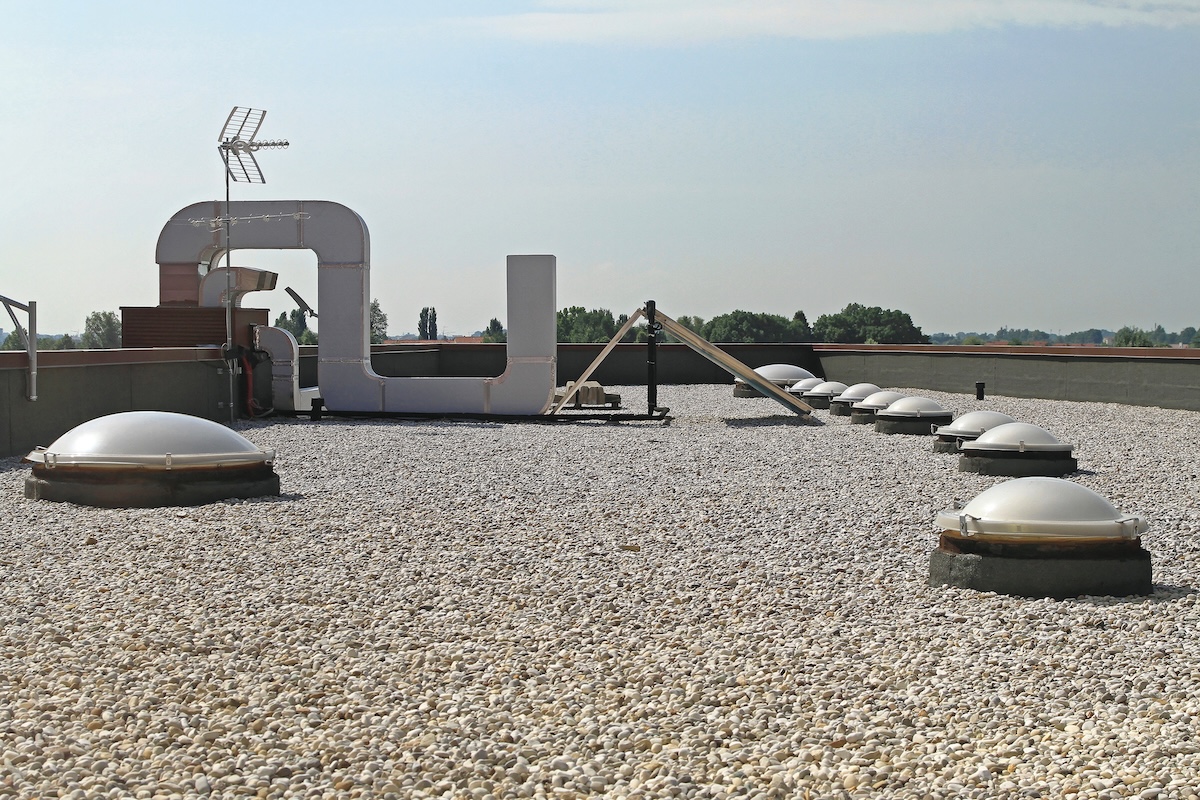
Yes for the standard Miami commercial assemblies — TPO, EPDM, PVC, modified bitumen, and built-up roofing over polyiso or perlite insulation. The scan is less reliable on roofs with ballasted gravel systems or concrete pavers, which block the thermal signature from the insulation below. For ballasted roofs, we use core pulls as the primary diagnostic tool.
Can infrared scan data be used in a Miami-Dade insurance claim?
Yes. We format post-storm moisture scan reports to include geo-referenced wet-area mapping, timestamped photography, core-pull data, and a written narrative that distinguishes storm-related water intrusion from pre-existing saturation. This format supports the documentation requirements for commercial property insurance claims in Miami-Dade County.
How soon after a storm can you scan?
We need three to five days of dry weather after a storm event before scanning. If the roof surface and membrane are still wet from the storm itself, the surface moisture masks the thermal differential between wet and dry insulation. We track post-storm weather windows and schedule scans at the earliest technically valid date.
Find out what is wet before you commit to a recover or replacement scope.
Our infrared scan and core-pull protocol maps wet insulation across the full roof field — so the capital decision is based on documented data, not a visual guess.