Government Roofing
Miami, FL · Industries
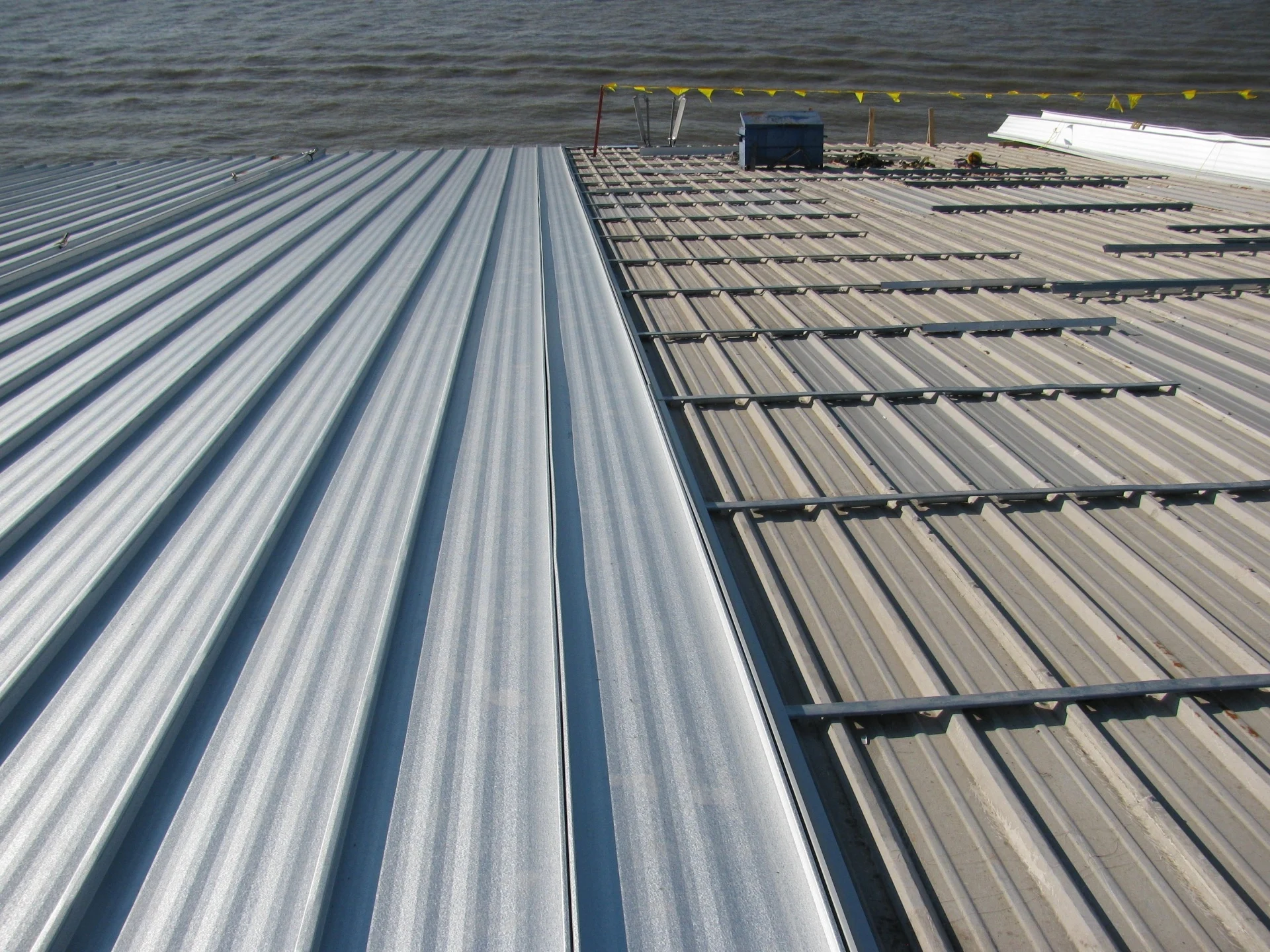
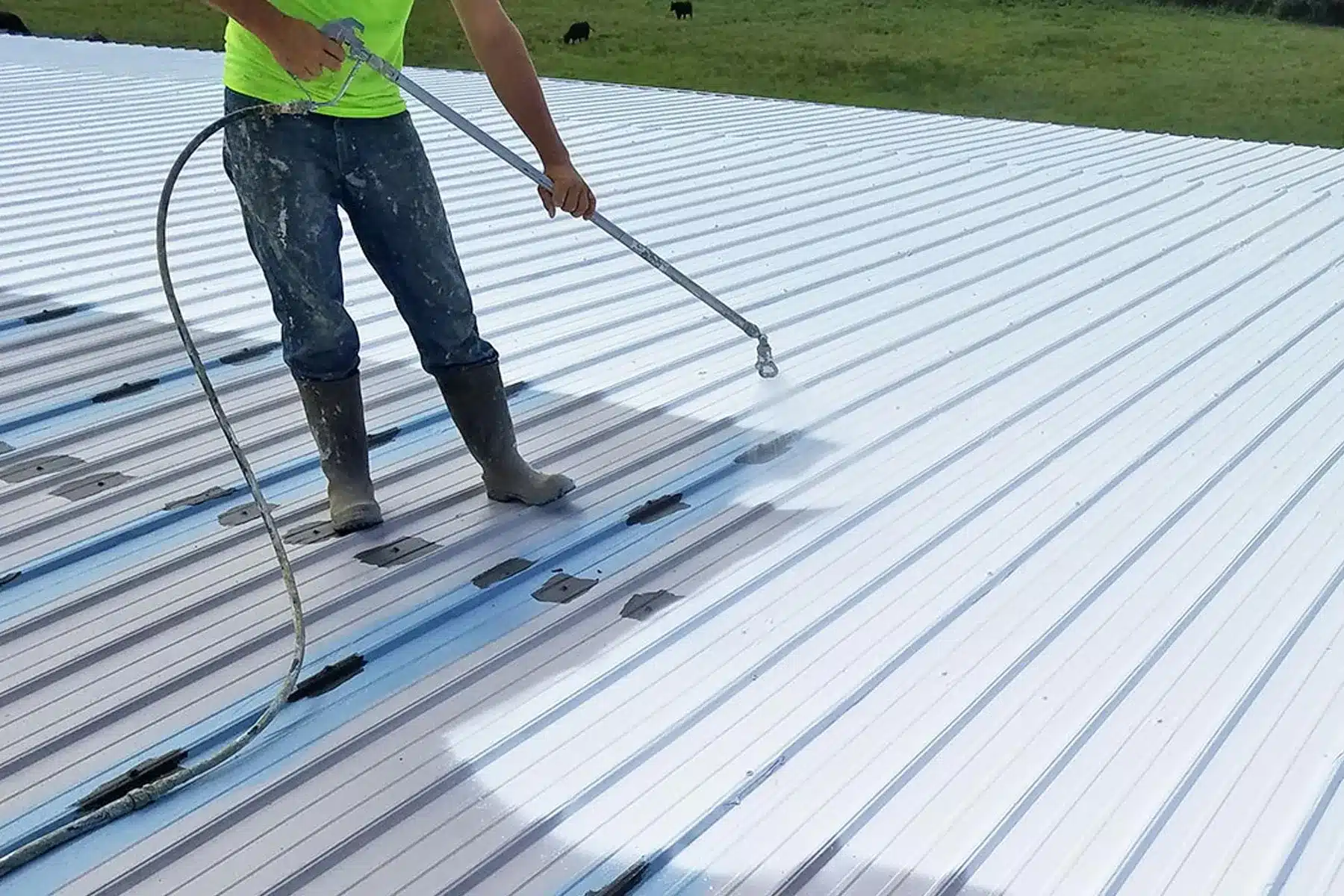
Miami-Dade County government, the City of Miami, and federal agencies operating in South Florida manage roof assets across hundreds of buildings — from the Wilkie D. Ferguson Jr. Federal Courthouse to county service centers, fire stations, police substations, and public works facilities. Public procurement, documentation requirements, and prevailing wage compliance are the baseline, not the exception.
Government facility roofing in Miami-Dade County means operating within public procurement frameworks that are more formal and more documented than private commercial work. Miami-Dade County's Internal Services Department manages the capital procurement process for county-owned facilities. The City of Miami's Public Works Department manages city-owned building maintenance. Federal General Services Administration (GSA) properties in South Florida — including the Wilkie D. Ferguson Jr. U.S. Courthouse at , the U.S. Attorney's offices, and the federal office buildings in Downtown Miami — go through GSA procurement channels with Davis-Bacon prevailing wage compliance and federal bonding requirements.
The consequence of getting public procurement compliance wrong on a government roofing project is not just a warranty dispute — it is a disqualification event that can affect a contractor's access to public work across the county or the federal system. We maintain the compliance documentation, bonding capacity, and prevailing wage records that public procurement requires as a standing operational capability, not as a project-specific scramble.
Miami-Dade County's building inventory spans the full range of government facility types: administrative office buildings, courthouses, libraries, parks and recreation facilities, county-operated hospitals (Jackson Memorial Hospital is a public hospital managed by Jackson Health System, a public health trust), transit facilities (Miami-Dade Transit operates the Metrorail and Metromover systems with associated maintenance facilities), and emergency management facilities. Each facility type carries its own operational constraints and security requirements.
Miami-Dade County Capital Projects Procurement
Miami-Dade County's roofing projects above the competitive bid threshold go through the Internal Services Department's capital projects procurement process. Projects are publicly advertised through the County's procurement portal, require contractor prequalification for projects above specific size thresholds, and include specific bonding, insurance certificate, and certified payroll requirements.
The County's procurement timeline for competitive bid projects — from solicitation advertisement through contract award — typically runs 60 to 90 days. Construction start follows contract award and Notice to Proceed issuance. We maintain current prequalification documentation and track the County's solicitation calendar to respond within the advertised bid windows.
Miami-Dade County's Essential Services Buildings — emergency management, public safety, and critical infrastructure facilities — are classified as Risk Category IV under the Florida Building Code, requiring the same enhanced wind-uplift design as hospitals and other essential facilities. We specify county emergency facilities to the Risk Category IV design pressure as a standard approach, with documentation of the design basis included in the permit application and the closeout package.
Federal Building and Courthouse Roofing
The Wilkie D. Ferguson Jr. U.S. Courthouse at is the primary federal courthouse for the Southern District of Florida — one of the busiest federal court districts in the United States. GSA manages the federal building portfolio in South Florida, with roofing work procured through GSA's Federal Acquisition Regulation-compliant procurement process.
Federal government roofing work requires Davis-Bacon Act wage compliance — prevailing wages for each craft classification involved in the project, certified weekly payroll submitted to the contracting officer, and compliance documentation maintained through project closeout. Federal projects also require specific bonding levels: performance and payment bonds for projects above the Miller Act threshold, with surety bonds from companies on the U.S. Treasury's approved surety list.
Security requirements at federal buildings add a pre-construction coordination layer that does not exist on private commercial projects. Contractor personnel working inside the courthouse perimeter or on the federal building campus require background checks and security badging coordinated with the Federal Protective Service. Material delivery vehicles require pre-approval for entry to the federal campus. We coordinate these requirements as part of pre-construction planning — not as a day-of discovery.
City of Miami Public Works Facilities
The City of Miami's building portfolio includes City Hall on Dinner Key, the Miami Police Department headquarters and substations, fire stations across the city's service area, Marlins Park (owned by Miami-Dade County), and the various administrative and service buildings the City operates across its territory. City of Miami roofing contracts go through the City's procurement process, which mirrors the County's framework but is managed by the City's Public Works and Procurement departments.
Fire stations present specific operational constraints: the station must maintain continuous emergency response capacity during roofing work. No crane or material staging can block the apparatus bay doors. Section phasing must ensure that the station's communication equipment — antennae, radio repeaters, and communications infrastructure on the roof — is never fully offline simultaneously. We plan fire station production around apparatus access as a non-negotiable constraint.
Miami City Hall on Dinner Key — a historic building on the Coconut Grove waterfront converted from the Pan American Airlines terminal building — carries architectural and historic preservation requirements for any visible rooftop changes. The building is listed on the National Register of Historic Places, which creates Section 106 consultation requirements for any federal nexus in the project and City of Miami historic preservation review for city-funded work.
Public Transit Facility Roofing
Miami-Dade Transit operates the Metrorail system, the Metromover downtown people-mover, and Metrobus, with associated maintenance facilities, rail yards, and bus garages across Miami-Dade. The Government Center Metrorail station and the associated administrative facilities at are among the higher-profile transit facilities in the downtown core. Rail yard and bus maintenance facilities in Hialeah, Medley, and other locations represent large-footprint industrial roof assets managed by MDT's facilities team.
Transit facility roofing work that is funded through federal transit programs — including FTA grants — carries additional federal procurement and compliance requirements beyond the standard public bid process. FTA-funded projects require Buy America compliance for materials and manufactured goods, FTA contract clause incorporation, and additional reporting requirements. We maintain familiarity with FTA contract requirements for transit facility work.
Frequently asked questions
Are you set up for Davis-Bacon prevailing wage compliance on federal projects?
Yes. We maintain Davis-Bacon wage determination compliance for all craft classifications used in commercial roofing, submit certified weekly payroll through the elaws Payroll System or as required by the contracting officer, and retain payroll records through the project closeout period. Federal project prevailing wage compliance is a standing operational capability, not a project-specific learning curve.
What bonding capacity do you carry for public sector projects?
We carry performance and payment bonding capacity at levels appropriate for large public sector roofing projects. Specific bonding capacity documentation is provided with bid submissions or on request from procurement officers. Our surety is on the U.S. Treasury's approved surety list for federal projects above the Miller Act threshold.
How do you handle security requirements at federal courthouses and other secure facilities?
We initiate the security badging and background check process with the Federal Protective Service during pre-construction planning — typically 30 to 45 days before the production start date, to allow processing time. All personnel on the federal building campus carry the required FPS badges during the project. Material delivery vehicles are pre-approved through the federal building's security office before the first delivery. We do not treat security coordination as a day-of logistics item.
Can you maintain fire station operations during a roofing project?
Yes. Fire station roofing phases are designed so that apparatus bay doors are never blocked and the apparatus bay roof section is the last section completed — keeping apparatus egress open until the very end of the project. Section boundaries are drawn to keep the communications equipment operational at all times, with no more than one antenna group relocated simultaneously. We brief the station captain at pre-construction on the production sequence and daily reporting protocol.
Get a written roof assessment for your Miami government facility.
Our project managers understand Miami-Dade County, City of Miami, and federal procurement requirements, prevailing wage compliance, and the operational constraints of occupied government facilities. We document the condition and deliver a scope ready for the applicable procurement process.