Standing Seam Metal Systems
Miami, FL · Roof Systems
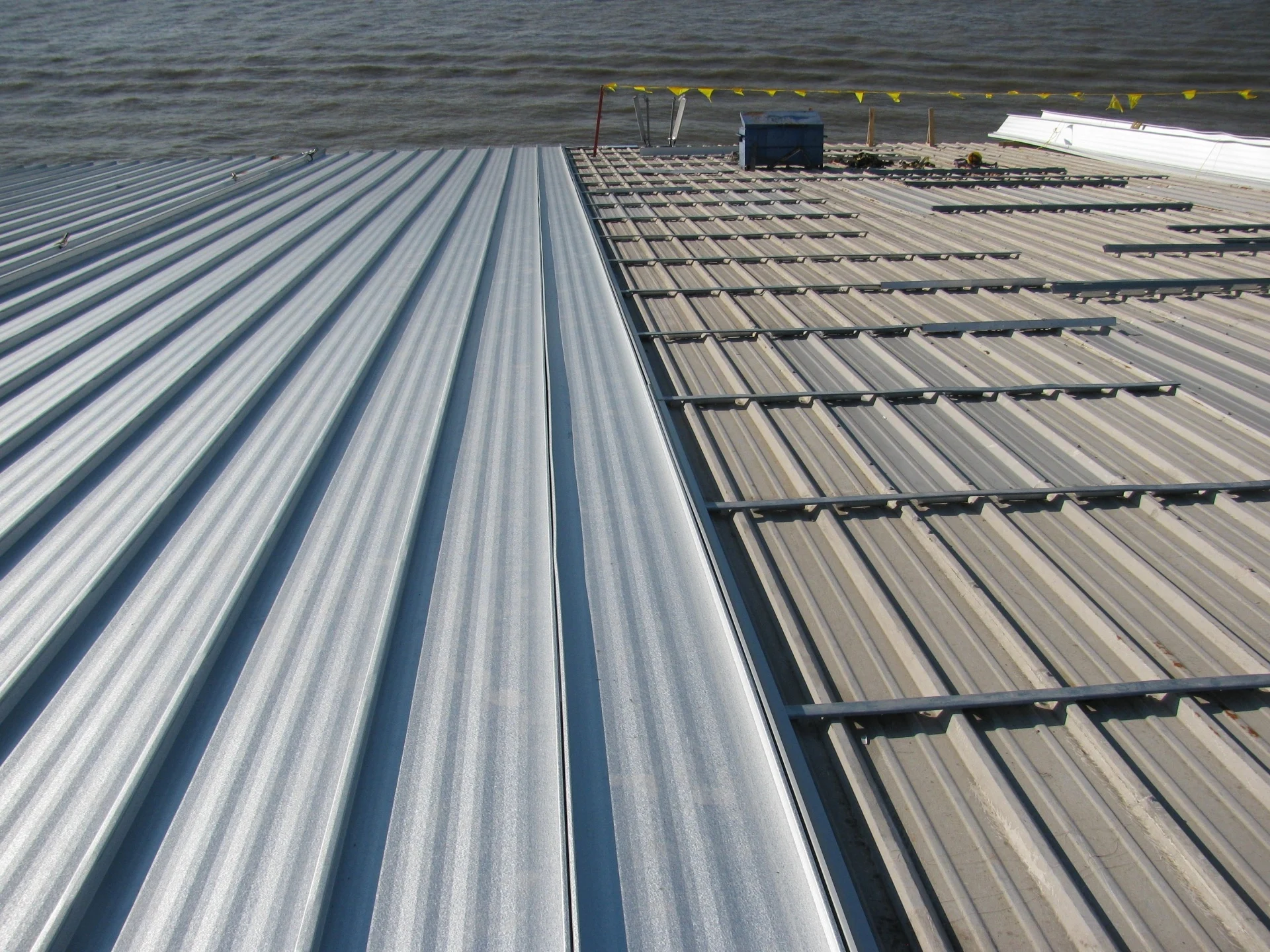
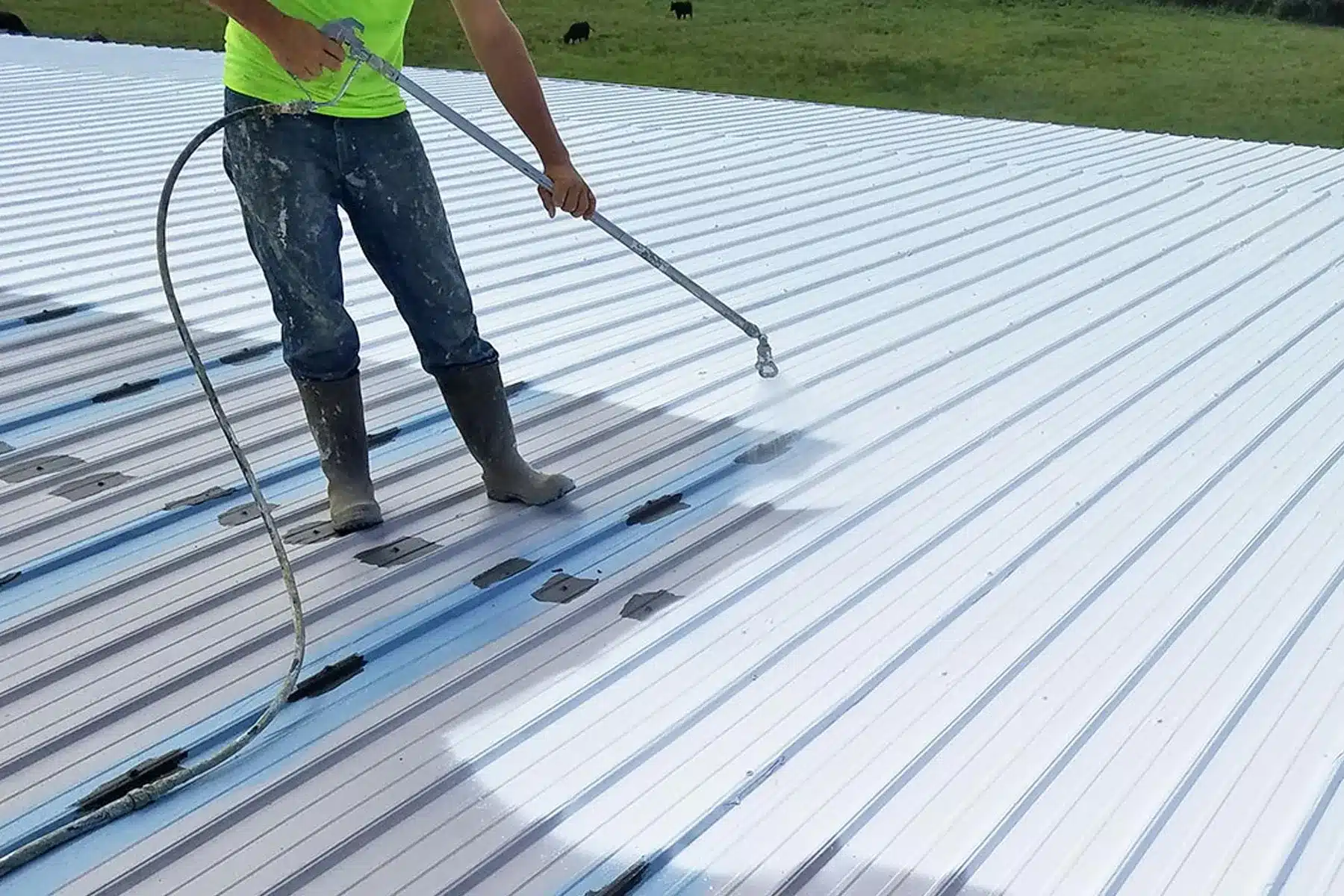
Standing seam metal is the high-performance specification for Miami commercial buildings where the owner wants 40-plus year service life, a roof that meets the 185-mph FBC HVHZ design requirement by a wide margin, and no penetrations in the field membrane. The product selection and concealed-fastener detail matter enormously in the coastal salt environment.
Standing seam metal roofing systems perform well in Miami's HVHZ environment when the panel product, substrate, and clip system all carry active Miami-Dade NOA approvals and the installation follows the NOA-approved details. Post-Irma engineering assessment documented that NOA-compliant standing seam systems with proper concealed clip attachment and structural decking outperformed non-compliant systems — and outperformed low-slope single-ply systems on buildings with adequate slope — under 130-mph sustained wind.
The Miami-Dade coastal environment is the most demanding test for metal roofing finishes available in the continental United States. Salt air from Biscayne Bay and the Atlantic Ocean corrodes exposed fasteners and inadequately finished panel surfaces within five years on waterfront buildings. We specify only panels with Kynar 500 or equivalent fluoropolymer coating systems — not polyester or standard polyurethane finishes — on buildings within a mile of saltwater. Exposed screw panels have no place on coastal Miami commercial buildings.
Thermal expansion and contraction of metal roofing panels in Miami's climate is a critical installation variable. Miami's annual temperature swing between January lows near 50 degrees F and July roof surface temperatures above 170 degrees F means panel movement of 1 inch or more per 50-foot run. Clip systems that do not accommodate this movement produce stress at panel laps and at penetration flashings within the first few heating cycles. We specify floating clip systems that allow full thermal movement without restraint on every standing seam installation.
Product Approval and Miami-Dade NOA for Metal Roofing
Miami-Dade County maintains its own product approval system for standing seam metal roofing panels, independent of Florida statewide product evaluation. Not all panels that carry a Florida Product Approval (FPA) also carry a Miami-Dade NOA — and in Miami-Dade's HVHZ, the NOA is the controlling requirement. We verify that proposed panel systems have current Miami-Dade NOA approvals before any standing seam specification is finalized.
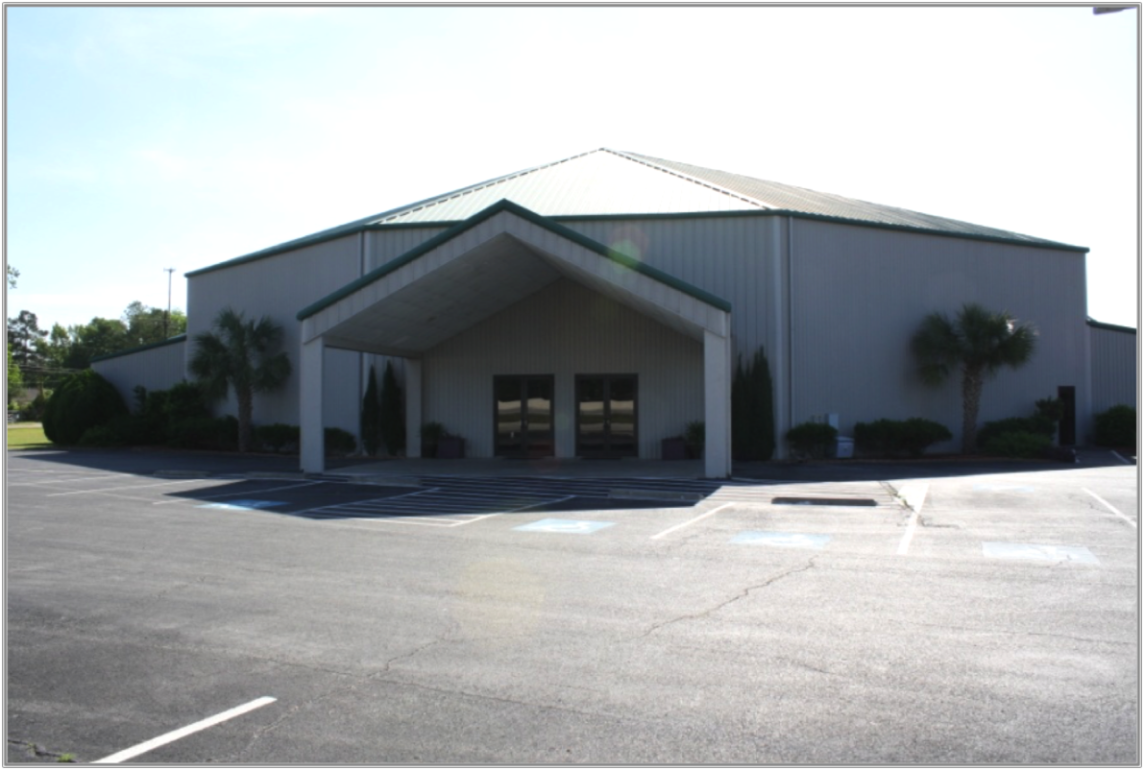
The Miami-Dade NOA for a standing seam system covers the panel profile, the clip system, the minimum structural deck substrate, and the fastener pattern used to attach clips to the deck. Substituting a different clip, a different fastener, or a different deck substrate than what the NOA specifies voids the county approval. Pre-engineered metal building manufacturers often specify their own proprietary standing seam systems with their own NOAs — we verify the compliance status of manufacturer-specified systems on pre-engineered buildings in Miami before installation begins.
Standing seam installation over existing low-slope roofing is a common retrofit scope on Miami commercial buildings that want to upgrade from aging BUR or single-ply while achieving better drainage and a longer service life. The retrofit requires structural assessment of the existing deck to confirm that the metal framing substructure can be attached to the existing structural deck at the required clip spacing — and that the increased dead load (framing substructure plus metal panel) is within the building's structural capacity.
Salt Air Corrosion Design for Miami Coastal Sites
Galvalume steel (aluminum-zinc alloy coated steel) is the standard substrate for standing seam panels in most markets and performs well in Miami's general commercial environment. For buildings within a quarter-mile of saltwater — Biscayne Bay waterfront, Miami Beach oceanfront, properties along the Miami River near its mouth — we evaluate aluminum panel systems as an alternative to Galvalume. Aluminum does not corrode in salt air the way ferrous metals do, and its additional cost at installation is often justified by the elimination of the edge-corrosion maintenance cycle that Galvalume panels require at coastal sites.
Trim, flashing, and accessory components at the roof perimeter must use compatible materials — dissimilar metal contact between aluminum panels and galvanized or carbon steel flashings creates galvanic corrosion at contact points. On all-aluminum installations we specify aluminum or stainless trim and flashings. On Galvalume installations in coastal environments we specify stainless fasteners and aluminum or stainless trim.
Miami's rain intensity during hurricane season demands that standing seam gutter systems and downspouts be sized for high-intensity short-duration storm events, not just average annual rainfall. Isolated convective cells over Miami regularly deliver 4 to 6 inches per hour during summer. Undersized gutters that overflow during peak intensity events direct water to building perimeters and foundations — we size gutters and downspouts to the 15-minute design storm intensity for Miami-Dade's rainfall data.
Standing Seam Over Occupied Buildings
Standing seam retrofit installations over occupied Miami buildings require careful sequencing. Unlike single-ply tear-off, which exposes the deck to the elements during installation, standing seam retrofit work begins with the installation of the framing substructure over the existing membrane — the building remains watertight during framing installation. The risk period is at the existing membrane penetrations for the framing attachment, which must be flashed immediately.
Standing seam systems produce no field membrane penetrations once installed — the concealed clip is the only metal-to-metal connection, and it is fully enclosed within the seam. This is a genuine operational advantage for occupied buildings in Miami: the roof is effectively maintenance-free in the field once installed correctly and the trim and gutter systems are sound. The perimeter and ridge flashings are the inspection focus on maintained standing seam roofs.
Frequently asked questions
What slope does a building need for standing seam in Miami?
Most standing seam panel systems require a minimum 1:12 to 3:12 slope — the specific minimum depends on the panel profile and the manufacturer's NOA. Some low-slope standing seam systems are approved for slopes as low as 1:4 (quarter inch per foot) with specific seam sealant requirements, but these systems require more careful installation than standard-slope standing seam. Miami buildings with true flat or near-flat roofs are better served by a low-slope single-ply system — we recommend standing seam only where adequate slope exists.
What is the expected service life of standing seam in Miami?
A properly installed Galvalume or aluminum standing seam system with Kynar 500 coating on a Miami commercial building should achieve 40 to 50 years of service life with minimal maintenance beyond annual gutter cleaning and visual trim inspection. The limiting component is typically the perimeter and ridge trim, not the panels themselves — trim and flashing require inspection every five years and touch-up sealant every 10 to 15 years. The panels themselves, if properly coated and installed on a compatible substrate, outlast the building's first and second mechanical system cycles.
Can standing seam be installed during hurricane season?
Yes, with daily weather monitoring and a clear production-halt threshold tied to Miami-Dade's storm watch and warning system. Standing seam framing substructure installation is the most exposure-sensitive phase — once the framing is attached and the existing membrane is closed, the building is watertight. We do not leave exposed framing substructure attachment penetrations without immediate temporary flashing, and we halt production when any storm watch is posted for Miami-Dade County.
Is standing seam a good choice for Brickell high-rise rooftops?
High-rise rooftops in Brickell are typically flat or very low slope and designed around rooftop mechanical equipment density — standing seam's slope requirement and panel run geometry make it a poor fit for most high-rise applications. Standing seam is the right specification for sloped roofs on low to mid-rise Miami commercial buildings: retail centers, warehouses, industrial facilities, and institutional buildings where the roof geometry accommodates a panel system. For Brickell high-rises, we specify single-ply TPO or PVC with 80-mil membrane.
Get a standing seam specification or retrofit assessment for your Miami building.
Our project managers will assess slope, structural capacity, existing roof condition, and coastal exposure — and produce a written standing seam specification with Miami-Dade NOA documentation.