Hospitality Tourism Roofing
Miami, FL · Industries
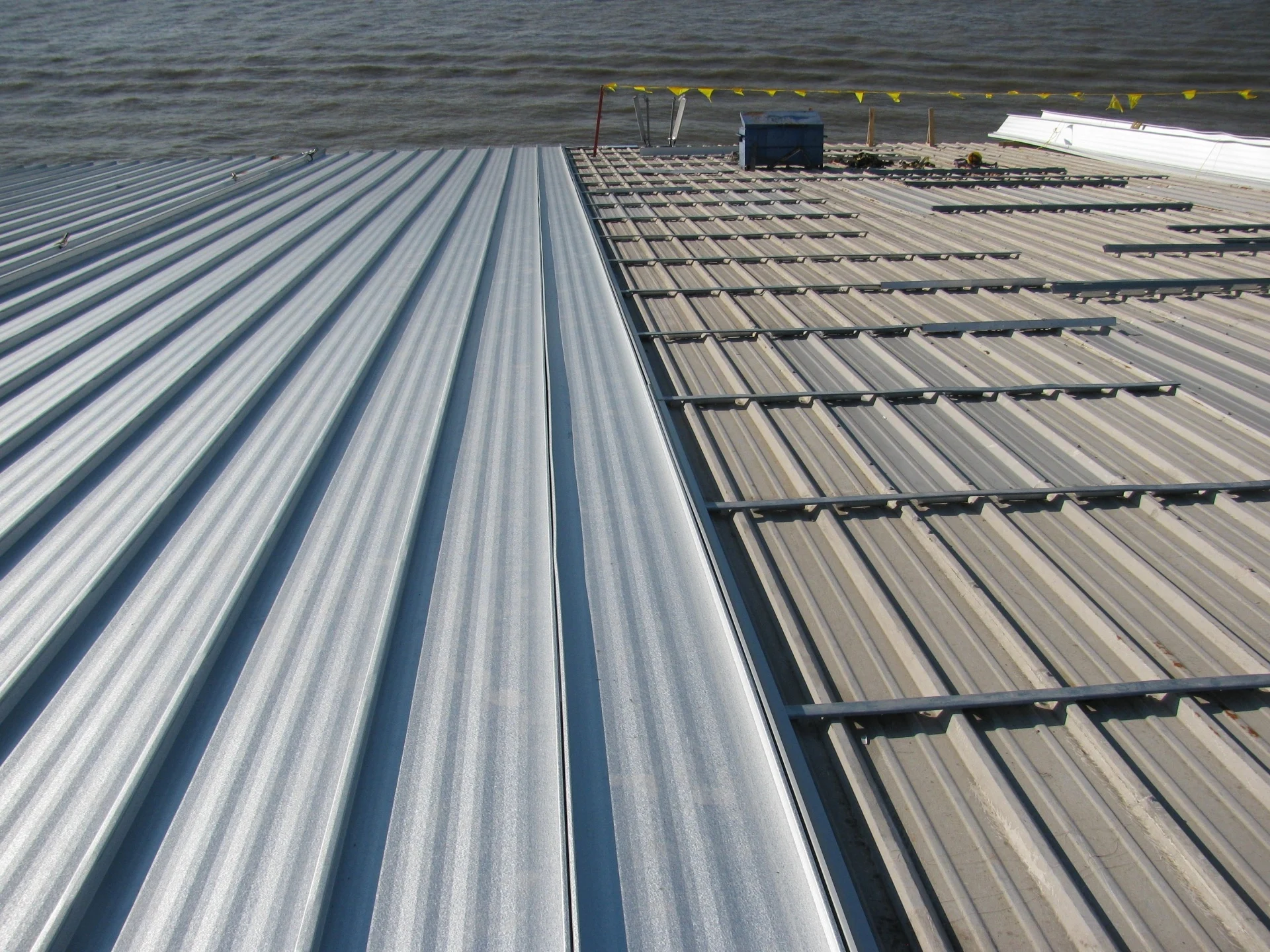
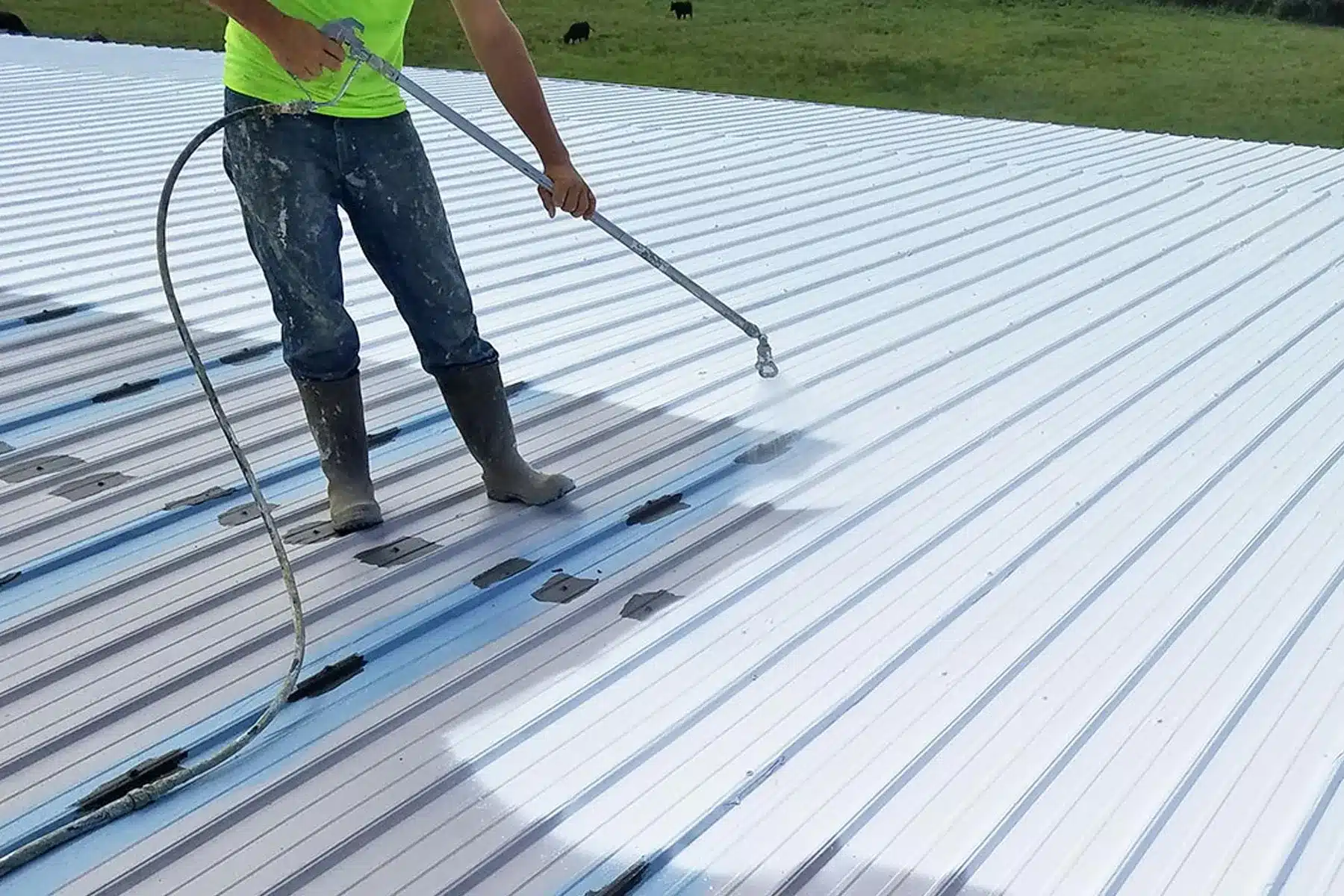
Miami Beach hotels, Brickell towers, and the resort properties along Collins Avenue define the skyline and the tourism economy. Reroofing work on occupied hotels requires a production plan that the guest experience never notices — and a scope that survives the next hurricane season intact.
Miami's hospitality sector is not just large — it is the economic backbone of the city's national identity. The Miami Beach hotel corridor from South Beach through Mid-Beach and Surfside contains some of the highest-rate hotel inventory in North America. The Fontainebleau Miami Beach at , the Loews Miami Beach Hotel at , and the newer hotel towers in Brickell and Downtown — the EAST Miami, the JW Marriott Marquis, the W Miami — each carry continuous occupancy expectations that make roofing work a logistics puzzle as much as a construction project.
The cruise terminal hotels that ring PortMiami — properties at the southern end of Brickell and along Biscayne Bay — cater to the turnaround passenger market with consistent weekly occupancy patterns that are predictable but inflexible. A guest checking in on Saturday for a Sunday cruise departure is not interested in hearing compressors and tear-off hammers on Saturday afternoon.
Miami Beach's oceanfront exposure — direct Atlantic salt spray, daily tourist and vehicle congestion on Collins Avenue and Ocean Drive that constrains material staging, and the City of Miami Beach's building department permitting process — makes hotel roofing in that corridor more operationally complex than inland commercial work. The Fontainebleau's oceanfront siting means every metal component on the roof is in an accelerated corrosion environment. The Loews, at the junction of Collins and 16th Street, has staging and crane access constraints that require street-use permits from the City of Miami Beach Public Works department.
Miami Beach Hotel Roofing Constraints
Collins Avenue hotel roofing work requires City of Miami Beach right-of-way permits for any staging, crane, or dumpster placement that uses public sidewalk or roadway. The City's permitting timeline for right-of-way use runs concurrent with the building permit process, but the operational logistics — crane placement windows, material delivery hours, pedestrian safety barriers — require coordination with the Miami Beach Public Works department separately from the building permit.
Most Miami Beach oceanfront hotels carry historic preservation designations or are within the City's historic district — the Art Deco Historic District on South Beach and the MiMo Historic District through Mid-Beach both impose design review requirements on visible rooftop changes. Rooftop mechanical equipment, penthouse additions, and visible parapet changes require Historic Preservation Board review. We coordinate the design review process as part of pre-construction planning, not as a discovery after the permit application is filed.
Oceanfront salt spray at Collins Avenue hotels accelerates membrane degradation and metal component corrosion at rates that are measurably faster than inland properties. Our maintenance contract inspections on oceanfront hotel buildings check metal edge condition, coping seam corrosion, and perimeter fastener exposure at higher frequency than inland building inspections — the failure progression from first visible corrosion to flashing failure is faster in direct ocean exposure.
Brickell and Downtown Hotel Roofing
The Brickell hotel corridor — the EAST Miami at Brickell City Centre, the Four Seasons Miami, and the newer hotel towers rising as part of the Brickell and Downtown development wave — represents a different operational environment than Miami Beach. These buildings are high-rise towers with rooftop mechanical penthouse levels, often with amenity decks, rooftop pools, and event space that generate significant foot traffic on the roof structure.
Rooftop amenity decks create a specific waterproofing challenge: the waterproofing membrane is not the top surface — it is concealed below a deck surface or paver system that guests walk on. When leaks develop in rooftop amenity areas, the water pathway from the membrane failure point to the interior ceiling stain is often indirect and difficult to trace without infrared scan or membrane flood testing. Our investigation protocol on hotel rooftop amenity areas includes systematic flood testing of deck sections before any invasive inspection, to identify the membrane failure location accurately before demolition begins.
Crane access in the dense Brickell corridor requires Miami-Dade right-of-way permits for crane outrigger positioning on Brickell Avenue, SW 8th Street, or side streets. For towers that require rooftop crane positioning, the structural analysis for crane loads on the building structure has to be completed as part of pre-construction engineering. We coordinate the structural review and the permit applications before the project start date, not after.
Cruise Terminal and Waterfront Hotel Roofing
The hotels immediately south of PortMiami — properties on Brickell Avenue and Biscayne Bay that serve the cruise turnaround market — operate on a weekly occupancy rhythm tied to the cruise schedule. Saturday check-in, Sunday embarkation, Thursday or Friday return, Friday or Saturday check-in again. This pattern means weekend production is rarely feasible, and weekday production has to be completed by Thursday before the returning cruise passengers begin arriving.
Waterfront hotel buildings on Biscayne Bay carry the same bay salt-spray exposure as PortMiami's cargo facilities — slower than direct Atlantic oceanfront, but materially faster corrosion progression than inland Brickell towers. We include metal component inspection at a higher frequency in maintenance contracts for bay-adjacent hotel buildings.
Rooftop Equipment Coordination on Occupied Hotels
Hotel rooftops carry among the highest densities of mechanical equipment of any building type — Every penetration through the membrane is a potential failure point and a coordination challenge during replacement.
We scope rooftop equipment locations as part of the pre-construction walkthrough on every hotel project, document each penetration's current flashing condition and manufacturer-specified flashing detail, and include all penetration reflashing in the replacement scope as a standard item. On hotels with rooftop restaurant or food service operations, we verify that the grease management system's roof drains and grease containment details are included in the replacement scope — grease-contaminated EPDM and TPO membranes void manufacturer warranties, and it is easier to address the detail at replacement than to repair a voided warranty claim later.
Frequently asked questions
How do you minimize guest disruption during a hotel roofing project?
Pre-construction planning identifies which roof sections are directly above guest room floors, event space, and amenity areas. Those sections are scheduled during periods of lowest hotel occupancy — typically late January through early March for South Beach properties, and mid-week for Brickell business hotels. Production starts at 7 AM and all noisy work is complete before the hotel's standard checkout time. Material and debris staging is positioned away from guest arrival and entry areas, and the hotel's front desk receives daily production updates so staff can respond accurately to guest inquiries.
Do you work on Art Deco Historic District buildings on South Beach?
Yes. The Art Deco Historic District imposes architectural review on visible rooftop changes. For flat roof sections behind parapets — which describes most of the actual waterproofing area on these buildings — the replacement membrane is not visible from the street and does not typically require Historic Preservation Board review. Parapet coping, rooftop mechanical equipment, and any visible rooftop additions do require review. We coordinate the historic preservation process as part of permitting.
What is your response time for hotel emergency leaks?
For Miami Beach, Brickell, and Downtown hotel properties, our target is on-site within three business hours for emergency leak calls. After-hours and weekend response is available for hotels on our maintenance contracts — hotels in particular benefit from after-hours emergency response coverage since leaks do not time themselves to business hours and a water intrusion event in a guest room generates an immediate complaint that the front desk cannot defer to Monday morning.
How do you handle rooftop pool deck waterproofing versus roof membrane on the same project?
Rooftop pool decks and amenity deck waterproofing are a different scope from the roof membrane — different materials, different substrates, and often different warranty paths. On projects where both the roof membrane and the amenity deck waterproofing are due for replacement simultaneously, we coordinate the sequencing so the roof membrane is complete and watertight before the amenity deck demolition begins. We subcontract specialized waterproofing trade work on the pool deck to qualified deck waterproofing subcontractors with experience on occupied-hotel projects, and we manage the overall project coordination.
Get a written roof scope for your Miami hotel or resort property.
Our project managers will walk the roof, document mechanical equipment locations and penetration conditions, review the production schedule against your occupancy calendar, and deliver a written scope that addresses the operational constraints before work begins.