Multifamily Roofing
Miami, FL · Services
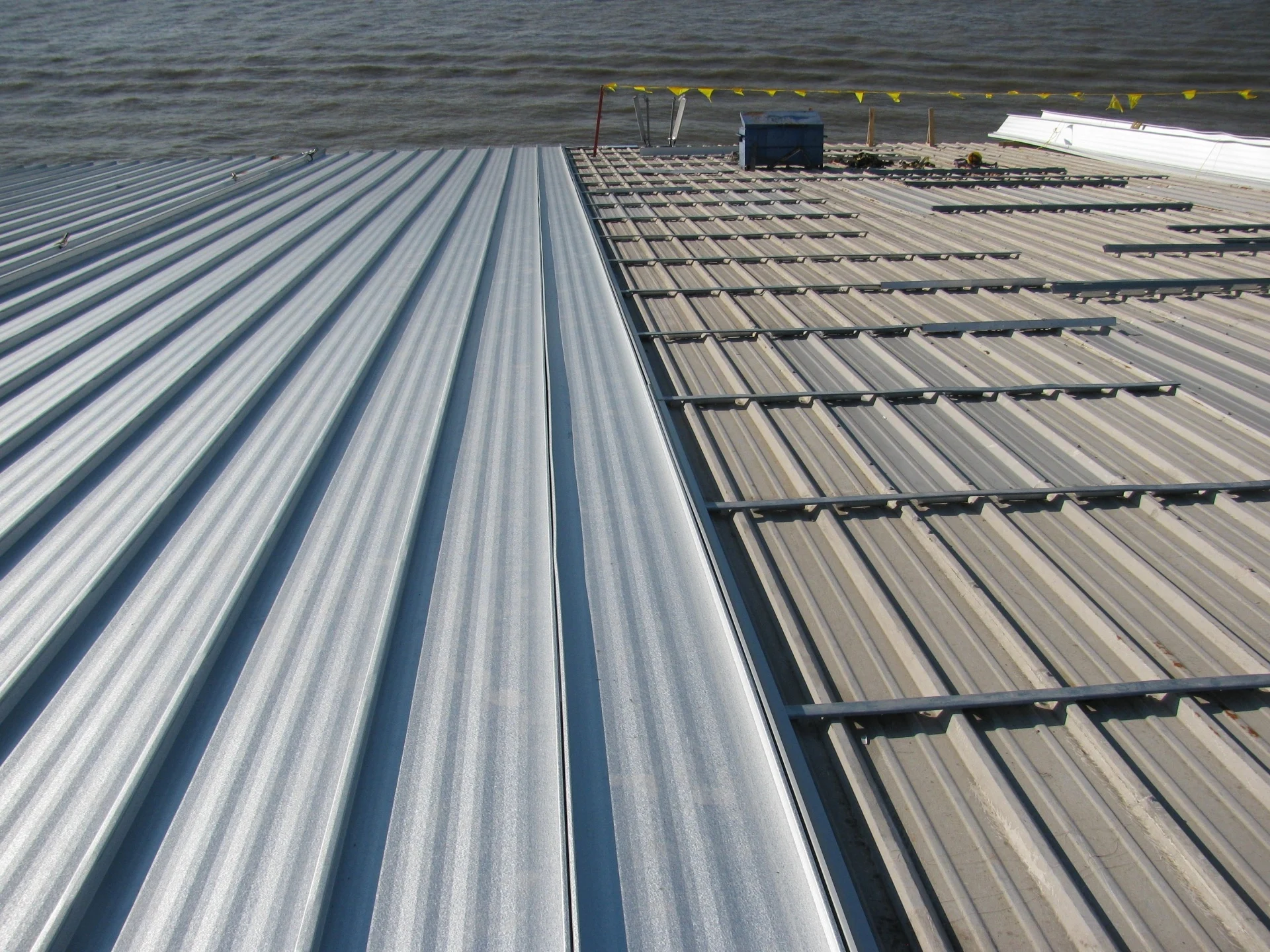
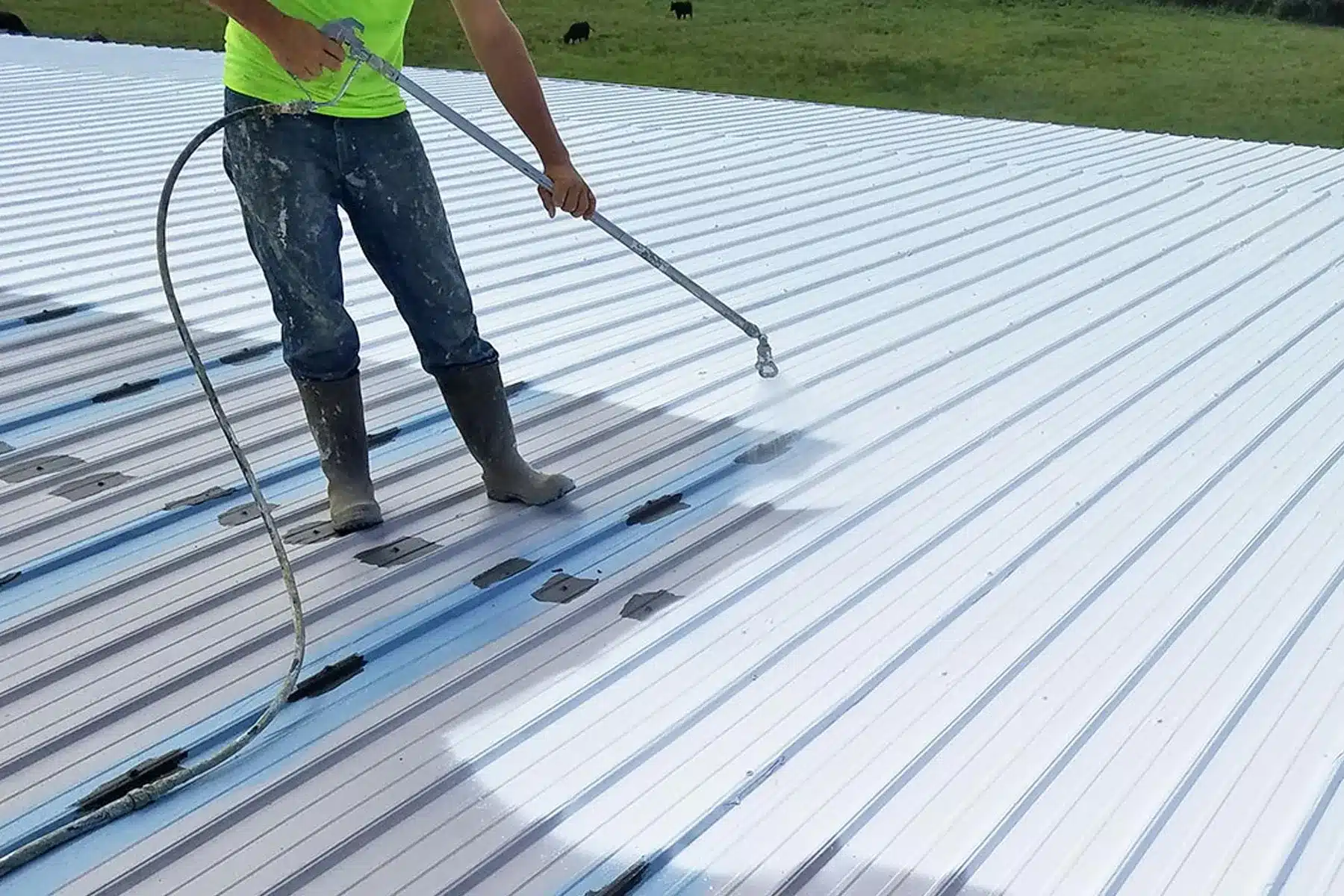
Roofing for apartment complexes, multifamily housing, and HOA-managed communities throughout Miami, FL.
Miami's multifamily real estate market operates at a scale and intensity that few American cities can match — a dense, vertically oriented urban core in Brickell and Edgewater surrounded by sprawling apartment communities in Doral, Kendall, Hialeah, and North Miami Beach, all set against a subtropical climate that demands more from roofing systems than virtually any other environment in the continental United States. Property managers overseeing apartment portfolios in Miami-Dade County navigate a combination of hurricane exposure, year-round UV intensity, intense tropical rainfall, and corrosive salt air that makes roof system integrity not just a maintenance matter but a critical component of life-safety compliance and property insurance retention.
The Florida Building Code's wind resistance requirements — among the most stringent in the country following the destruction wrought by Hurricane Andrew in 1992 and further refined after subsequent storm seasons — shape every roofing decision made on Miami multifamily buildings. Commercial roof assemblies on apartment complexes must meet verified wind uplift resistance ratings specific to the South Florida high-velocity hurricane zone, and noncompliant installations can jeopardize both the property insurance policy and the building's certificate of occupancy. For property managers and investors acquiring existing multifamily assets in Miami-Dade, verifying that the existing roof system was installed with the correct underlayment, fastening pattern, and wind uplift rated materials is a compliance matter as much as a condition matter.
HOA-managed condominium communities dominate much of Miami's multifamily landscape — from the high-rise towers along Biscayne Bay to the low-rise townhome communities in Westchester and Pinecrest. Condominium associations in Miami operate under Florida Statute 718 requirements that now mandate structural integrity reserve studies and adequately funded reserves for major building components including roofing. The reserves legislation enacted following the Surfside condominium collapse has significantly elevated board attention to building envelope condition documentation, and HOA boards that previously deferred roof replacement decisions are now facing reserve study requirements that force systematic capital planning. A commercial roofing contractor who can produce clear, well-documented condition reports aligned with reserve study requirements is a valuable partner for Miami condo associations navigating this new regulatory landscape.
The combination of Miami's UV intensity and its high rainfall volume creates a particularly aggressive roofing environment on low-slope and flat-roof apartment buildings. White TPO and PVC membranes offer excellent initial reflectance but are subject to biological staining from the algae and mold growth that Miami's warmth and moisture encourage on any horizontal surface. Regular cleaning and inspection of membrane surfaces prevents this growth from causing premature degradation and maintains the energy performance benefits that cool-roof systems provide in a market where summer cooling loads on top-floor apartments are significant. Property managers responsible for multiple Miami apartment buildings benefit from including membrane cleaning in routine maintenance contracts rather than addressing it only when staining becomes severe.
Real estate investors from across the country and internationally have made Miami multifamily one of the most closely scrutinized acquisition markets in the United States, driving asset prices that leave limited margin for deferred maintenance surprises. A full roof replacement on a 60-unit mid-rise building in Brickell or a garden-style complex in Doral represents a capital expenditure of significance, and investors who discover roof deficiencies after closing — through tenant complaints, insurance adjustments, or the first tropical storm of ownership — are in a materially worse position than those who built accurate roof capital reserves into their acquisition underwriting. Pre-purchase roof assessments on Miami multifamily buildings should include both condition evaluation and code compliance verification.
The neighborhoods of Hialeah and North Miami Beach represent a significant concentration of older multifamily building stock — post-war apartment buildings and garden-style complexes from the 1950s through 1970s — that operate within Miami-Dade's rental market but carry roofing systems that reflect their construction era rather than current Florida Building Code standards. Many of these buildings have undergone informal roof repairs over decades without full replacement or permitting, creating assemblies that may not meet current wind uplift requirements. Property owners of this building vintage face both the condition-driven need for replacement and the compliance-driven imperative to bring the system up to current code, which affects the scope and cost of roofing projects compared to a straightforward like-for-like replacement on a newer building.
Tropical storm and hurricane seasons create recurring planning considerations for Miami apartment complex owners that don't apply in most other markets. Preparing roofing systems for storm season — verifying that flashings are secured, that drains are clear, that any pending repairs are completed before a storm approaches — is a legitimate annual maintenance discipline rather than an excessive precaution. After a storm event, prompt damage documentation and engagement with the insurance claim process is essential, as repair timelines in the wake of regional storm events extend dramatically as contractor availability tightens. Property managers with pre-existing contractor relationships are dramatically better positioned to get repair work scheduled promptly following a significant storm.
The rooftop amenity trend that has swept Miami's newer luxury apartment developments — rooftop pools, outdoor kitchen areas, cabana structures, and landscaped terraces — creates waterproofing challenges of exceptional complexity. These installations require waterproofing assemblies that perform not just as weather barriers but as below-grade-equivalent systems capable of handling water from pools, irrigation, and planting areas in direct contact with the membrane surface. When these systems fail — typically at deck-to-parapet transitions, around pool shell penetrations, or beneath planting beds — water migration can travel significant distances before manifesting as visible damage inside the building, and remediation requires careful investigation to locate the source rather than simply patching visible staining.
For Miami apartment complex owners, property management companies, and HOA boards, the core message around commercial roofing is that the combination of regulatory requirements, insurance demands, climate intensity, and the financial stakes of Miami real estate make professional roofing expertise an essential operating resource rather than a commodity service. Selecting a commercial roofing contractor with demonstrated experience in South Florida's unique code environment, proven manufacturer certifications for the systems appropriate to Miami's climate, and a track record with multifamily buildings comparable in scale and type to the buildings in your portfolio is the foundation of effective roof management in one of the country's most demanding built environments.
Frequently asked questions
Is built-up roofing still installed on new Miami commercial buildings?
Rarely on new construction. BUR has largely been replaced by TPO and PVC single-ply membranes for new commercial low-slope construction in Miami-Dade. Modified bitumen — a close relative of BUR using polymer-modified asphalt plies — is still specified for specific applications, particularly in recover configurations and on buildings where foot traffic and mechanical abuse favor the thicker ply system. We install and maintain both BUR and modified bitumen on existing buildings but rarely specify BUR for new construction.
How do I know if my 1980s Miami office building's BUR system is still viable?
A moisture survey is the starting point — either electronic moisture probing or infrared thermography. If insulation saturation is below 25 percent by area and the deck is sound, a recover with targeted wet-area removal and a new mechanically attached membrane or modified bitumen cap is often viable. If saturation is widespread or the deck is deteriorated, replacement is the honest scope. We provide the moisture survey data and the deck inspection findings as part of the assessment so the decision is based on documented condition rather than a contractor's estimate.
Can a BUR system be recovered with TPO in Miami-Dade?
Yes, when the BUR substrate is dry, the deck is sound, and an NOA-approved recover assembly exists for the specific BUR type and TPO system combination. We verify the NOA approval before designing the recover specification. Not all TPO manufacturer systems have Miami-Dade NOA approvals for BUR recover configurations — the approval list is assembly-specific.
What is the typical service life of a Miami BUR system?
A well-installed BUR system in Miami conditions typically provides 20 to 30 years of service life before significant rehabilitation is required. Miami's high UV intensity, surface temperatures exceeding 160 degrees F, and coastal salt environment accelerate asphalt oxidation and ply adhesion degradation relative to inland markets. Pre-1992 Miami BUR systems that are now 30-plus years old and have not been recovered or significantly repaired are generally past viable service life.
Get a documented BUR condition assessment for your Miami building.
Our project managers will conduct a moisture survey, pull cores at suspect locations, inspect deck condition, and deliver a written report with recover-versus-replace recommendation and cost basis — before any commitment to a scope.