Mixed Use Development Roofing
Miami, FL · Property Types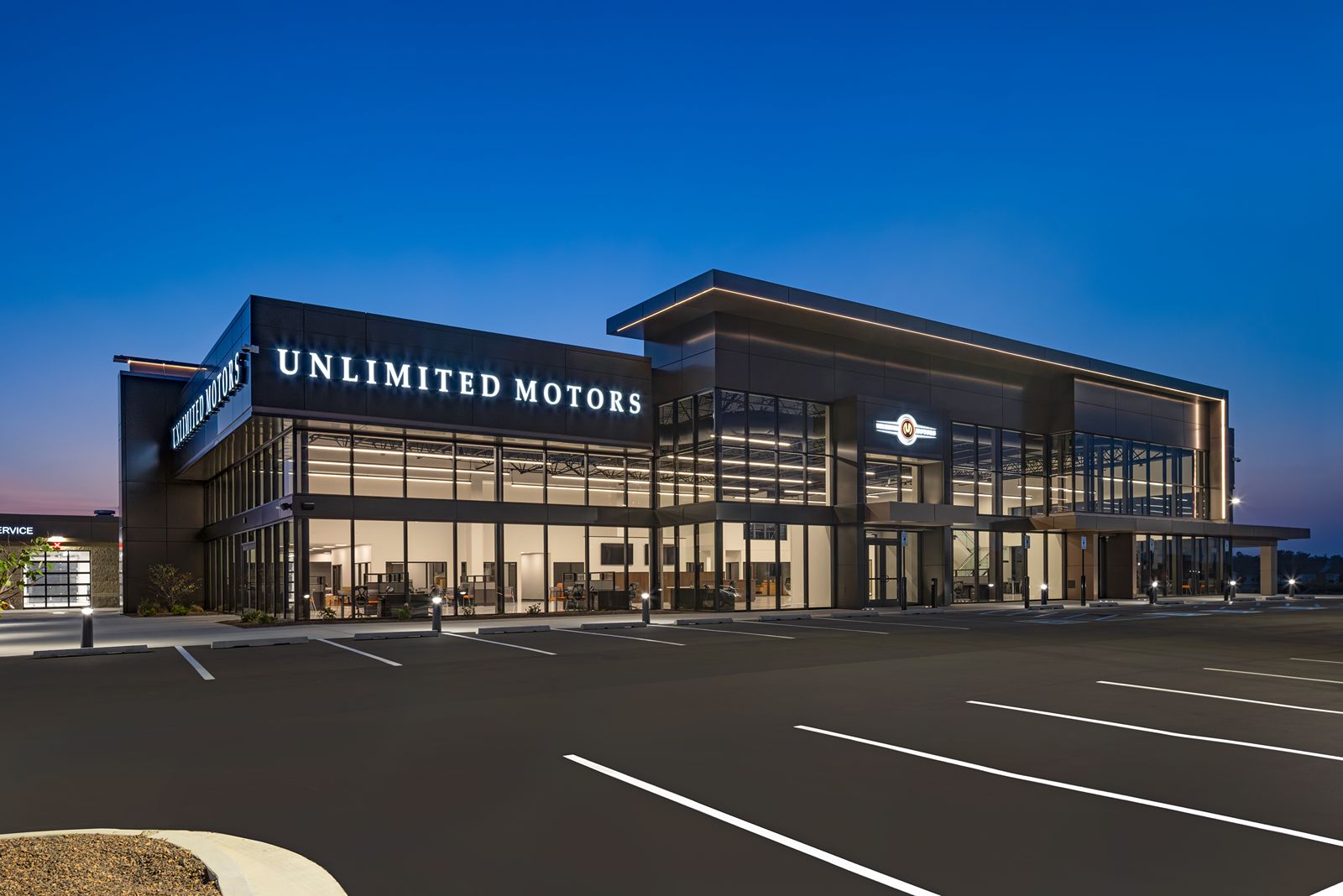
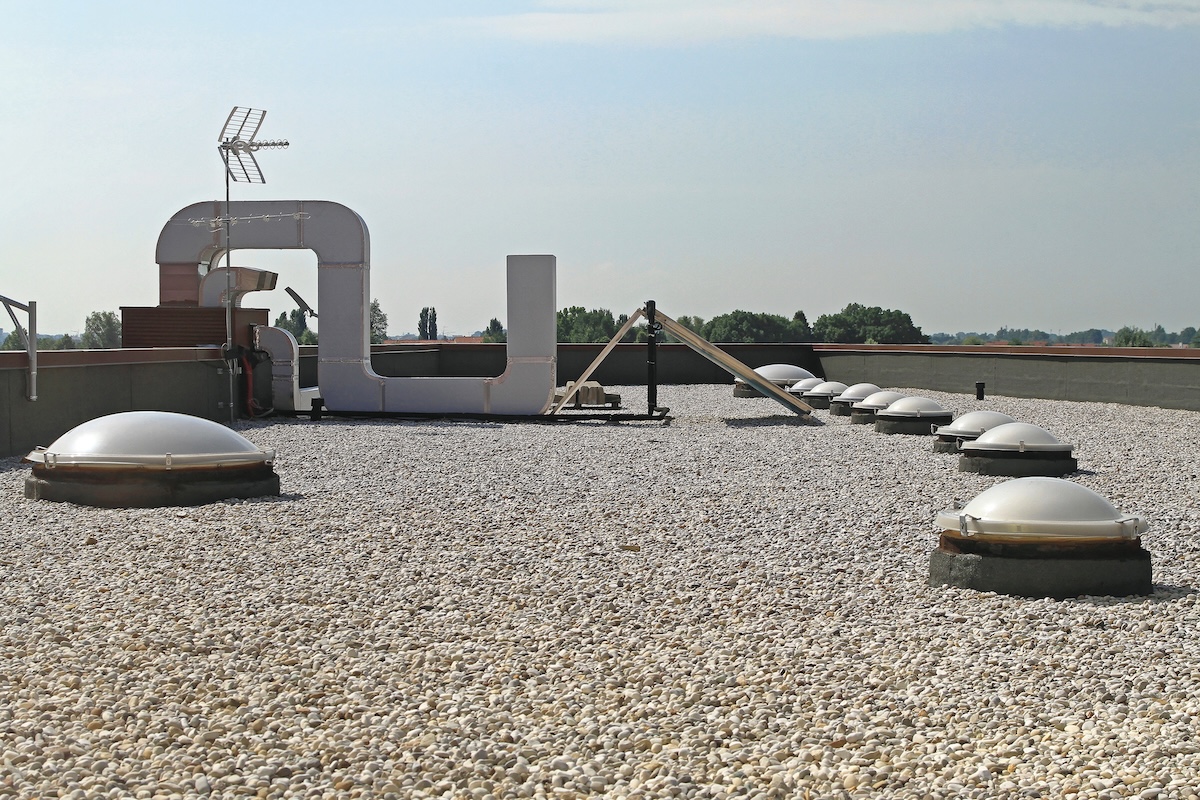
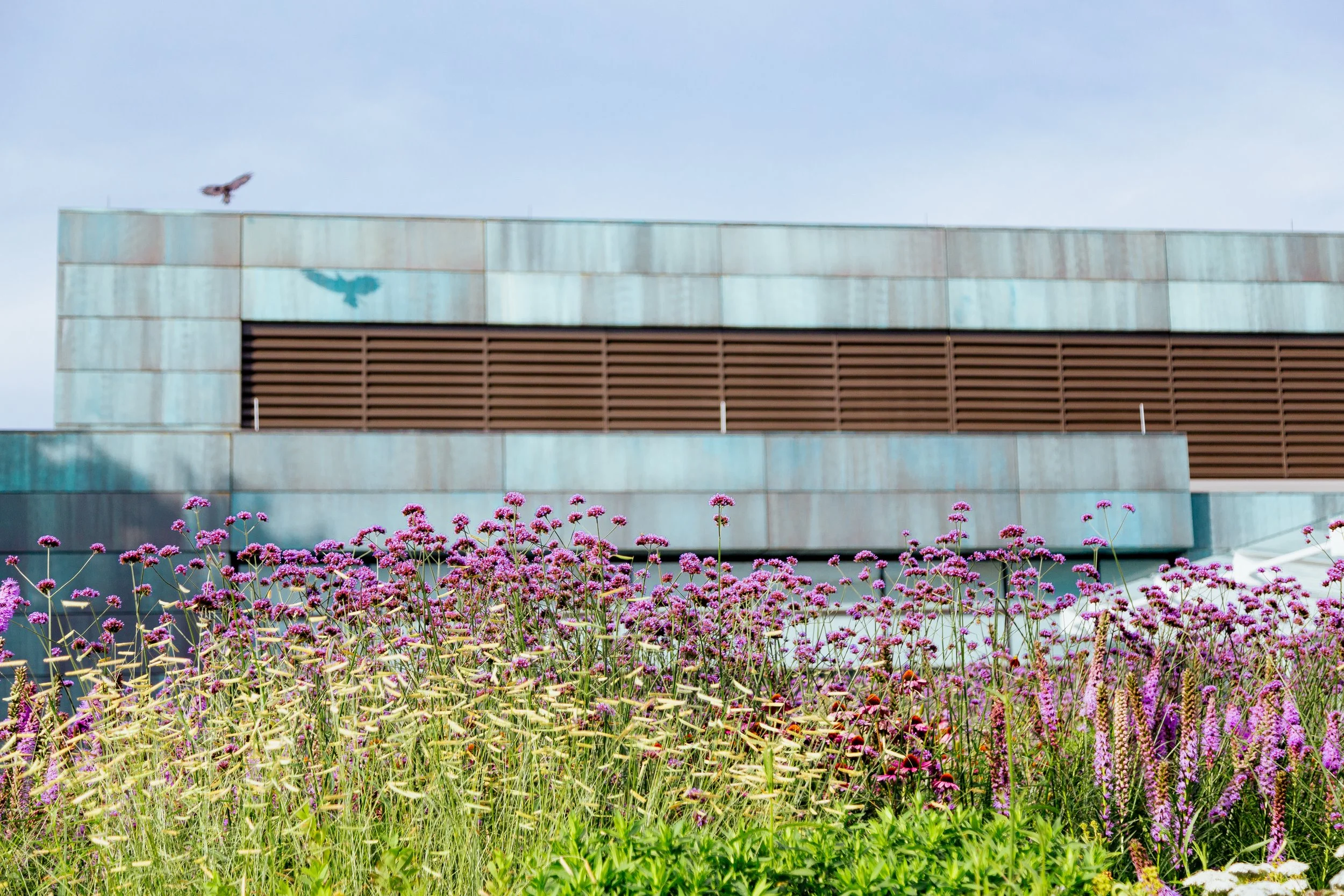
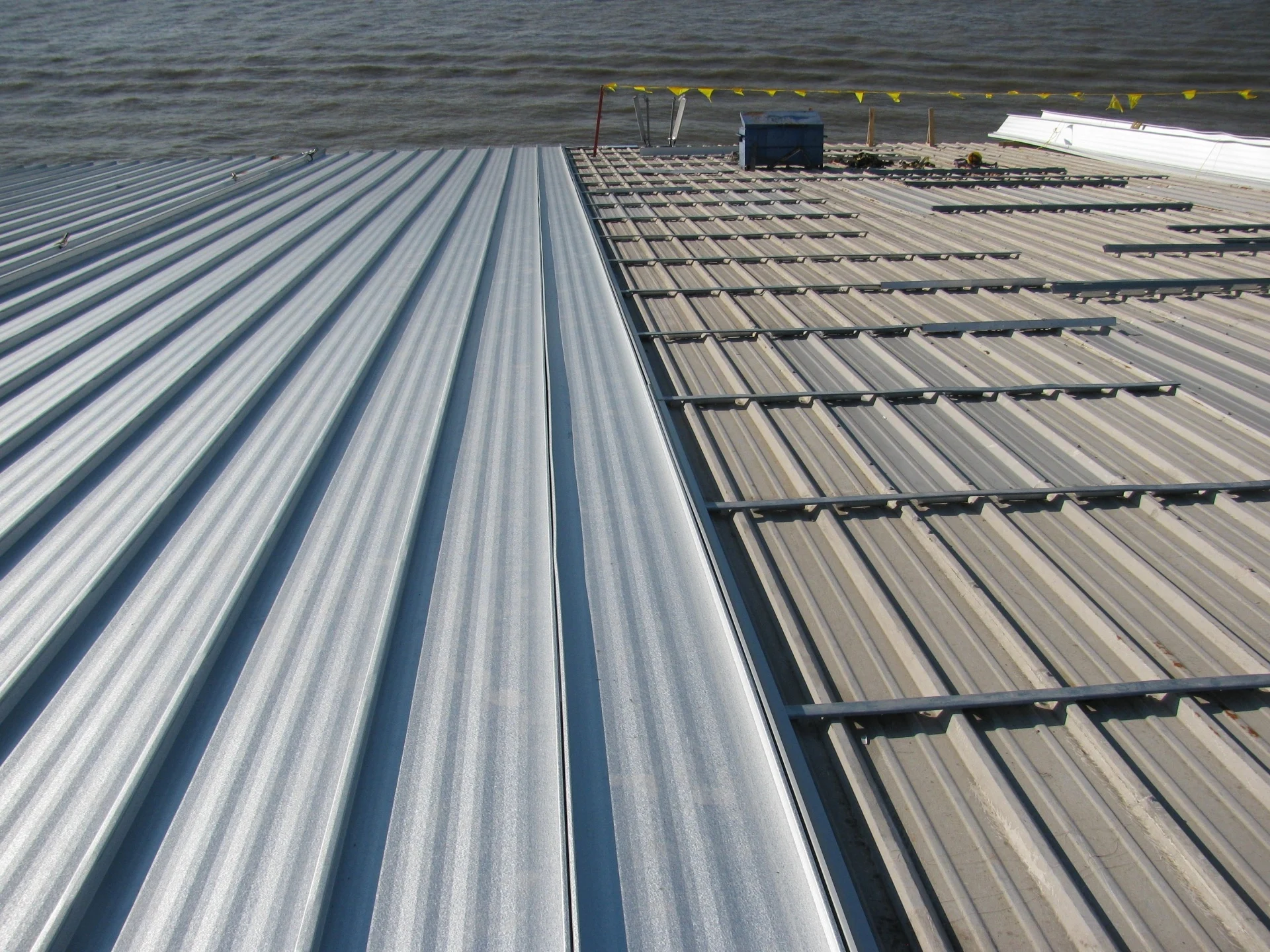
A mixed-use building is never a single roof. It is a stack of different roof conditions sharing one address: a low-slope main roof over the residential floors, a podium deck separating ground-floor retail from the apartments above, amenity terraces and pool decks the residents actually walk on, and the smaller roofs over parking structures and lobby projections. Each of those surfaces is built differently, fails differently, and protects something different underneath. Roofing a mixed-use development well means understanding all of those at once and how they connect.
This is the product type defining a huge share of Miami's recent construction. Brickell has been built vertically around exactly this model, ground-floor restaurants and shops beneath residential towers. Wynwood's transformation from warehouse district to destination has produced block after block of mixed-use, retail and creative space below apartments. Midtown Miami, Edgewater, and the corridors along Biscayne Boulevard carry the same pattern. We roof these developments across the city, and we approach each one as the layered structure it actually is.
Where Retail Below Meets Residential Above
The most consequential roof in a mixed-use building is often the one you cannot see from the street: the podium deck. This is the horizontal separation between the commercial ground floor and the residential floors stacked on top, and frequently it doubles as an amenity level, a pool deck, a courtyard, a resident terrace. That means it is simultaneously a roof over occupied retail and a trafficked, landscaped, sometimes water-filled surface above. A failure there does not drip into an attic, it sends water straight into a restaurant, a shop, or a lobby, with residents and their amenities sitting on top of the problem.
Podium and plaza decks are among the most demanding waterproofing assemblies in commercial construction, and they are unforgiving of shortcuts. The waterproofing membrane is buried under pavers, planters, or a pool, so a leak cannot simply be patched from above, finding and fixing it can mean lifting an amenity deck apart. We treat these assemblies with the seriousness they require, and where we are addressing a leaking podium, we trace the failure carefully rather than guessing, because the cost of opening the wrong section of a finished amenity deck is steep.
The Residential Roof on Top
Above the living floors sits the main roof, and in Miami that is usually a low-slope membrane carrying the building's primary rooftop mechanical equipment. The residents below have a direct stake in it: a leak here reaches top-floor units, the most expensive apartments in the building, and a roof problem in a residential tower is not a maintenance ticket, it is a habitability and tenant-relations issue. We roof these decks for longevity and for serviceability, because the rooftop equipment up there, the HVAC, the elevator overrides, the amenity systems, will need access for the life of the building, and every access path is a place the membrane can be worn or breached.
One Building, Many Warranties
The complication that sets mixed-use apart from almost any other property type is warranty and responsibility coordination. A single development can carry several different roofing and waterproofing systems installed at different times by different trades: the main roof under one manufacturer's warranty, the podium waterproofing under another, the parking-deck coating under a third, balcony and terrace assemblies under their own. When water shows up inside, the first and hardest question is which system actually failed and whose warranty covers it.
We help owners, associations, and property managers make sense of that. When we assess a mixed-use roof, we map the assemblies, identify which system a leak originates in, and document it clearly enough to pursue the right warranty and bill the right party. For boards and managers dealing with a tower's worth of residents and a row of commercial tenants, that clarity is worth as much as the repair itself, because chasing a leak across overlapping systems without a clear diagnosis wastes money and patience on all sides.
Transitions Are Where It Leaks
Because a mixed-use development is an assembly of different roof types, its weak points are the transitions between them, where the residential roof meets a parapet, where the podium deck ties into the tower wall, where a terrace membrane turns up at a door threshold, where two systems from two contractors meet at a joint. Water finds these intersections. The membrane field on any one surface may be sound while the leak is happening at the seam where it hands off to the next. We pay disciplined attention to those transitions, because in our experience they cause a disproportionate share of mixed-use leaks and they are exactly the details that get glossed over when systems are installed by separate trades on separate schedules.
Working in an Occupied, Vertical Building
By the time roofing work is needed, a mixed-use development is typically full, residents in the apartments, customers in the retail, cars in the garage. The work has to happen without displacing any of them. That brings logistics that a standalone building never faces: getting materials and tear-off to and from a roof many stories up, often with no lay-down space at street level in a dense neighborhood like Brickell or Wynwood. Coordinating crane or hoist time. Keeping noise and fumes from reaching residents on the floors just below or customers in the shops at the base. Protecting amenity decks and landscaping that residents use daily.
We plan mixed-use projects around all of that. We sequence the work to keep occupied areas protected and usable, control debris and odor so they do not reach living or retail space, and coordinate access and staging with building management so the development keeps functioning while the roofing gets done. In a dense urban building, the logistics are often a larger part of the job than the roofing itself, and handling them smoothly is what keeps residents and tenants from ever feeling the disruption.
Systems We Install on Mixed-Use
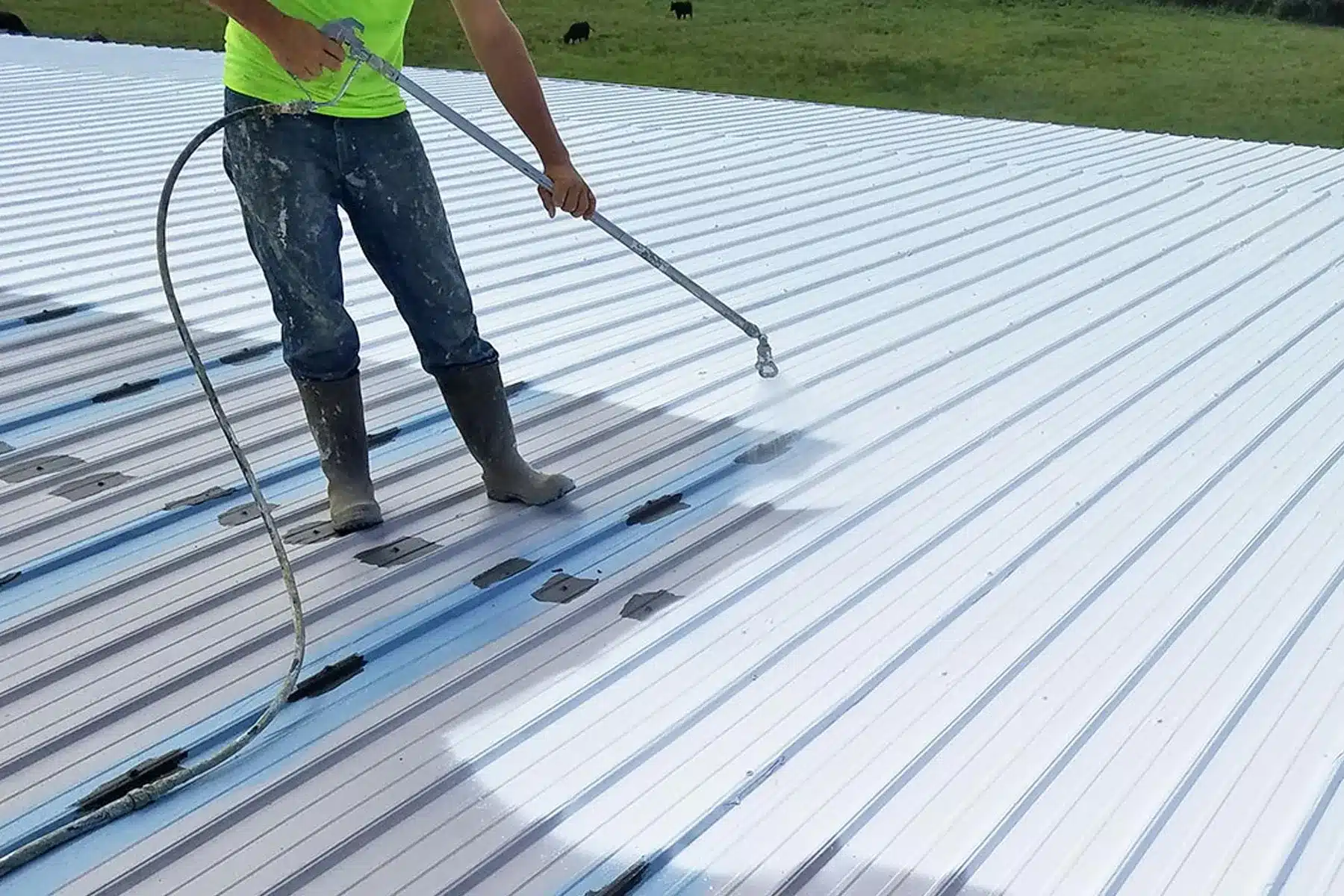
The right system depends on which surface we are talking about, which is the whole point with mixed-use. The main residential roof is usually best served by a reflective single-ply membrane, TPO or PVC, that sheds Miami's solar heat and eases the building's cooling load, with PVC favored where any kitchen or restaurant exhaust from the ground floor is carried up and discharged at roof level. Podium and amenity decks call for robust waterproofing assemblies designed to live under pavers, planters, or pools and to carry foot traffic. Parking decks take traffic-bearing coatings. Where a sound but weathered membrane needs life extension without a disruptive tear-off in an occupied building, a fluid-applied silicone coating is often the most practical path. We match each surface to the system it actually needs rather than forcing one product across a building that has several distinct jobs to do.
All of it meets Miami-Dade's product-approval and high-velocity-hurricane-zone wind requirements. On a tall mixed-use building the wind exposure is severe, and the perimeter and corner detailing on the upper roof, along with the attachment of everything mounted on it, has to be engineered to the building's real pressures. The edges of a high roof take the brunt of a hurricane, and they are where an under-secured system begins to fail.
Keeping a Mixed-Use Roof System Maintained
Given how many surfaces and warranties are in play, the owners and associations who fare best are the ones who have the whole roof system inspected on a schedule rather than reacting to leaks. We set up maintenance programs that cover all of a development's roof and deck areas at least twice a year and after major storms, focusing on the transitions between systems, the rooftop equipment curbs, the amenity-deck drains, and the parapet and threshold details where mixed-use buildings leak. We re-seal what is beginning to open, keep the drains clear before Miami's wet season tests them, and give the board or manager a single clear picture of where every surface stands.
For an owner, association, or property manager responsible for a mixed-use development anywhere in Miami, that coordinated attention is what keeps a complicated roof from turning into a series of emergencies and warranty disputes. If you manage a mixed-use property here, whether in Brickell, Wynwood, Midtown, or anywhere across the city, we will assess every roof and deck surface, tell you plainly where each one stands, and lay out a maintenance, repair, or replacement plan that fits the building as the layered structure it is. Reach out and we will arrange a walkthrough.