Commercial Roofers in Miami Beach
Miami, FL · Service Areas
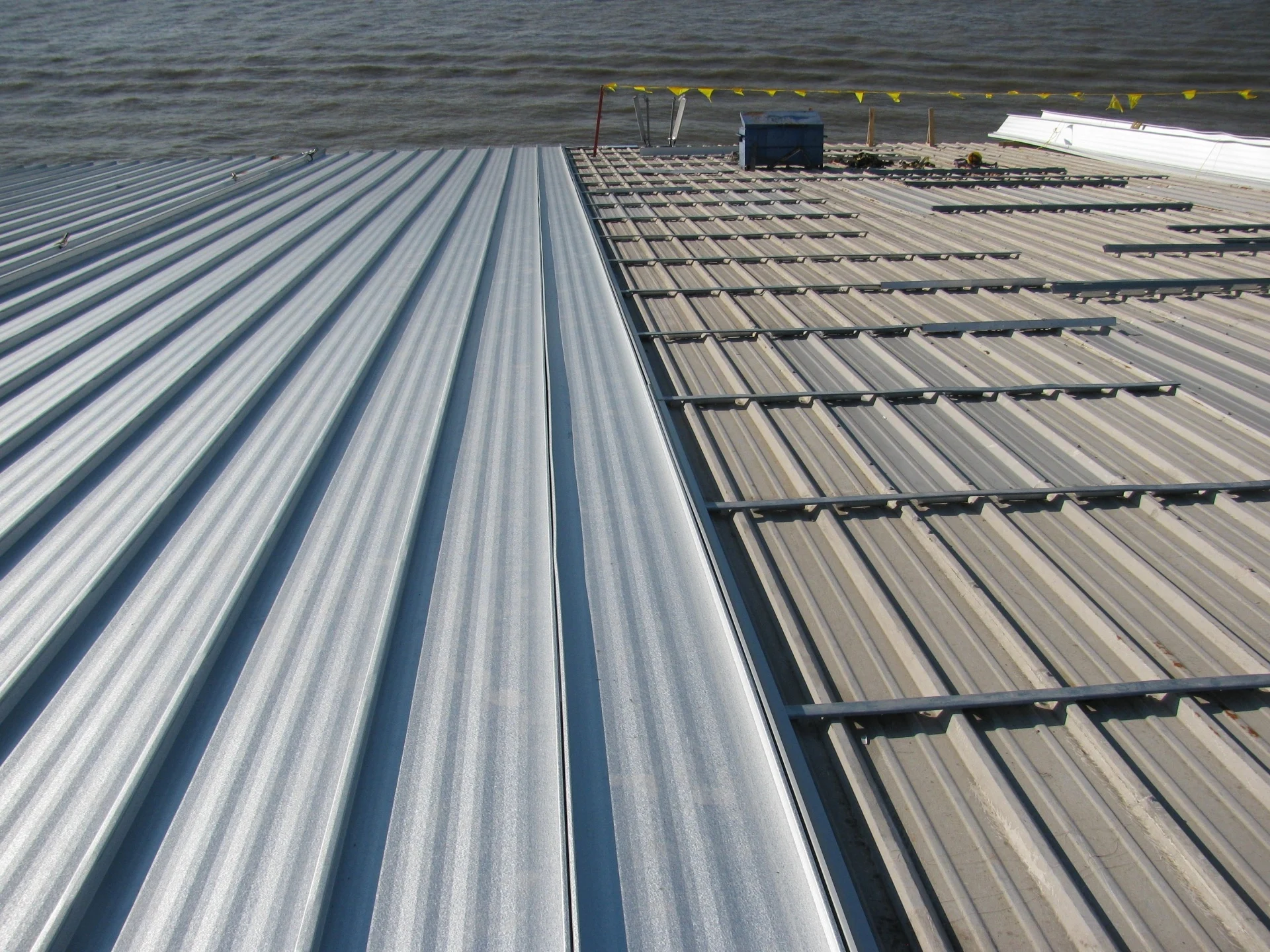
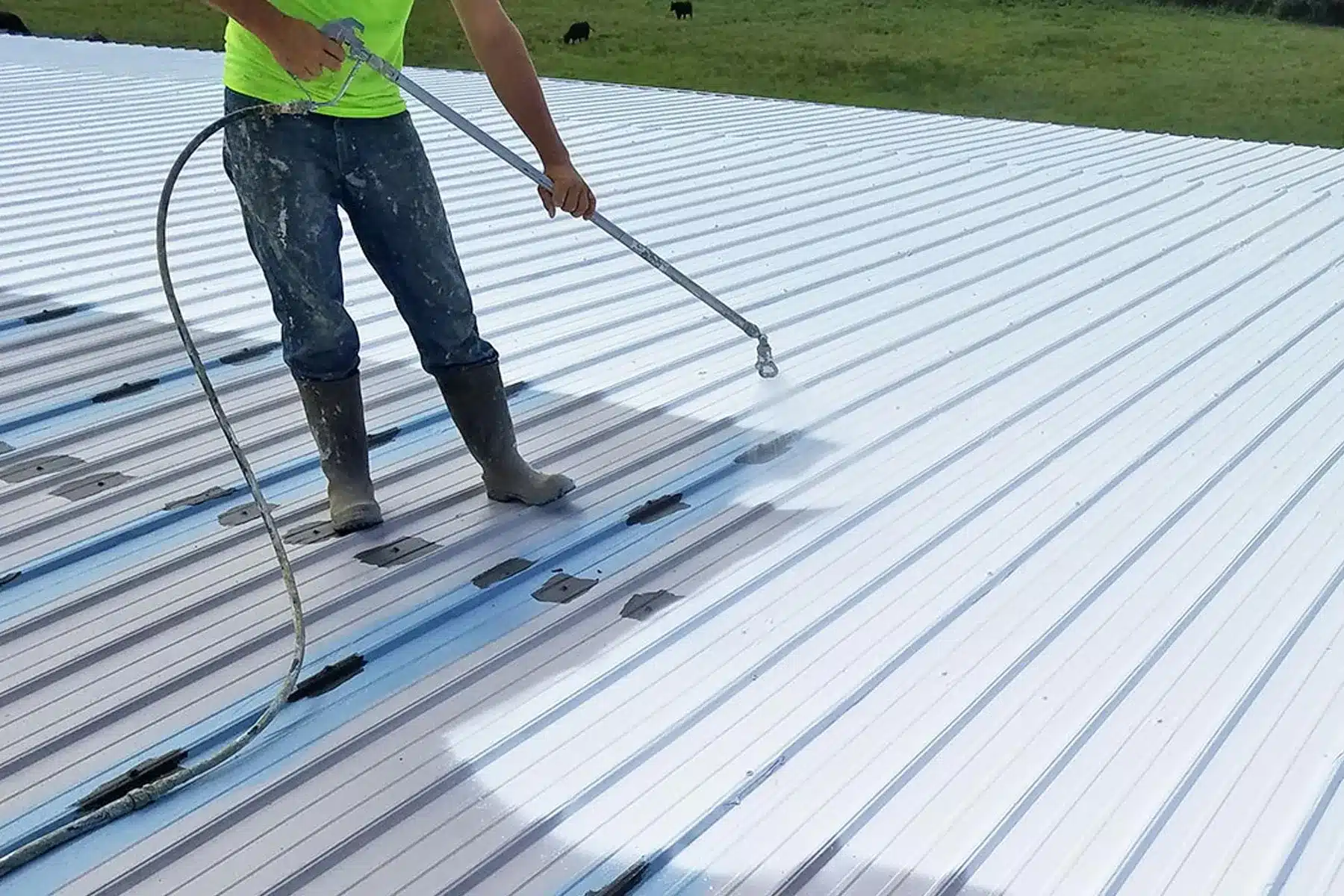
A practical commercial roofing plan for Miami Beach properties separates urgent leak control from repair, coating, maintenance, and replacement decisions supported by photos and condition findings. The Ocean Drive hotel cluster, Lincoln Road retail strip, and mid-beach high-rise corridor run some of the most demanding commercial roof environments in South Florida — continuous occupancy, coastal salt spray, and a building department with its own permitting calendar. We run active maintenance routes on Miami Beach and understand what it takes to work around hotel operations without disrupting guests.
Miami Beach is not a typical commercial roofing market. The barrier island's oceanfront exposure means every roof assembly faces salt spray, accelerated membrane degradation, and wind-uplift pressures that exceed mainland Miami-Dade readings by a meaningful margin — open-water fetch along the Atlantic and Biscayne Bay creates exposure categories that require more conservative fastener patterns in perimeter and corner zones than comparable buildings a few miles inland.
The city operates its own building department, separate from Miami-Dade County. Miami Beach Building Department issues its own permits, schedules its own inspections, and has its own plan review timeline. Contractors who pull Miami-Dade County permits and assume they cover Miami Beach work are wrong — and a building that reaches final inspection without a Miami Beach permit faces stop-work orders and potential warranty complications. We file with the Miami Beach Building Department for every project within city limits.
The commercial inventory on the island breaks into three distinct layers. The Art Deco and Mediterranean Revival hotels along Ocean Drive and Collins Avenue — many on the National Register of Historic Places — carry the most complex substrate conditions and the most restrictive design review requirements. Mid-beach and north-beach hotel and mixed-use high-rises built from the 1960s through 1990s are in active reroof cycles. The Lincoln Road and Alton Road retail and office corridor is a dense strip of low-rise commercial that generates steady maintenance and leak-response work.
Ocean Drive Historic District and Art Deco Roofing
The hotels and commercial buildings in the Ocean Drive historic district — roughly 6th Street through 15th Street — are governed by the Miami Beach Historic Preservation Board in addition to the standard Miami Beach Building Department permitting process. Rooftop work that alters the visible profile of a building, adds or modifies rooftop mechanical equipment, or changes any element visible from the street requires Historic Preservation Board review before permits are issued.
The flat roof sections of Art Deco buildings are typically concrete deck construction — poured-in-place or pre-cast concrete rather than the steel deck that dominates post-1970s commercial construction. Concrete decks require different waterproofing approaches: the assembly must account for concrete's movement characteristics, and penetration details that work on metal deck may not be appropriate on concrete. We assess concrete deck condition — including carbonation depth and rebar corrosion evidence — before specifying any replacement system on these buildings.
Drainage on Ocean Drive historic buildings is rarely adequate by modern standards. Original drain layouts were designed for the precipitation patterns of the 1930s and 1940s, before intensified storm events and king-tide flooding became design considerations. On flat sections with chronic ponding, we evaluate whether drain relocation or tapered insulation is feasible within the historic fabric constraints before specifying a replacement system.
Lincoln Road Retail Corridor
Lincoln Road's pedestrian mall runs from Alton Road to Washington Avenue and carries roughly 800,000 square feet of retail, restaurant, and cultural use in low-rise commercial buildings. The roofs on this corridor are predominantly flat, low-slope membranes — TPO, modified bitumen, and in older buildings, built-up roofing that has been recovered one or more times. The corridor's high foot traffic and restaurant density means HVAC loading on rooftops is intense, and equipment curb penetrations are a chronic leak source.
Work on Lincoln Road requires coordination with the Miami Beach Parking and Transportation Department for lane closures on the cross streets (17th Street, 16th Street, Lincoln Lane) during material delivery and crane operations. We include this coordination in pre-construction planning. Crane placement on Lincoln Road itself is generally not permitted during peak retail hours — we schedule crane lifts for early morning windows and weekends where the tenant's operations allow.
Restaurant tenants on Lincoln Road have grease exhaust systems that terminate through the roof membrane. Failed grease exhaust boot flashings are a leading leak source on these buildings, and grease contamination of the adjacent membrane accelerates degradation. We document every grease exhaust penetration condition in our inspection reports and specify compatible flashing materials for each penetration type.
Mid-Beach and North Beach Hotel High-Rises
The high-rise hotel corridor from 20th Street through 40th Street on Collins Avenue includes some of the largest roofing scopes on Miami Beach — towers ranging from 150,000 to 400,000 square feet of roof area, many with rooftop pool decks, mechanical penthouses, and occupied outdoor terraces that create complex waterproofing interfaces alongside the primary roof membrane.
Rooftop pool decks are a specialized waterproofing scope that intersects with the roof membrane work. Pool decks sit above occupied space, and failures in the deck waterproofing membrane produce leaks into occupied hotel floors. The deck membrane, drain assemblies, and the transition to the primary roof membrane at the deck perimeter all require coordinated scoping. We assess pool deck waterproofing condition in our hotel roof inspections and scope it as an integrated system rather than a separate bid item.
Hurricane-season scheduling on occupied high-rise hotels requires day-by-day weather monitoring and rapid dry-in response. Miami Beach's oceanfront exposure means approaching tropical systems produce wind and rain effects 12 to 24 hours before mainland Miami-Dade. We adjust production schedules in real time during hurricane season and maintain emergency tarping capacity at all active Miami Beach high-rise projects.
Miami Beach Permitting and Inspection
Miami Beach Building Department plan review for commercial roofing runs 4 to 6 weeks from complete application to permit issuance — similar to Miami-Dade County's timeline, but through a separate system. Historic district projects add a Historic Preservation Board review cycle that meets monthly, adding up to 4 weeks to the pre-construction timeline for projects requiring board approval.
Miami Beach inspections include a final inspection milestone that must be passed before manufacturer warranty can be issued. The city's inspectors review NOA documentation, fastener pattern installation, and flashing details at the final inspection. We schedule final inspections proactively and ensure the closeout package — including the Miami-Dade NOA approval numbers, fastener pattern documentation, and photographic record — is complete before the inspection date.
Frequently asked questions
Do you pull Miami Beach permits separately from Miami-Dade County permits?
Yes. Miami Beach operates its own building department and requires its own permits for roofing work within city limits. A Miami-Dade County permit does not cover Miami Beach. We file with Miami Beach Building Department for all work on the island, and we manage the plan review, permit issuance, and inspection scheduling through the city's process.
How do you work around hotel operations on Collins Avenue?
We pre-construction plan around hotel check-in and check-out windows, pool deck hours, and major event weekends. Material delivery and crane operations are scheduled for early morning — typically 6 to 8 AM — before pool and outdoor areas open. Noise-generating work (pneumatic fastening, tear-off) is coordinated with the hotel's facilities team to avoid conflict with occupied rooms directly below the work zone. We assign a dedicated project manager to every hotel project for daily communication with facilities staff.
What is the typical response time for emergency leak calls on Miami Beach?
Our office is in Brickell, roughly 20 to 25 minutes from mid-beach in normal traffic, longer during peak season. Emergency dry-in response to Miami Beach is typically within 3 to 4 business hours. After-hours and weekend response is available for buildings on our maintenance contracts.
Can you work on Art Deco buildings in the historic district?
Yes. We have experience with Miami Beach Historic Preservation Board review requirements, concrete deck substrate assessment on 1930s and 1940s construction, and the flat-roof membrane scoping that coexists with decorative historic elements. Historic district projects require earlier permit submission to accommodate the board review cycle — we build this into the project timeline from the initial scope conversation.
Miami Beach commercial roof inspection or replacement scope.
Our project managers will walk the roof, assess the Miami Beach Building Department permitting requirements, and produce a written scope that accounts for hotel operations, historic district review, and coastal exposure conditions.