Tech Roofing
Miami, FL · Industries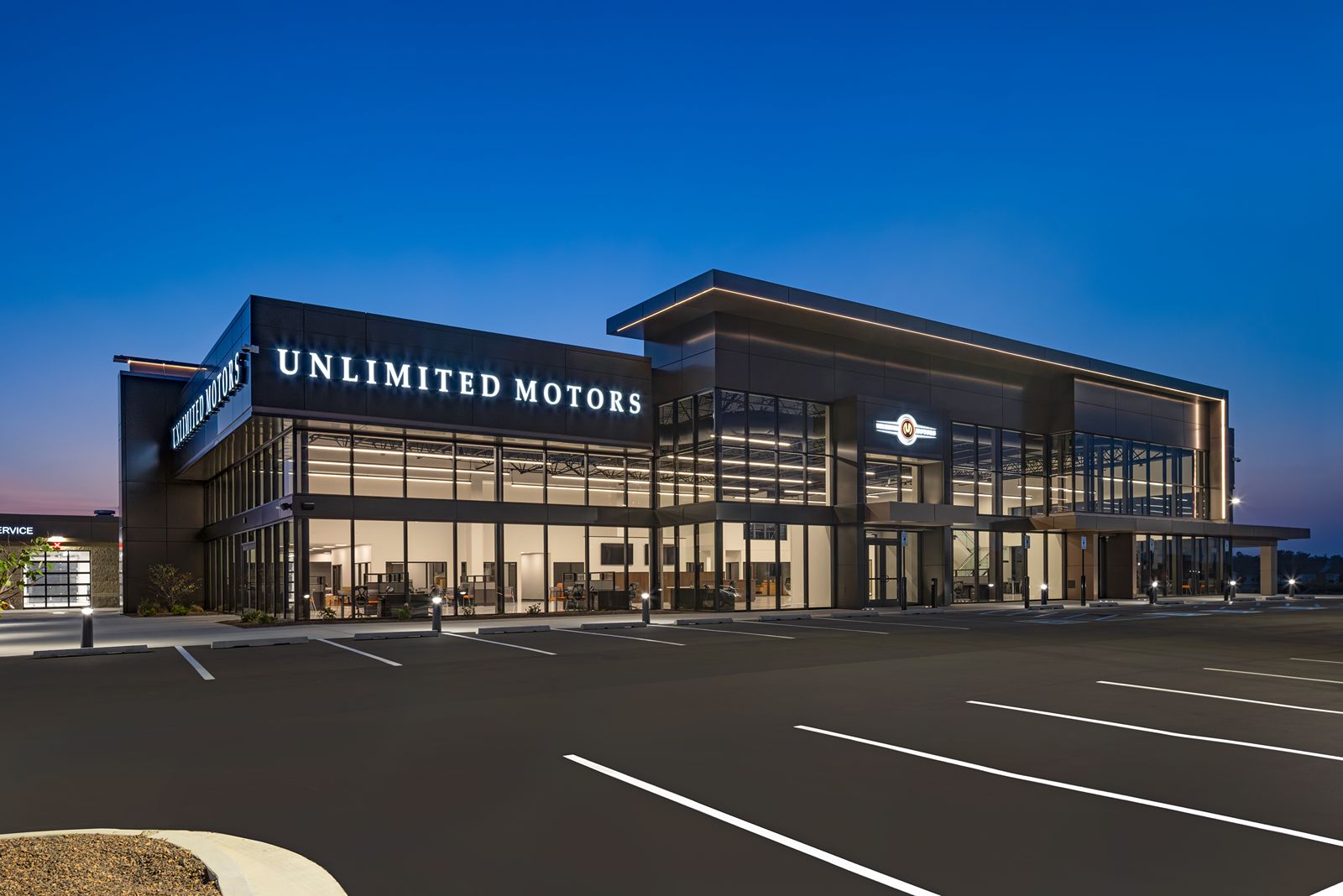
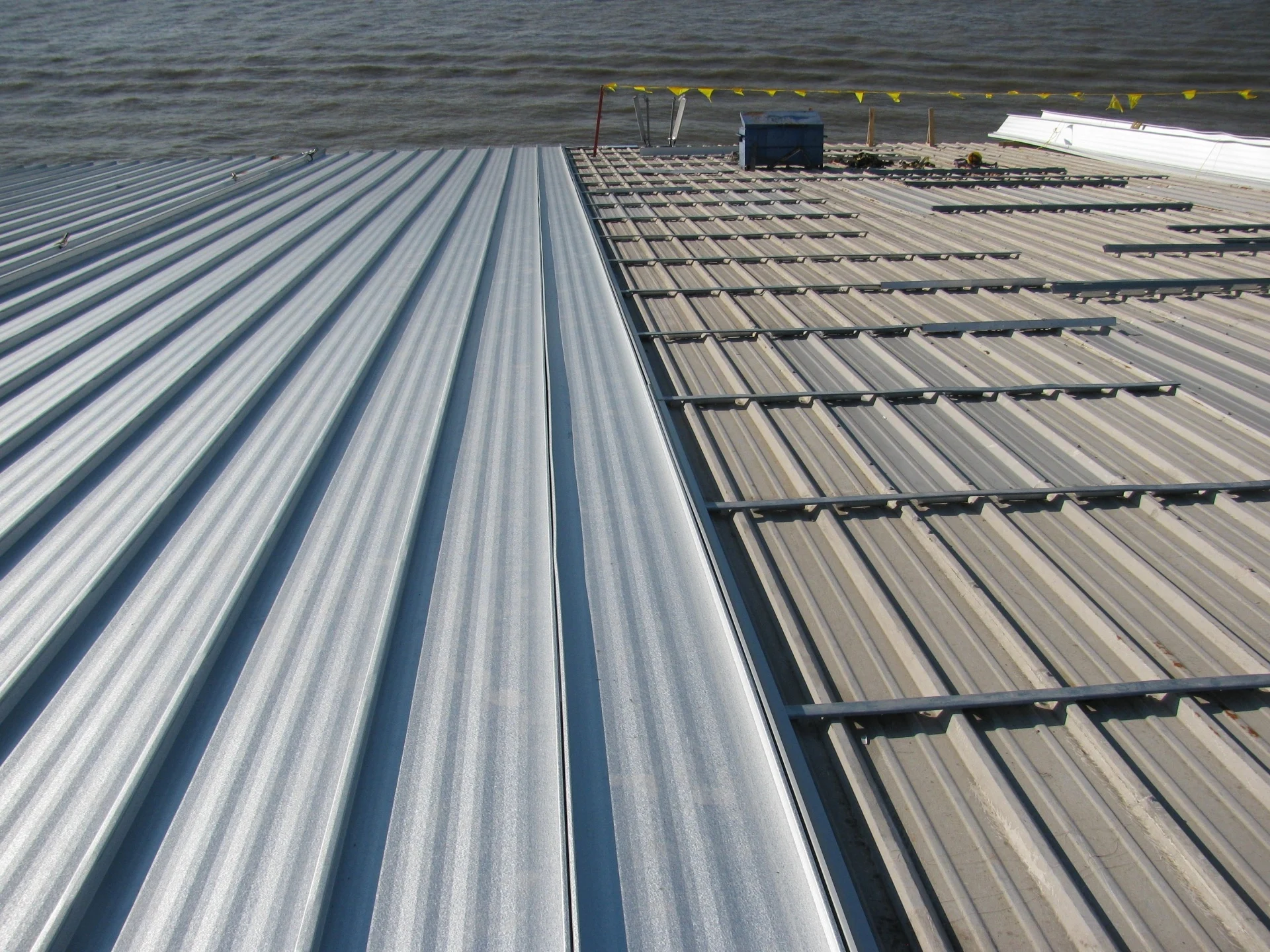
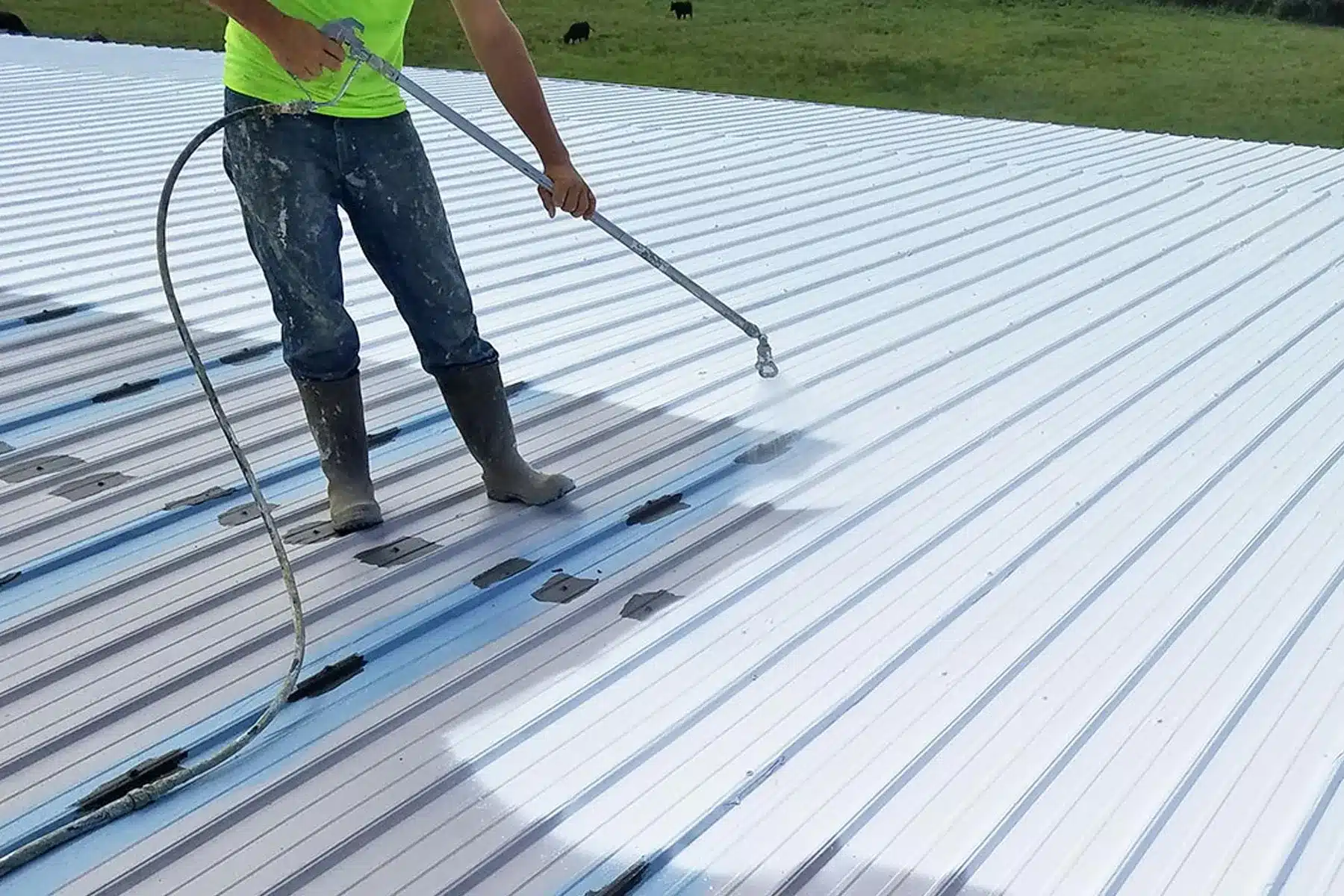
Miami's tech sector arrived fast — Y Combinator Demo Days held in Wynwood, a wave of venture-backed startups relocating from San Francisco and New York, and established tech companies anchoring space in Brickell and the Kaseya Center corridor. The buildings they occupy have roofing needs that their facility managers are often discovering for the first time.
Miami's emergence as a tech hub accelerated dramatically after 2020. The combination of Florida's tax environment, Brickell's newly developed Class A office stock, and the creative office inventory of Wynwood attracted a wave of tech company relocations and startups that had not previously been part of Miami's commercial real estate market. Y Combinator-backed companies held Demo Days in Wynwood. Venture capital firms from San Francisco established Miami offices. And tech companies that had previously considered Miami a second-tier market began signing leases in buildings they had never maintained before.
This created a particular situation in commercial roofing: facility managers and office managers at tech companies were suddenly responsible for commercial roof assets in a climate they had not operated in before. Miami's NOA requirements, HVHZ compliance standards, and hurricane season preparedness obligations are not intuitive to a facilities manager who transferred from a San Jose or Miami Beach office. We find ourselves regularly explaining the Miami-Dade product approval system and the pre-hurricane-season inspection cadence to tech company facility managers who are encountering these requirements for the first time.
The buildings Miami's tech sector occupies fall into two distinct categories. The creative office conversions in Wynwood — former warehouse and light industrial buildings converted into open-plan offices — are largely older stock with aging low-slope roofing that was designed for warehouse use and has not been upgraded for the HVAC loading that a dense tech office occupancy creates. The Class A and B office buildings in Brickell and the Kaseya Center corridor represent newer construction with better-maintained roof assets but with the operational complexity of multi-tenant buildings managed by institutional property managers.
Wynwood Creative Office and Tech Hub Roofing
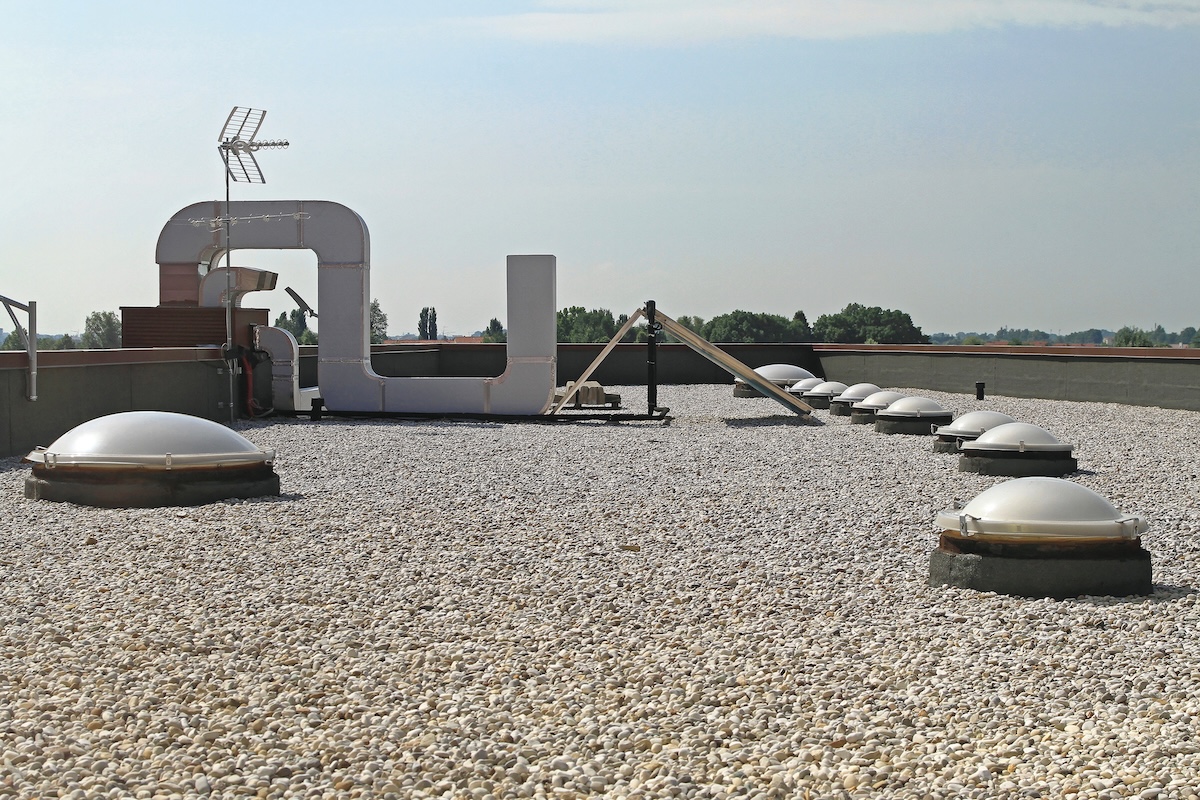
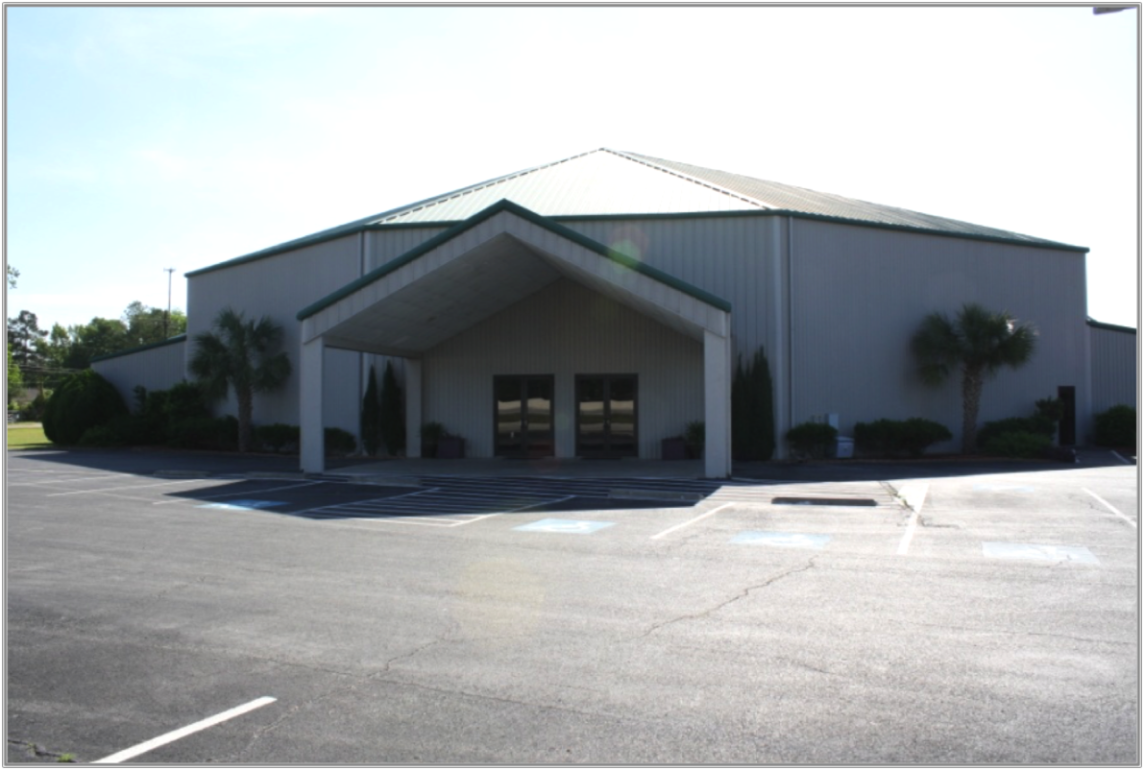
Wynwood's transformation from light industrial and warehouse to Miami's primary creative office and tech district happened faster than the building stock's roof assets were upgraded to match the new occupancy demands. A 1970s warehouse converted to a 200-person tech office now carries HVAC loading from multiple rooftop units that the original structure was not designed for, with penetrations through the existing membrane for each unit that were often detailed with generic flashings rather than NOA-approved details.
The most common roof condition we find in Wynwood tech office buildings is a membrane that was marginally acceptable for warehouse use — minimal foot traffic, minimal HVAC loading, minimal interior finish sensitivity — that is now exposed to regular foot traffic from HVAC service technicians, condensate drain lines that were added at conversion without membrane coordination, and interior occupants who notice water staining immediately because they are sitting under an open ceiling with the roof membrane visible through exposed ductwork.
Conversion projects that are underway or recently completed in Wynwood represent the best opportunity to address the roof condition before tenant occupancy rather than after. We work with Wynwood building owners and their architects on conversion projects to scope the roof replacement or repair as part of the conversion permit, so that the NOA compliance, HVAC penetration detailing, and membrane system selection are addressed in the design phase rather than as a post-occupancy emergency.
Kaseya Center Corridor and Overtown Tech-Adjacent Buildings
The Kaseya Center arena's redevelopment catalyzed new commercial development in the surrounding Overtown and Park West neighborhoods. Tech-adjacent office space in this corridor — including coworking and flexible office buildings that house early-stage tech companies and startup accelerators — represents a diverse mix of building ages and roof conditions.
Buildings in this corridor are often mid-rise concrete or masonry construction from the 1980s and 1990s, with roofs that have been maintained through repairs rather than planned replacement cycles. Our inspection protocol on these buildings focuses on identifying the cumulative effect of repair layering: multiple flashing repairs that have created complex overlapping details, add-on HVAC units whose curb flashings were not integrated with the original membrane, and drain infrastructure that has been partially modified without full system documentation.
Kaseya Center itself — the arena operated by Miami-Dade County on behalf of the Miami Heat — has specialized roofing requirements that include coordination with arena event scheduling. We note it as a landmark for geographic reference; the commercial buildings in the corridor around the arena represent the active tech-adjacent office market we serve in this part of Miami.
Data Infrastructure and Server Room Roofing Considerations
Tech offices in Miami carry server rooms and network closets that are more sensitive to water intrusion than general office space. Even a small membrane failure above a server room can cause a data loss event. Our condition reports on tech office buildings flag any roof sections directly above server rooms, network closets, or UPS rooms as priority inspection areas, and our maintenance contracts include quarterly inspection of those sections specifically — not just the annual full-roof inspection.
HVAC redundancy is a fact of life in tech offices — redundant cooling units mean more penetrations through the membrane, more curb flashings, more drainage points for condensate. Each additional penetration is a potential water intrusion point if not detailed to the NOA-approved standard. We document every penetration on tech office buildings during inspection and provide a written deficiency list for flashings that do not
Educating Tech Facility Teams on Miami-Dade Roofing Requirements
One of the more consistent aspects of our work in the tech sector is the educational component. Facility managers at tech companies — especially those who relocated from other markets — are often encountering Miami-Dade's NOA requirement, the HVHZ wind-uplift standard, and the hurricane season maintenance requirement for the first time. We explain these requirements clearly as part of our initial inspection process and provide written documentation that the facility manager can use to brief building ownership and prepare capital budget requests.
The pre-hurricane-season inspection cadence is the most important operational habit for a Miami building owner to establish. We recommend contracting a pre-season inspection in April and May each year, well before the June 1 start of hurricane season. For tech companies that have never operated a building in South Florida, this is often the first time they learn that their facilities obligation includes a weather-preparedness dimension that is not part of facility management in other markets.
Frequently asked questions
Our tech office is in a Wynwood warehouse conversion. What should we expect from a roof inspection?
A Wynwood warehouse conversion inspection will document the existing membrane condition, identify all penetrations and assess their flashing details against the current NOA standard, check for evidence of HVAC condensate intrusion or drain line conflicts, and provide a written report that distinguishes deferred maintenance from active leaks. Most converted warehouses have some combination of aging membrane, ad hoc HVAC penetrations, and perimeter flashings that do not We tell you what is there, what it costs to address, and what the risk is of deferring each item.
We have server rooms and network closets directly under the roof. What additional protection should we consider?
On buildings where server rooms or network infrastructure is directly below the roof, we recommend a quarterly inspection of the sections above those spaces in addition to the standard annual full-roof inspection. For buildings where the risk level is high — aging membrane, multiple unresolved flashing issues, or prior leak history above the server room — we recommend a secondary drain check and a thermal scan of those specific sections to identify any active moisture migration before it reaches the interior.
We are new to operating a Miami building. What do we actually have to do for hurricane season?
The Miami-Dade requirement is that your roof assembly was installed and maintained in compliance with the NOA for the system — that means no voided warranty, no undocumented modifications to the membrane, and no deferred maintenance items that compromise the perimeter or corner zone fastening. Practically, we recommend a pre-season inspection in April or May each year that documents the current condition, identifies any priority repairs, and produces a written report you can use for insurance documentation. If repairs are needed, completing them before June 1 is the goal.
Can you work around our office hours? Our team is in the office 7 days a week.
Yes. For tech offices with extended operating hours, we can schedule production to start before the team arrives — typically at 6 AM — and use phased section planning to keep active tear-off away from occupied areas during core hours. We do not treat after-hours or weekend scheduling as a premium service for commercial clients with legitimate operational constraints.
Get a written roof assessment for your Miami tech office building.
We will document what you have, what it costs to bring it into NOA compliance, and what you need to know for hurricane season — in plain language that a facility manager who is new to Miami can use.