Modified Bitumen Systems
Miami, FL · Roof Systems
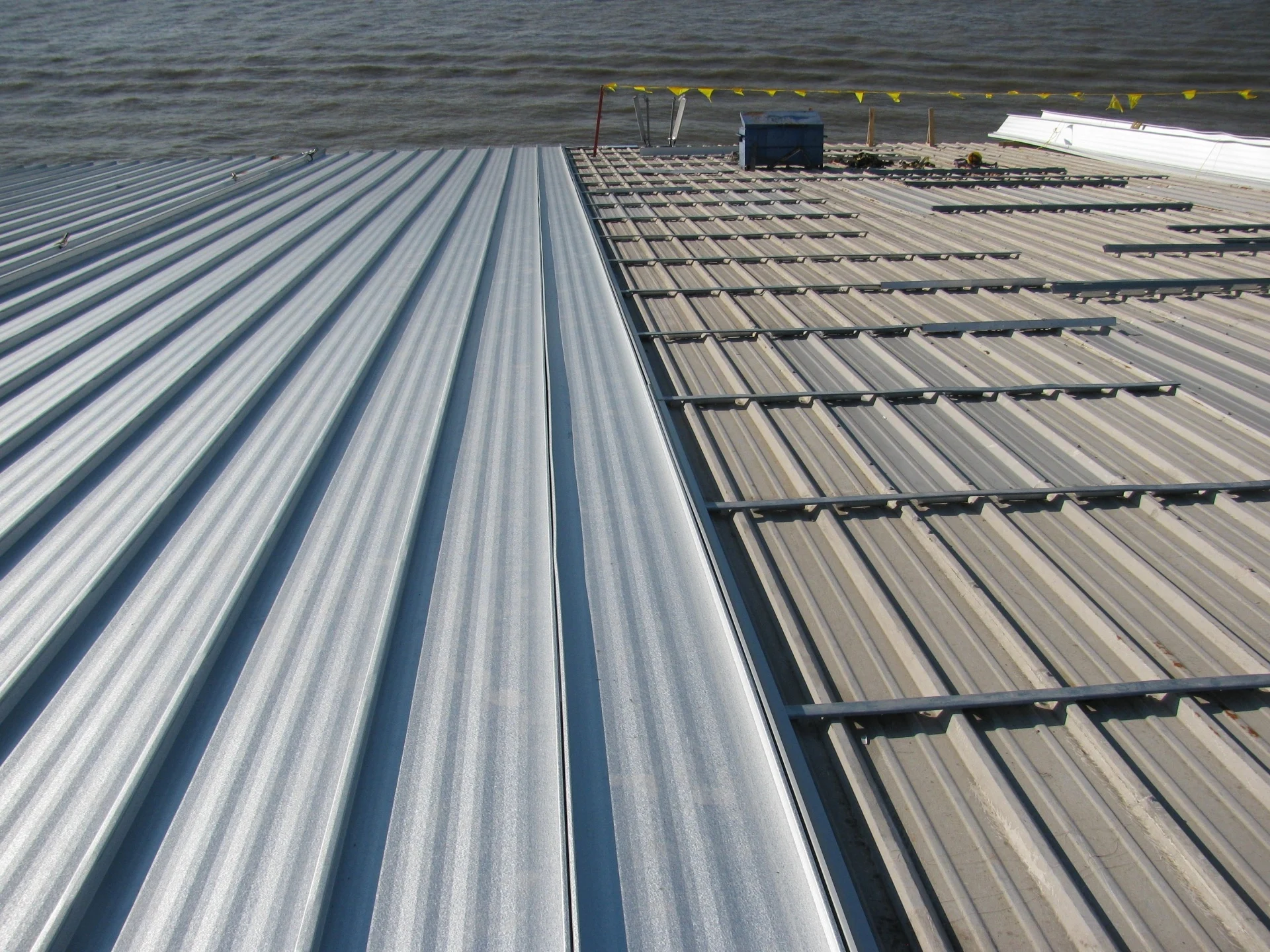
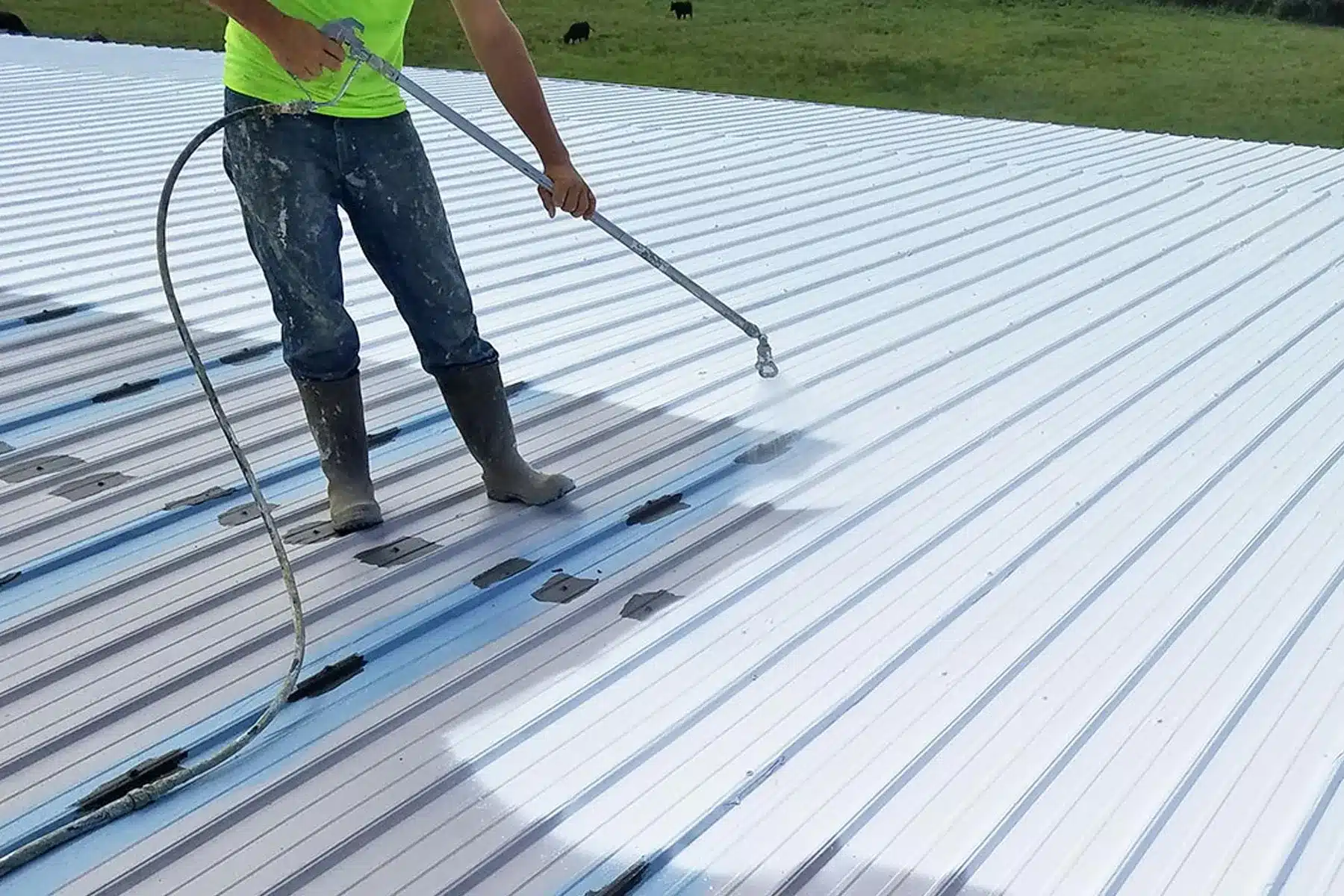
Modified bitumen remains the correct specification for a specific category of Miami commercial building — older concrete deck construction, buildings where multi-ply redundancy is a priority, and recover projects where the existing base ply can be incorporated into the new assembly without full tear-off. The key is specifying the right modified bitumen configuration for the building's actual conditions.
Modified bitumen membrane emerged as the upgrade from built-up roofing in the 1980s and dominated Miami commercial roofing through the mid-1990s before single-ply TPO and PVC gained market share. Today, modified bitumen is the right choice for a narrower but still significant category of Miami buildings — primarily those where multi-ply construction provides redundancy that single-ply cannot match, where the existing concrete or structural deck construction requires a system that does not depend on the precision fastener penetration that mechanically attached single-ply requires, or where the building owner's capital plan supports a recover-and-restore approach on an aging system that still has structural integrity.
SBS (styrene-butadiene-styrene) modified bitumen is more flexible and performs better in Miami's thermal cycling environment than APP (atactic polypropylene) formulations. APP systems have higher heat resistance — an advantage in direct-flame torch application — but can become brittle over time in South Florida's UV environment in a way that SBS does not. For new installations in Miami, we specify SBS unless there is a specific application reason that favors APP. Both carry Miami-Dade NOA approvals in current formulations from major manufacturers.
Hot-process torch-applied modified bitumen installation requires active fire watch in Miami-Dade, including a cooling-down period after torch work is completed. The Miami-Dade Fire and Rescue Department's hot work permit requirements apply to all torch-applied roofing in the county. We obtain hot work permits as part of pre-construction planning, maintain fire watch staffing through the required post-torch period, and have never had a fire-related incident on a torch installation.
Multi-Ply Construction and Miami-Dade Redundancy Requirements
A standard modified bitumen assembly in Miami uses a glass fiber or polyester base ply mechanically attached to the insulation, followed by one or two additional plies of SBS-modified bitumen cap sheet. The multi-ply construction provides waterproofing redundancy — if the cap sheet sustains hurricane debris impact damage, the base ply prevents immediate interior water intrusion while the cap sheet is repaired. Single-ply membranes do not offer this redundancy.
Miami-Dade's NOA system covers multi-ply modified bitumen assemblies at the system level. The specific base ply, mid-ply (if used), and cap sheet products must all be part of the same NOA approval — mixing products from different manufacturers or substituting a non-NOA ply into an otherwise approved assembly voids the county approval. We verify that every component in a proposed modified bitumen assembly is covered under a single active Miami-Dade NOA before the specification is finalized.
FBC HVHZ wind-uplift design for modified bitumen is primarily driven by the base ply attachment pattern. The mechanically fastened base ply is the wind-uplift resistance mechanism — subsequent plies are mopped or self-adhered onto the attached base ply. Base ply fastener patterns are calculated to the same ASCE 7 three-zone design pressures that govern single-ply systems, and we submit the fastener layout as a stamped drawing with every Miami-Dade permit application.
Modified Bitumen for Concrete Deck and Historic Buildings
Downtown Miami's older commercial building stock includes a significant number of concrete deck buildings from the 1950s through the 1970s — pre-Hurricane Andrew construction that predates the FBC HVHZ requirements. These buildings present substrate challenges for single-ply installation: concrete deck irregularities that require leveling before insulation board, existing drain configurations that may not work with tapered insulation packages designed for metal deck, and parapet conditions that reflect decades of deferred maintenance.
Modified bitumen's multi-ply construction accommodates concrete deck irregularities better than single-ply systems. The mopped application of mid-plies and cap sheets conforms to minor surface variations that would compromise single-ply membrane performance. For buildings where full deck restoration is not in the capital plan, modified bitumen often provides a higher-performance installation on imperfect substrates than mechanically attached single-ply.
Oolite limestone, the porous carbonate rock underlying Miami-Dade, affects older buildings in areas where the original construction embedded structural elements directly in the oolite layer without deep piling. Differential settlement in these buildings shows up as parapet cracking and wall joint movement. Modified bitumen's multi-ply construction with SBS elastomeric chemistry handles these movement conditions better than more rigid membrane systems — we document movement at parapet bases and specify additional flashing ply reinforcement at cracked locations.
Cold-Process Modified Bitumen for Interior Occupied Buildings
Cold-process modified bitumen — applied with cold-applied adhesive rather than torch heat — eliminates the open-flame hot work requirement. For occupied Miami commercial buildings (hospitals, active office buildings, occupied retail) where torch application would create fire alarm conflicts or require building evacuation, cold-process installation is the operationally correct specification. Cold-process systems carry Miami-Dade NOA approvals and deliver equivalent multi-ply waterproofing performance to torch-applied assemblies.
Cold-process adhesive cure time in Miami's heat is an advantage: the ambient temperature that causes problems for cold adhesives in northern climates actually accelerates cure time in Miami's summer installation conditions. We monitor adhesive temperature during cold-process application to stay within manufacturer-specified application ranges — too hot and the adhesive flash-cures before adequate wetting of the substrate.
Frequently asked questions
Is modified bitumen still a good choice for a new Miami commercial building?
For most new construction in Miami, TPO or PVC single-ply is the current default specification — the NOA landscape for single-ply systems is broader, the installed cost per square foot is generally lower, and the heat-reflective options are better. Modified bitumen's case for new construction is strongest where multi-ply redundancy is a client priority, where the structural deck has irregularities that favor a mopped installation, or where the client's maintenance program is minimal and the multi-ply safety factor provides insurance against deferred repairs.
Can you recover existing modified bitumen without tearing it off?
Florida Building Code allows one recover layer over an original roof assembly. If moisture cores confirm the existing modified bitumen system is dry and the deck is structurally sound, a new modified bitumen or single-ply system can be installed over the existing assembly. The recover decision is core-driven — we will not recommend recover over wet insulation regardless of apparent surface condition. If more than 25% of cores read wet, replacement is the only code-compliant and warranty-supported path.
What is the difference between SBS and APP modified bitumen?
SBS (styrene-butadiene-styrene) is elastomeric — it stretches and recovers, making it more resistant to the thermal cycling and parapet movement that Miami buildings experience. APP (atactic polypropylene) is plastomeric — it has higher heat resistance and is typically applied by torch, but does not recover from deformation as well as SBS. For Miami's combination of high thermal cycling amplitude and UV intensity, SBS is generally the superior specification for long-term performance.
How long does a modified bitumen roof last in Miami?
A properly installed two-ply SBS system with active maintenance typically achieves 20 to 25 years on a Miami commercial building. The granule-surfaced cap sheet provides UV resistance that extends membrane life relative to smooth-surface systems. Buildings with consistent maintenance — drain cleaning, flashing inspection, and cap sheet blister and seam monitoring — regularly reach the top of that range. Buildings without maintenance programs often see failure at 12 to 15 years.
Get a modified bitumen assessment or replacement scope for your Miami building.
Our project managers will pull moisture cores, document deck condition, and determine whether recover or full replacement is the right capital decision — with NOA documentation included in the scope.