Distribution Center Roofing
Miami, FL · Property Types
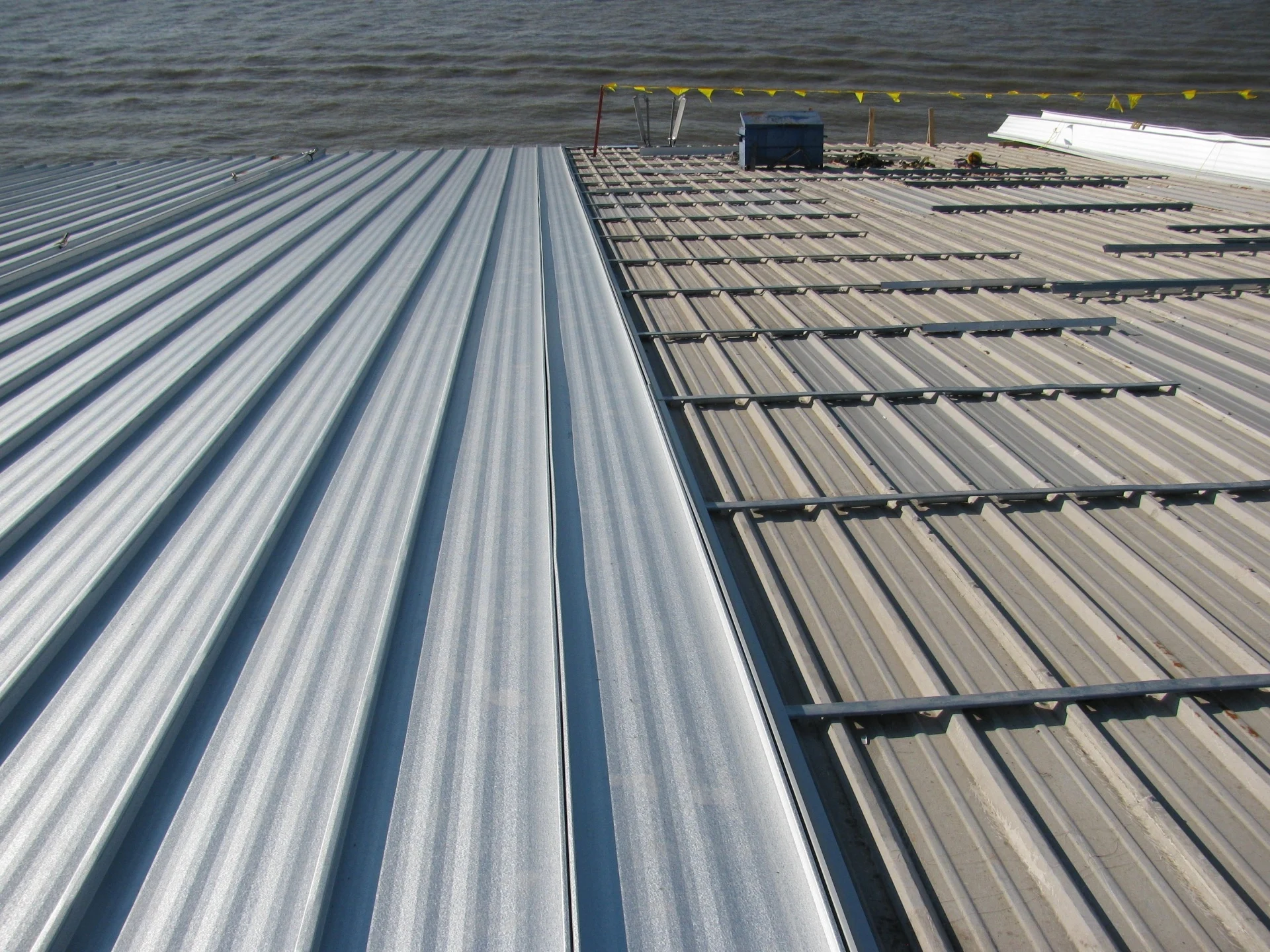
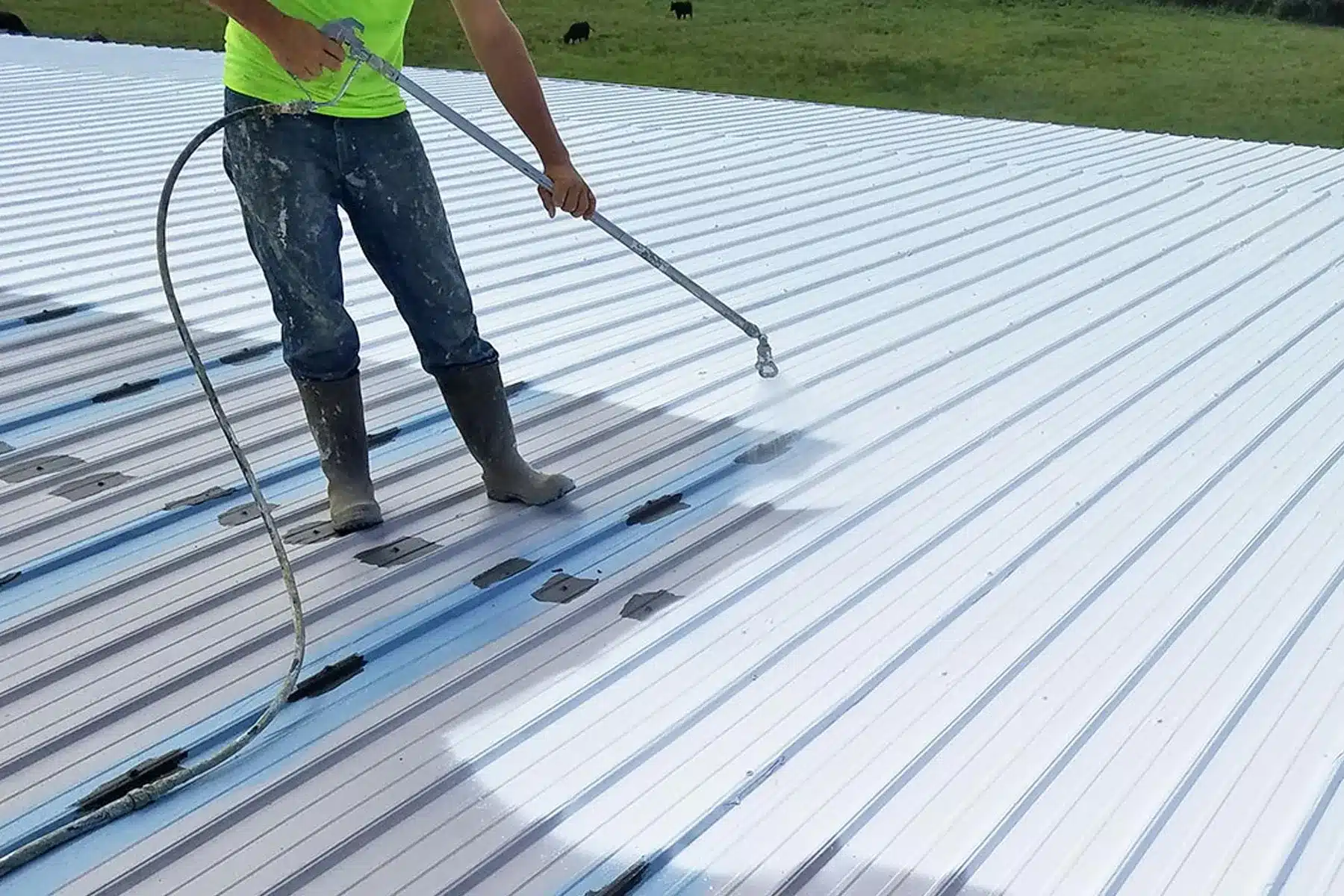
Doral, Medley, and Hialeah Gardens have absorbed the Miami metro's logistics build-out — last-mile delivery hubs, regional distribution facilities, and cold chain warehouses that run 24-hour operations and cannot pause for a roof replacement. We scope and deliver around that operational reality.
Miami's distribution center inventory is concentrated in three logistics corridors that have grown dramatically with e-commerce demand. Doral's NW 25th Street and NW 87th Avenue corridors are home to Amazon, FedEx, and UPS regional facilities along with a dense population of third-party logistics providers serving the PortMiami and Miami International Airport freight ecosystem. Medley's Okeechobee Road corridor runs a mix of food and beverage distribution, cold chain logistics, and specialty freight operations. Hialeah Gardens along the Palmetto Expressway and NW 138th Street has absorbed significant speculative industrial development from 2015 onward.
Distribution centers present a specific roofing challenge that general commercial buildings do not: the combination of large clear-span roof areas — often 200,000 to 500,000 sq ft on a single deck level — with 24-hour operational continuity requirements and high-value inventory sensitivity creates a project management problem that is as demanding as the technical roofing work itself. A distribution center roof replacement that exposes the building to rain overnight because the crew ran out of dry-in capacity is not just a property damage event — it is a logistics disruption with downstream supply chain consequences.
Doral Logistics Corridor: E-Commerce and Airport Freight
Doral's logistics concentration adjacent to Miami International Airport has made it the primary last-mile and freight distribution hub for the Miami metro. The NW 25th Street corridor runs Amazon's MIA delivery station, UPS's Miami hub, and dozens of 3PL and specialty freight operations. These facilities run 24-hour, 7-day operations with truck arrival and departure windows that cover every hour of the day.
Roof replacement at an active 24-hour Doral distribution facility requires production scheduling matched to the facility's inbound and outbound freight windows. Peak truck traffic periods — typically the early morning inbound window and the afternoon outbound window — drive staging and equipment placement decisions. A crane in the wrong position relative to the dock door approach lane during peak inbound freight is a production shutdown, not a minor inconvenience.
Doral's proximity to MIA creates the FAA airspace constraint I described for warehouse buildings: crane height and swing radius on buildings within the MIA approach corridor require FAA NOTAM filings and coordination with MIA air traffic control. Distribution centers along NW 25th Street between NW 72nd Avenue and the airport perimeter are within the approach corridor where these constraints are most acute.
Medley Cold Chain and Food Distribution
Medley's distribution facilities are heavily weighted toward temperature-controlled logistics — cold chain food distribution, pharmaceutical storage, and produce handling facilities along the Okeechobee Road corridor. These facilities present the same vapor retarder and insulation stack design challenges I described for cold storage warehouses: the interior temperature differential between refrigerated space and the Miami exterior drives condensation into the roof assembly if the vapor management design is wrong.
For cold chain distribution centers in Medley, the roof replacement scope has to address the vapor retarder position and continuity as a primary design decision — not a detail to be resolved during installation. A vapor retarder installed on the wrong side of the insulation stack on a refrigerated Medley building will drive rapid insulation saturation that degrades the replacement roof much faster than the same assembly on a non-refrigerated building. We design the insulation and vapor retarder stack for the specific interior temperature conditions before specifying the membrane system.
Food-grade distribution facilities have additional sanitation considerations for roofing work. Debris and material contamination of active product storage and handling areas has regulatory and liability consequences that go beyond the property damage concerns at a non-food facility. We develop a debris containment and cleanup protocol for food-grade facilities that is reviewed and approved by the facility's food safety officer before production starts.
Hialeah Gardens Speculative Industrial
Hialeah Gardens' Palmetto Expressway corridor has absorbed significant speculative industrial development over the past decade — large-bay distribution buildings in the 100,000 to 400,000 sq ft range that were built as multi-tenant facilities and subsequently leased to logistics and light manufacturing users. The 2015-era buildings in this corridor are now 10-plus years old and entering the maintenance-intensive phase of their first TPO or EPDM systems.
Speculative industrial buildings in Hialeah Gardens often have multi-tenant leases where each tenant is responsible for the HVAC units serving their suite but the landlord is responsible for the roof membrane and drain system. This creates a situation where the roof drains serve tenant HVAC condensate discharge that the tenants have modified without the landlord's oversight — and drain modifications that create ponding or debris accumulation in the drain sumps are the landlord's problem when the roof leaks. We document drain condition and all non-original penetrations through the membrane in our inspection reports.
For multi-tenant Hialeah Gardens distribution buildings, we coordinate the production sequence with the landlord's property management team and with each individual tenant — identifying which tenant suites are below the active work zone each day, what inventory is stored in the affected areas, and whether temporary tarping of high-value inventory near the roof deck is appropriate. The coordination takes more pre-construction time but prevents the inventory damage claims that result from inadequate rain event response during production.
Frequently asked questions
We run a 24-hour distribution operation in Doral. Can you replace the roof without shutting us down?
Yes. We phase the project so that no roof section is left unprotected overnight, and we build the production schedule around your inbound and outbound freight windows so that crane placement and staging do not block dock door access during your peak operational periods. The production plan is reviewed with your facility manager and logistics coordinator before we mobilize — not adjusted after conflicts arise.
Our Medley facility is a cold chain distribution center. Are there special roofing requirements?
Yes. The vapor retarder position and insulation stack design for a refrigerated distribution facility are different from a standard warehouse — and getting it wrong drives rapid insulation saturation that defeats the replacement before it's five years old. We design the insulation and vapor management system around your specific interior temperature conditions before selecting the membrane system. If your facility has multiple temperature zones, we design the assembly for each zone separately.
I have multiple tenants in my Hialeah Gardens building. How do you coordinate with them?
Through your property management team's communication chain. We provide a written production schedule that maps each day's work zone to the specific tenant suites below, with 48-hour advance notice before any day that involves work above occupied tenant space. Tenants receive direct notification on any day when the work involves opening the roof deck above their storage areas. We do not rely on word-of-mouth communication within a multi-tenant building.
Our distribution center roof is 300,000 sq ft. How long does a replacement take?
For a 300,000 sq ft distribution center with no significant deck repair and a mechanically attached TPO replacement: 8 to 12 weeks of production time, depending on the number of production crews we can run in parallel and the weather schedule. We staff the project to complete the dry-in on each daily section before the afternoon thunderstorm window — in Miami's summer rainy season, that means early-start, early-finish production days sized to match dry-in capacity.
Get a written scope for your Miami distribution center roof.
I'll walk the facility, document the membrane condition and any drain or penetration issues, and produce a replacement scope with a production sequence fit to your operational hours and freight windows.