Ballasted Roof Systems
Miami, FL · Roof Systems
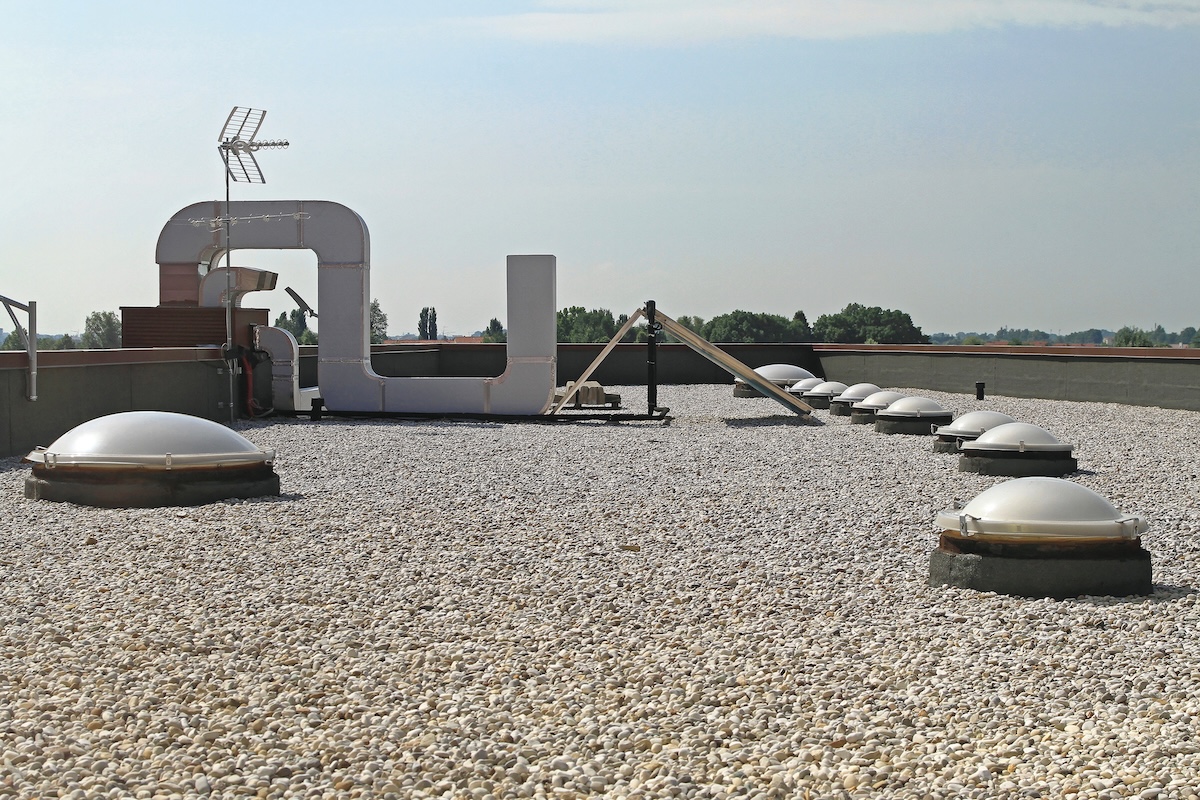

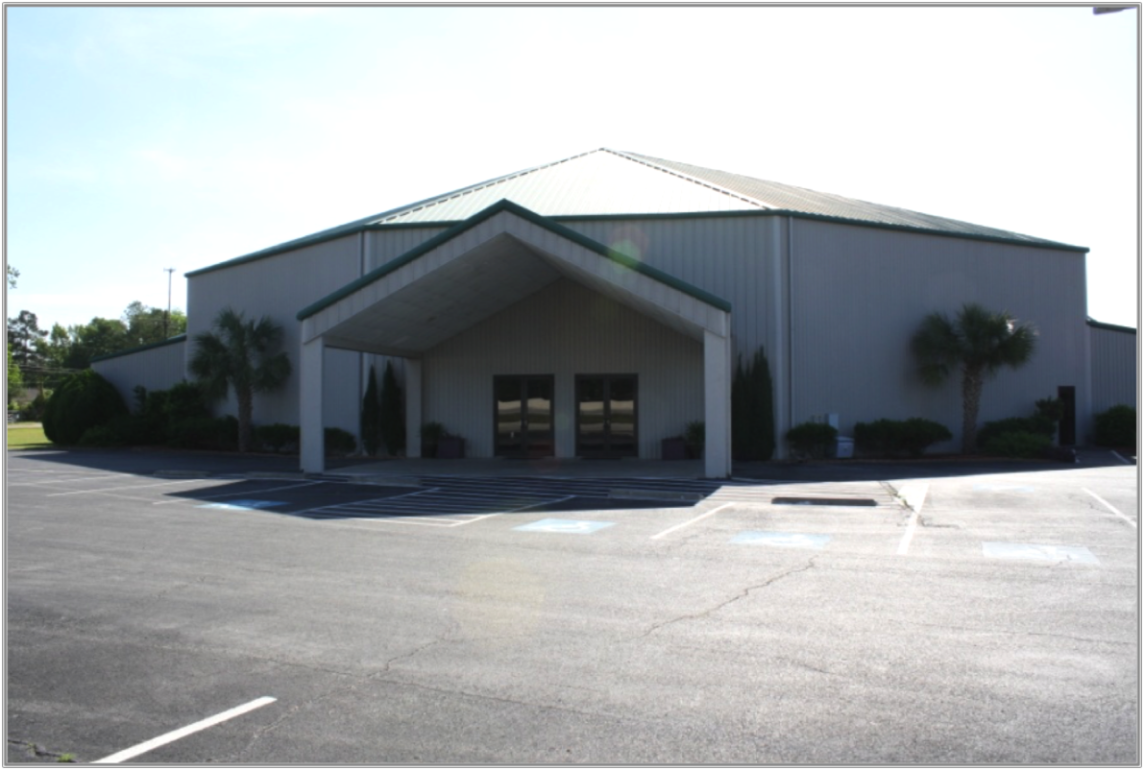
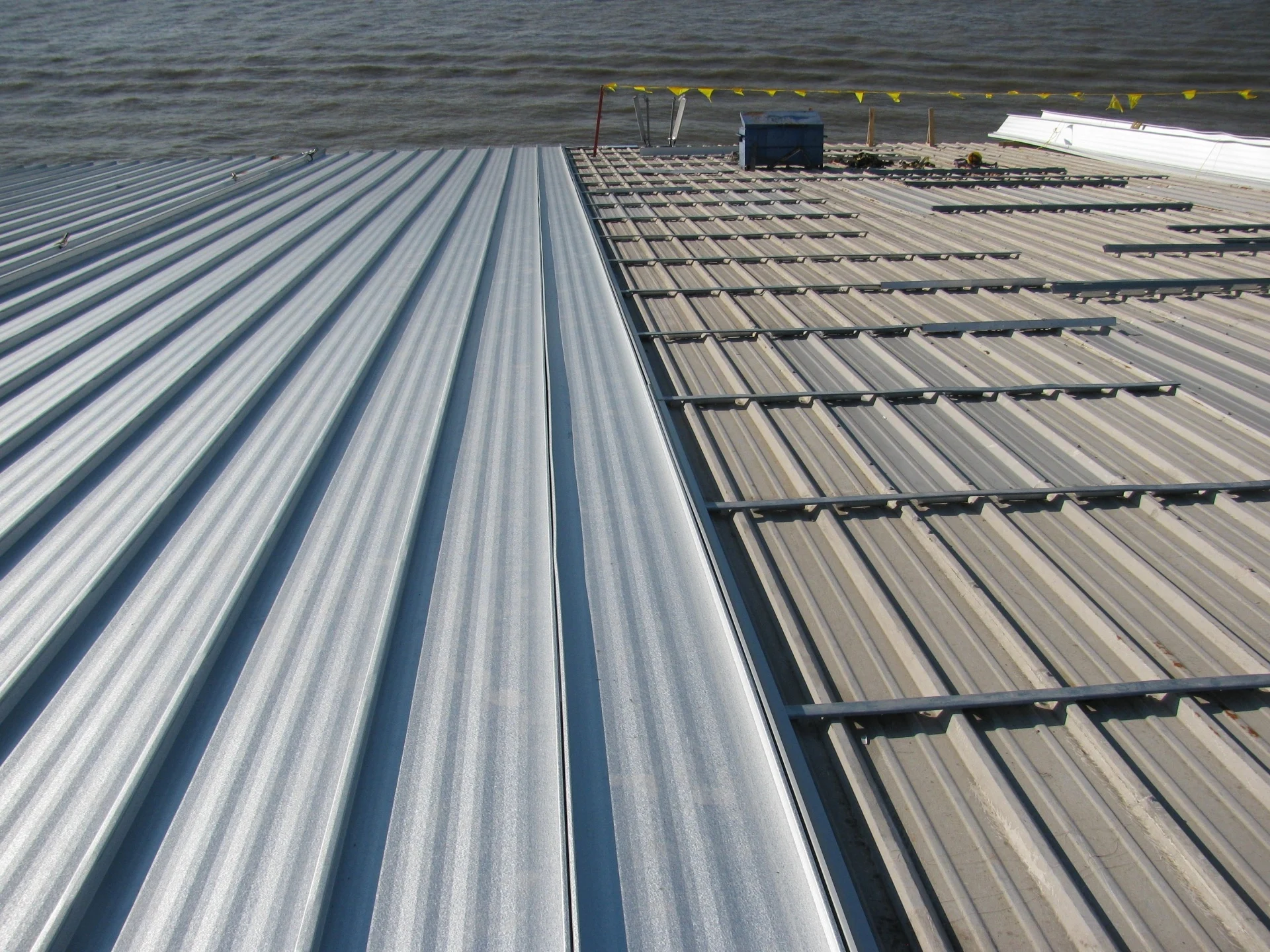
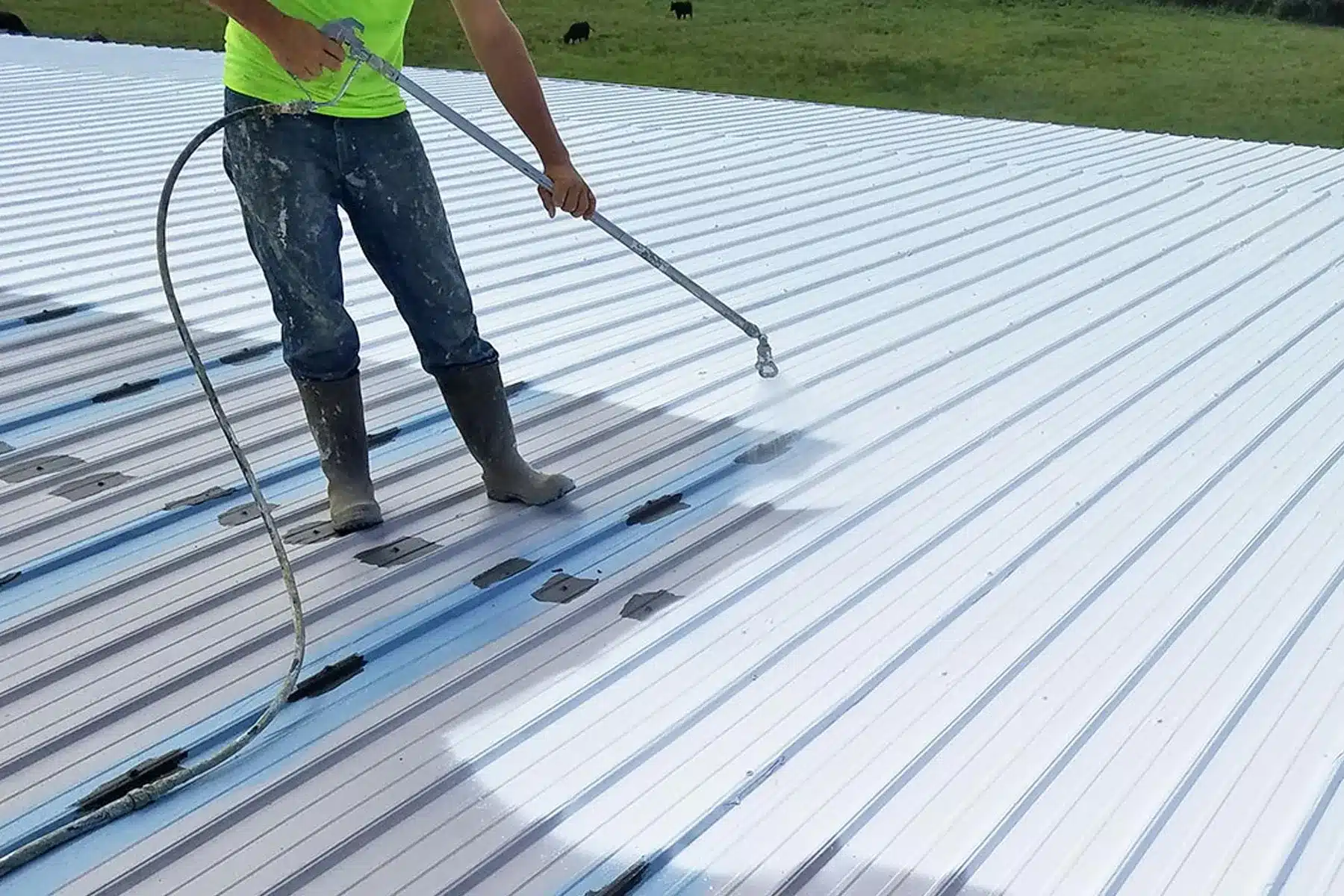
Ballasted roofing — single-ply membrane held down by stone ballast rather than fasteners — exists on Miami commercial buildings built in the 1980s and early 1990s, before the Florida Building Code's HVHZ requirements made ballasted assemblies impractical in most Miami applications. If your building is running a ballasted system, the first assessment question is whether the ballast is still in place and whether the system still has structural integrity.
Ballasted roofing was widely installed on Miami commercial buildings in the late 1970s through the early 1990s because it was fast, inexpensive, and did not require mechanical fasteners through the membrane. The membrane was simply laid loose-laid over the insulation, and gravel or pavers held it down. That system works adequately in low-wind markets — it does not work in Miami-Dade County's HVHZ environment, where sustained hurricane-force winds can lift stone ballast and turn it into projectiles while the unanchored membrane peels back from the building.
Hurricane Andrew (1992) demonstrated ballasted roof failure modes in Miami on a large scale. Buildings with ballasted EPDM and ballasted PVC systems lost significant portions of their roof assemblies as ballast redistributed, membrane lifted at edges, and water infiltration began at unanchored penetrations within hours of peak wind arrival. The post-Andrew FBC HVHZ revisions essentially ended new ballasted single-ply installation in Miami-Dade for most commercial applications — the wind-uplift design requirements that came out of Andrew's damage assessment cannot be met by ballast-only attachment systems at Miami's 185-mph design wind speed.
Our work on ballasted systems in Miami is primarily assessment and replacement scoping. We encounter ballasted roofing on pre-1992 buildings that have not been reroofed since Andrew, on buildings where a partial recover was completed post-Andrew but the original ballasted zone was left in place, and occasionally on newer buildings outside Miami-Dade where the ballasted specification was appropriate but is now being replaced during a capital cycle. Every ballasted system we assess in Miami-Dade receives a structural loading review and an HVHZ compliance evaluation before we scope any remediation.
Why Ballasted Systems Do Not Meet Miami-Dade HVHZ Requirements
The FBC HVHZ wind-uplift design requirement for commercial roofing in Miami-Dade County requires that the roof assembly — membrane, insulation, and attachment — resist the calculated uplift pressures for the building's specific zone, height, and exposure category. Ballast attachment relies on the weight of the stone or pavers to hold the membrane down. For Miami's ASCE 7 Exposure Category D buildings (waterfront and open terrain), and for buildings at any exposure in Miami-Dade's 185-mph design wind zone, the ballast weight required to resist design uplift pressures in corner and perimeter zones is structurally impractical — it would require stone depths and weights that most commercial building structures cannot support.
Ballasted assembly compliance in Miami-Dade requires an NOA that specifically covers the ballasted configuration. Miami-Dade product approvals for ballasted assemblies are limited to a small number of configurations with specific ballast depth and weight requirements that typically apply only to low-exposure, low-height buildings in the field zone only — not at perimeters and corners. Most existing ballasted assemblies in Miami-Dade do not have current NOA coverage that meets HVHZ requirements.
Oolite limestone's low shear strength as a subbase material has contributed to building settlement patterns in Miami-Dade that affect ballasted roof systems. Buildings constructed over fill areas adjacent to Biscayne Bay and Miami Beach have experienced differential settlement that redistributes stone ballast from high points to low points, leaving perimeter zones with reduced ballast coverage and increased hurricane vulnerability. We assess ballast distribution in the inspection of every pre-1992 ballasted system we evaluate.
Structural Load Implications of Ballasted Roofing
Gravel ballast at the standard 10 to 12 pounds per square foot installation depth adds approximately 1,100 to 1,300 pounds per 100 square feet of dead load to the building structure. Concrete paver ballast at typical 2-inch pavers adds 2,000 to 2,500 pounds per 100 square feet. For a 50,000-square-foot Miami commercial building, that is 550,000 to 1,250,000 pounds of additional dead load on the roof structure. Buildings where the ballast has been in place since the 1980s may have structural elements that have been deflecting under this load for 30 to 40 years.
Before specifying the replacement system for a ballasted roof in Miami-Dade, we evaluate the structural implication of removing the ballast load. A building that has deflected under ballast load for decades may have developed camber in concrete structural members — removing the load can produce upward movement at beams and joists that creates cracking at interior ceiling finishes and equipment mounts. We identify this risk in our condition report and recommend structural engineering review before ballast removal on any building where significant deflection is documented.
Replacing ballasted roofing on Miami commercial buildings typically involves a full tear-off of the ballast, the loose-laid membrane, and the insulation board. The deck condition assessment at tear-off is critical — decades of condensation below a ballasted system without a vapor barrier can produce deck corrosion on metal deck buildings that is not detectable without physical inspection. We include deck inspection at tear-off as part of every ballasted system replacement scope.
Replacement System Recommendations for Ballasted Roofs
The appropriate replacement system for a pre-1992 Miami ballasted roof is a mechanically attached or fully adhered single-ply system — TPO, EPDM, or PVC depending on building use — with a three-zone ASCE 7 fastener pattern designed to the current FBC HVHZ wind-uplift requirements. The replacement scope starts fresh: all ballast removed, existing loose-laid membrane removed, insulation assessed for moisture, and deck repaired before the new system begins.
Miami Beach buildings with ballasted roofing face an additional consideration: many Miami Beach commercial properties are on parcels that are now within the city's sea-level rise risk zone for king-tide flooding. The replacement system for these buildings should include drain upsizing, positive drainage slope design, and perimeter details that account for water intrusion from grade — considerations that go beyond the membrane specification itself. We scope replacement on sea-level-risk properties with input from the building's engineer of record on the drainage and perimeter waterproofing strategy.
Frequently asked questions
My building has a pre-1992 ballasted EPDM roof that has not leaked. Do I need to replace it?
Not leaking is a low bar in Miami's context. The HVHZ compliance question is separate from the leak question — a ballasted EPDM roof that has not leaked is still a non-compliant assembly under current FBC HVHZ requirements, and it presents an elevated hurricane risk compared to a properly designed mechanically attached or adhered system. The business decision is whether to proactively replace the system before the next major hurricane event or to run it until failure. We provide the condition report and capital analysis to support that decision — we do not make it for you.
What will it cost to replace a ballasted roof in Miami?
Ballasted roof replacement costs in Miami typically run 10 to 20 percent higher than replacing an existing mechanically attached single-ply system of the same area, because of the ballast removal and disposal cost. Gravel disposal and the additional labor for ballast handling are the primary cost drivers above a standard tear-off. The structural loading impact assessment — whether a structural engineer review is needed before ballast removal — may add cost for buildings with documented settlement or deflection history.
Can pavers from an existing ballasted roof be reused as a roof deck surface?
Concrete pavers from a ballasted roof can be cleaned and reused as a rooftop paver deck over a new waterproofing membrane and pedestal system — this is a different configuration than ballasted roofing and requires a separate structural assessment for the paver deck load. Paver deck installations over waterproofing membranes are a different system category than ballasted single-ply and are addressed separately from the ballasted roof replacement scope.
What Miami-Dade building permit is required to remove and replace a ballasted roof?
Full tear-off and replacement of a ballasted commercial roof in Miami-Dade County requires a commercial roofing permit from either Miami-Dade Building Department or the applicable municipal building department. The permit application must include the NOA for the new system, the wind-uplift design calculations, and the insulation specification to Florida Energy Code requirements. Ballast removal and disposal does not require a separate permit from the roofing permit, but ballast disposed at Miami-Dade solid waste facilities must be classified as construction debris.
Get a ballasted roof condition assessment and replacement scope.
Our project managers will evaluate structural load implications, ballast distribution, deck condition, and HVHZ compliance status — and produce a written replacement scope with NOA documentation.