Parapet Wall Repair
Miami, FL · Services
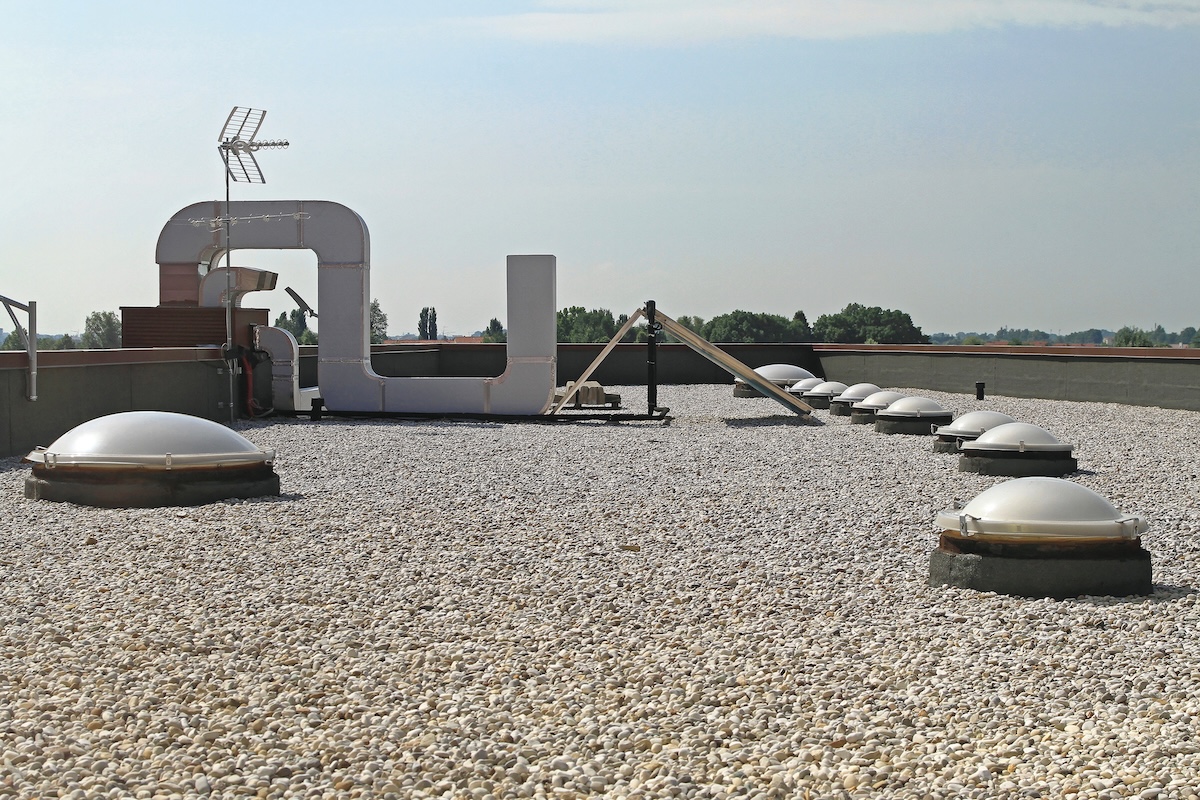

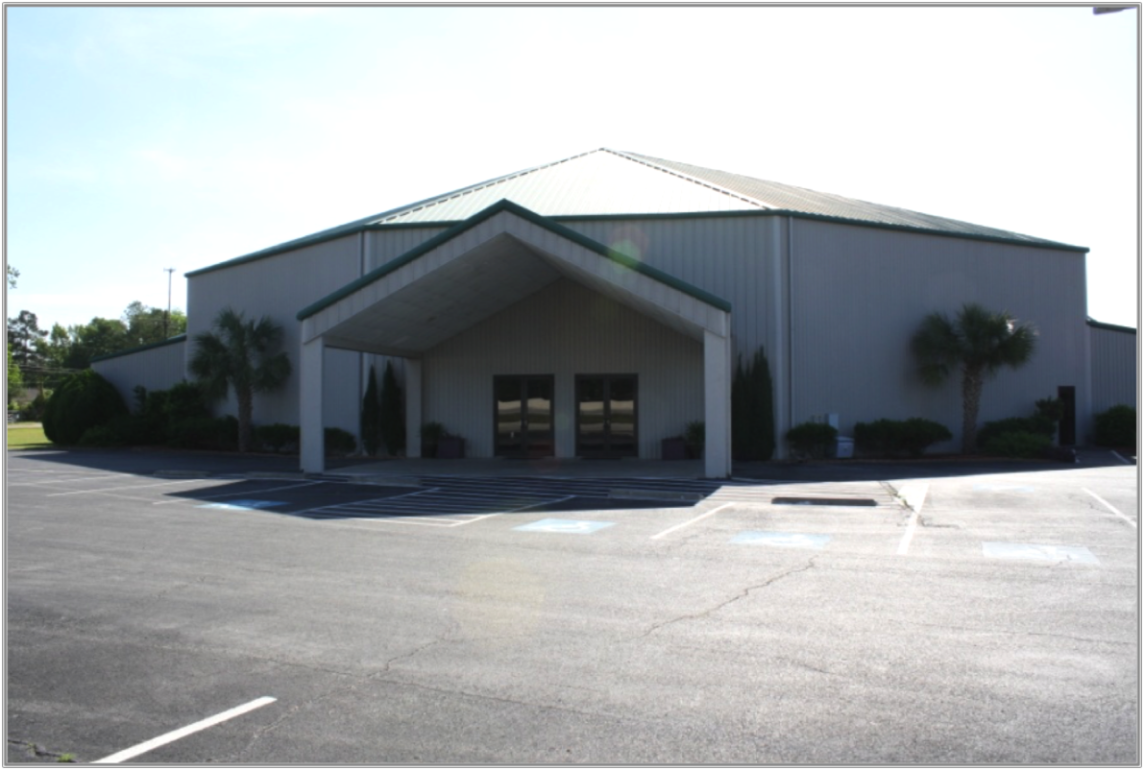
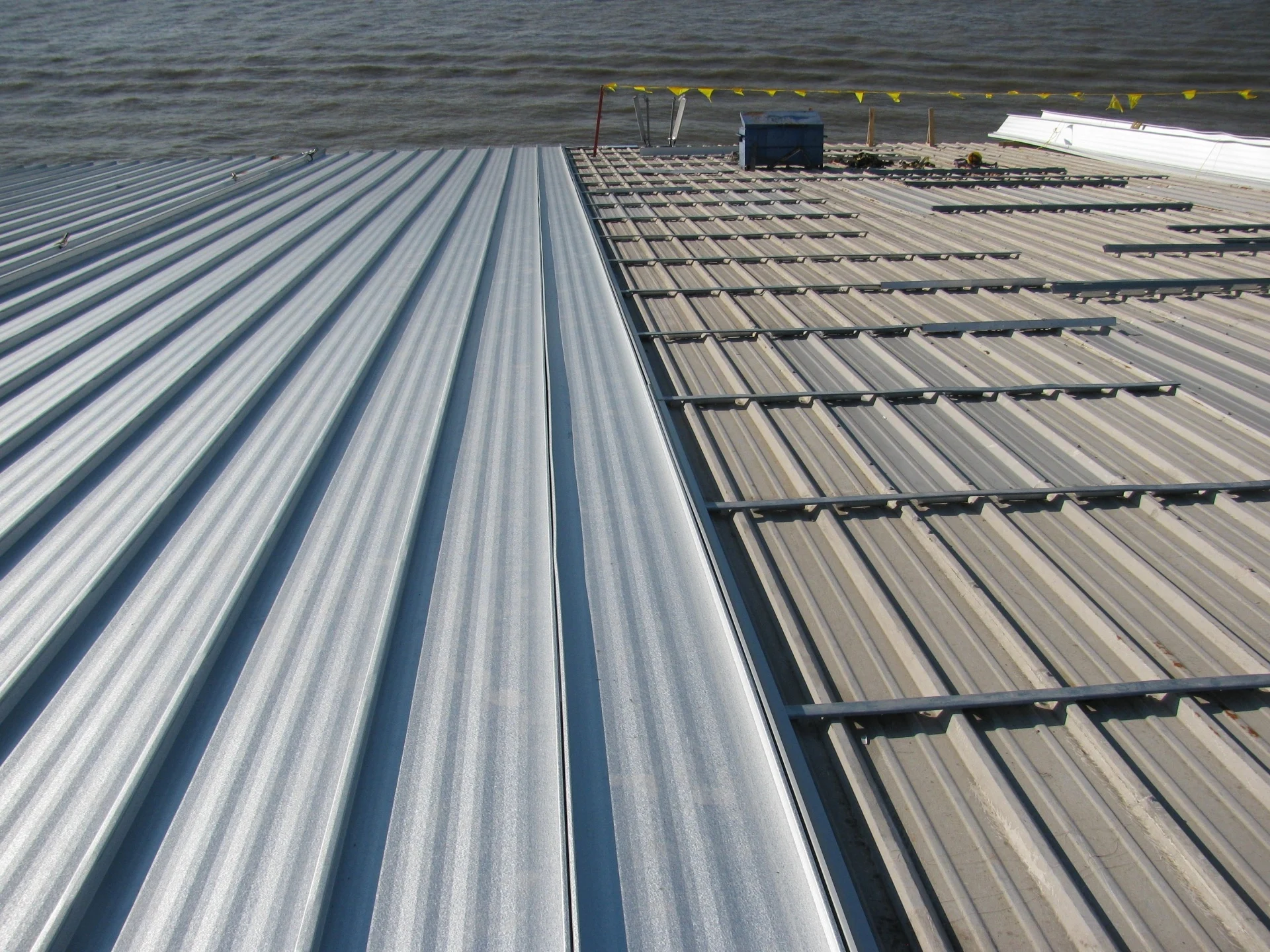
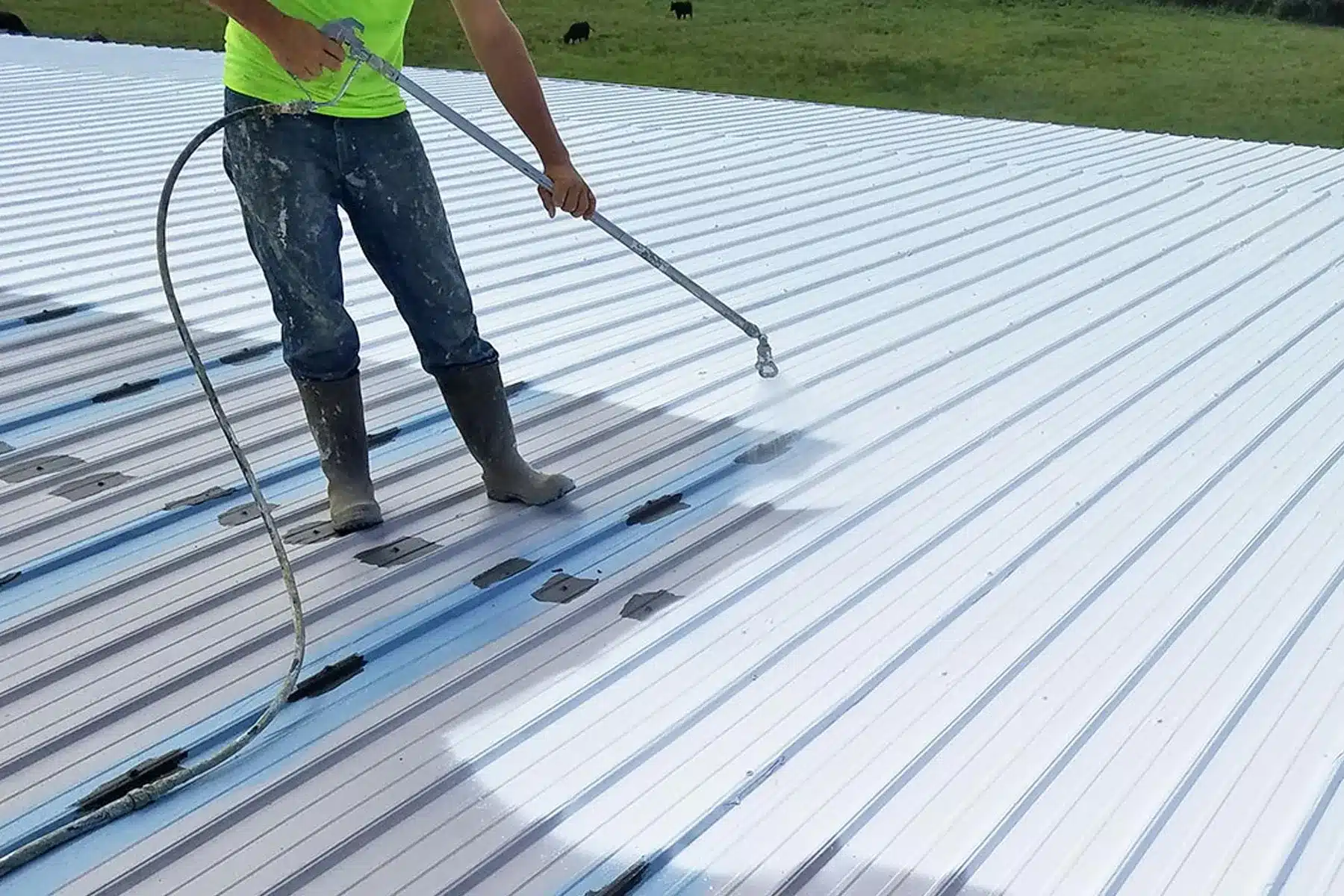
Parapet walls are the single most common hurricane wind-uplift failure initiation point on Miami commercial flat roofs. A parapet cap that has lost its NOA-compliant attachment, or a counterflashing with failed sealant at the reglet, is not just a leak source — it is a peel-initiation point for the entire roof membrane when storm-force winds arrive.
Miami-Dade's post-Andrew building code revisions addressed perimeter and corner zone fastening on roof membranes — but parapet wall details got less attention in the original post-Andrew revisions and have since proven to be a persistent failure point in Miami's commercial building stock. Post-Irma field inspections found parapet cap blow-off, counterflashing pullout, and parapet-wall-to-membrane junction failures across buildings that otherwise met FBC HVHZ requirements for membrane fastening.
Parapet walls in Miami's coastal and bay-adjacent buildings face a specific additional failure mechanism: salt-air-driven masonry deterioration. Concrete masonry parapet walls within a mile of Biscayne Bay or the Atlantic coast experience accelerated carbonation and rebar corrosion. A rebar that is corroding internally expands and cracks the masonry around it — this cracking creates paths for water intrusion at the through-wall flashing level that are not visible until significant deterioration has already occurred inside the wall.
Our parapet repair scope covers the full assembly — masonry condition assessment, through-wall and counterflashing replacement, parapet cap metal replacement with NOA-compliant attachment, and the membrane termination detail at the parapet base. Repairing only the cap while leaving a failed counterflashing in place is a partial repair that does not address the full failure mode.
Parapet Failure Modes in Miami Buildings
Cap metal blow-off: Parapet cap metal in Miami must carry a Miami-Dade NOA approval for the design wind speed at the specific building. Pre-2000 parapet caps — and some post-2000 caps installed without NOA verification — are attached with fastener patterns that do not Cap metal that lifts in sustained high-wind conditions creates a pressure differential that pulls the counterflashing and membrane termination with it. We field-verify existing cap metal attachment and, where attachment does not
Counterflashing and reglet failure: The counterflashing is the metal component that laps over the base flashing (the membrane termination at the parapet wall) and is mechanically attached to the wall above. In Miami's masonry and concrete parapet construction, counterflashings are typically inserted into a reglet — a horizontal cut in the masonry — and sealed with a flexible sealant. Sealant at the reglet joint has a finite service life in Miami's UV and thermal environment. When it fails, water enters the reglet, travels behind the counterflashing, and reaches the base flashing-to-membrane interface. We replace failed sealant and, where the reglet itself is damaged or deteriorated, replace the counterflashing assembly.
Base flashing deterioration: The base flashing is the vertical extension of the roof membrane up the face of the parapet wall, typically extending 8 to 10 inches above the roof field surface. On modified bitumen roofs, base flashings are commonly the first element to fail — the granule surface wears, the bitumen oxidizes in Miami's UV environment, and the flashing delaminates from the wall substrate. On single-ply TPO and EPDM roofs, base flashings can fail at the heat-welded or adhesive-bonded seam where the flashing meets the field membrane. We document base flashing condition separately from counterflashing condition and scope each repair to its actual failure mode.
NOA Compliance for Parapet Cap Metal
Miami-Dade's NOA system covers parapet cap metal and coping systems as a category separate from the roof membrane system. The NOA for a coping or cap metal system specifies the fastener type, fastener spacing, and substrate attachment method that achieves the design wind pressure for the approval. Installing a non-NOA-approved coping system, or installing an NOA-approved system with non-compliant fastener spacing, results in the same outcome: a cap metal system that will not perform as designed under hurricane-force wind conditions.
We specify cap metal replacements using systems with current Miami-Dade NOA approvals. The approval number is documented in the permit application and in the closeout package. For buildings where the existing parapet cap has a current NOA but the attachment pattern is non-compliant (fastener spacing wider than the NOA specifies), we can bring the existing cap into compliance by adding fasteners at the required pattern without full replacement — this is the lower-cost path when the cap material itself is in acceptable condition.
Masonry Condition Assessment at Parapets
Coastal and bay-adjacent Miami buildings — Brickell, Edgewater, Miami Beach, the Venetian Islands — carry elevated masonry deterioration risk from salt spray and marine air. We sound the parapet wall surface with a mallet to locate hollow areas behind the stucco that indicate delamination, and we inspect visible masonry joints for mortar loss and cracking patterns consistent with rebar corrosion-related expansion. Where significant masonry deterioration is found, we include a structural assessment recommendation in the written scope before proceeding with surface repairs.
For parapet walls with active rebar corrosion, surface patching of the stucco finish is not a durable repair — the corrosion will continue internally and reproduce the cracking within two to three years. The correct repair involves exposing the rebar, treating the corrosion, and applying a repair mortar with a corrosion-inhibiting admixture before the stucco finish is reinstated. We scope masonry repairs to the actual failure mechanism, not to a cosmetic surface treatment.
Frequently asked questions
Does parapet repair require a building permit in Miami-Dade?
Parapet cap metal replacement that changes the attachment system generally requires a building permit in Miami-Dade, because the attachment must be documented against NOA requirements. Sealant-only repairs at the reglet and counterflashing joint typically fall below the permit threshold. We evaluate each scope for permit requirement and file accordingly — we do not perform permitted work without a permit.
How do I know if my parapet cap metal meets current HVHZ requirements?
For buildings with post-2000 permit records, the original permit application should document the coping NOA approval number and attachment detail. If that documentation is missing or the building predates 2000, a field inspection that verifies fastener spacing and cap metal condition against the manufacturer's published NOA is the only way to confirm compliance. We perform this inspection and produce a written report documenting whether the existing system meets current FBC HVHZ requirements.
Can you repair parapet walls on buildings in Miami Beach and Coral Gables?
Yes. Both municipalities operate their own building departments, and repair permits in Miami Beach and Coral Gables go through those departments rather than Miami-Dade County. The underlying NOA and HVHZ compliance requirements are the same — all work in Miami-Dade County, regardless of which municipal building department issues the permit, must use NOA-compliant assemblies and must be designed to FBC HVHZ wind-uplift requirements.
Pre-hurricane-season parapet assessment or active repair scope.
Our project managers inspect the full parapet assembly — cap metal, counterflashing, through-wall details, and base flashing — and produce a written scope that addresses the failure at its source.