Logistics Port Roofing
Miami, FL · Industries

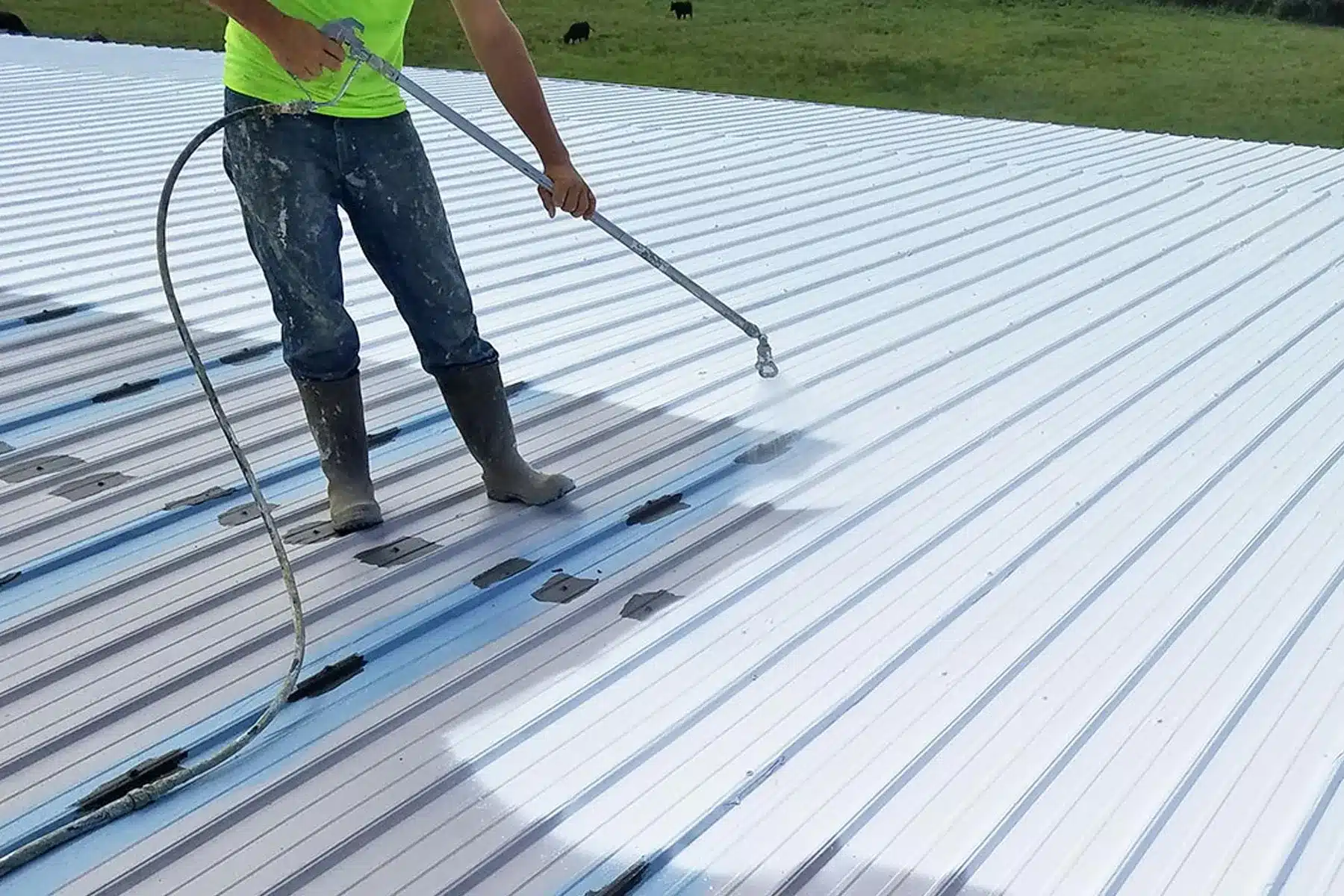
PortMiami is the busiest cruise port on earth and a major cargo gateway. MIA moves more international air cargo than any other U.S. gateway to Latin America. Doral's warehouse and distribution corridors are among the densest in the Southeast. The buildings that support all of it have roofs that cannot go offline — and we know how to work around that.
Logistics and port facilities in the Miami metro share one common characteristic: they do not stop. PortMiami's cargo terminals at Dodge Island operate 24 hours a day, processing container freight between cruise ship turnarounds. Miami International Airport's cargo complex on the north and west perimeter of the airfield runs continuous operations for the passenger and freighter aircraft that make MIA the top U.S. gateway for international freight into Latin America and the Caribbean. The Doral warehouse and distribution corridor — stretching along NW 25th Street, NW 87th Avenue, and the industrial parks adjacent to the airport cargo ramps — operates on a schedule driven by import cutoffs, customs release windows, and retailer delivery mandates that do not accommodate roofing contractor convenience.
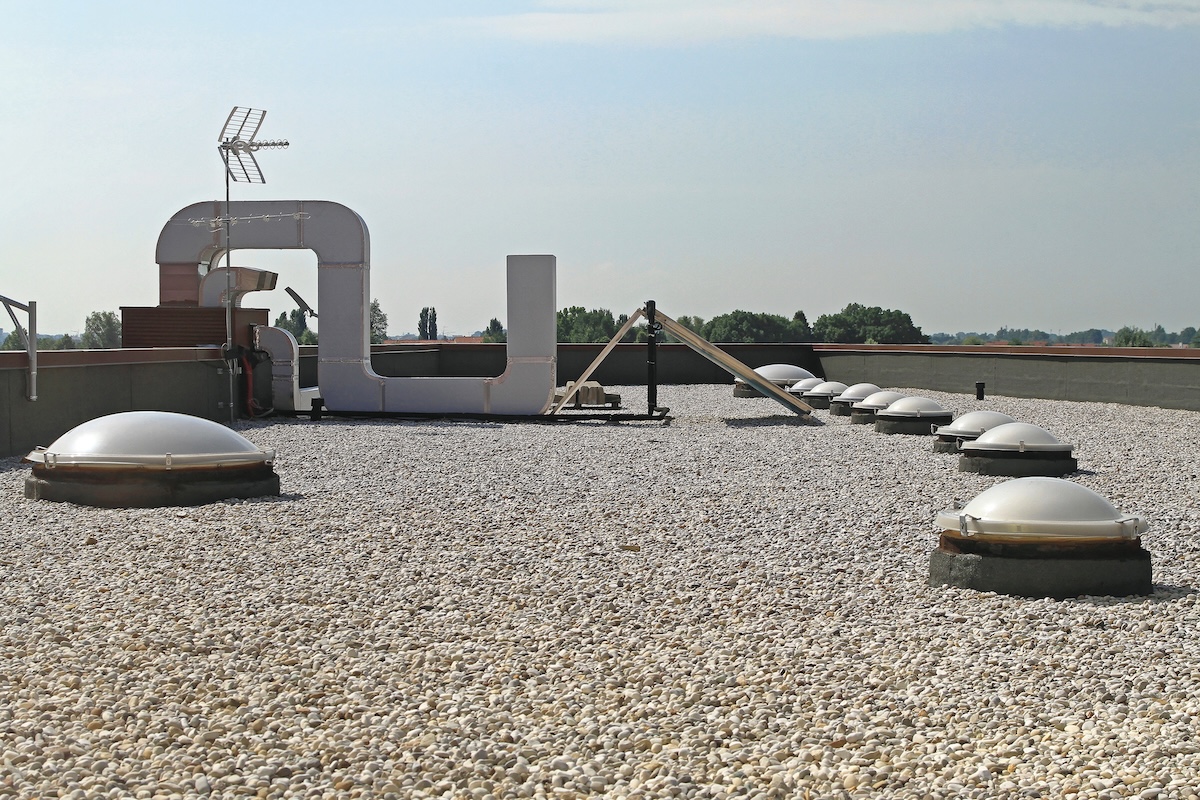
Large-footprint flat roofs are the defining structural characteristic of logistics buildings in this market. A single-story distribution center in Doral might cover 400,000 to 800,000 square feet under a single low-slope membrane. At that scale, the decisions that matter most are the same ones that have always mattered most in South Florida: fastener density in the perimeter and corner zones, drain layout and ponding management, and membrane selection for long service life under Miami's UV intensity and salt-spray environment.
The port and airport environments add variables that typical warehouse roofing in the Doral corridor does not carry. PortMiami's Dodge Island facilities are exposed to direct Biscayne Bay salt spray at a level that accelerates metal component corrosion and requires more frequent membrane inspection than inland warehouse stock. MIA cargo buildings on the airfield perimeter are subject to FAA height restrictions on crane equipment during production, which affects how we sequence tear-off and material delivery.
PortMiami Cargo and Cruise Terminal Roofing
PortMiami's cargo terminals on Dodge Island are operated by multiple terminal operators — the Miami-Dade Seaport Department manages the overall port infrastructure, while individual terminals operate under long-term lease agreements. Roofing work on port-owned terminal buildings goes through the Miami-Dade Seaport Department's capital projects process. We are familiar with the documentation requirements and the coordination protocol for working on an active cargo terminal, including the requirements around heavy equipment staging in areas that share access routes with cargo handling equipment.
The cruise terminal buildings — including the terminals serving MSC, Royal Caribbean, and Celebrity — are among the highest-profile structures at PortMiami. Cruise turnaround days have immovable scheduling constraints: the terminal must be fully functional for passenger embarkation and debarkation on the scheduled turnaround day, regardless of what roofing work is in progress. We plan production phases around the published cruise schedule, working in sections that can be fully dried in between turnaround days, with all construction equipment cleared from access routes before the first passenger coaches arrive.
Biscayne Bay salt-air exposure at PortMiami accelerates corrosion on membrane fasteners, perimeter metal edge, parapet coping, and any exposed metal components at penetrations. Our inspection protocol at port facilities includes checking fastener pull-through at the membrane, metal edge seam condition, and coping cap fastener corrosion — conditions that develop faster at the port than at inland warehouse facilities and that need to be caught before they become full-system failures.
Miami International Airport Cargo Facility Roofing
The MIA cargo complex occupies the north and west perimeter of the airfield, with major facilities operated by cargo handlers including American Airlines Cargo, Lufthansa Cargo, and the various freight forwarders and customs brokers who warehouse cargo in the surrounding industrial parks. MDAD (Miami-Dade Aviation Department) manages the airport cargo building portfolio on MDAD-owned property, with its own capital projects and vendor qualification process.
FAA height restrictions apply to crane equipment operating within the airport influence zone. Before any crane mobilization on MIA cargo facility roofing projects, we file the required FAA Notice of Proposed Construction (Form 7460-1) and obtain FAA determination of no hazard before scheduling crane work. This is not an optional step — unauthorized crane operations within the airport influence zone carry federal penalties. Our project managers handle the FAA filing as part of pre-construction planning.
Cargo facility roofing in the MIA complex also involves coordination with U.S. Customs and Border Protection, which operates inspection facilities in multiple cargo buildings. Work in or adjacent to CBP-controlled areas requires advance coordination with the Port Director's office. We build this coordination into pre-construction planning rather than discovering the access restrictions on the first day of production.
Doral Warehouse and Distribution Roofing
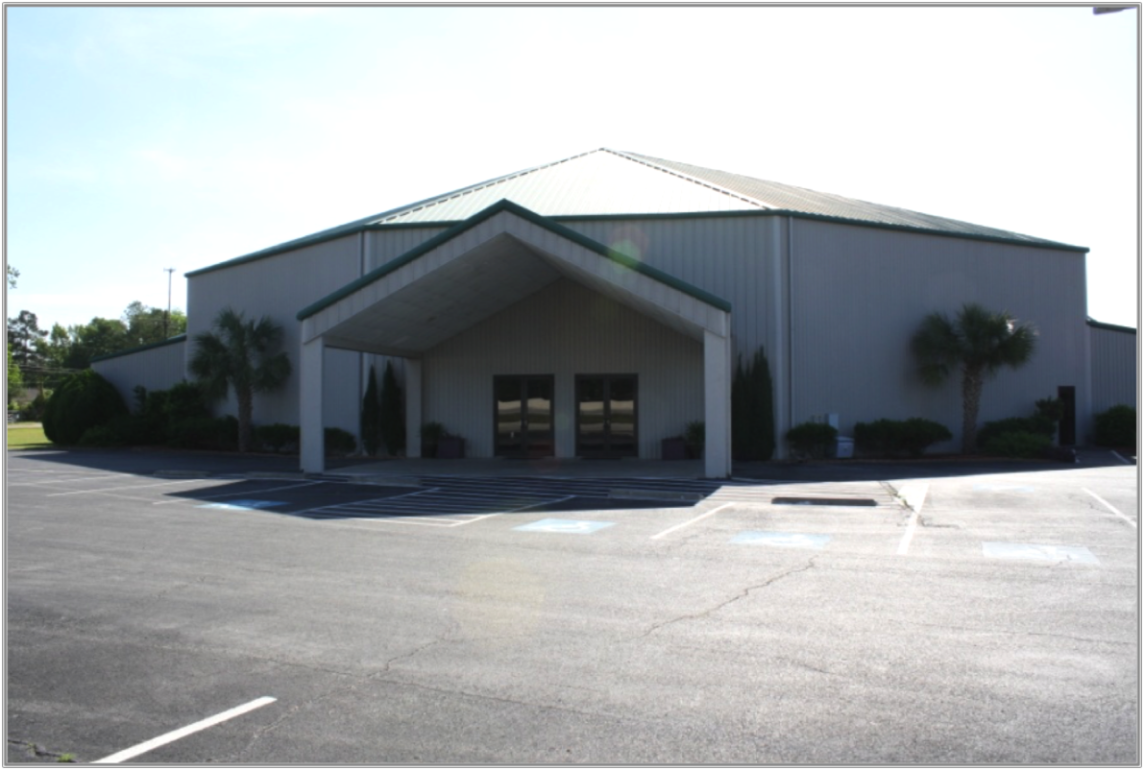
Doral's industrial parks — concentrated along NW 87th Avenue, NW 25th Street, and the corridors adjacent to the Palmetto Expressway and the Florida Turnpike interchange — contain some of the densest logistics real estate in South Florida. Buildings in this corridor range from 50,000-square-foot multi-tenant flex industrial to 600,000-square-foot single-tenant distribution centers. The post-Andrew stock from the mid-1990s through 2005 is the heaviest replacement market — first-generation TPO and EPDM systems that are now 20 to 30 years old.
At large-footprint warehouse scale, the logistical variables that matter most are material delivery sequencing and crane placement. A 500,000-square-foot tear-off produces substantial debris volume that has to move efficiently from the roof to dumpsters positioned at the building perimeter — and those dumpster positions have to account for dock access, truck maneuvering, and the 24-hour delivery schedule of an active distribution center. We plan material flow and debris removal as part of the pre-construction logistics plan, not as a day-of improvisation.
Miami-Dade's afternoon thunderstorm pattern from June through September means production starts at 6 AM and dry-in for each day's tear-off section is complete before 1 PM. At warehouse scale, this requires a larger crew deployed on each section to maintain that same-day dry-in discipline. We staff large-footprint production accordingly.
Wind-Uplift Design for Large Industrial Roofs
Large-footprint single-story warehouse and distribution buildings present specific wind-uplift engineering considerations. The perimeter and corner zone dimensions — which determine the high-fastener-density zones — are calculated as a percentage of the smaller building dimension. On a building that is 800 feet wide by 1,000 feet long, the corner zone represents a proportionally smaller area of the total roof than on a small office building. However, the absolute wind-uplift pressure in those corner zones is the same as for any other building at the same height and exposure category in Miami-Dade.
Parapet walls on warehouse buildings in the Doral corridor are often lower than those on office buildings — sometimes as low as 18 inches above the membrane. Low parapets reduce the structural wind shelter the parapet provides to the perimeter membrane and increase the effective wind-uplift load on the perimeter zone. Our wind-uplift designs account for the actual parapet height, not an assumed standard height.
Frequently asked questions
Can you work around 24-hour cargo operations at PortMiami or MIA cargo facilities?
Yes. We phase production to work around cargo handling operations, with section boundaries planned so that each day's tear-off is dried in before peak cargo movement periods. At PortMiami, we plan around cruise turnaround schedules. At MIA cargo facilities, we coordinate with the cargo handler's operations team to identify shift-change windows and low-traffic periods that allow crane mobilization and material staging without conflicting with active freight movement.
How do FAA height restrictions affect roofing work at MIA?
FAA regulations require notice and clearance for any structure or equipment that penetrates the airport's obstruction surfaces — which in practice means crane work within the airport influence zone. We file FAA Form 7460-1 (Notice of Proposed Construction or Alteration) during pre-construction planning and obtain FAA determination before scheduling any crane mobilization. The clearance process typically takes 7 to 45 days depending on the proposed height and location relative to the airfield.
What membrane system works best for a large Doral warehouse?
For most large-footprint Doral warehouses, 60-mil or 80-mil TPO with mechanical attachment in field zones and enhanced fastening in perimeter and corner zones is the most cost-effective system with the best service life in Miami's climate envelope. EPDM is appropriate for buildings with high foot traffic from rooftop mechanical service. The right answer depends on current deck condition, drain layout, and the owner's capital horizon — we specify after the inspection, not before it.
Do you handle the Miami-Dade permit for large warehouse reroofs?
Yes. We pull all required permits — Miami-Dade Building Department or, for properties in Doral's city limits, the City of Doral's building department. Large warehouse reroofs require NOA documentation, wind-uplift design calculations, and, in some cases, structural engineering sign-off on deck attachment patterns. We assemble the complete permit package and submit it as early as scope is finalized, since Miami-Dade permit review timelines run 3 to 6 weeks.
Get a written roof assessment for your Miami logistics facility.
Our project managers understand the operational, permitting, and scheduling constraints specific to port, airport, and warehouse facilities in Miami-Dade. We will document the condition, scope the replacement or repair, and build a production plan that works around your operations.