International Trade Roofing
Miami, FL · Industries

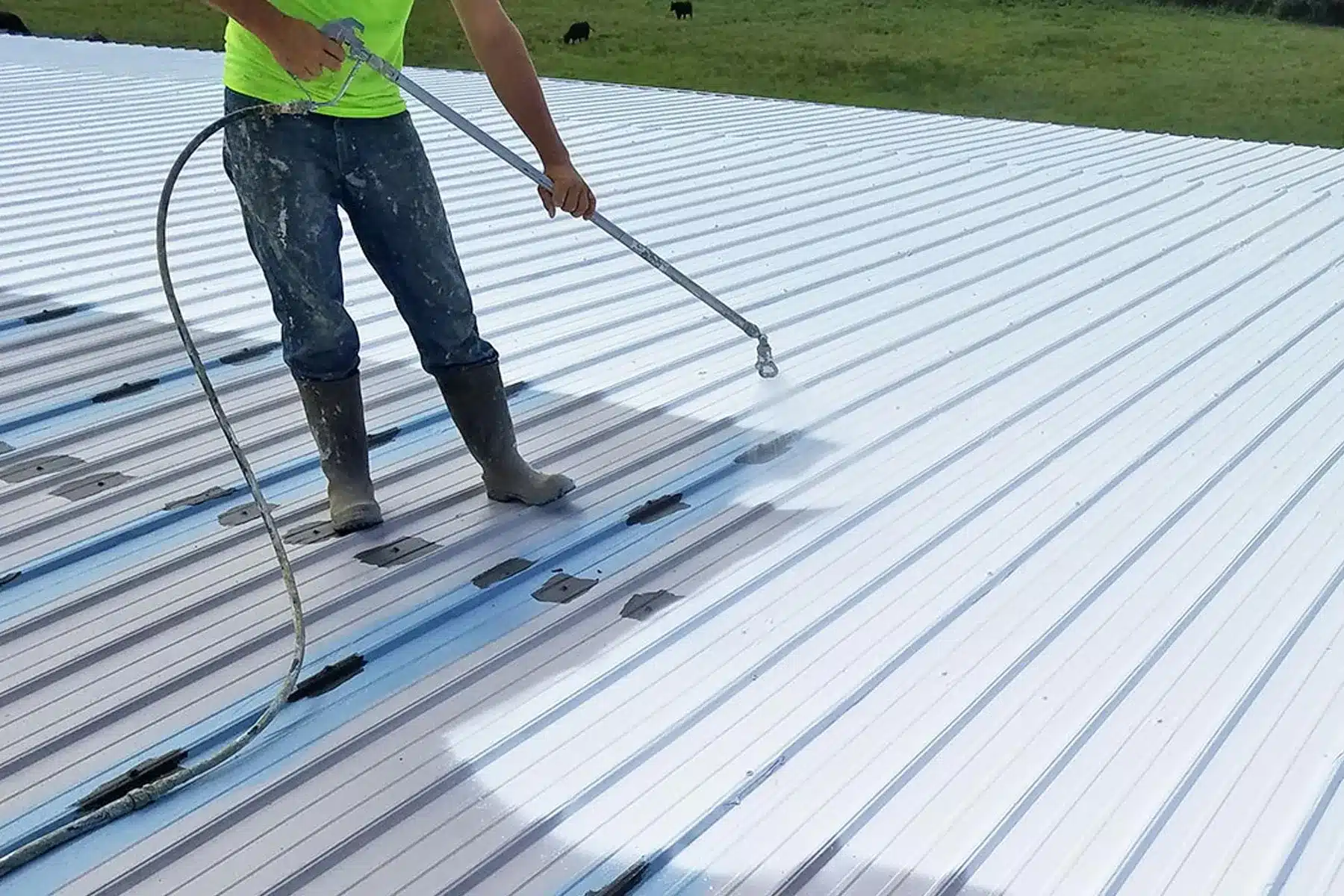
Miami is the gateway for U.S. trade with Latin America and the Caribbean. The customs brokers, freight forwarders, bonded warehouses, and cold storage facilities that make that trade flow operate in buildings with roof assets that cannot tolerate unplanned downtime — and we keep them that way.
Miami's international trade infrastructure is concentrated in three geographic clusters: the industrial parks immediately adjacent to Miami International Airport's cargo complex, the PortMiami support facilities along the Dodge Island access roads and in the NW 7th Avenue and NW 12th Avenue industrial corridors, and the Doral and Medley warehouse districts that serve as the primary inland distribution point for goods moving through both gateways.
The businesses that occupy this real estate — licensed customs brokers, freight forwarders, bonded warehouse operators, cold storage providers, and the trading companies that source goods from Latin America and the Caribbean — operate under regulatory frameworks that make facility downtime unusually costly. A bonded warehouse that has a roof failure affecting its climate-controlled inventory zone faces not just the physical damage but a potential U.S. Customs and Border Protection compliance event if the integrity of the bonded storage area is compromised. A cold storage facility with a leak into its refrigerated zone faces product loss at a rate that can exceed the cost of a full roof replacement in a matter of days.
We understand the operational stakes for international trade facilities in Miami-Dade. The buildings look like standard industrial warehouse work — large footprint, low slope, metal deck, TPO or EPDM membrane — but the operational sensitivity is significantly higher. Our inspection protocol and maintenance contract scope for international trade facilities specifically addresses the sections above cold storage zones, bonded storage areas, and high-value import staging areas, prioritizing those sections in the annual inspection cadence and in emergency response.
MIA Cargo Complex and Airport-Adjacent Trade Facilities
The industrial parks on NW 72nd Avenue, NW 67th Avenue, and the Palmetto Expressway frontage north and west of MIA contain a dense concentration of customs brokers, freight forwarders, and cargo consolidators. These buildings range from the single-story warehouse suites occupied by individual brokers to the large multi-tenant cargo buildings operated by freight handling companies. The air cargo volumes moving through MIA — the airport handles more than 2 million metric tons of cargo annually, the majority destined for or arriving from Latin America — support a large support infrastructure that needs functional, maintained facilities.
Air cargo facilities that are in the FAA influence zone and within MIA's approach and departure paths carry the same crane height restriction requirements as the cargo buildings on the airfield perimeter. Pre-construction FAA clearance is required for crane work above the height threshold — we handle this as a standard pre-construction step for any project in the MIA influence zone.
Cold chain facilities adjacent to MIA — the refrigerated warehouses that handle fresh produce, flowers from Colombia and Ecuador, and pharmaceutical freight — require particular attention to the roof membrane's integrity above refrigerated zones. Condensation patterns on the underside of roof decking above cold storage zones can accelerate deck corrosion from below in ways that are not visible from the roof surface. Our inspection protocol on cold chain facilities includes deck inspection ports above refrigerated zones to verify deck condition from the underside.
Doral and Medley Trade Warehouse Roofing
Doral and Medley serve as the inland staging area for goods that arrived through PortMiami or MIA and are being consolidated, repackaged, or transshipped onward to other U.S. destinations or back through the port. The bonded warehouse and free trade zone facilities in this corridor operate under CBP bond requirements that impose specific facility integrity standards.
Bonded warehouse operations require that the facility maintain the integrity of the bonded storage area at all times. A roof failure that allows water intrusion into the bonded storage zone creates a compliance reporting obligation with CBP in addition to the physical damage. Our emergency response protocol for bonded warehouse clients prioritizes same-day dry-in on the affected section and provides written documentation of the emergency repair scope in a format that can accompany the CBP incident report if one is required.
Trade goods in Doral warehouses are disproportionately high-value consumer goods, electronics, and perishables — cargo categories where water damage causes a higher loss per square foot than standard general merchandise. Our condition report for international trade warehouses quantifies the estimated loss exposure per square foot of unprotected roof area, which helps building owners frame the cost-benefit of deferred maintenance versus proactive replacement in terms that connect to their operational risk.
Cold Storage and Refrigerated Warehouse Roofing
Cold storage roofing in Miami carries specific technical requirements that differ from standard commercial flat roofing. The roof assembly above refrigerated spaces must include a vapor retarder positioned to prevent warm, humid Miami air from migrating into the assembly toward the cold deck surface — where it would condense and saturate the insulation. Standard commercial roof assemblies designed for ambient-temperature buildings do not address this vapor drive correctly.
We specify cold storage roof assemblies with appropriate vapor retarder placement and verify the assembly against the NOA for the complete system, including the vapor control layer. This is a detail that matters significantly more in Miami's high-humidity climate than in cold northern markets — the vapor drive from Miami's outdoor air toward a refrigerated roof deck is among the highest in the country. An incorrectly specified cold storage roof assembly in Miami will have saturated insulation within a few years of installation regardless of how well the membrane is performing.
Rooftop refrigeration condensing units add to the penetration count and the maintenance obligation on cold storage roofs. Each condensing unit curb is a potential water intrusion point, and the refrigerant line penetrations require specific NOA-compliant flashings. We include all condensing unit curb flashings and refrigerant line penetrations in the replacement scope as standard items — not as add-ons discovered after the membrane is already off the roof.
Latin American Trade Community and Multilingual Communication
Miami's international trade community is heavily Latin American — Brazilian trading companies, Colombian freight operators, Venezuelan logistics firms, and Peruvian importers all have Miami operations. Many building owners and facility managers in Miami's international trade sector prefer to conduct business in Spanish or Portuguese, and documentation in their preferred language is often useful for maintenance records that also go to operations teams in Latin America.
Our project managers include Spanish-speaking staff, and we can provide condition reports, pre-construction notices, and maintenance contract documentation in Spanish on request. This is a practical accommodation for a market where the client base is genuinely multilingual, not a marketing point.
Frequently asked questions
What happens if a roof leak affects a bonded warehouse storage area?
A water intrusion event in a bonded warehouse storage area creates a CBP compliance obligation in addition to the physical damage. Our emergency response for bonded warehouse clients prioritizes same-day dry-in and provides written documentation of the emergency scope — repair method, area affected, and time of emergency dry-in completion — in a format that can accompany the CBP incident report. We do not treat the documentation obligation as a separate service; it is part of the emergency response on the first call.
How do you handle roof assemblies above refrigerated cold storage zones?
Cold storage roof assemblies require vapor retarder placement that is positioned to prevent Miami's warm, humid ambient air from migrating into the assembly toward the cold deck surface. We specify the vapor control layer position and the insulation stack based on the refrigerated temperature zone, verify the complete assembly against the current Miami-Dade NOA, and document the specification in the permit application and the closeout package.
Do you need FAA clearance for roofing work near MIA?
For crane work that exceeds FAA height thresholds within the MIA influence zone, yes. We file FAA Form 7460-1 during pre-construction planning and obtain FAA determination before scheduling any crane mobilization. The clearance process typically takes 7 to 45 days. We build this timeline into the project schedule and submit the FAA notice as early as the crane height and location are confirmed.
Can you provide documentation in Spanish for our operations team in Latin America?
Yes. Condition reports, maintenance contract documentation, and pre-construction notices are available in Spanish on request. Our project managers include Spanish-speaking staff for field coordination and client communication. For Portuguese, we can arrange translation of standard documentation on request.
Get a written roof assessment for your Miami international trade facility.
We document current condition, cold storage assembly compliance, and emergency response protocols in one written report — in English or Spanish — so your operations team knows where the risks are before the next hurricane season.