Commercial Roofers in Brickell
Miami, FL · Service Areas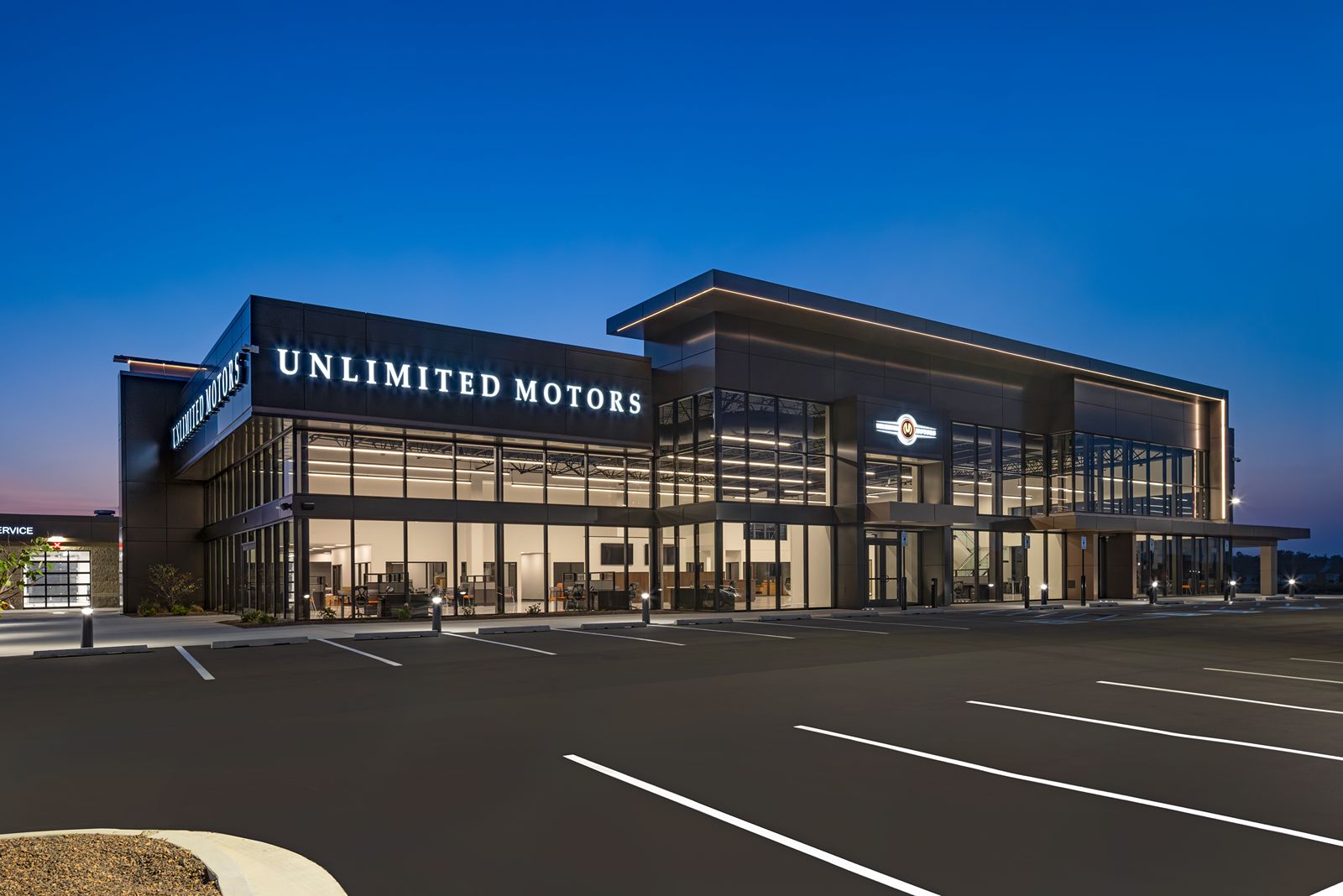
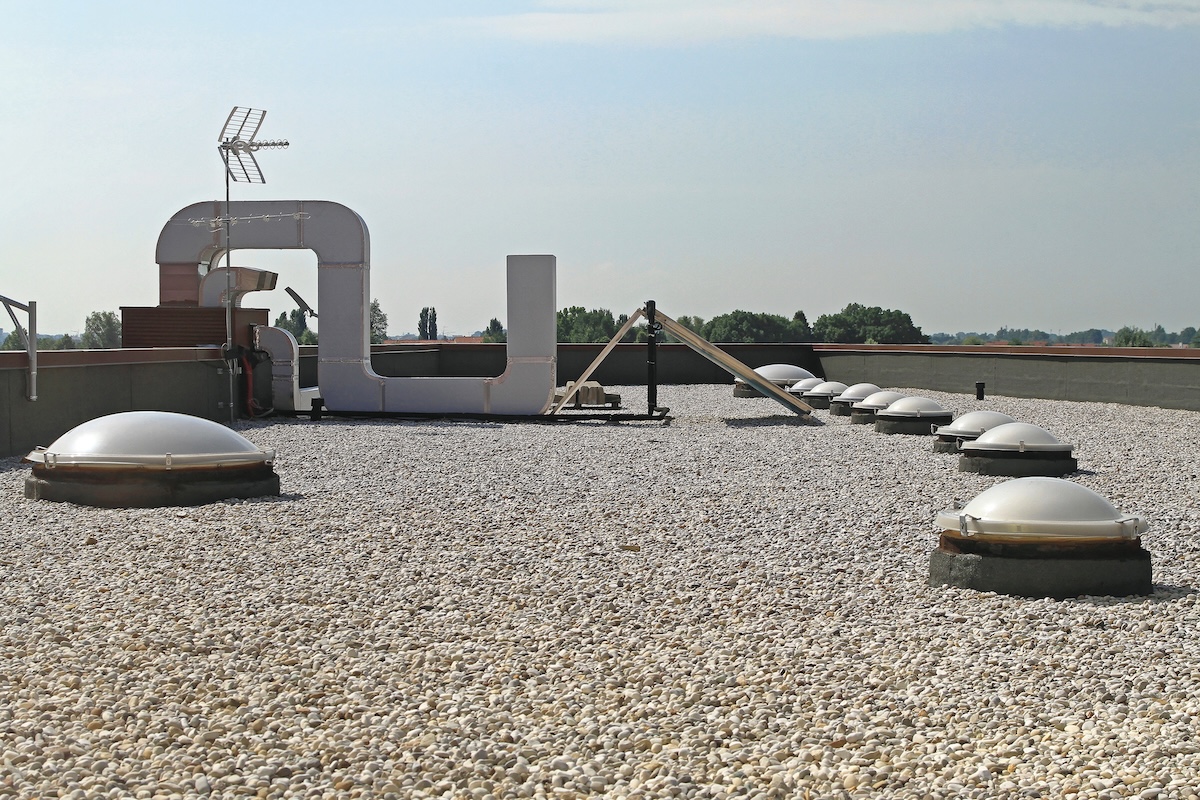
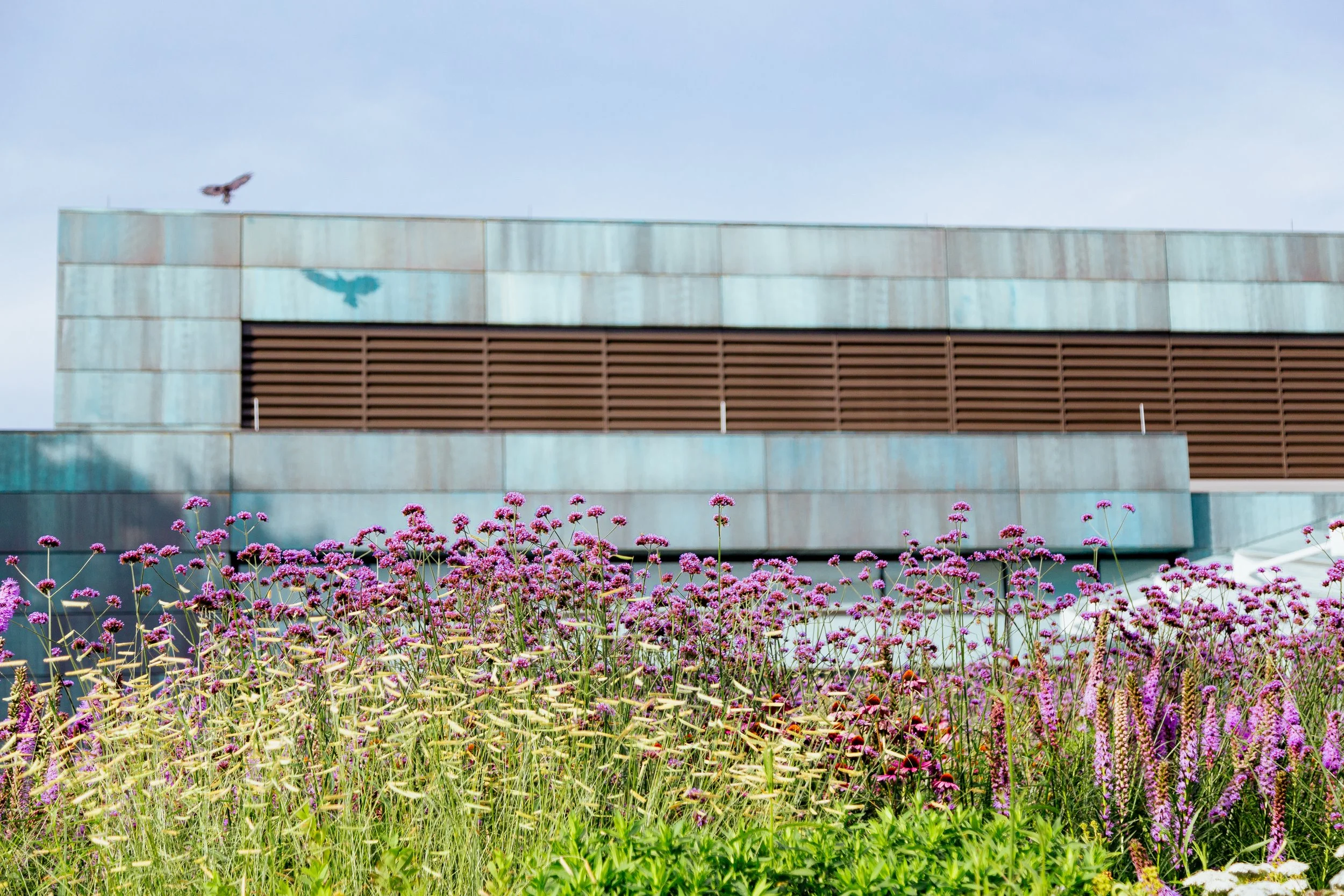
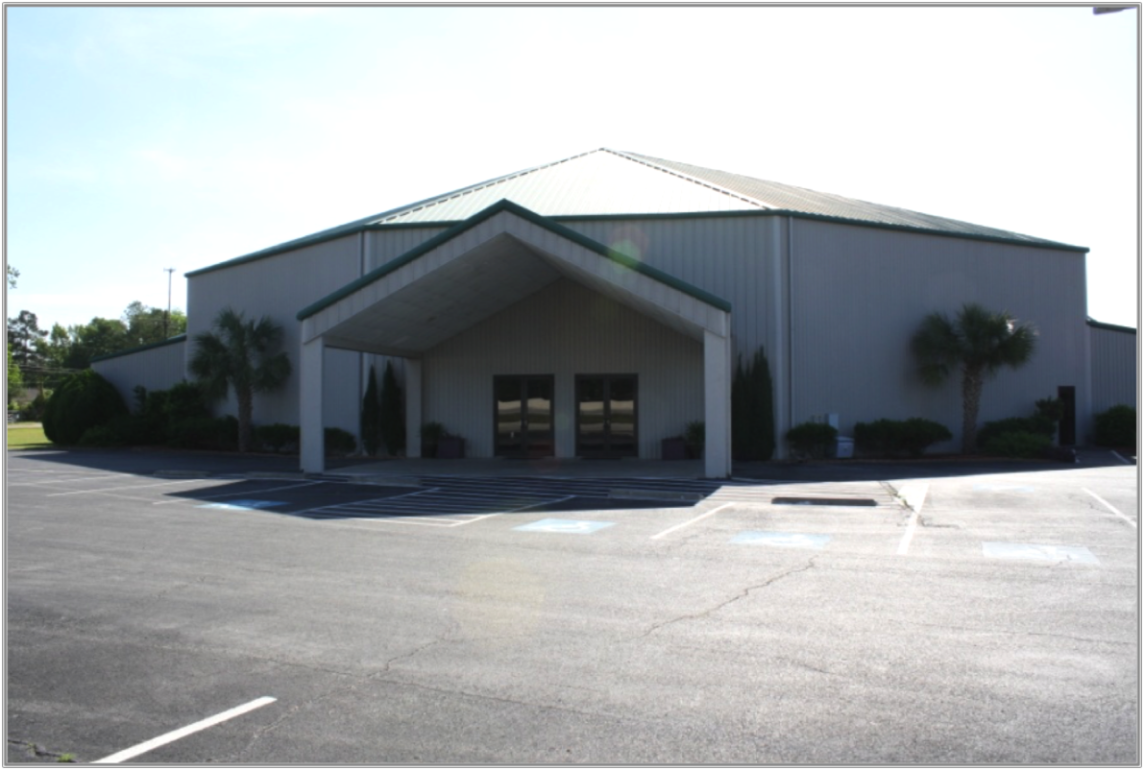
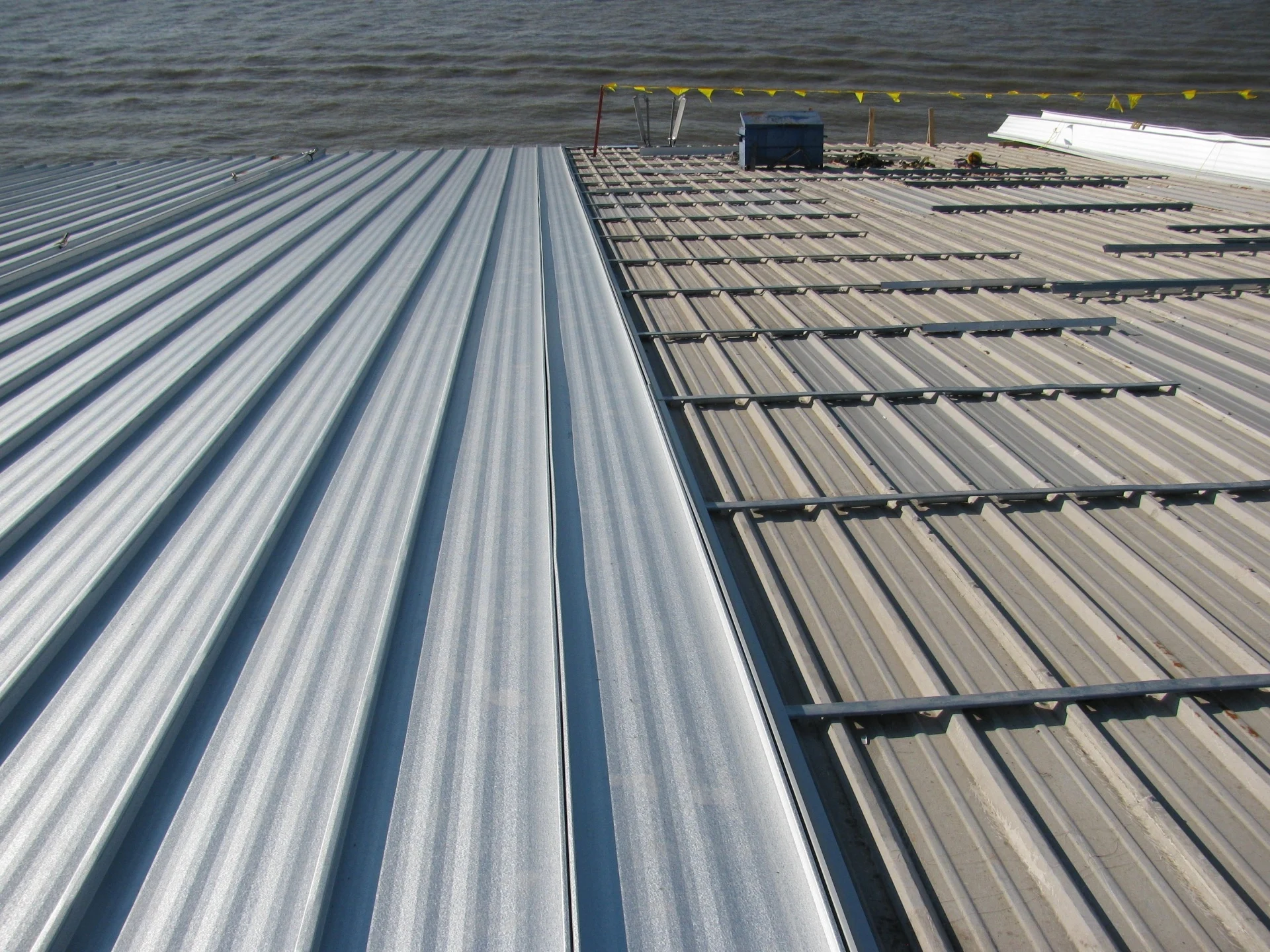
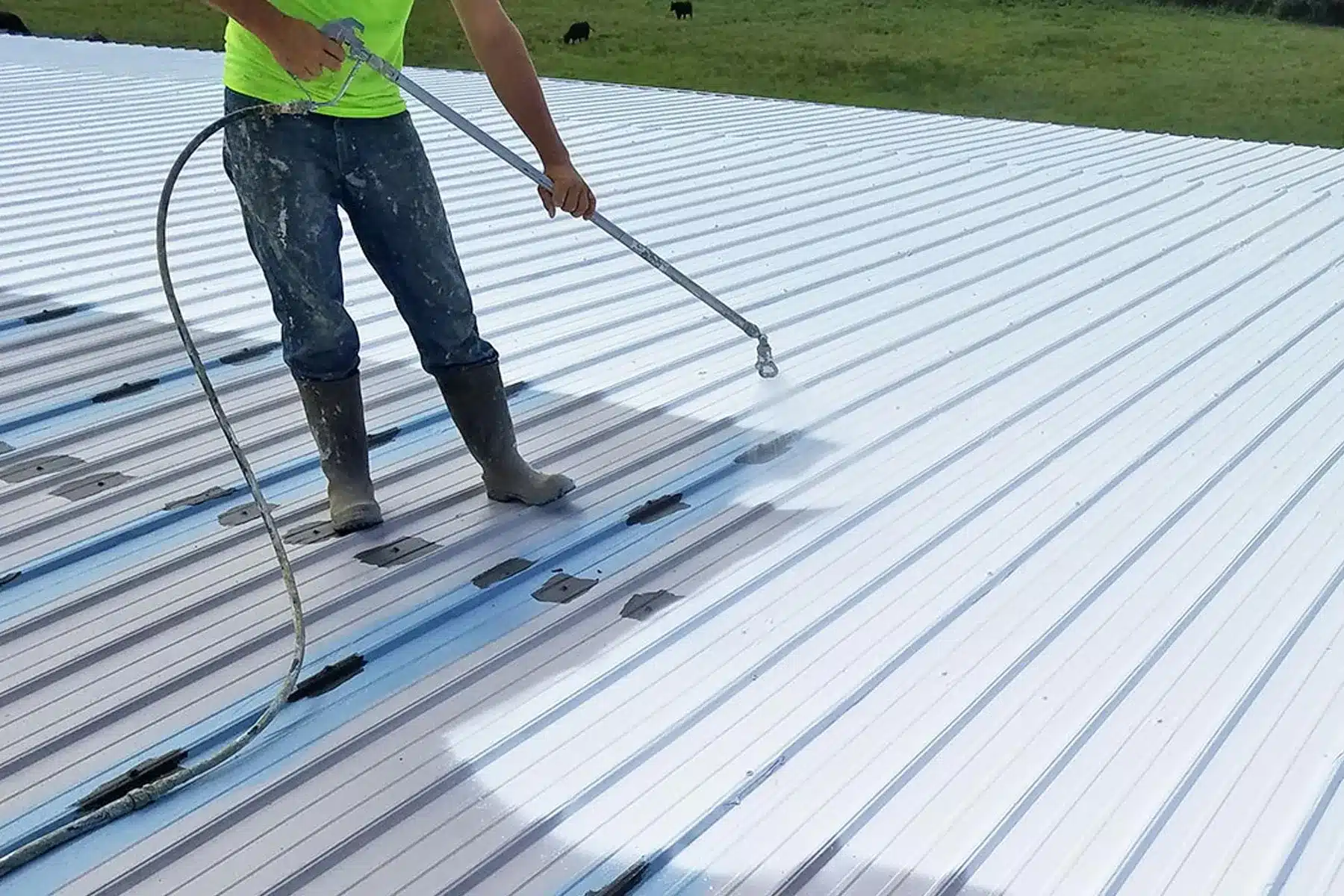
Commercial roofing in Brickell should begin with a documented assessment of membrane condition, seams, flashings, drainage, penetrations, and moisture before repair, coating, or replacement is selected. Brickell is Miami's financial district and the most rapidly densifying commercial corridor in the city. The Brickell Avenue corridor from the Rickenbacker Causeway to SE 15th Road carries Class A and B office towers, luxury mixed-use residential-commercial high-rises, and hotel properties built in three distinct waves: the 1980s office towers, the post-2000 mixed-use construction, and the post-recession wave from and SW 1st Ave.
High-rise roofing in Brickell is operationally distinct from low-rise commercial work. Rooftop mechanical penthouse structures, occupied rooftop terraces, and Biscayne Bay-facing roof surfaces with open coastal exposure create a different set of specification and scheduling requirements. Crane permits on Brickell Ave or SE 8th Street require coordination with Miami-Dade's right-of-way management office, and in some cases require traffic management plans. We handle this coordination as part of every Brickell high-rise pre-construction plan.
Our office location in Brickell means emergency dry-in response times here are the shortest we offer anywhere in the Miami metro. When a leak call comes in from a building on Brickell Ave or in the surrounding financial district, our project managers can be on-site within 60 to 90 minutes during business hours — before the water reaches occupied floors.
Brickell Avenue Class A Office Towers
The Class A office towers along Brickell Avenue — including 1221 Brickell, 1000 Brickell, 701 Brickell, and the cluster of financial services buildings in the 600 and 800 blocks — were built predominantly in the 1980s and 1990s. Their first-generation TPO and EPDM roof systems are at or past manufacturer warranty life. Many have had one or more membrane recovers. The insulation condition on buildings that have had partial recovers without full tear-off is the key variable in scoping the next replacement: wet insulation that was recovered over is the most common source of accelerated membrane failure on these buildings.
Occupied Class A office buildings in the financial district have facility management teams that expect detailed pre-construction documentation — tenant notification timelines, parking and ingress plans, daily production updates, and noise-window commitments. Rooftop HVAC maintenance windows, which are typically managed by the building's engineering staff, must be coordinated with roofing production schedules to avoid conflicts at equipment curbs and mechanical penthouse access points.
Brickell's Class A buildings have sophisticated building management systems that monitor rooftop conditions, HVAC performance, and leak detection sensors. We document every penetration and equipment curb repair against the building's existing BMS zone map where one is provided, so the building's engineering team can correlate future sensor alerts with our repair history.
Post-2012 Mixed-Use High-Rise Towers
The mixed-use residential-commercial towers built in Brickell from 2012 through the present — SLS Lux, Brickell Flatiron, Echo Brickell, and dozens of others under various project names — are in early maintenance cycles. Their roof systems are 5 to 12 years old, early enough that manufacturer warranties are often still active but late enough that the first scheduled maintenance inspections are due or overdue.
Active manufacturer warranties on these buildings require documented annual maintenance inspections as a condition of warranty continuance. A lapsed maintenance inspection can void the warranty — leaving the building owner unprotected on a roof system that still has 10 to 15 years of expected service life. We provide maintenance inspection documentation in the format that each major manufacturer's warranty desk requires, and we track inspection due dates for buildings on our maintenance accounts.
Occupied high-rise roofing in the post-2012 Brickell towers involves coordination with building management on rooftop access protocols, occupied floor noise restrictions, and the loading and staging logistics for high-rise material delivery. Many of these buildings have rooftop amenity decks — pool decks, lounge terraces, and rooftop bars — that require temporary protection and access restriction during maintenance and repair operations.
Biscayne Bay Coastal Exposure
Brickell's position along Biscayne Bay puts every building in the coastal exposure category for wind-uplift design. Bay-facing roof surfaces — particularly on towers oriented with the long elevation facing east toward the Bay — see the highest uplift pressures in the perimeter and corner zones. This is a ASCE 7 Exposure Category D designation for buildings with direct water exposure, which requires the most conservative fastener density calculations.
Salt-air corrosion accelerates in the Brickell Bay corridor. Perimeter copings, drain clamping rings, and rooftop mechanical equipment housings on buildings within one to two blocks of the Bay show measurably accelerated corrosion relative to inland Brickell buildings. We specify marine-grade fasteners and corrosion-resistant edge metal systems on Bay-adjacent replacement projects, and we document corrosion evidence in inspection reports with enough specificity that the building's capital planning team can incorporate corrosion-related replacement cycles into the asset management schedule.
Frequently asked questions
How quickly can you respond to an emergency leak in Brickell?
Our office is in Brickell at . Emergency dry-in response to Brickell buildings is typically 60 to 90 minutes during business hours. We do not dispatch a crew first and assess later — a project manager is on-site before the crew to assess the scope and direct the response.
Can you work on occupied high-rise buildings with rooftop amenity decks?
Yes. Rooftop amenity decks — pool decks, terraces, and rooftop bars — require temporary protection plans and defined access restriction windows during work. We include rooftop amenity protection plans in pre-construction documentation and coordinate the access restriction schedule with the building's property management team.
How do you handle crane permits on Brickell Avenue?
Crane operations on Brickell Ave and adjacent streets require Miami-Dade right-of-way permits and, in most cases, a traffic management plan reviewed by Miami-Dade DTPW. We secure right-of-way permits as part of pre-construction planning, not after the crane is already scheduled. We also coordinate crane lift windows with the building management to minimize the time street lanes are restricted.
Our Brickell building has an active manufacturer warranty — what does annual maintenance require?
Most major TPO and EPDM manufacturer warranties require an annual documented inspection by an authorized contractor, submitted to the manufacturer's warranty desk within 30 days of the inspection. The inspection must cover drains, penetration flashings, parapet flashings, membrane lap seam condition, and any post-installation repairs. We provide the inspection documentation in the format each manufacturer's warranty desk requires and file it on your behalf.
Brickell commercial roof inspection, maintenance, or replacement scope.
We are in Brickell. Our project managers will be on your roof within a business day for non-emergency assessments, and within 90 minutes for emergency dry-in calls. Written scope, NOA documentation, and warranty compliance reporting included.