Cool Roof Systems
Miami, FL · Roof Systems
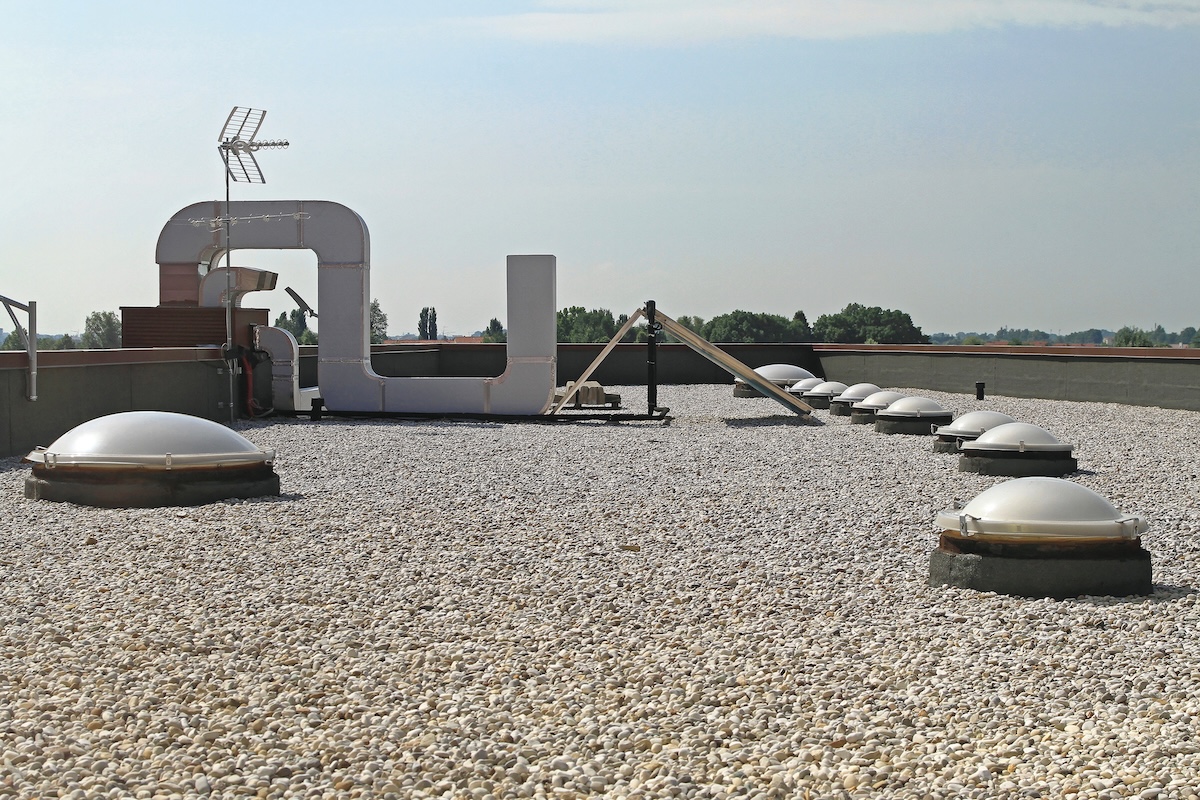
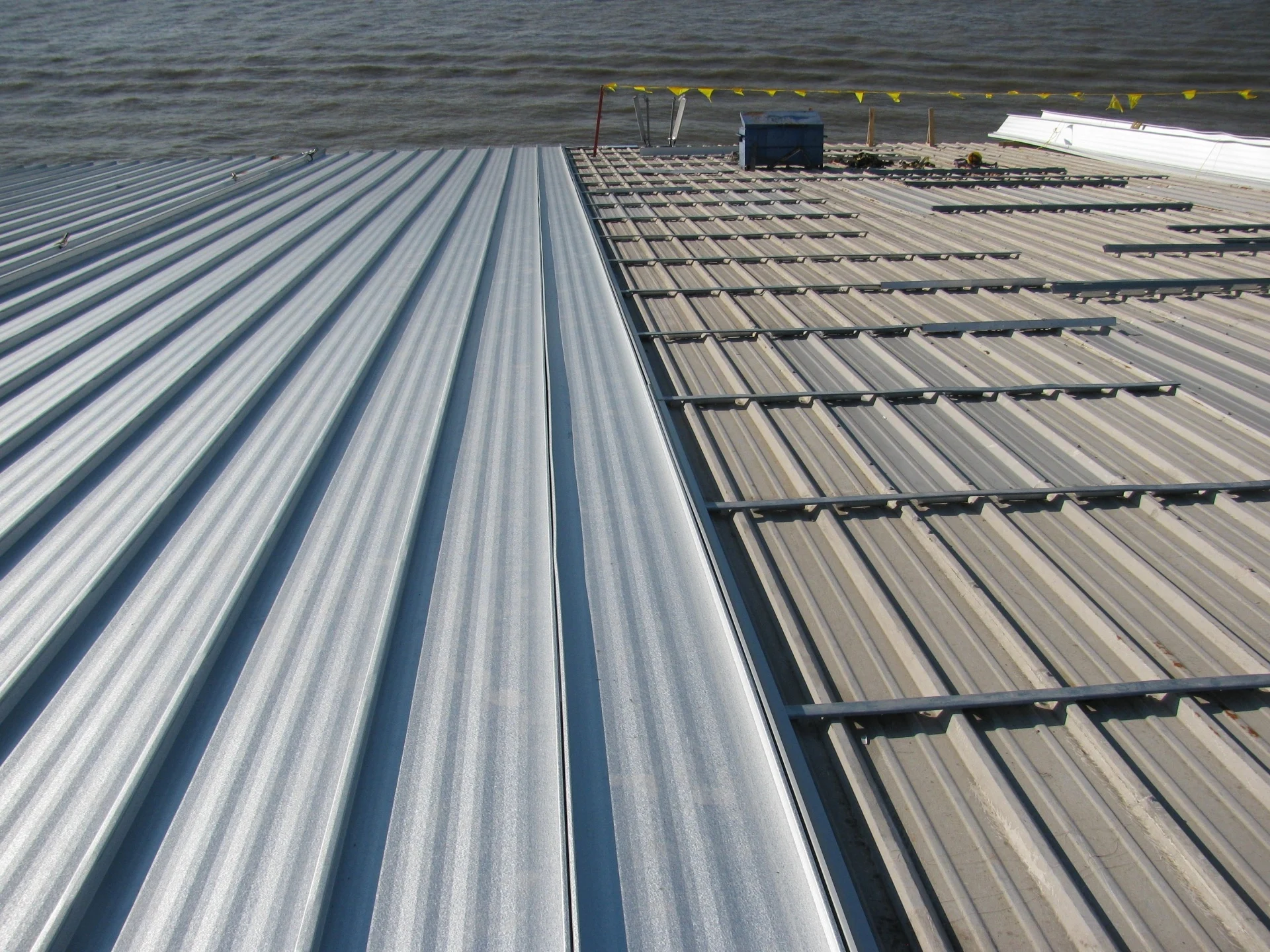
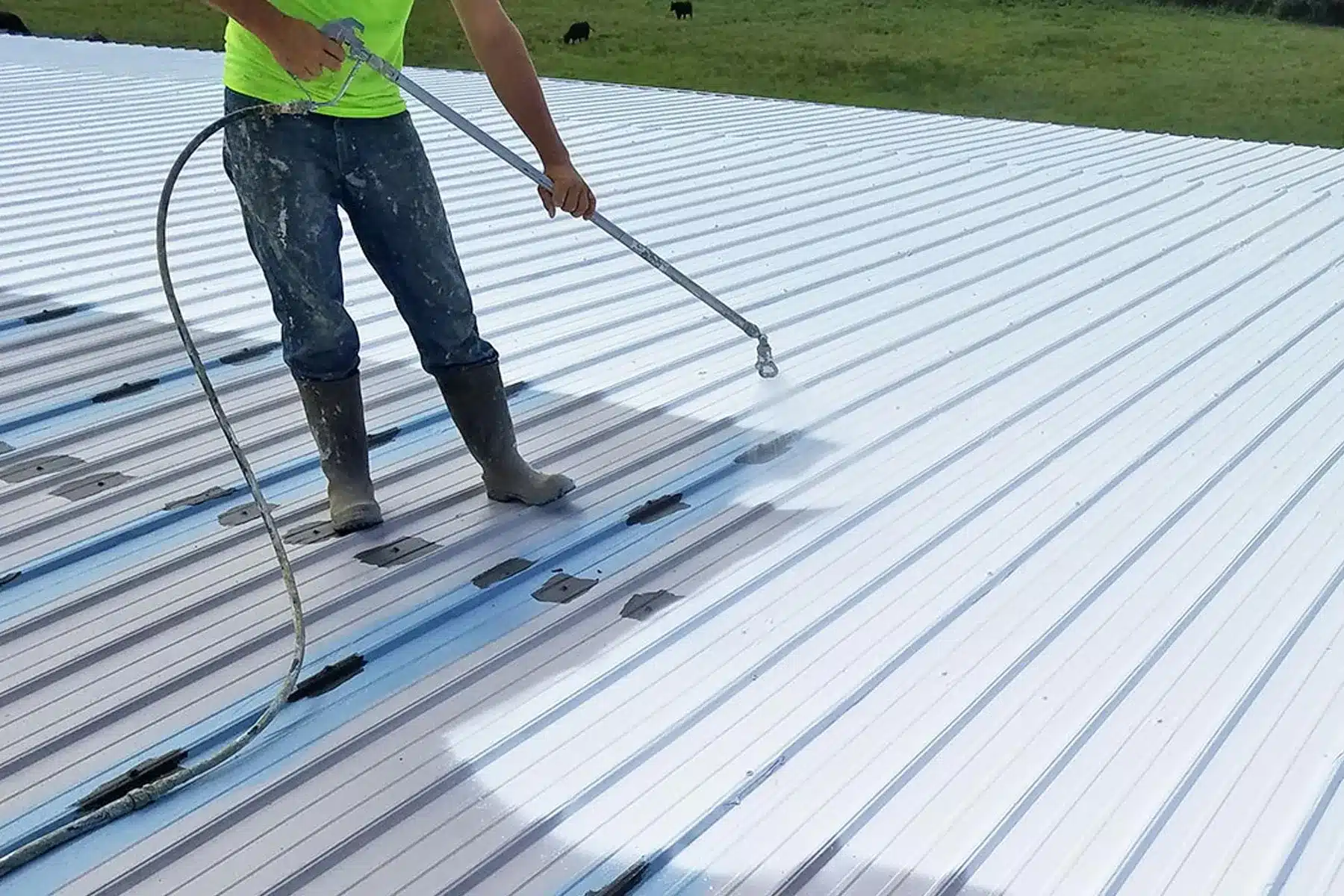
Miami has one of the strongest economic cases for cool roofing in the continental United States. The combination of a cooling-dominated climate with a nine-month cooling season, year-round solar intensity at 25.8 degrees north latitude, and commercial electric rates that reflect Florida's peak summer demand means that rooftop solar reflectance translates directly and measurably into lower cooling costs. Cool roofing is also Florida Energy Code-required for re-roofing projects.
Cool roof performance is measured by two properties: solar reflectance (the fraction of solar energy reflected away from the roof surface) and thermal emittance (the fraction of absorbed energy radiated back to the sky rather than conducted into the building). The Cool Roof Rating Council (CRRC) is the third-party testing and rating body that provides the independent performance data used for Florida Energy Code compliance. Florida Energy Code Chapter 4 for Commercial Buildings in Climate Zone 1 (Miami-Dade County) requires that re-roofed low-slope commercial surfaces 65 or a Solar Reflectance Index (SRI) of at least 78.
Miami's sea-level location and the urban heat island effect concentrated in the Miami, Brickell, and Hialeah commercial cores produce ambient temperatures that are measurably higher than inland markets at the same latitude. Dark roof surfaces in the Miami urban core contribute to this heat island — high-density commercial blocks where multiple buildings have dark rooftops create localized temperature elevation that increases cooling demand across all buildings in the cluster. Cool roofing at individual building scale reduces that building's cooling load; at neighborhood scale, it contributes to measurable heat island mitigation.
Salt air and sea spray on coastal Miami buildings create a specific cool-roof maintenance consideration: salt accumulation on white membrane and coating surfaces reduces reflectance by depositing a light-absorbing film. Buildings within a half-mile of the bay or ocean should receive annual pressure-washing of the roof surface to maintain cool-roof reflectance performance. We include this in maintenance contract schedules for all coastal cool-roof installations.
Membrane and Coating Options for Miami Cool Roof Compliance
White 60-mil TPO membrane is the standard cool-roof specification for Miami commercial buildings undergoing full reroof. Major TPO manufacturers' white products carry CRRC ratings at or above the Florida Energy Code minimum — we verify the specific product's CRRC certification before spec finalization, because not every white TPO product is rated at the minimum required values. White TPO membranes are also available in 80-mil thickness for high-traffic applications.
Silicone elastomeric coatings with initial solar reflectance above 0.80 are the standard cool-roof specification for Miami buildings undergoing silicone coating restoration over existing single-ply or modified bitumen substrates. White silicone coatings applied at the NOA-required coverage rate 85 to 0.90 is achievable with white silicone at standard coverage rates.
Aluminum coatings applied over modified bitumen or BUR substrates provide moderate reflectance improvement — aluminum-surfaced modified bitumen typically achieves initial solar reflectance of 0.50 to 0.60, which falls below the Florida Energy Code minimum for re-roofing in Climate Zone 1. Aluminum coating is a legitimate maintenance application over existing modified bitumen between replacement cycles, but it does not Buildings with aluminum-coated BUR or modified bitumen that require permit-required re-roofing must use a white or light-colored system to
Florida Energy Code Compliance for Miami Re-Roofing
Florida Energy Code Section C5 (commercial energy efficiency) requires cool-roof compliance for re-roofing projects in Miami-Dade County when the project triggers a new permit. The compliance path requires either the prescriptive minimum reflectance (0.65 initial solar reflectance or SRI 78 for low-slope roofs), or an energy analysis demonstrating equivalent or better overall building energy performance. We include Florida Energy Code compliance documentation with every permit application for reroof and restoration projects in Miami-Dade.
The aged-reflectance requirement is a Florida Energy Code nuance that some contractors overlook. Florida Energy Code uses the CRRC aged reflectance (reflectance after 3 years of weathering) for compliance calculation, not just the initial reflectance. Products with high initial reflectance that degrade quickly in Miami's UV environment may fall below the aged threshold. We use CRRC product data that includes both initial and aged values — a product must
Miami-Dade's own energy compliance requirements align with Florida Energy Code but are administered through the county's building permit process. Miami-Dade building department plan reviewers verify cool-roof compliance as part of the plan review for permitted re-roofing projects. We include the CRRC certificate and cool-roof calculation in every permit application package to avoid energy compliance resubmission cycles.
Energy Cost Analysis for Miami Commercial Buildings
Cool roof energy savings in Miami are real and quantifiable. DOE-sponsored field studies in South Florida have documented 15 to 25% reductions in air conditioning energy consumption on buildings that switched from dark to white membrane roofing. On a 100,000-square-foot Miami commercial building with an average $0.12 per kWh electric rate and average cooling load, that translates to $15,000 to $30,000 in annual cooling energy savings from the cool-roof specification alone.
We produce energy cost analysis documentation for Miami building owners who want to quantify the cool-roof benefit for capital planning or green building certification purposes. The analysis uses DOE Cool Roof Calculator methodology applied to the specific building size, orientation, and existing envelope conditions. Miami-Dade County's property tax exemption for renewable energy improvements does not directly apply to cool roofing, but LEED and ENERGY STAR certification programs include cool-roof performance credits that are increasingly relevant for Brickell and Coral Gables Class A office buildings pursuing certification.
Frequently asked questions
Does Miami's hurricane risk affect cool roof product selection?
Hurricane performance and cool-roof reflectance are not directly linked — the HVHZ compliance of an assembly (fastener density, NOA approval, perimeter detailing) is independent of its reflectance. However, white granule-surfaced modified bitumen and white TPO membranes that provide cool-roof performance are available with Miami-Dade NOA approvals for HVHZ use. We verify both the cool-roof CRRC rating and the HVHZ NOA approval for every cool-roof specification — the two compliance requirements must both be met.
Does a cool roof eliminate the need for rooftop insulation?
No — cool roofing and insulation address different energy pathways. Cool roofing reduces solar heat gain through the roof surface. Insulation reduces conductive heat transfer between the roof system and the conditioned building interior. Florida Energy Code requires both: minimum R-25 insulation for low-slope commercial roofs in Climate Zone 1 and minimum cool-roof reflectance for re-roofing projects. The two requirements work together rather than substituting for each other.
Will my white TPO roof stay white in Miami's environment?
White TPO membranes experience some reflectance reduction over their service life from surface oxidation, biological growth (algae and mildew are common in Miami's humidity), and surface soiling. CRRC aged-reflectance testing accounts for normal weathering. Biological growth on white membrane can be addressed with manufacturer-approved biocide cleaning treatments — we include biocide cleaning as part of annual maintenance contracts on Miami cool-roof installations. Coastal buildings see additional soiling from sea spray and should be pressure-washed annually.
Are there Miami-specific incentives for cool roof installation?
Florida does not offer a direct state tax incentive specifically for cool roofing. However, utility rebates from FPL (Florida Power & Light) have historically covered energy efficiency improvements including cool-roof upgrades on commercial buildings — we recommend checking FPL's current commercial rebate programs at the time of project planning. ENERGY STAR certification and LEED certification both include cool-roof credit points that support building valuation and tenant attraction for Miami Class A office buildings.
Get a cool roof specification and energy cost analysis for your Miami building.
Our project managers will produce a cool-roof specification that meets Florida Energy Code requirements, document the CRRC certifications, and provide an energy savings estimate for your building's size and use.