Retail Roofing
Miami, FL · Services

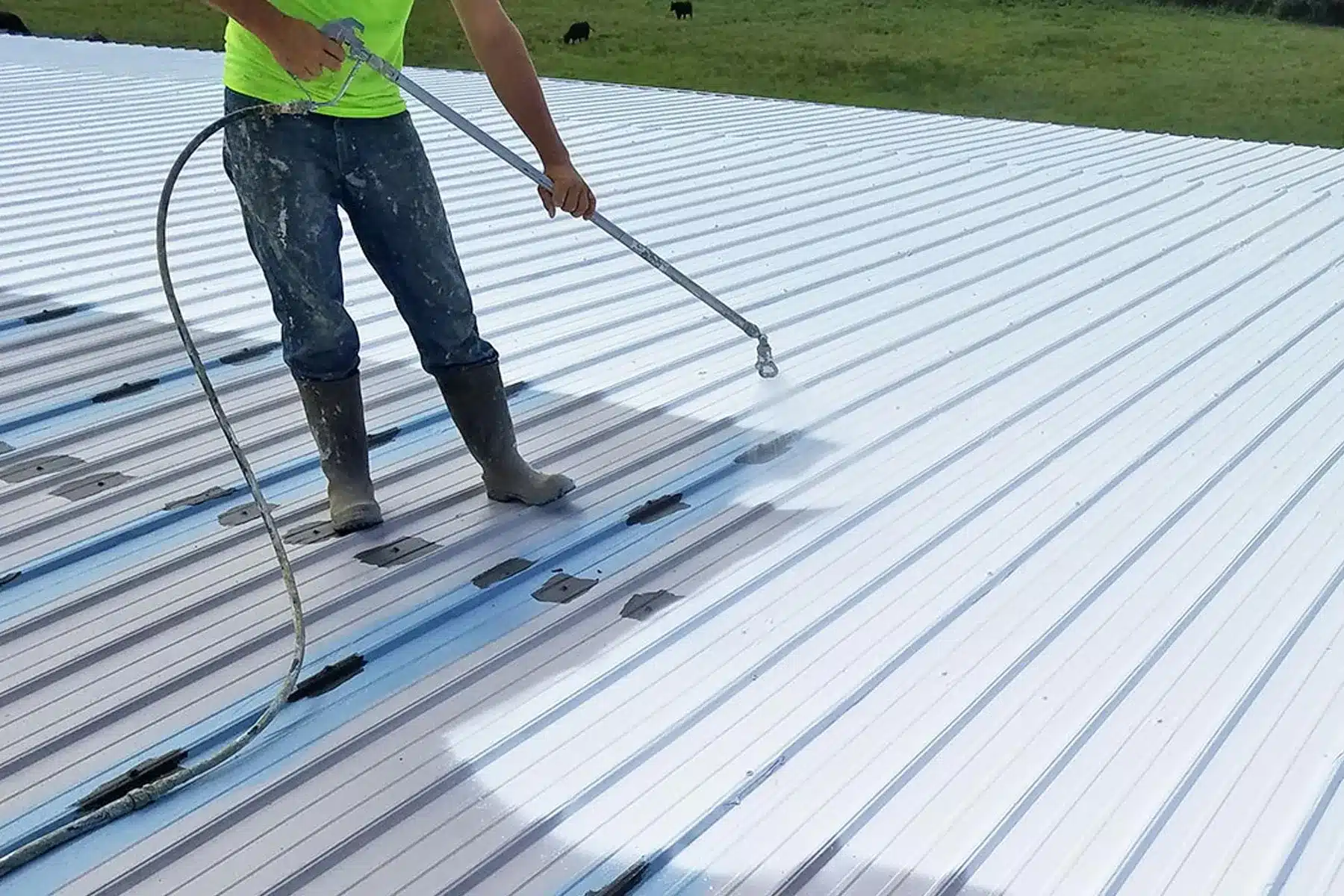
Commercial roofing for strip malls, shopping centers, anchor stores, and standalone retail buildings throughout Miami, FL.
Miami's retail landscape is as diverse as the city itself—from the luxury flagships along Brickell City Centre and the Design District to the neighborhood strip malls that serve the dense urban communities of Little Havana, Hialeah, and Liberty City, from the tourist-facing commercial strips along Lincoln Road and Ocean Drive in Miami Beach to the sprawling suburban power centers along the Palmetto Expressway and Kendall Drive. What all of these commercial retail properties share is a roofing environment defined by South Florida's extreme climate: intense UV radiation year-round, summer heat and humidity that rival any market in the continental United States, and an annual hurricane season that demands wind uplift resistance specifications that would be unnecessary in most other markets.
Florida Building Code wind requirements for Miami-Dade County are among the most stringent in the United States, reflecting the catastrophic hurricane damage that coastal South Florida has experienced in the modern era. Every roofing system installed on a Miami retail building must meet the wind speed design requirements of the applicable FBC wind zone, with attachment systems engineered and tested to resist the uplift pressures generated by Category 3 and higher hurricane-force winds. Florida Product Approval numbers are required for roofing products used in Miami-Dade's High-Velocity Hurricane Zone, and installing products that lack valid approval documentation is a code violation that exposes property owners to significant liability. Commercial roofing contractors working in Miami must be thoroughly familiar with HVHZ product approval requirements and verify that every component in their proposed system carries current approval.
TPO roofing has become standard for Miami retail applications because the white membrane surface delivers genuine energy performance in a climate where cooling costs are a year-round operating expense rather than a seasonal one. Miami retailers run air conditioning twelve months a year, and the heat transfer through a dark or degraded roof surface adds meaningfully to cooling loads in buildings where customer comfort is directly linked to dwell time and sales performance. A properly specified TPO system with adequate polyisocyanurate insulation reduces this heat transfer, supporting both the retailer's energy cost structure and Florida's building energy code compliance requirements. The energy benefit is particularly pronounced for large-footprint anchor tenants—grocery stores, home improvement chains, and fitness centers that occupy 40,000 to 100,000 square feet of roof area.
Hurricane preparedness is a year-round mindset for Miami retail property managers, but the pre-season window from April through May is when concrete actions should be taken. A thorough roofing inspection before the June 1 hurricane season start should verify that all membrane edges are fully adhered, parapet coping is secured, penetration flashings are intact, and any previously identified repairs have been completed. Rooftop equipment should be verified as properly anchored to their curbs and rated for hurricane-force winds. HVAC equipment that is not rated for the wind loads it may experience during a major hurricane becomes a projectile hazard that can damage the membrane field if it tears free. Landlords managing significant retail square footage in Miami should have a post-hurricane inspection protocol established with a commercial roofing contractor before the season starts.
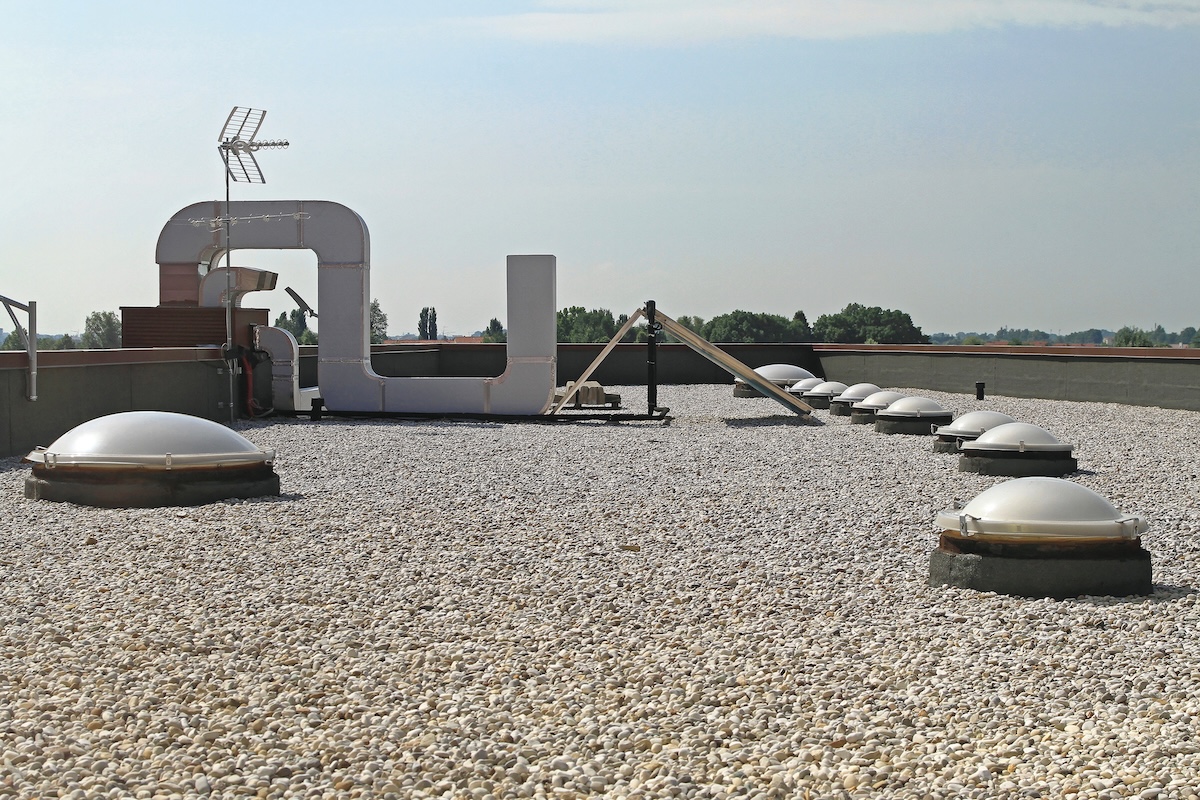
HVAC penetrations on Miami retail rooftops present the combined challenge of tropical humidity and hurricane wind exposure. The dense HVAC arrays on large Miami retail buildings—running continuously in the South Florida heat—produce substantial condensate that must be routed away from the membrane. The humid environment encourages biological growth around condensate accumulation points, and the heat at the rooftop surface creates conditions where membrane degradation accelerates near warm discharge points. Simultaneously, every penetration must be properly flashed to hurricane wind-driven rain standards, since driving rain during tropical systems enters gaps that would never admit water under calm rainfall. A dual focus on condensate management and wind-driven rain resistance characterizes best-practice HVAC detailing on Miami retail rooftops.
The Miami retail market's international character—serving residents and visitors from across Latin America and the Caribbean—creates a distinct set of building quality expectations. High-end retail corridors in Brickell, Wynwood, and the Coconut Grove village area draw tenants whose brand standards and customer base expectations are as sophisticated as any market in the country. These tenants negotiate lease details carefully, and building envelope condition—particularly the evidence of roofing failures like ceiling stains or mold—is a point of leverage in renewal negotiations. Landlords who protect their buildings through proactive roofing maintenance preserve the leverage they need when national and international tenants come to the renewal table.
PVC roofing systems are the preferred specification for Miami retail properties with food-service tenant concentrations. The city's vibrant restaurant culture has made food-focused retail formats popular throughout the metro, from the restaurant rows in suburban Doral and Aventura to the food hall configurations emerging in urban Miami projects. PVC's resistance to grease and organic compounds makes it the durable choice in high-exhaust environments, and in Miami's climate, where any membrane vulnerability is compounded by heat, humidity, and potential hurricane impact, the additional durability of PVC over standard TPO in these specific applications is a genuine advantage. Properties transitioning to food hall formats should include PVC specification in the re-roofing scope for areas over kitchen and restaurant spaces.
Drain maintenance on Miami retail rooftops requires attention to the city's brief but intense summer rainfall events. Afternoon thunderstorms during Miami's wet season can deposit one to three inches of rain in under an hour, and roof drainage systems that are even partially blocked by rooftop debris can be overwhelmed by this intensity. Large retail rooftops in the Miami suburban market—the power centers along Kendall Drive and the Palmetto, for example—have enormous drainage shed areas that concentrate enormous volumes of water to a relatively small number of interior drain points. Monthly visual drain checks during the wet season, combined with a formal drain cleaning before the June rainy season begins, keeps these systems functioning as designed when peak demand arrives.
Miami retail property transactions benefit directly from well-documented roofing systems. Institutional buyers who acquire Miami commercial real estate as portfolio investments conduct rigorous due diligence on every building envelope component, and roofing condition reports, warranty documentation, and maintenance history are standard requirements. Properties with current warranties, clean inspection records, and verified Florida Product Approval-compliant systems present a significantly cleaner picture than those with deferred maintenance and documentation gaps. In Miami's competitive commercial real estate market, where cap rates are closely watched and transaction activity is robust, roofing documentation quality has direct impact on transaction timelines and purchase price negotiations.
Frequently asked questions
Is built-up roofing still installed on new Miami commercial buildings?
Rarely on new construction. BUR has largely been replaced by TPO and PVC single-ply membranes for new commercial low-slope construction in Miami-Dade. Modified bitumen — a close relative of BUR using polymer-modified asphalt plies — is still specified for specific applications, particularly in recover configurations and on buildings where foot traffic and mechanical abuse favor the thicker ply system. We install and maintain both BUR and modified bitumen on existing buildings but rarely specify BUR for new construction.
How do I know if my 1980s Miami office building's BUR system is still viable?
A moisture survey is the starting point — either electronic moisture probing or infrared thermography. If insulation saturation is below 25 percent by area and the deck is sound, a recover with targeted wet-area removal and a new mechanically attached membrane or modified bitumen cap is often viable. If saturation is widespread or the deck is deteriorated, replacement is the honest scope. We provide the moisture survey data and the deck inspection findings as part of the assessment so the decision is based on documented condition rather than a contractor's estimate.
Can a BUR system be recovered with TPO in Miami-Dade?
Yes, when the BUR substrate is dry, the deck is sound, and an NOA-approved recover assembly exists for the specific BUR type and TPO system combination. We verify the NOA approval before designing the recover specification. Not all TPO manufacturer systems have Miami-Dade NOA approvals for BUR recover configurations — the approval list is assembly-specific.
What is the typical service life of a Miami BUR system?
A well-installed BUR system in Miami conditions typically provides 20 to 30 years of service life before significant rehabilitation is required. Miami's high UV intensity, surface temperatures exceeding 160 degrees F, and coastal salt environment accelerate asphalt oxidation and ply adhesion degradation relative to inland markets. Pre-1992 Miami BUR systems that are now 30-plus years old and have not been recovered or significantly repaired are generally past viable service life.
Get a documented BUR condition assessment for your Miami building.
Our project managers will conduct a moisture survey, pull cores at suspect locations, inspect deck condition, and deliver a written report with recover-versus-replace recommendation and cost basis — before any commitment to a scope.