Single Ply Roofing
Miami, FL · Services
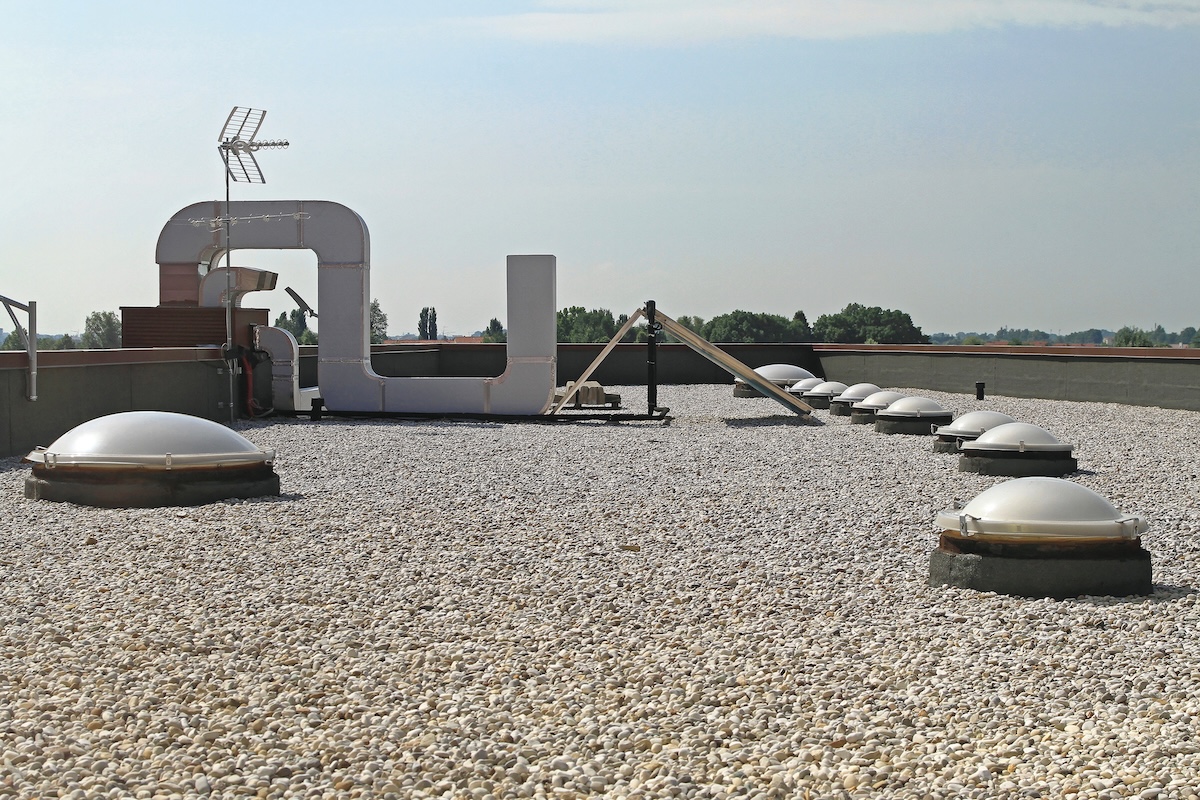

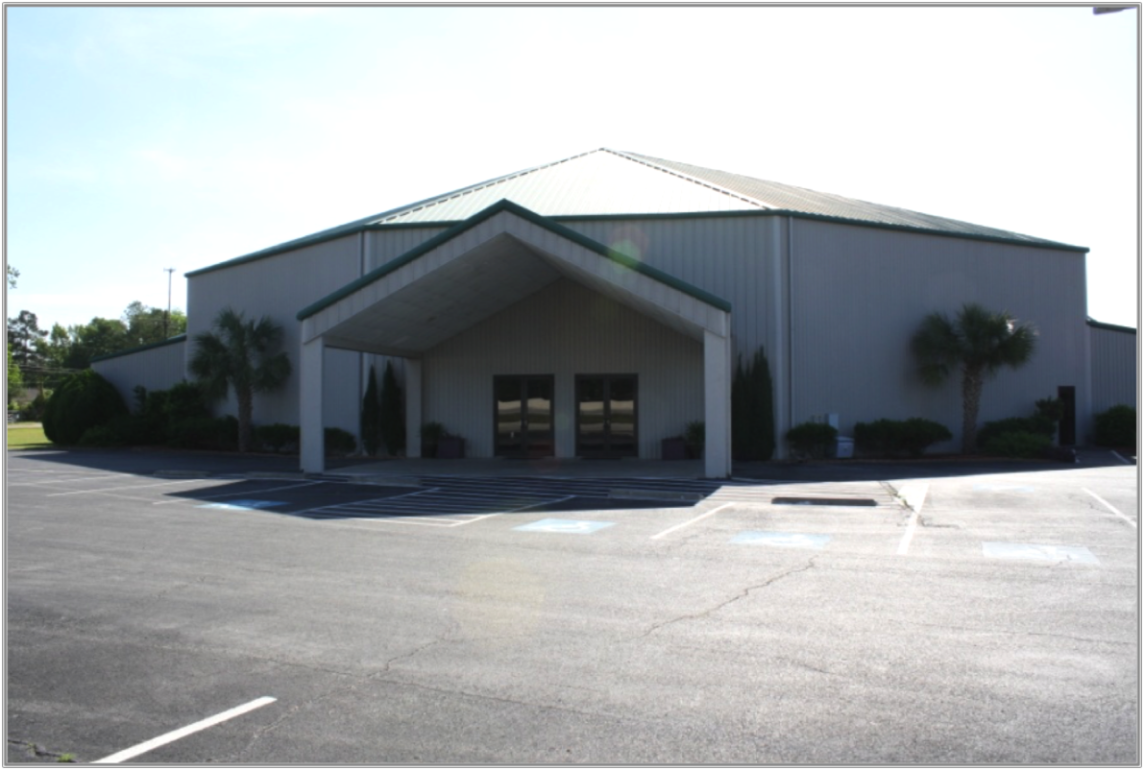
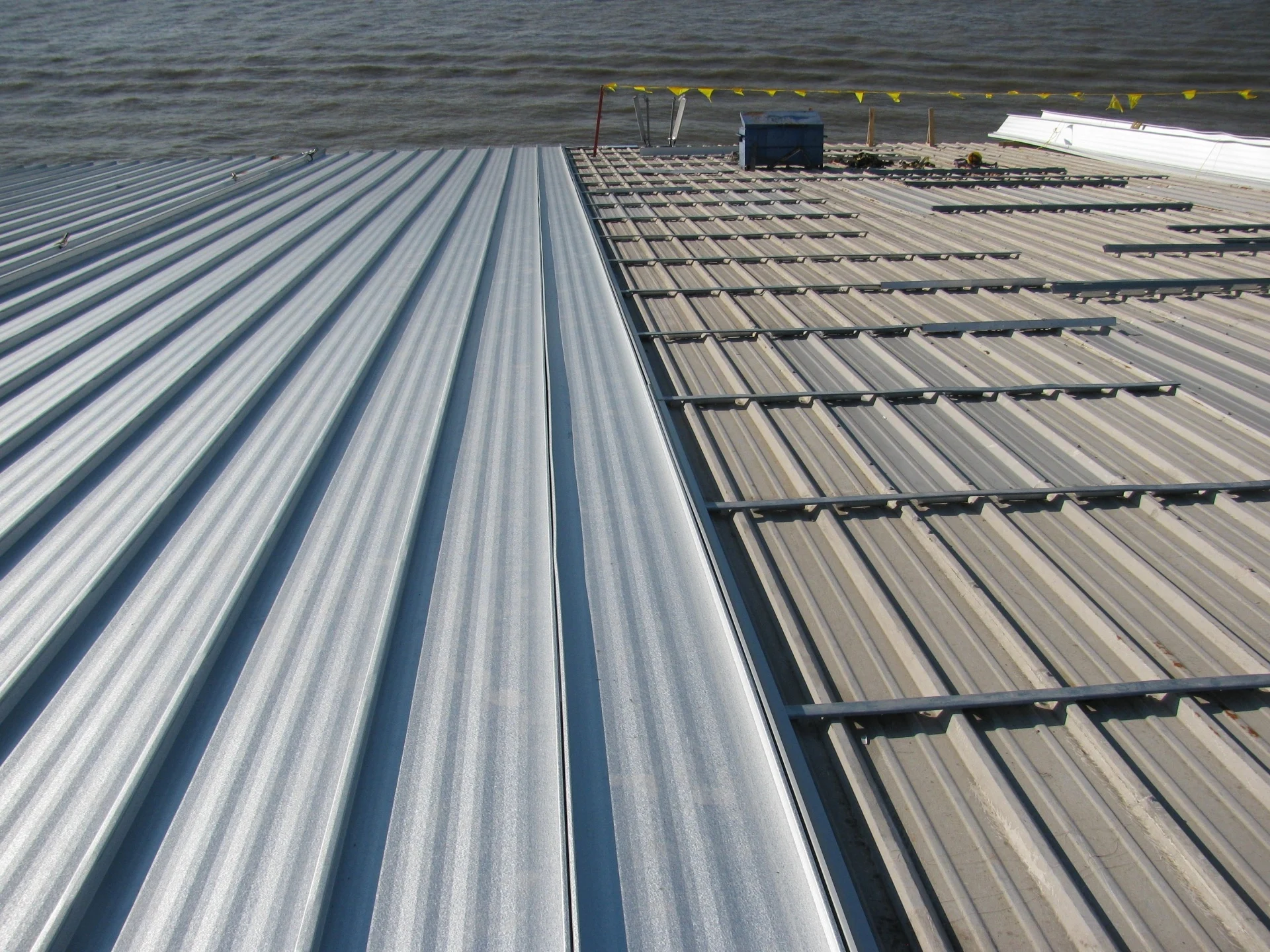
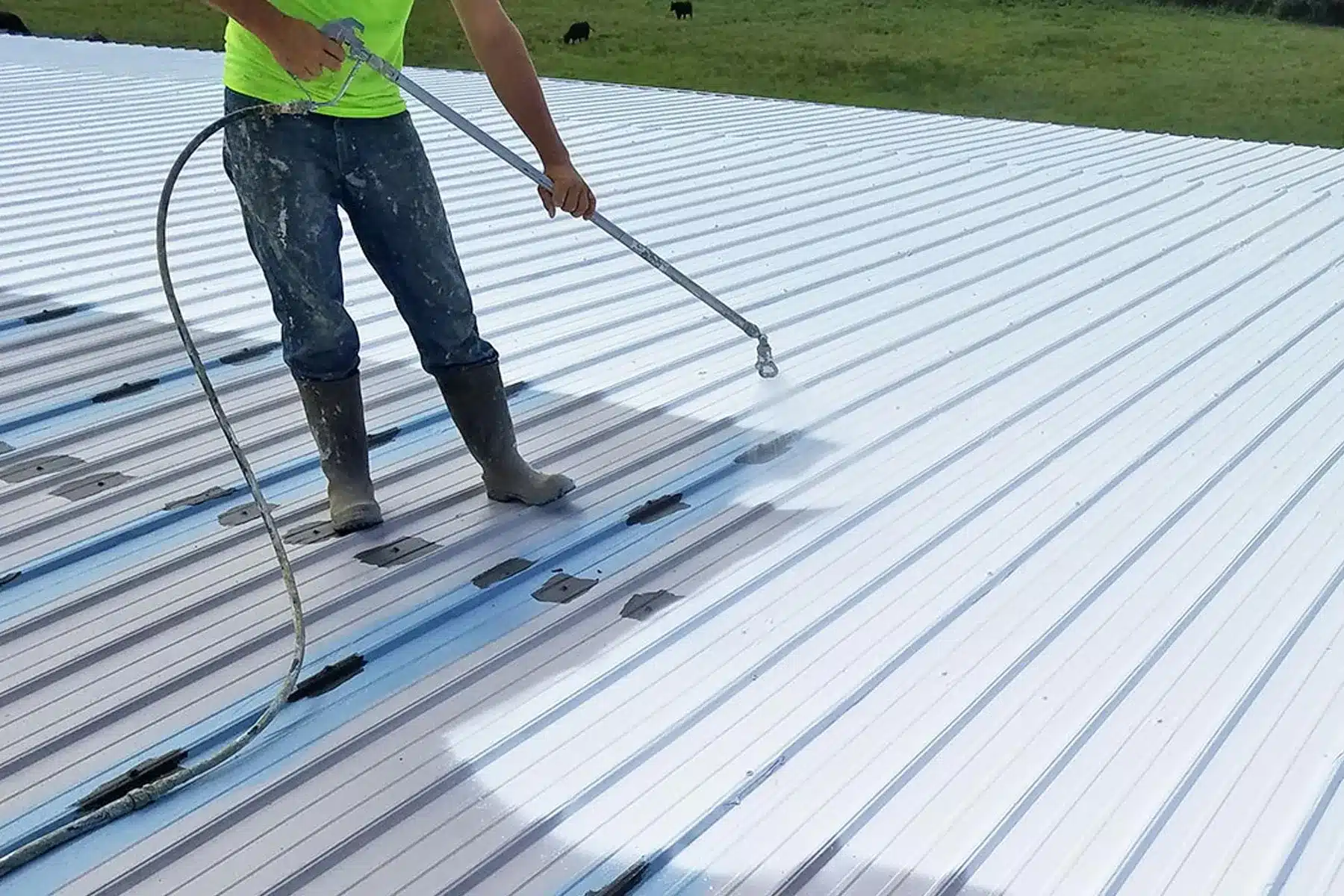
Single-ply membranes — TPO, EPDM, and PVC — dominate new commercial flat roofing in Miami-Dade because their NOA approval paths are well-established, their wind-uplift performance data is extensive, and their heat-welded (or adhered) seam systems are the best-documented in the HVHZ environment.
Single-ply roofing refers to membrane systems where a single layer of reinforced or unreinforced polymer sheet — typically 45, 60, or 80 mil in thickness — serves as the primary waterproofing membrane. In Miami-Dade's commercial market, the three single-ply systems in common use are TPO (thermoplastic polyolefin), EPDM (ethylene propylene diene monomer), and PVC (polyvinyl chloride). Each carries a different chemical profile, seam type, and performance characteristic set — and the right choice for any given Miami building depends on the building's use, deck condition, existing system (for recovers), mechanical loading, and the specific NOA approvals available for each system over the proposed substrate.
Single-ply systems replaced modified bitumen as the dominant new commercial roofing specification in Miami-Dade through the 2000s and 2010s, driven by TPO's reflectivity profile (white TPO meets Florida Energy Code reflectivity requirements without additional coating), the growing NOA approval library for single-ply systems in the HVHZ, and the elimination of torch-applied hot work requirements that modified bitumen's application method created. Today, TPO is the most commonly specified membrane for new commercial flat roofing in the Brickell and Downtown Miami World Center office corridor, the Doral logistics market, and the Wynwood and Edgewater creative office segment.
We install TPO, EPDM, and PVC single-ply systems with full Miami-Dade NOA compliance. We are manufacturer-agnostic — we work with Firestone, Carlisle, GAF, Versico, Sarnafil, and others — and we select the manufacturer whose specific NOA approval best matches the building's substrate, attachment requirements, and warranty path. Manufacturer preference alone is not a basis for system specification in Miami-Dade's HVHZ.
TPO: The Dominant Miami Single-Ply Specification
TPO is the most commonly specified commercial flat roof membrane in Miami-Dade, and for most new commercial buildings in the county, TPO is the right default specification. White 60-mil TPO meets Florida Energy Code reflectivity requirements without a separate coating layer, its heat-welded seams produce the strongest seam type in single-ply roofing, and the Miami-Dade NOA library for TPO assemblies is the most comprehensive of any single-ply system — covering mechanically attached and fully adhered configurations across virtually every insulation substrate in common use.
The FBC HVHZ wind-uplift design for mechanically attached TPO in Miami uses a three-zone fastener pattern: field zone, perimeter zone (typically the outer 10% of the smaller building dimension), and corner zone (the intersection of two perimeter strips). The design wind speed for Miami-Dade County is 185 mph for Risk Category II buildings under the 2020 FBC — one of the highest design wind speeds for any major U.S. metropolitan area. Brickell high-rise towers and buildings with open exposure on Biscayne Bay require the most conservative perimeter and corner zone fastener patterns in the county.
Post-Hurricane Irma inspection data from 2017 consistently showed that mechanically attached TPO with properly designed three-zone fastener patterns performed better under 130-mph sustained winds than modified bitumen systems that pre-dated the current FBC HVHZ requirements. This performance data, combined with TPO's cost advantage over PVC and its reflectivity advantage over EPDM, makes TPO the correct default specification for most new commercial roof projects in Miami-Dade.
EPDM and PVC: When the Application Requires It
EPDM is specified over TPO in Miami commercial buildings where differential movement at parapets, expansion joints, or building corners creates a need for higher membrane elongation than TPO's reinforced polyolefin construction provides. Buildings in Brickell's bay-adjacent corridor and along the Miami Beach barrier island — where oolite limestone subbase and fill depth variability create differential settlement patterns — are candidates for EPDM at flashing and expansion joint locations even when the field membrane is TPO. We document the movement rationale in the specification so future project managers understand the mixed-membrane design intent.
PVC is specified over TPO in Miami commercial buildings where rooftop chemical exposure — fats, oils, grease, or industrial solvents — reaches the membrane surface. The Miami Beach hotel cluster and the Aventura retail corridor are the highest-concentration PVC application environments in our service area because kitchen exhaust discharge on hotel and restaurant roofs creates chemical exposure conditions that attack TPO and EPDM over time. PVC's chemical resistance is not incremental — it is a categorical performance difference from TPO and EPDM under grease and solvent exposure.
Single-Ply on Miami's Specific Building Inventory
The Downtown Miami and Miami World Center office and hotel towers built from 2012 onward are largely running first-generation single-ply systems — most commonly TPO — that are now 10 to 14 years old and approaching their first major maintenance cycle. Lap seam inspection, drain clearing, and perimeter flashing assessment are the standard maintenance scope for this age-range inventory, and these buildings are beginning to present their first repair calls. We hold maintenance accounts on several buildings in this corridor and use the maintenance data to inform capital planning for the replacement cycle that will start for many of these buildings in the 2030s.
The Wynwood arts district's warehouse conversion inventory presents a different single-ply application environment. Former industrial buildings converted to creative office and gallery use typically have aging metal decks with surface profile variability that affects membrane installation quality. On converted buildings where deck surface irregularity creates welding challenges for TPO, we assess whether EPDM's adhesive-applied installation method produces more reliable coverage — deck condition drives the membrane selection as much as building use.
King-tide flooding and sea-level rise affect the roofing assessment on low-elevation Miami commercial buildings in ways that are becoming more significant each year. For buildings in Brickell, Downtown Miami, and Miami Beach where ground-level flooding now reaches the building envelope on king-tide events, we document whether water intrusion presentation is roof-source or grade-source during condition assessments. The roof membrane may be performing correctly while water enters from below — and a single-ply replacement will not resolve grade-source intrusion.
Frequently asked questions
What is the difference between TPO, EPDM, and PVC single-ply roofing?
TPO is a white thermoplastic membrane with heat-welded seams — the dominant Miami commercial specification for energy code reflectivity and wind-uplift performance. EPDM is a black rubber membrane with adhesive or tape-bonded seams and superior elongation — specified where building movement requires higher membrane flexibility. PVC is a thermoplastic membrane with heat-welded seams and chemical resistance to fats, oils, and solvents — specified for restaurant, hotel kitchen, and chemical-exposure applications. All three carry Miami-Dade NOA approvals for HVHZ use.
How is a single-ply roof attached in Miami-Dade's HVHZ?
Single-ply membranes in Miami-Dade are installed either mechanically attached or fully adhered. Mechanically attached systems use batten bars and fasteners at the seam location in a three-zone pattern designed to FBC HVHZ wind-uplift requirements. Fully adhered systems bond the membrane to the insulation substrate with adhesive applied at a rate specified by the NOA. Both attachment methods carry NOA approvals for HVHZ use; the selection depends on building-specific factors including insulation type, wind exposure, and manufacturer warranty path.
Do single-ply roofs meet Miami-Dade's energy code requirements?
White TPO and white PVC membranes EPDM, which is black, does not We confirm energy code compliance for the specified membrane as part of the permit application package.
What happens to a single-ply roof during a hurricane?
A properly designed and installed single-ply roof in Miami-Dade should maintain its membrane attachment through the building's design wind event — 185 mph for most commercial buildings per the 2020 FBC. The critical failure modes in past hurricane events (Andrew 1992, Irma 2017) were insufficient fastener density in corner and perimeter zones, inadequate adhesive application on fully adhered systems, and flashing details that were not designed for sustained dynamic wind pressure cycling. We design perimeter and corner zone fastening patterns to the actual calculated design pressures for each building, not to a generic minimum.
Get a single-ply system specified for your Miami commercial building.
We assess the building's conditions — deck, exposure, use, and existing system — before specifying TPO, EPDM, or PVC, and we install only assemblies with current Miami-Dade NOA approvals and full wind-uplift design documentation.