School Roofing
Miami, FL · Services
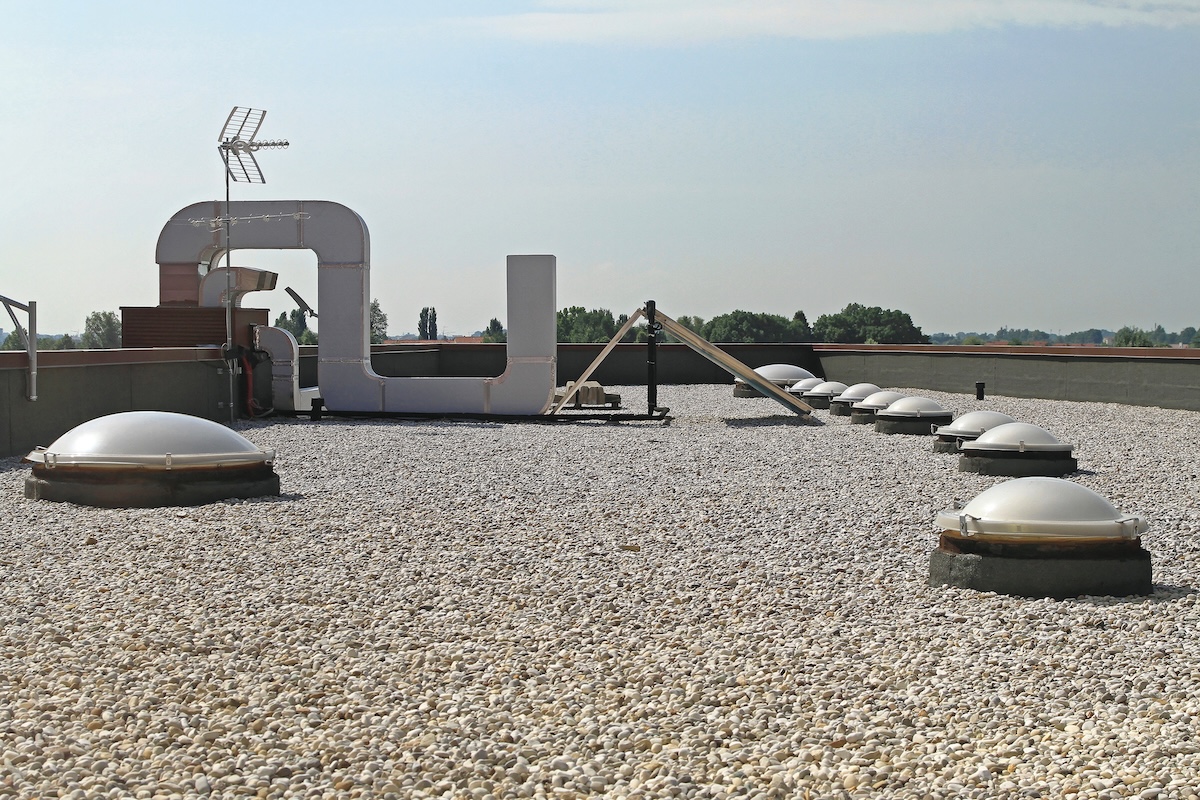
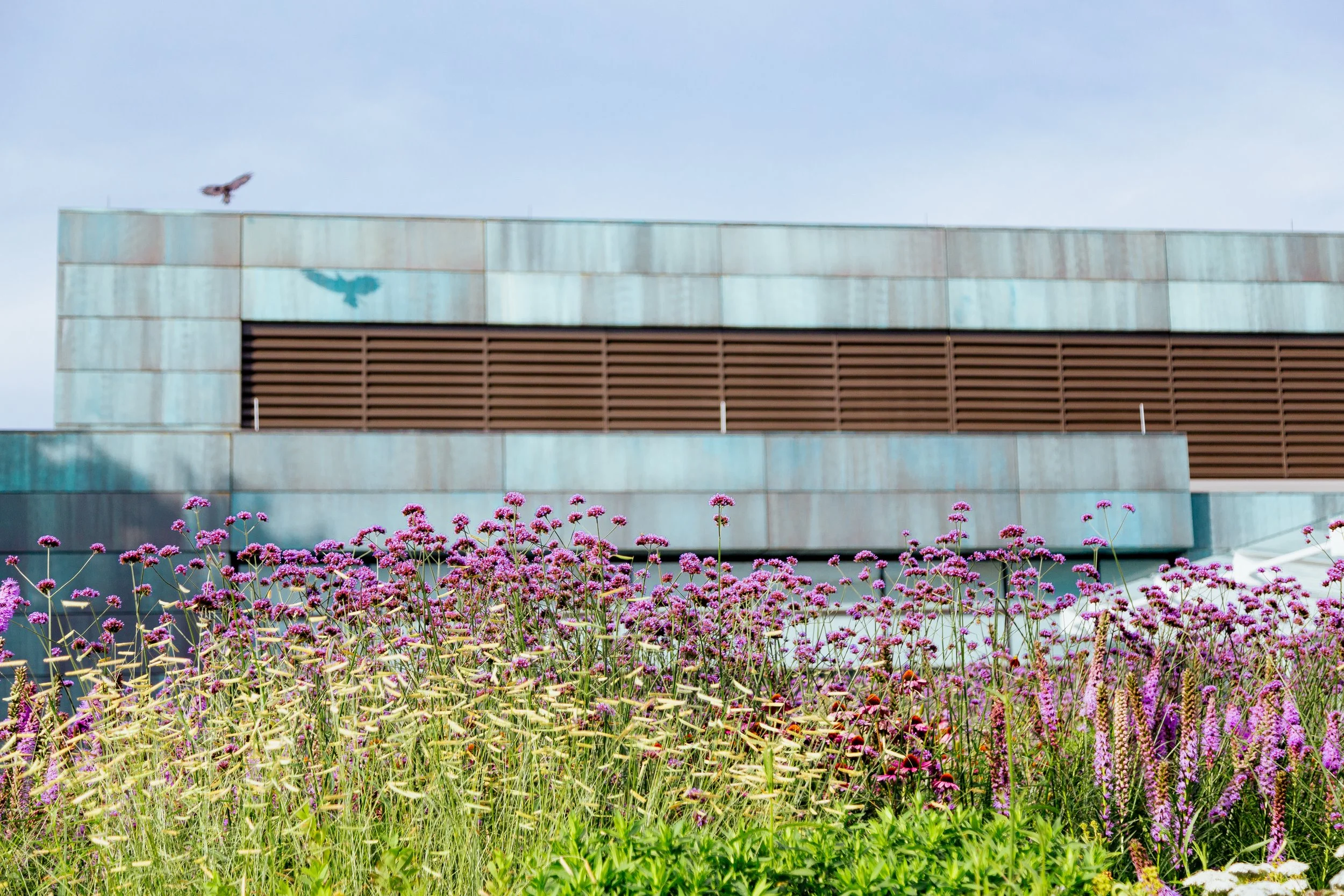
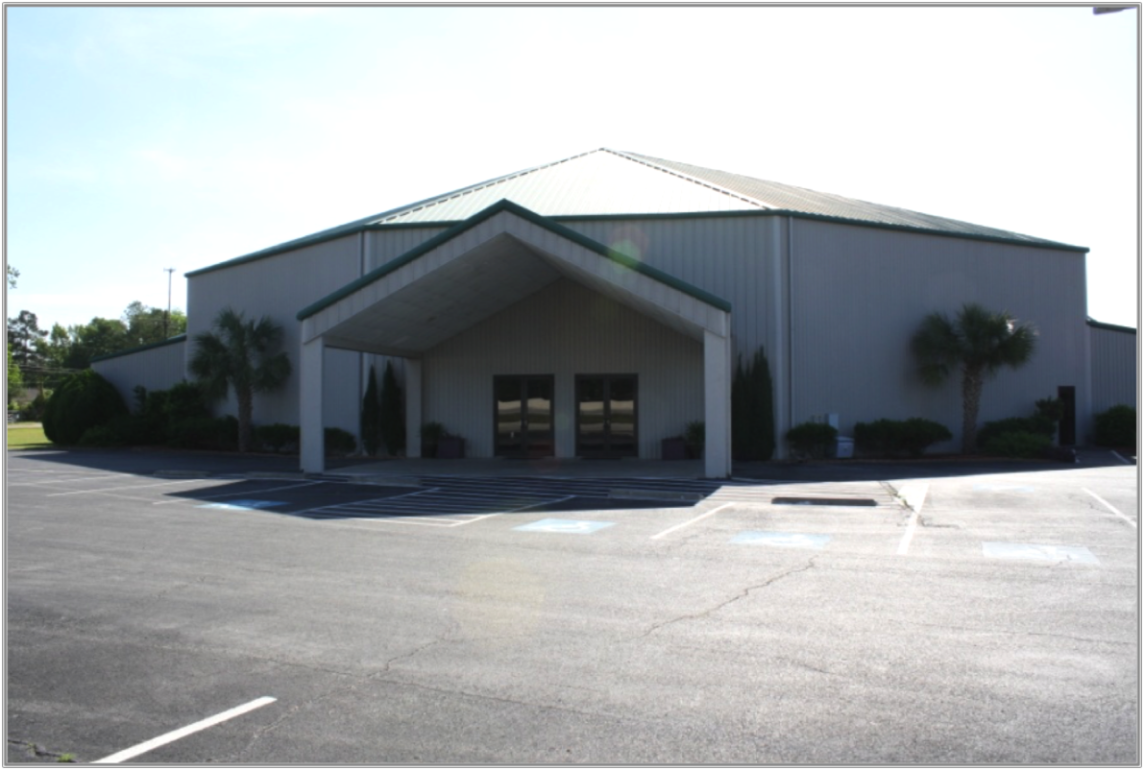
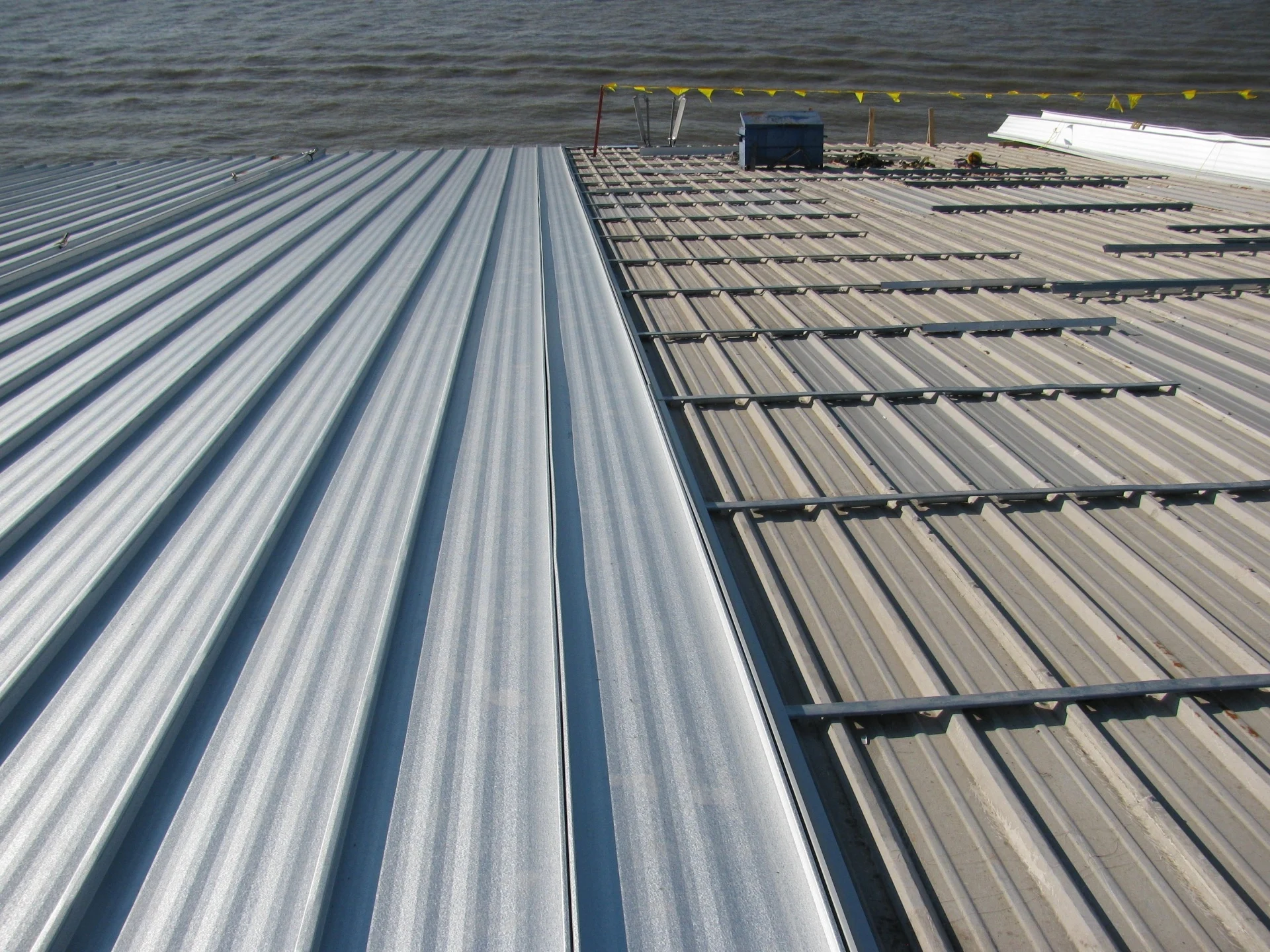
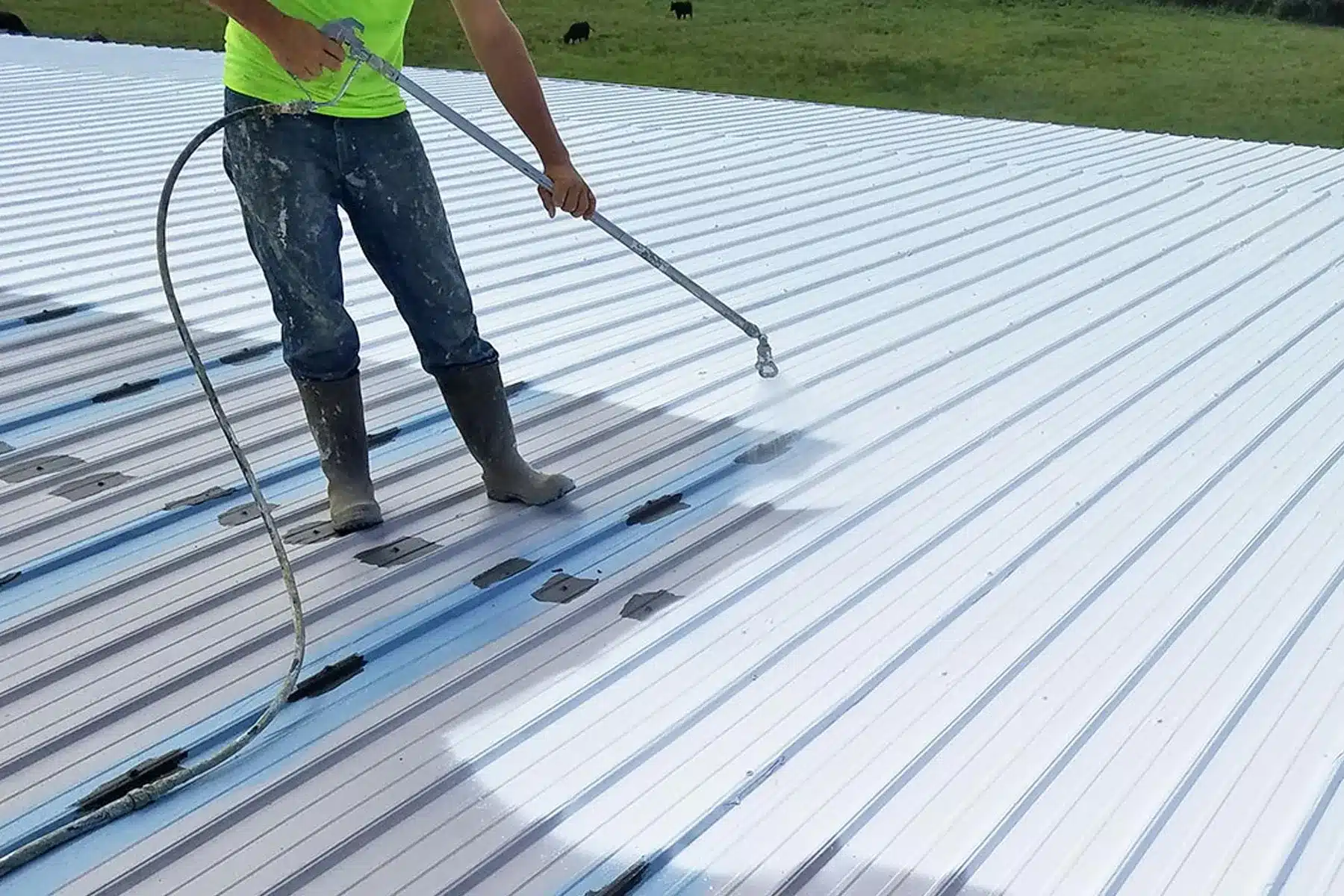
Commercial roofing for public and private schools, K-12 campuses, and educational facilities throughout Miami, FL.
Miami-Dade County Public Schools is the fourth-largest school district in the United States, serving over 330,000 students in more than 500 schools across Miami-Dade County — a facilities portfolio that operates under the strictest wind resistance roofing requirements in the nation, the threat of annual hurricane activity, and the institutional complexity of a public school system that rivals small cities in its organizational scale. Commercial school roofing for Miami-Dade Public Schools is High-Velocity Hurricane Zone work governed by Miami-Dade County product approvals, Florida Building Code structural requirements, and an institutional procurement process that demands demonstrated hurricane-zone expertise from every contractor who bids.
Miami-Dade County's High-Velocity Hurricane Zone product approval system governs every roofing material used on MDCPS schools. All roofing products must carry a current Miami-Dade County Notice of Acceptance — a more stringent approval than standard Florida Building Code approval, tested against protocols specifically designed to simulate hurricane conditions. We maintain current NOA files for every product we specify on Miami-Dade school projects and verify NOA validity before any material order is placed. An expired NOA on a school project can trigger a stop-work order and force costly material replacement.
Structural wind attachment design is the most technically demanding aspect of MDCPS school roofing. Miami-Dade County carries some of the highest ASCE 7 design wind speeds in the continental United States, requiring roofing attachment systems with documented pull-out values that meet calculated uplift pressures at roof perimeters, corners, and field. We work with Florida-licensed professional engineers to calculate required attachment and specify fastener patterns that meet the structural engineer's uplift requirements, submitting calculations for the school district's structural review and Miami-Dade building department plan check as part of the permit process.
Summer scheduling for MDCPS school roofing is constrained by hurricane season, which runs June through November. The overlap between the school summer break (mid-June through mid-August) and the most active hurricane period creates a genuine scheduling tension — the summer window is when students are absent, but it is also when storm risk is highest and open roof decks are most vulnerable. We implement comprehensive temporary weather protection plans, monitor National Hurricane Center forecasts daily during summer projects, and have established protocols for emergency site securing when tropical storm or hurricane watches are issued for Miami-Dade County.
Florida public school procurement follows Florida Statute Chapter 255 public construction requirements and Miami-Dade's own facilities procurement policies. Competitive bids are required for construction contracts above threshold, with bid bonds and performance and payment bonds for qualifying projects. MDCPS also maintains a contractor prequalification program for school construction. We hold active Florida contractor licensing, current MDCPS prequalification, and bonding capacity appropriate for the district's project values.
Institutional roofing details on MDCPS schools must perform through hurricane-force conditions in addition to ordinary weather exposure. Equipment curbs, penetration flashings, and parapet wall transitions are potential infiltration points during hurricane-driven rain events — conditions that test roofing details far beyond what ordinary commercial buildings experience. We specify reinforced membrane at all equipment curbs and transitions, secondary waterproofing at all parapet wall-to-roof junctions, and sealed termination bar installation that eliminates any pathway for hurricane-driven water to infiltrate under the membrane edge.
District budget cycles at MDCPS track the Florida public school fiscal year and the district's capital renewal plan, which is one of the most sophisticated facilities management programs of any school district in Florida. Roofing projects are prioritized through condition assessment scores and included in the multi-year capital renewal schedule. We participate in the planning phase by providing condition assessments and budget estimates that support the district's capital renewal submissions to the Florida Department of Education.
Post-hurricane inspection and documentation services are a critical part of our MDCPS practice. When a named storm threatens or passes through Miami-Dade, we deploy inspection teams to school buildings in our maintenance program within 24 hours after conditions allow access and produce written damage assessments with photographs suitable for FHWA and FEMA disaster documentation. Schools with pre-storm condition records in our system are significantly better positioned for insurance recovery and FEMA assistance than schools whose pre-storm condition is undocumented.
Energy performance in Miami-Dade's subtropical climate is shaped by solar intensity and year-round cooling loads rather than by heating. Reflective roofing is both a Florida Building Code energy compliance tool and a meaningful operational cost reducer for MDCPS — school buildings that run air conditioning eleven months a year benefit substantially from reducing roof surface temperatures through reflective membrane selection. We specify high-CRRC reflective membranes and document Title 24 and FBC energy code compliance with every MDCPS roofing submission.
Frequently asked questions
Is built-up roofing still installed on new Miami commercial buildings?
Rarely on new construction. BUR has largely been replaced by TPO and PVC single-ply membranes for new commercial low-slope construction in Miami-Dade. Modified bitumen — a close relative of BUR using polymer-modified asphalt plies — is still specified for specific applications, particularly in recover configurations and on buildings where foot traffic and mechanical abuse favor the thicker ply system. We install and maintain both BUR and modified bitumen on existing buildings but rarely specify BUR for new construction.
How do I know if my 1980s Miami office building's BUR system is still viable?
A moisture survey is the starting point — either electronic moisture probing or infrared thermography. If insulation saturation is below 25 percent by area and the deck is sound, a recover with targeted wet-area removal and a new mechanically attached membrane or modified bitumen cap is often viable. If saturation is widespread or the deck is deteriorated, replacement is the honest scope. We provide the moisture survey data and the deck inspection findings as part of the assessment so the decision is based on documented condition rather than a contractor's estimate.
Can a BUR system be recovered with TPO in Miami-Dade?
Yes, when the BUR substrate is dry, the deck is sound, and an NOA-approved recover assembly exists for the specific BUR type and TPO system combination. We verify the NOA approval before designing the recover specification. Not all TPO manufacturer systems have Miami-Dade NOA approvals for BUR recover configurations — the approval list is assembly-specific.
What is the typical service life of a Miami BUR system?
A well-installed BUR system in Miami conditions typically provides 20 to 30 years of service life before significant rehabilitation is required. Miami's high UV intensity, surface temperatures exceeding 160 degrees F, and coastal salt environment accelerate asphalt oxidation and ply adhesion degradation relative to inland markets. Pre-1992 Miami BUR systems that are now 30-plus years old and have not been recovered or significantly repaired are generally past viable service life.
Get a documented BUR condition assessment for your Miami building.
Our project managers will conduct a moisture survey, pull cores at suspect locations, inspect deck condition, and deliver a written report with recover-versus-replace recommendation and cost basis — before any commitment to a scope.