Office Building Roofing
Miami, FL · Services
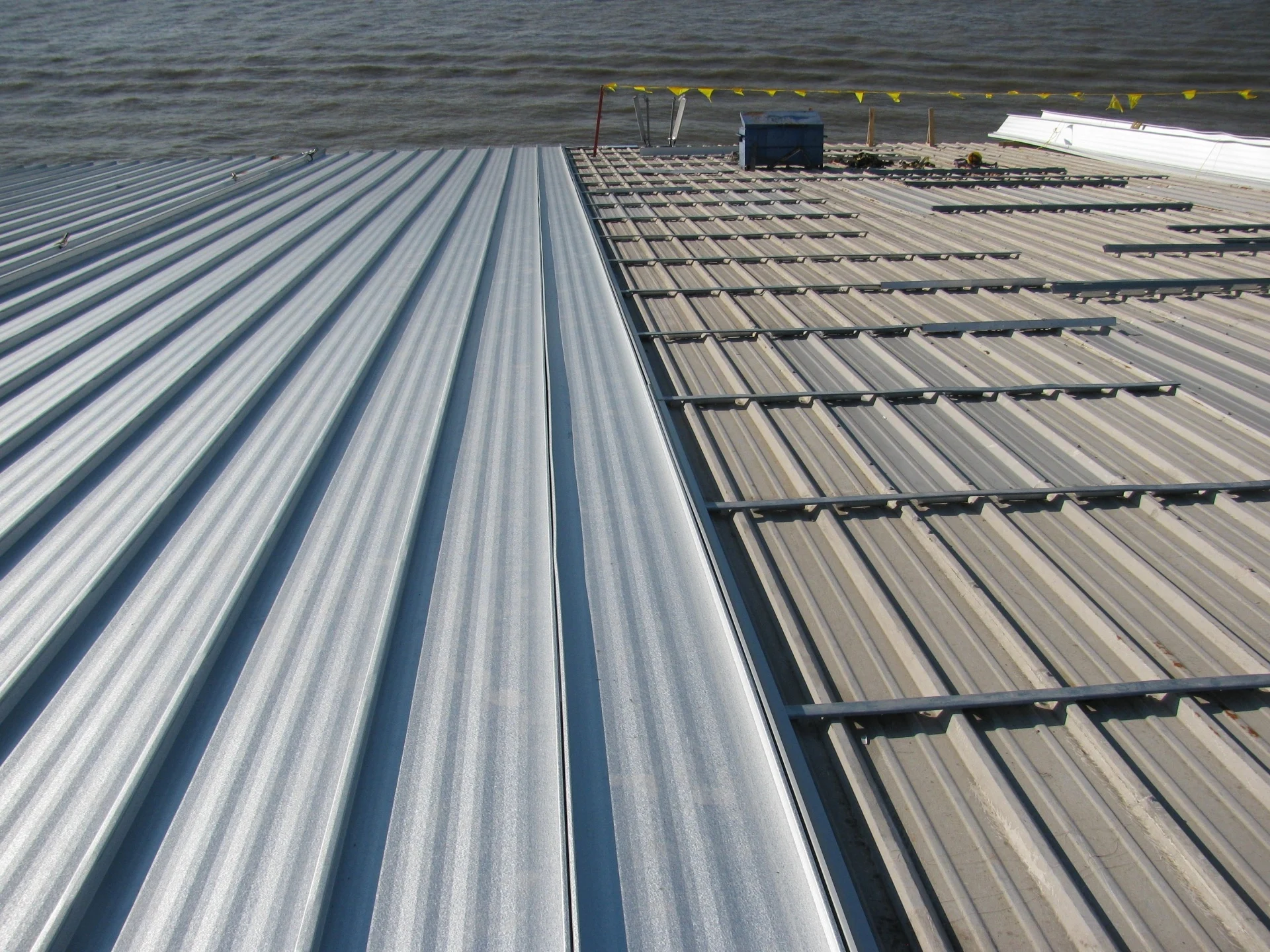
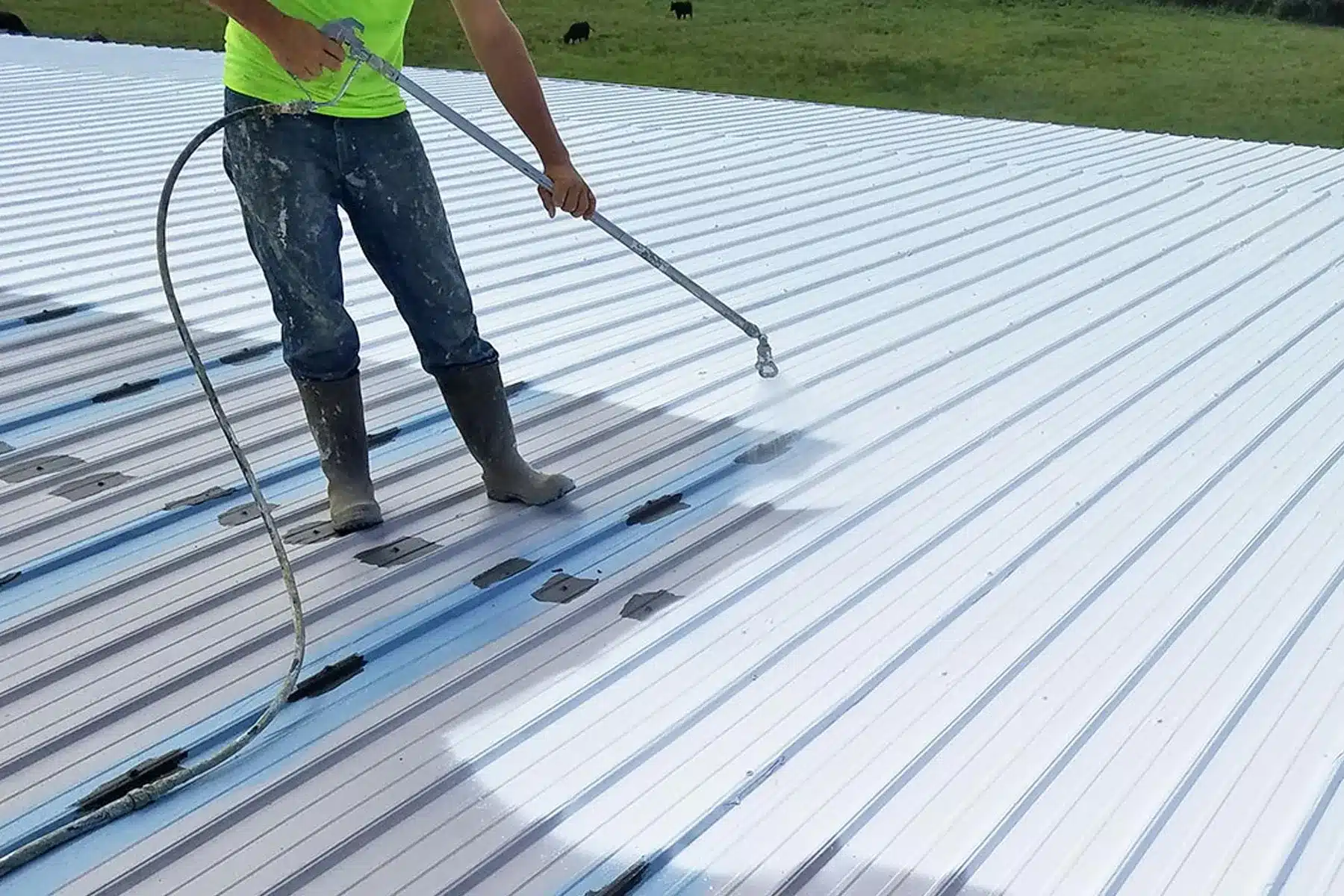
Commercial roofing for Class A, B, and C office buildings, suburban office parks, and downtown towers throughout Miami, FL.
World Fuel Services Corporation, one of the largest fuel distribution companies in the world, maintains its corporate headquarters in a Class A office building in Miami, placing it at the center of a commercial real estate market that is simultaneously the most hurricane-exposed and one of the most sophisticated in the United States. Miami's Class A office market—Brickell Avenue, Coral Gables, Downtown, and the airport business district—operates under building codes that are the most demanding in the country for wind resistance, and re-roofing an occupied office building in Miami means navigating HVHZ product approval requirements, Florida energy code compliance, subtropical HVAC demands, and the complex lease obligations that come with Class A multi-tenant buildings in a major financial center.
Miami-Dade County's High Velocity Hurricane Zone product approval requirements govern every component of a commercial office roofing installation. This is not the same as other markets where a roofing contractor selects products from a manufacturer's standard line—in Miami-Dade, only roofing products that carry a current Miami-Dade Notice of Acceptance (NOA) can be legally installed on a permitted commercial project. Office building owners who assume their contractor knows this and verify it post-bid are taking a risk; verify NOA approval for every specified product before the contract is signed. A single non-approved component can trigger a stop-work order during inspection.
Occupied building protocols for Miami office roofing must account for the extreme heat that makes HVAC shutdown essentially impossible for much of the year. Miami's climate means that cooling demand exists every month of the year, and a unit shutdown during summer afternoon hours can push a corner office from 72°F to 85°F in under 20 minutes. All HVAC curb re-flashing work must be scheduled for overnight hours, and the shutdown window must be engineered to be under four hours to allow re-test and verification before the first occupants arrive at 7 or 8 a.m. This requires a roofing crew, a mechanical contractor, and building staff all coordinating at 2 a.m.—a level of project management sophistication that not every contractor can deliver.
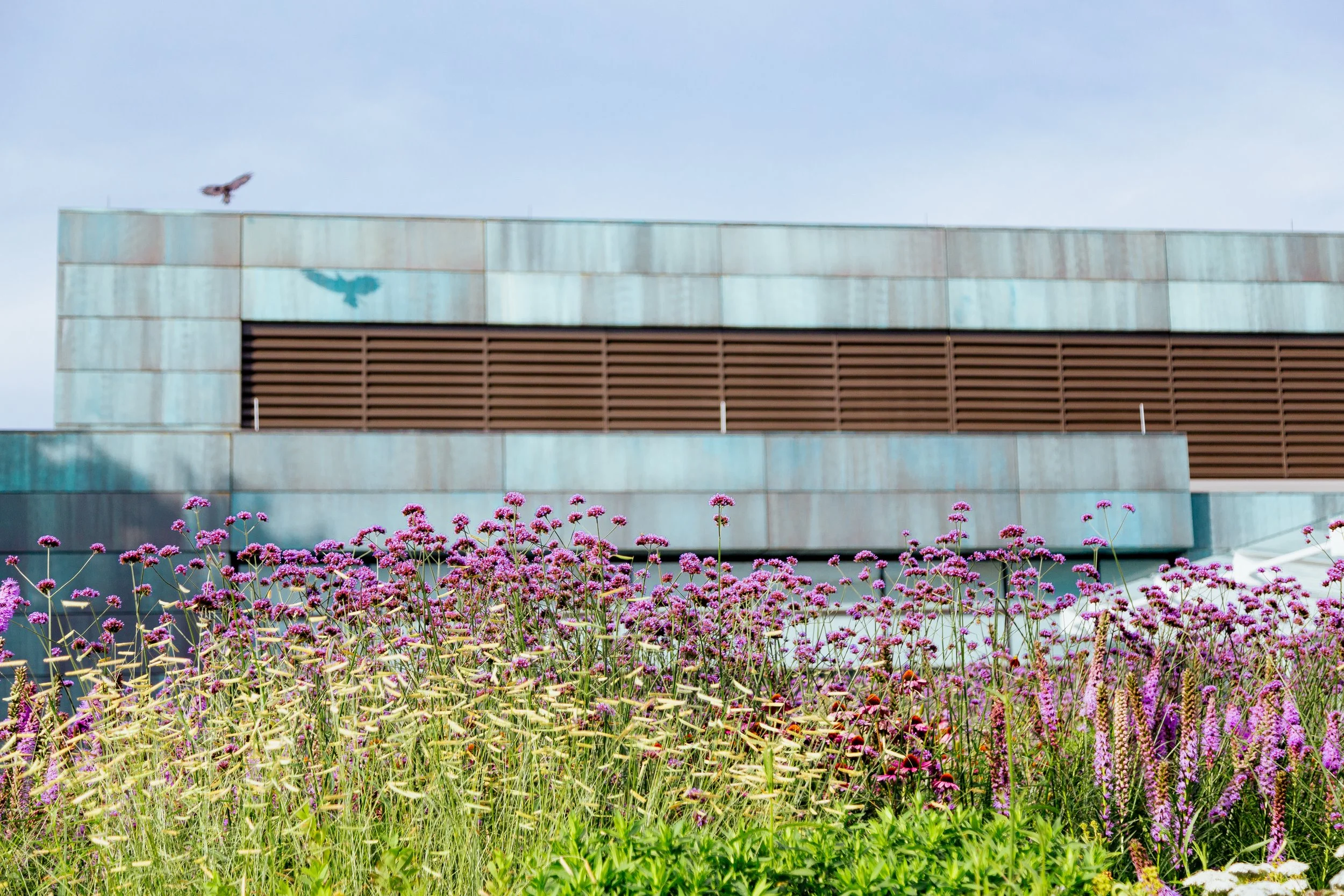
Green roof options for Miami office buildings present both opportunity and challenge. The tropical climate supports lush plant growth year-round, which makes a well-maintained green roof genuinely beautiful and effective. The challenge is the hurricane wind loads that act on a green roof assembly: growing media becomes a projectile in a Category 3 or 4 hurricane if the ballast layer is not engineered for 170-mph uplift resistance. Miami-Dade building officials require engineered calculations for green roof assemblies that demonstrate the growing media will not become airborne during a design wind event. A green roof consultant with specific HVHZ experience is essential for any Miami office building green roof project.
Florida Building Code energy requirements for Miami office building roofing mandate minimum solar reflectance of 0.65 and thermal emittance of 0.9, which are among the highest cool roof standards in the country. White TPO and white PVC with HVHZ NOA approval are the primary compliant membrane options. Florida Power and Light (FPL) has offered commercial cool roof rebates through its Business Express program in past years, and the combination of mandatory cool roof compliance and available utility incentives makes a white membrane the unambiguous specification choice for every Miami office building re-roofing project.
Lease obligations for Miami Class A office buildings are complex because of the concentration of international companies—Latin American financial institutions, shipping companies, legal firms—whose leases may have been drafted with different conventions than standard US commercial leases. A building owner planning a re-roofing project in Brickell or the Coral Gables business district should have Florida real estate counsel with international commercial lease experience review all tenant leases before establishing the project coordination framework. HVAC service obligations, quiet enjoyment standards, and force majeure provisions related to hurricane events are all potentially relevant lease provisions.
Seismic considerations are minimal in Miami compared to California, but the wind design requirements that govern in their place are among the most demanding in the world. Rooftop equipment curbs must be engineered for 170-mph wind loads, and the connection between equipment and the roof structure must be designed by a Florida-licensed engineer. Parapet cap flashings must be specifically engineered for edge zone wind pressures—the pressure on a parapet cap at the corner of a 20-story Miami office building during a major hurricane is a load that requires professional engineering design, not a standard product specification.
Contractor licensing requirements for Miami office building roofing are more layered than any other US market: Florida Certified Roofing Contractor license, Miami-Dade county qualifier registration, and demonstrated HVHZ compliance track record are all necessary. For Class A office buildings in Brickell or Coral Gables, add experience with high-rise building access methods, occupied-building coordination at this management level, and LEED documentation capability. The Miami contractor market includes national firms with Florida divisions, strong regional firms that specialize in HVHZ work, and smaller local firms that focus on residential markets. Class A office building projects should be awarded only to firms with demonstrated high-rise commercial office experience.
Cost benchmarks for Miami Class A office building roofing are the highest of any US market presented here. HVHZ-compliant TPO or PVC re-roofing projects on Class A buildings run $19–$28 per square foot. Green roof installations with HVHZ-engineered growing media and wind-uplift-resistant assemblies run $30–$50 per square foot. FPL cool roof rebates, where available, offset $0.10–$0.20 per square foot. Annual maintenance contracts for Miami Class A buildings run $0.25–$0.45 per square foot, including semi-annual inspection, hurricane pre-season and post-season evaluations, and NOA compliance verification.
Frequently asked questions
Is built-up roofing still installed on new Miami commercial buildings?
Rarely on new construction. BUR has largely been replaced by TPO and PVC single-ply membranes for new commercial low-slope construction in Miami-Dade. Modified bitumen — a close relative of BUR using polymer-modified asphalt plies — is still specified for specific applications, particularly in recover configurations and on buildings where foot traffic and mechanical abuse favor the thicker ply system. We install and maintain both BUR and modified bitumen on existing buildings but rarely specify BUR for new construction.
How do I know if my 1980s Miami office building's BUR system is still viable?
A moisture survey is the starting point — either electronic moisture probing or infrared thermography. If insulation saturation is below 25 percent by area and the deck is sound, a recover with targeted wet-area removal and a new mechanically attached membrane or modified bitumen cap is often viable. If saturation is widespread or the deck is deteriorated, replacement is the honest scope. We provide the moisture survey data and the deck inspection findings as part of the assessment so the decision is based on documented condition rather than a contractor's estimate.
Can a BUR system be recovered with TPO in Miami-Dade?
Yes, when the BUR substrate is dry, the deck is sound, and an NOA-approved recover assembly exists for the specific BUR type and TPO system combination. We verify the NOA approval before designing the recover specification. Not all TPO manufacturer systems have Miami-Dade NOA approvals for BUR recover configurations — the approval list is assembly-specific.
What is the typical service life of a Miami BUR system?
A well-installed BUR system in Miami conditions typically provides 20 to 30 years of service life before significant rehabilitation is required. Miami's high UV intensity, surface temperatures exceeding 160 degrees F, and coastal salt environment accelerate asphalt oxidation and ply adhesion degradation relative to inland markets. Pre-1992 Miami BUR systems that are now 30-plus years old and have not been recovered or significantly repaired are generally past viable service life.
Get a documented BUR condition assessment for your Miami building.
Our project managers will conduct a moisture survey, pull cores at suspect locations, inspect deck condition, and deliver a written report with recover-versus-replace recommendation and cost basis — before any commitment to a scope.