Roof Replacement Planning
Miami, FL · Services
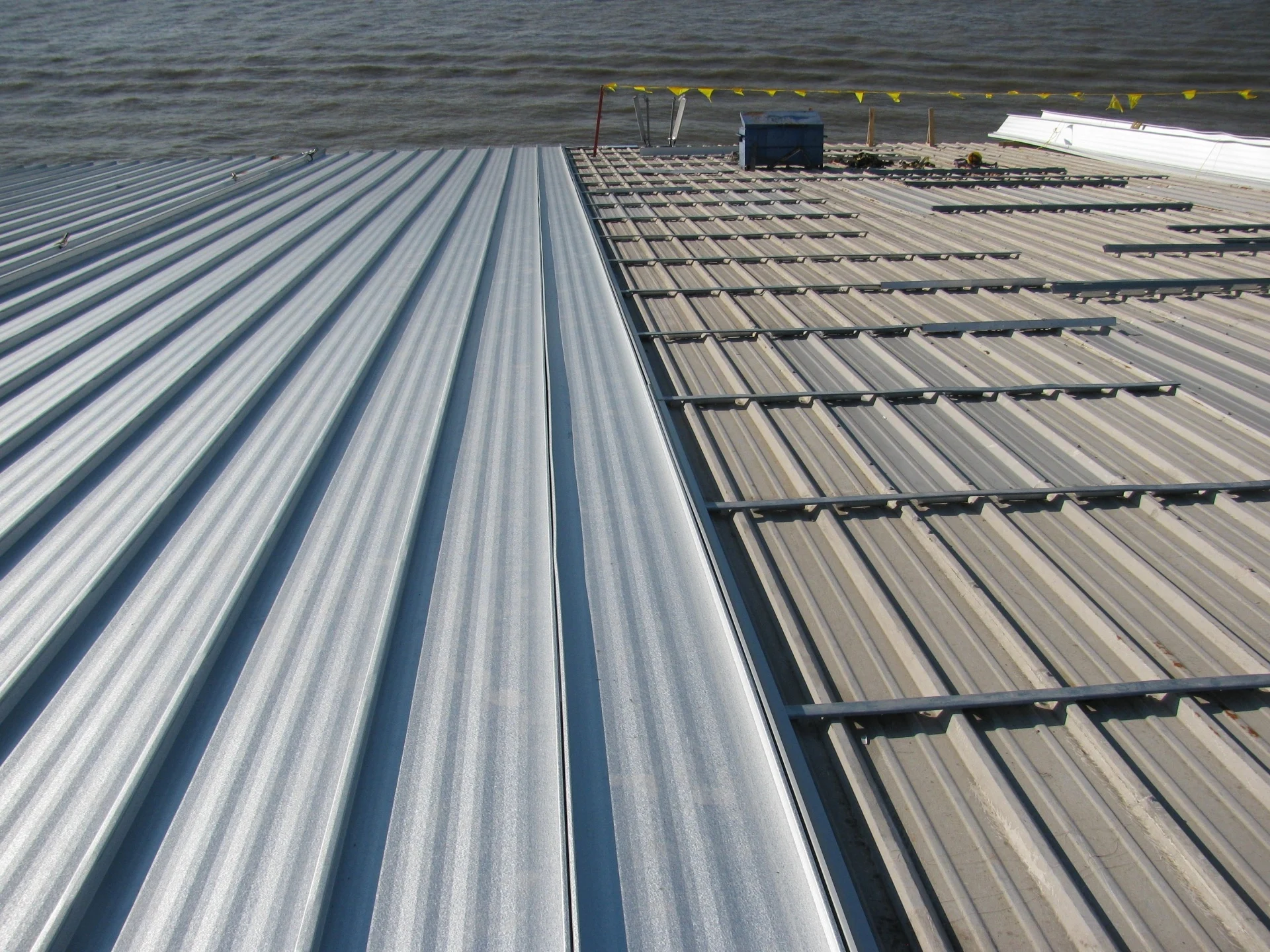
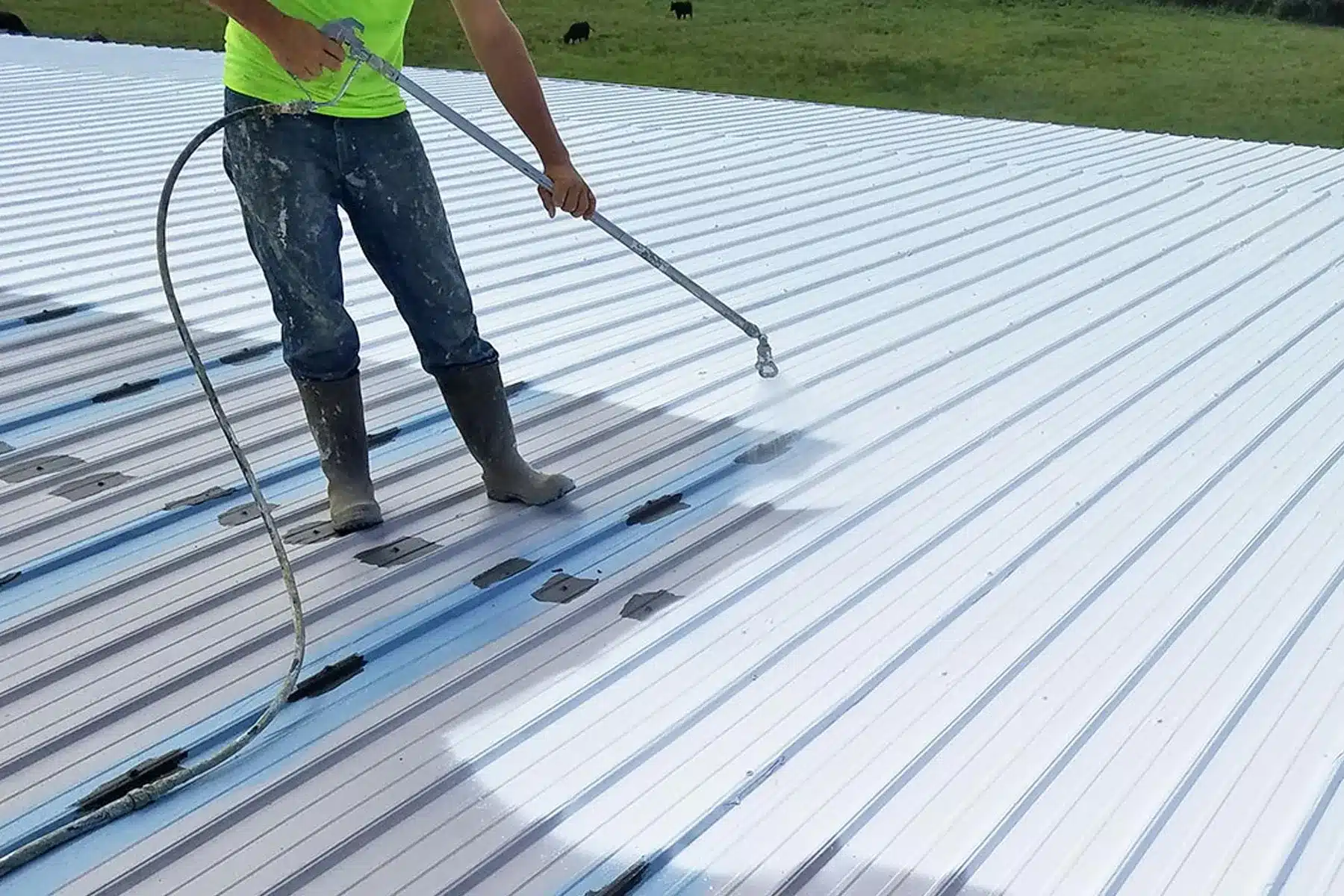
A Miami commercial roof replacement planned six months ahead costs less, goes faster, and performs better than one scoped reactively after a storm or a failed inspection. We develop replacement scopes before you need them — so the scope is detailed enough to bid competitively and the permit is in hand before your capital is committed.
Most Miami commercial roof replacements get scoped under some form of pressure — a significant storm has just exposed the roof's condition, the manufacturer warranty has expired and the warranty desk is no longer responding, or the facility manager is getting complaints from the building's largest tenant about water intrusion. That pressure compresses the time available for good scoping decisions, and compressed scopes produce expensive change orders, inadequate competitive bidding, and installation details that do not hold up.
Replacement planning is the alternative. Starting the scoping process 12 to 18 months before the planned replacement date gives time to conduct a thorough condition assessment, select the right system for the building's next 20 to 30 years, develop a detailed scope with NOA approval documentation, obtain permit early, and enter the competitive bid process with a scope that contractors can actually price accurately. In Miami-Dade's permitting environment, where commercial roofing permits routinely take 4 to 6 weeks from complete submission, pre-planning also prevents the situation where the capital is committed but the permit is not yet in hand.
We develop replacement planning scopes as a standalone engagement — the assessment and scope document is owned by the building owner and can be used to solicit bids from any contractor. We are available to bid the project ourselves, but the planning scope is not conditioned on us doing the work.
The Planning Scope: What We Produce
A replacement planning scope from our team is a written document that covers the following in detail: a condition assessment with moisture survey data and deck inspection findings; a system recommendation that specifies the membrane type, insulation stack, attachment method, and Miami-Dade NOA approval reference for the proposed assembly; a wind-uplift design summary that identifies the field, perimeter, and corner zone fastener patterns based on the building's ASCE 7 design pressures and HVHZ requirements; a permit timeline projection based on the current Miami-Dade (or municipal) permitting queue; a production schedule with hurricane-season weather contingency; and a cost range estimate sufficient for capital budgeting.
The system recommendation section is the core of the scope document. It explains why the specified membrane system is appropriate for the building — building use, deck type, slope, drainage pattern, capital horizon, and existing conditions — and why other systems were considered and set aside. For a Brickell Class A office building with high foot traffic from rooftop mechanical maintenance and a 25-year capital horizon, the system recommendation is different from that for a Hialeah industrial warehouse with light mechanical traffic and a 15-year capital cycle. We write the recommendation specifically for the building.
The cost range estimate in the planning scope is based on current Miami-Dade subcontractor pricing for the specified assembly — membrane, insulation, recover board if applicable, fasteners, flashings, and perimeter metal — plus labor based on production rates for the building's configuration. We provide a range rather than a single number because field conditions (deck condition, drain count, penetration count) always add variability that the planning scope cannot fully resolve without production access to the roof.
Hurricane Season Scheduling Considerations
Miami's hurricane season — June 1 through November 30 — is six months of the year. Scheduling a commercial roof replacement for this period is not impossible, but it requires specific production planning that affects both the timeline and the cost. During hurricane season, we structure production phases to reach same-day dry-in before the typical 2 to 3 PM afternoon thunderstorm window. This limits daily production output compared to the dry season — Miami's rainy-season afternoon storm pattern effectively caps production at 8 to 10 hours per day when thunderstorm probability is high.
For buildings larger than 75,000 square feet, the planning engagement should address whether to schedule production outside hurricane season (December through May) or to accept the longer production timeline of a hurricane-season project. The answer depends on the urgency of the replacement — a roof that is actively leaking or at high hurricane failure risk should not wait for the dry season — and on the building's occupancy calendar and any tenant considerations that make dry-season disruption more or less acceptable.
Pre-season planning also allows us to file for the Miami-Dade building permit in advance of the production start. A permit filed in January for a May start gives a comfortable buffer for the typical 4 to 6-week Miami-Dade plan review cycle and any resubmission required for permit corrections. Waiting to file until the week the project is funded typically results in production delays waiting for permit issuance.
Competitive Bid Process Support
Building owners who manage multiple properties, maintain fiduciary responsibilities to shareholders or public beneficiaries, or simply want competitive pricing should use the replacement planning scope as a bid document. A detailed scope with NOA approval references, fastener pattern design, and specified assembly components is a real bid document — contractors are pricing the same work, not comparing different approaches to an incompletely specified project.
The value of a detailed bid document is most apparent when bids come back with significant spread. Without a detailed scope, bid spreads of 40 to 60 percent on a commercial roof replacement are common in Miami — contractors are making different assumptions about scope items that are ambiguous in a vague specification. With a detailed scope, bid spreads should narrow to 15 to 20 percent, and the variances are attributable to real cost differences rather than scope assumption differences.
We can support the bid process as the owner's technical representative — reviewing submitted bids for scope compliance, clarifying scope items that bidders raise, evaluating bid alternatives that contractors propose against the specified system, and providing a recommendation on bid award. This is a separate engagement from the planning scope development, but it is work we do regularly for Miami property management firms, REITs, and institutional building owners who need an independent technical perspective on contractor bids.
Frequently asked questions
How far in advance should we start replacement planning for a Miami commercial building?
For buildings larger than 50,000 square feet, 12 to 18 months ahead of the desired production start gives enough time to complete the condition assessment, develop the scope, obtain the permit, and run a competitive bid process. For smaller buildings in the 10,000 to 50,000 square foot range, 6 to 9 months is typically adequate. For buildings where the replacement is urgent — active hurricane exposure, active leaking — we compress the planning timeline and prioritize permit submission, but compressed planning always produces more change orders than planned projects.
Who owns the replacement planning scope document?
The building owner owns the scope document. We develop it as a deliverable for the owner's capital planning and procurement processes. The scope can be used to bid the work with any contractor, including us. We do not require that we perform the replacement to justify the planning engagement.
What does the replacement planning engagement cost?
Planning engagement fees depend on building size and complexity. For a straightforward single-building low-slope commercial roof, the planning scope typically runs 0.5 to 1.0 percent of the estimated replacement cost — a $300,000 replacement project would carry a planning fee in the $1,500 to $3,000 range. Portfolio assessments across multiple buildings carry lower per-building fees due to mobilization efficiency. Contact us for a specific fee quote for your building.
Can the replacement planning scope also serve as the permit application for Miami-Dade?
The planning scope provides the technical content that goes into the permit application — NOA reference numbers, fastener pattern design, R-value calculation, and assembly specification. Converting the planning scope into a Miami-Dade permit application is a straightforward step that we handle as part of the permit submission service. The permit application itself requires licensed contractor signature and the formal permit form — it is not identical to the planning scope document, but it is built directly from the scope content.
Start replacement planning for your Miami commercial roof before you need it.
Our project managers will schedule a roof walk, conduct a moisture survey, and develop a written replacement scope with NOA assembly specification and permit-ready technical content — well before the pressure is on.