Hurricane Damage Roof Repair Service
Miami, FL · Services
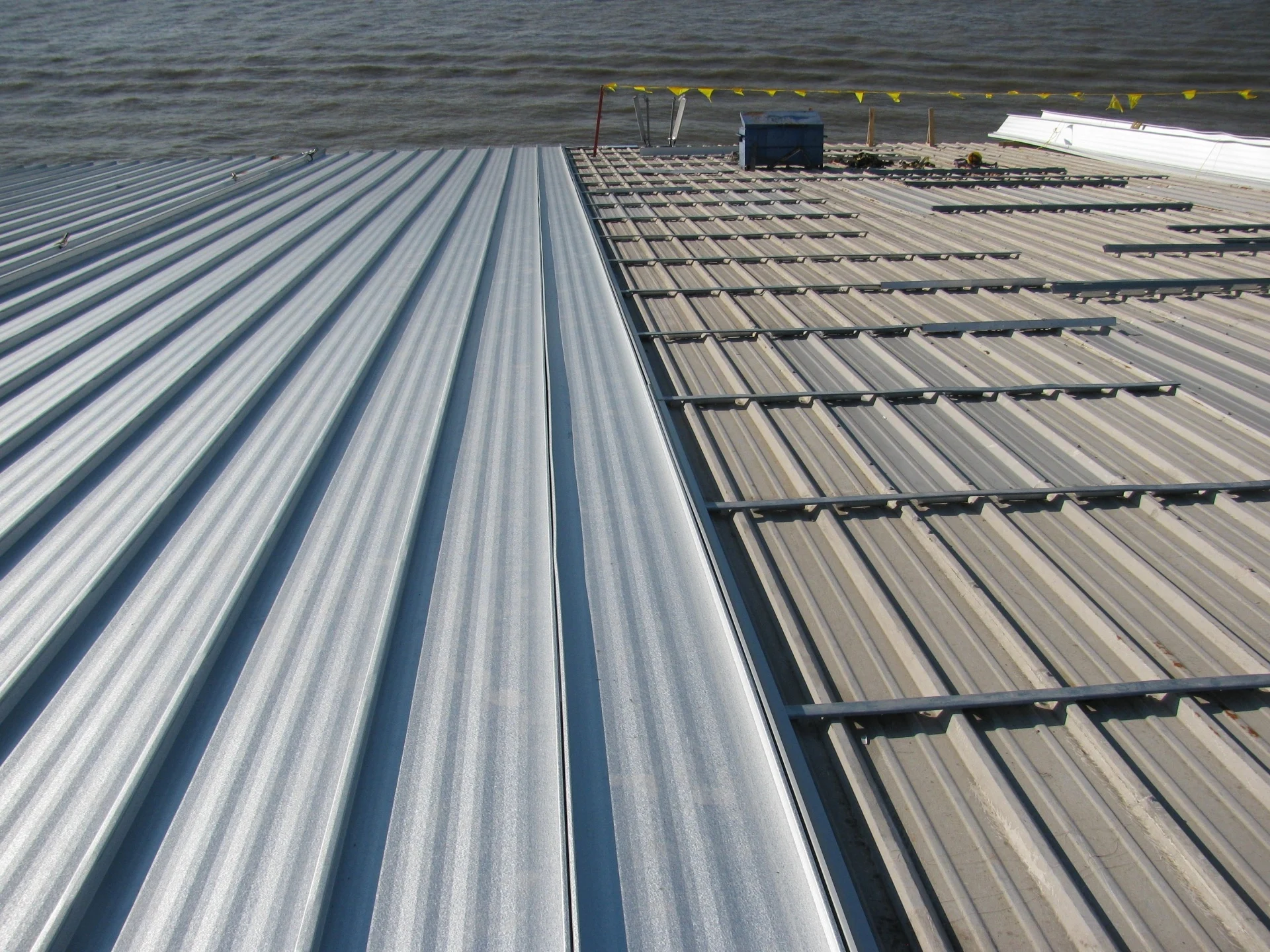
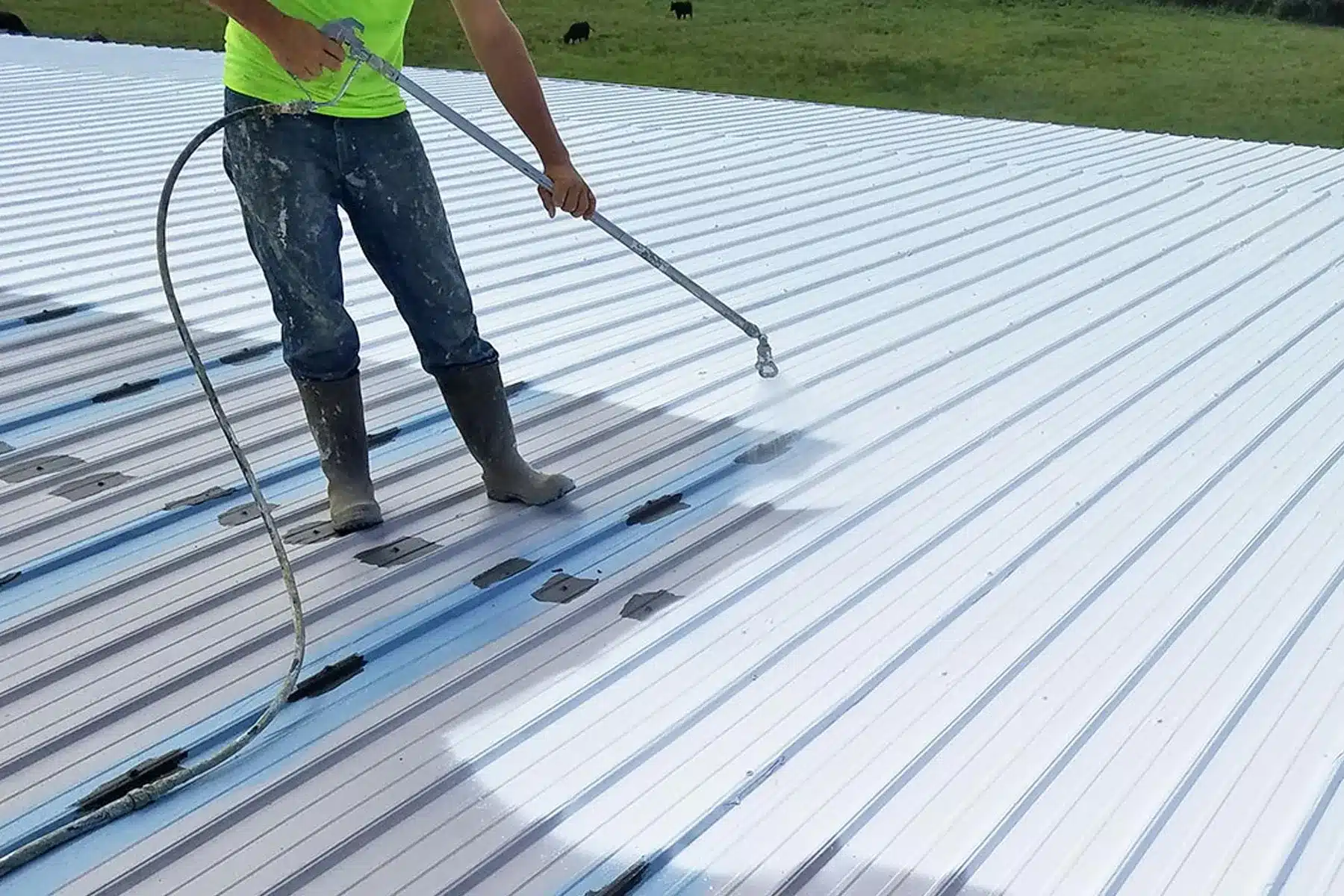
When a named storm crosses Miami-Dade, the priority sequence is: dry-in first, document damage before any permanent repair begins, then scope and permit the permanent repair. Skipping the documentation step is the most costly mistake a building owner can make — it forfeits the insurance claim evidence that is hardest to reconstruct after the fact.
Miami-Dade commercial roof hurricane damage follows predictable patterns that post-Andrew and post-Irma engineering studies documented in detail. Membrane blow-off initiates at corner and perimeter zones where wind-uplift pressures are highest and where flashing details are most likely to have deteriorated or to have been installed to below-code standards. Once the membrane lifts at an edge or corner, dynamic pressure cycling propagates the failure inward — a 200-square-foot corner blow-off can become a 2,000-square-foot field failure within hours of sustained Category 3 or higher winds.
We have run post-storm emergency dry-in and damage assessment operations in Miami-Dade after multiple named storm events, including Irma (2017) and the unnamed tropical systems that cross Miami-Dade in most active hurricane seasons. The post-storm work environment is different from normal commercial roofing — Miami-Dade Building Department issues emergency repair authorizations for dry-in work in the immediate post-storm period, the permitting timeline for permanent repair is compressed, and the documentation required to support insurance claims must be captured within days of the event before conditions change.
Our hurricane damage repair service covers the full sequence: post-storm emergency dry-in, insurance-grade damage documentation, permanent repair scoping with NOA-compliant assembly specifications, permit application, and final inspection closeout. We do not hand off from emergency response to permanent repair — the same project manager who managed the dry-in knows the damage pattern and manages the permanent repair scope.
Emergency Dry-In Protocol
Emergency dry-in after a Miami hurricane means getting temporary waterproofing over exposed roof deck before the next rainfall event — which in Miami's post-storm pattern can arrive within 24 to 48 hours of a storm's passage. Our emergency crews carry heavy-duty polyethylene sheeting, temporary single-ply membrane material, and mechanical fastening equipment. For roofs where the structural deck is exposed over occupied space, temporary dry-in is the first priority over documentation — we document before and after the dry-in, not instead of it.
Miami-Dade Building Department's emergency repair authorization process allows contractors to begin dry-in work without the standard permit-review cycle in the immediate post-storm period. The authorization does not exempt the permanent repair from permitting — the building owner is required to pull a standard permit for any permanent repair work following the emergency authorization. We manage this transition: emergency work is documented with photographs and a written scope, and the permit application for permanent repair is filed within the required timeframe.
Sequencing matters. Emergency dry-in work is explicitly designed to be temporary — it is not a permanent repair and should not be scoped or represented as one. Owners who accept a tarped or single-ply-lapped temporary repair as the final scope run the risk of their insurance carrier treating the dry-in as the settlement and declining to fund the full permanent repair. We produce a written scope that distinguishes temporary dry-in from the permanent repair scope required to restore the roof to pre-storm condition.
Insurance Documentation Standards
Miami-Dade commercial property adjusters require documentation that identifies the boundary between pre-existing condition and storm-event damage. This distinction determines whether damage items fall under the policy's hurricane coverage or under the maintenance exclusion. Our damage documentation protocol produces a photo log with GPS-referenced coordinates on the roof zone diagram, a written condition narrative with explicit pre-existing / event-related labeling at each damage item, and a repair scope that distinguishes code-minimum storm repair from elective improvements.
We produce a separate pre-existing condition assessment that documents deterioration that was present before the storm event — this protects the building owner by showing that storm-related damage was not pre-existing, and it protects the insurance carrier from inflated claims that include deferred maintenance items as storm damage. The separation is technically honest and ultimately produces better claim outcomes than inflated documentation that adjusters flag for engineering review.
For buildings with roof assets across multiple Miami-Dade addresses, we can coordinate a portfolio-level post-storm assessment — all properties inspected within the same 48 to 72-hour window, documentation formatted consistently across assets, and a combined repair scope that the property's risk manager and insurance adjuster can review as a single submission.
Permanent Hurricane Damage Repair
Permanent hurricane damage repair in Miami-Dade must use assembly systems with current Miami-Dade NOA approvals. A repair that uses a non-NOA-approved membrane to patch blown-off sections of an existing NOA-compliant system may create a compliance gap that the manufacturer's warranty desk will flag at the next inspection. We specify repair materials that are compatible with the existing membrane system and that carry their own current Miami-Dade NOA approval for the repair assembly as installed.
Perimeter and corner zone repairs — the most common permanent repair scope after a hurricane — often involve replacing failed edge metal and coping systems in addition to the membrane. Miami-Dade's NOA system requires that perimeter edge metal carry its own NOA approval independent of the membrane system. We specify replacement perimeter metal and coping with current NOA approvals and document the approval numbers in the permit application and closeout package.
Final permit inspection and certificate of completion from the Miami-Dade Building Department or the relevant municipal building department is the last step before the permanent repair is officially closed. We coordinate the inspection schedule and deliver the closeout package — permit documents, NOA approval documentation, and a photo-keyed as-built zone diagram — to the building owner at project completion.
Frequently asked questions
How quickly can you mobilize post-storm in Miami?
For buildings on our maintenance contracts, we target first inspection within 24 to 48 hours of conditions allowing safe roof access. Emergency dry-in mobilization follows within the same window. For non-contract buildings, response time depends on post-storm demand — we prioritize life-safety situations (structural exposure, compromised interior) over cosmetic damage. Call (305) 363-7007 immediately after a storm event to get on the response schedule.
Do I need a permit for hurricane damage repair in Miami-Dade?
Emergency dry-in work performed under Miami-Dade's post-storm emergency authorization does not require the standard permit review. However, permanent repair work does require a standard building permit. The permanent repair permit application must be filed within the timeframe specified in the emergency authorization — typically 30 to 60 days after the authorization is issued. We file the permit application for permanent repair work we scope and perform.
What if my hurricane damage claim is disputed?
Disputed claims typically turn on the pre-existing vs. event-related documentation question. If our post-storm inspection report was produced before any repair work began — and it explicitly labels each damage item as pre-existing or event-related — it is the strongest available evidence for your position. If you engaged another contractor for emergency dry-in before we were involved, we can still perform an as-found documentation inspection before the permanent repair begins, with the caveat that the dry-in work has already altered the original damage condition.
Can you repair roofs that were not originally installed to HVHZ standards?
Yes, and this is a common situation on pre-2000 Miami-Dade commercial buildings. The repair scope is required to bring the repaired area into compliance with current FBC HVHZ requirements — you cannot repair a non-compliant perimeter detail to the same non-compliant standard. We specify repairs that
Post-storm emergency response or hurricane damage claim documentation.
Call (305) 363-7007 for emergency mobilization. For planned post-storm damage documentation and permanent repair scoping, request a written assessment through our contact form.