Roof Asset Management Program
Miami, FL · Services
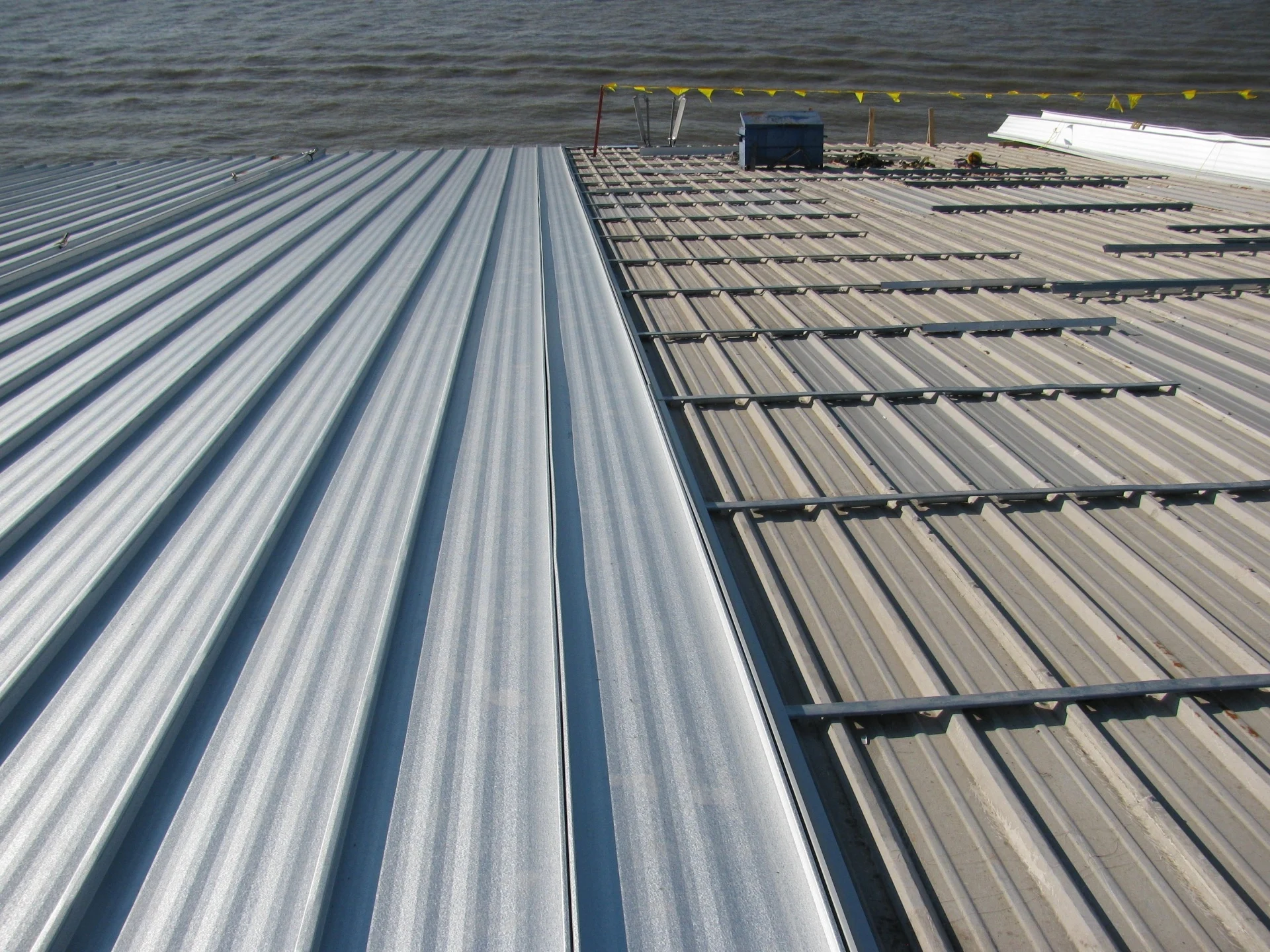
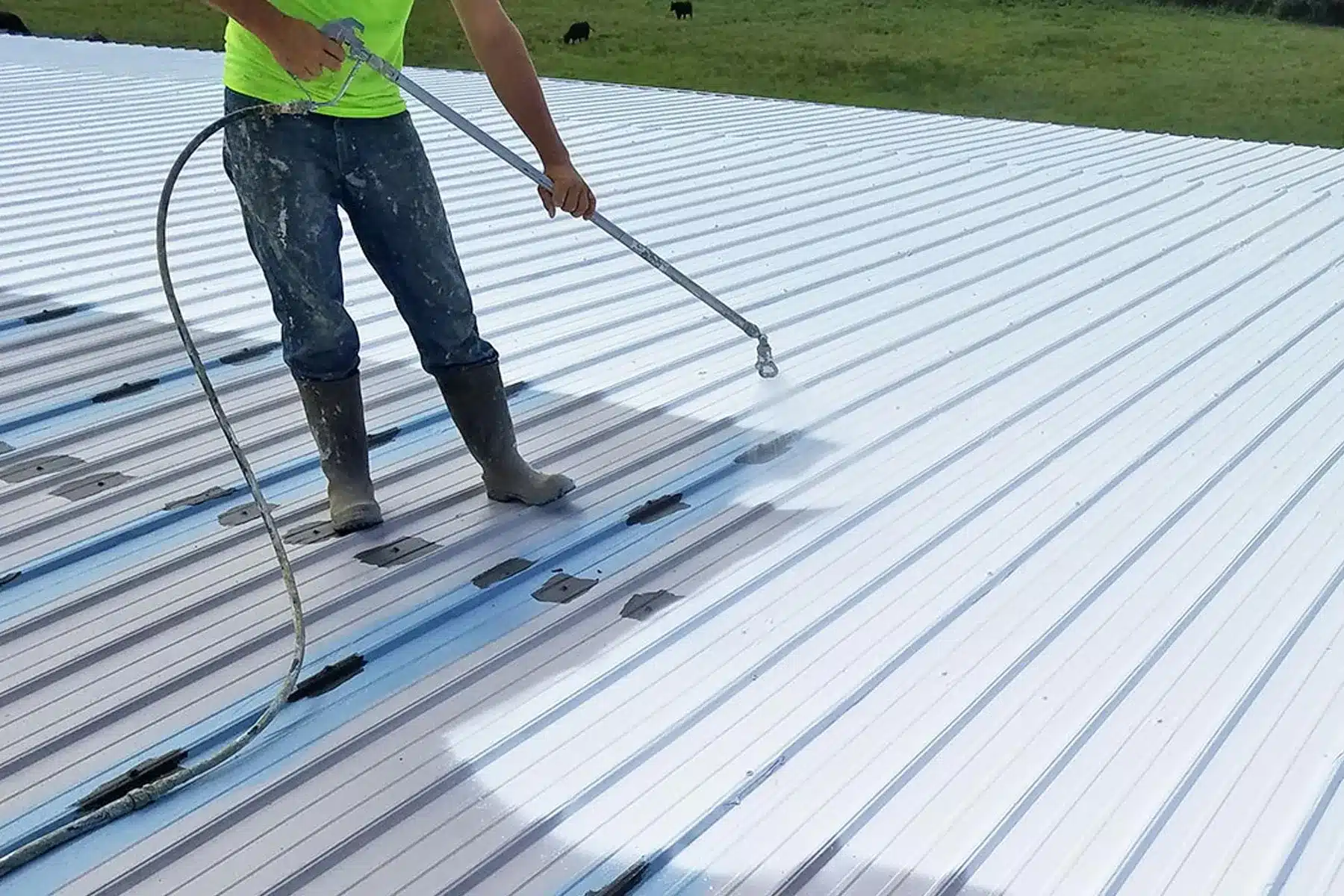
A commercial roof in Miami is a capital asset with a documented useful life, a manufacturer warranty with maintenance requirements, and a Miami-Dade NOA compliance status that affects insurability. Managing it like a capital asset — with scheduled inspections, documented condition data, and a capital forecast — costs far less than managing it reactively.
The most expensive commercial roof replacements in Miami are the ones no one planned for. A 30-year-old BUR system in Hialeah that has been patched every two years for the past decade finally fails in September — during hurricane season — after a tropical storm saturates the insulation across 60 percent of the roof area. The replacement is now an emergency, the capital was not reserved, the permit queue is backed up with storm damage claims, and the contractor the owner calls is the one available, not the one with the right NOA-approved assembly design.
A roof asset management program is the alternative to that scenario. We maintain documented condition records for every roof we manage, track manufacturer warranty expiration and maintenance requirements, monitor Miami-Dade NOA compliance status for the installed assembly, and produce capital reserve forecasts that let building owners and their finance teams plan replacement capital before the emergency materializes. The program covers inspection scheduling, minor repair authorization within an agreed budget, hurricane-season preparation, and annual reporting.
Our asset management programs serve individual Miami commercial building owners, property management firms managing Miami-Dade portfolios, and institutional investors with South Florida real estate holdings who need defensible capital planning documentation for their asset managers and auditors. The program format scales from a single building with one roof to a portfolio of 40-plus buildings across Miami-Dade and Broward.
What the Program Covers: Inspection and Documentation
The foundation of the asset management program is a regular inspection cadence. For most Miami commercial buildings, we recommend two documented inspections per year: a pre-hurricane-season inspection in April or May that identifies repair priorities before the June 1 storm season opens, and a post-hurricane-season inspection in December that documents any storm-related or weather-related deterioration from the season just closed. Buildings on manufacturer warranties that require more frequent inspection to maintain warranty validity get inspections on the manufacturer's required schedule.
Each inspection produces a written report with photographs keyed to a numbered zone diagram of the roof. The zone diagram is consistent across all inspections for a given building, so condition changes at specific locations can be tracked over time. The report identifies every observed deficiency — ranked as immediate action required, schedule within 90 days, or monitor at next inspection — and provides a written description of the repair scope for each deficiency. This documentation structure is what allows condition data to be used for capital planning rather than just reactive maintenance.
Post-hurricane inspection is a specific protocol in Miami's environment. Within 48 hours of a storm event affecting Miami-Dade, we conduct visual assessments of all managed buildings to identify emergency conditions requiring immediate response. We document pre-storm condition separately from post-storm damage — this separation is the basis for defensible insurance claims. Buildings that have pre-storm condition documented in the most recent inspection report are in a substantially better position when an adjuster reviews the storm damage claim than buildings with no prior condition documentation.
Warranty Maintenance and NOA Compliance Tracking
Manufacturer warranties on commercial roofing systems are conditional documents. They require documented inspection on a schedule the manufacturer specifies, authorized repair of deficiencies within the warranty coverage period, and in many cases an annual maintenance payment to the warranty desk. A warranty that lapses because the maintenance schedule was not followed or the required inspections were not conducted is not a warranty — it is a piece of paper.
We maintain a warranty calendar for every managed building. Inspection dates, warranty payment due dates, and any manufacturer correspondence regarding warranty coverage are tracked in the building's file. When we identify a deficiency during inspection that falls within the existing warranty's coverage terms, we document the claim, provide the required photographs and zone-referenced description, and coordinate with the manufacturer's warranty desk for claim processing. We do not ask building owners to manage their own warranty correspondence — that is part of what the program covers.
Miami-Dade NOA compliance status for the installed assembly is also tracked. NOA approvals have expiration dates and can be revised when a manufacturer changes a product. An assembly installed in 2014 with a specific NOA number may have had that NOA revised or expired by 2026 — and if a repair or recover project on that building installs materials that are not covered by the current NOA revision, the new work may not be code-compliant. We track active NOA status for the assemblies on managed buildings and flag any compliance exposure when NOA approvals change.
Capital Reserve Forecasting for Miami Portfolios
The capital reserve forecast is the output that matters most to building owners and asset managers. It answers the question: what will we spend on this roof over the next 10 years, and in which years will that spending be significant? The forecast integrates the current condition assessment, the estimated remaining useful life of the membrane system, the projected timing of major repairs and replacement, and a cost model that reflects current Miami-Dade commercial roofing pricing.
For portfolio owners managing multiple Miami-Dade buildings, the aggregate capital reserve forecast shows total portfolio roof spending by year — which allows finance teams to smooth capital expenditures, avoid years with multiple simultaneous replacements, and plan debt or equity raise to fund major capital events before they become emergencies. A Brickell commercial real estate operator managing eight buildings with roof ages ranging from 4 to 28 years has a very different capital profile than it appears from any one building in isolation.
We update capital forecasts annually — reflecting actual condition data from the most recent inspection cycle, revised cost models based on current contractor pricing, and any changes in manufacturer warranty status that affect the expected repair-versus-replace timeline. The annual update is delivered as a written report suitable for presentation to asset managers, lenders, or boards of directors as part of capital planning documentation.
Hurricane Season Preparation Protocols
For managed buildings, hurricane preparation starts in April with the pre-season inspection. That inspection specifically evaluates perimeter flashing condition, drain condition, parapet cap attachment, any open penetrations or repairs that could become storm failure initiation points, and the condition of any rooftop equipment that could become a projectile under high-wind conditions. Deficiencies identified in the April inspection that pose hurricane risk are prioritized for repair before June 1.
When a storm system enters the Gulf of Mexico or the Atlantic with a track threatening Miami-Dade, we begin active monitoring and prepare mobilization plans for post-storm emergency response. For managed buildings on maintenance contracts, we provide priority post-storm mobilization — inspection within 24 hours of the all-clear, emergency dry-in within 48 hours for identified failures, and insurance-grade damage documentation that is generated from the documented pre-storm condition baseline.
Frequently asked questions
What does a roof asset management program cost per building in Miami?
Program fees depend on building size, roof complexity, and the inspection cadence required by the manufacturer warranty. For a typical 50,000 sq ft single-story commercial building with a standard two-inspection-per-year schedule, the annual program fee runs $3,000 to $6,000 — covering both inspections, the written reports, warranty calendar management, and minor repair authorization up to an agreed per-incident limit. Portfolio programs covering multiple buildings carry volume discounts. Contact us for a specific fee quote based on your building inventory.
Do we need a roof asset management program if our roof is still under manufacturer warranty?
Yes — the manufacturer warranty likely requires a documented maintenance program to remain valid. Most 15- to 20-year commercial roofing warranties include language requiring periodic inspection and authorized repair of deficiencies within the warranty coverage period. A warranty that was never maintained is typically denied when a significant claim is filed. The asset management program is the mechanism that keeps the warranty enforceable.
Can you manage roofs on buildings in Broward County or Palm Beach County in addition to Miami-Dade?
Yes. We hold maintenance accounts on buildings in Broward County (Fort Lauderdale, Hollywood, Dania Beach) and occasionally in Palm Beach County. Broward County uses the South Florida Building Code, which shares many of the same HVHZ requirements as Miami-Dade but has its own permit process and inspection schedule. We are familiar with the Broward County Building Division's commercial roofing permit requirements and inspection protocol.
How does the asset management program integrate with our existing property management software?
Our inspection reports and capital forecasts are delivered as PDF documents with the zone-keyed photo documentation attached. Most property management platforms can import PDF reports as building records. We do not require access to the owner's internal property management system — our documentation is formatted to be uploaded or referenced in whatever platform the building manager uses.
Set up a roof asset management program for your Miami commercial building.
Our project managers will conduct an initial condition assessment, establish the inspection cadence, build the capital reserve forecast, and put the warranty calendar in place — so your roof is managed as an asset, not as a recurring emergency.