Hotel Roofing
Miami, FL · Services
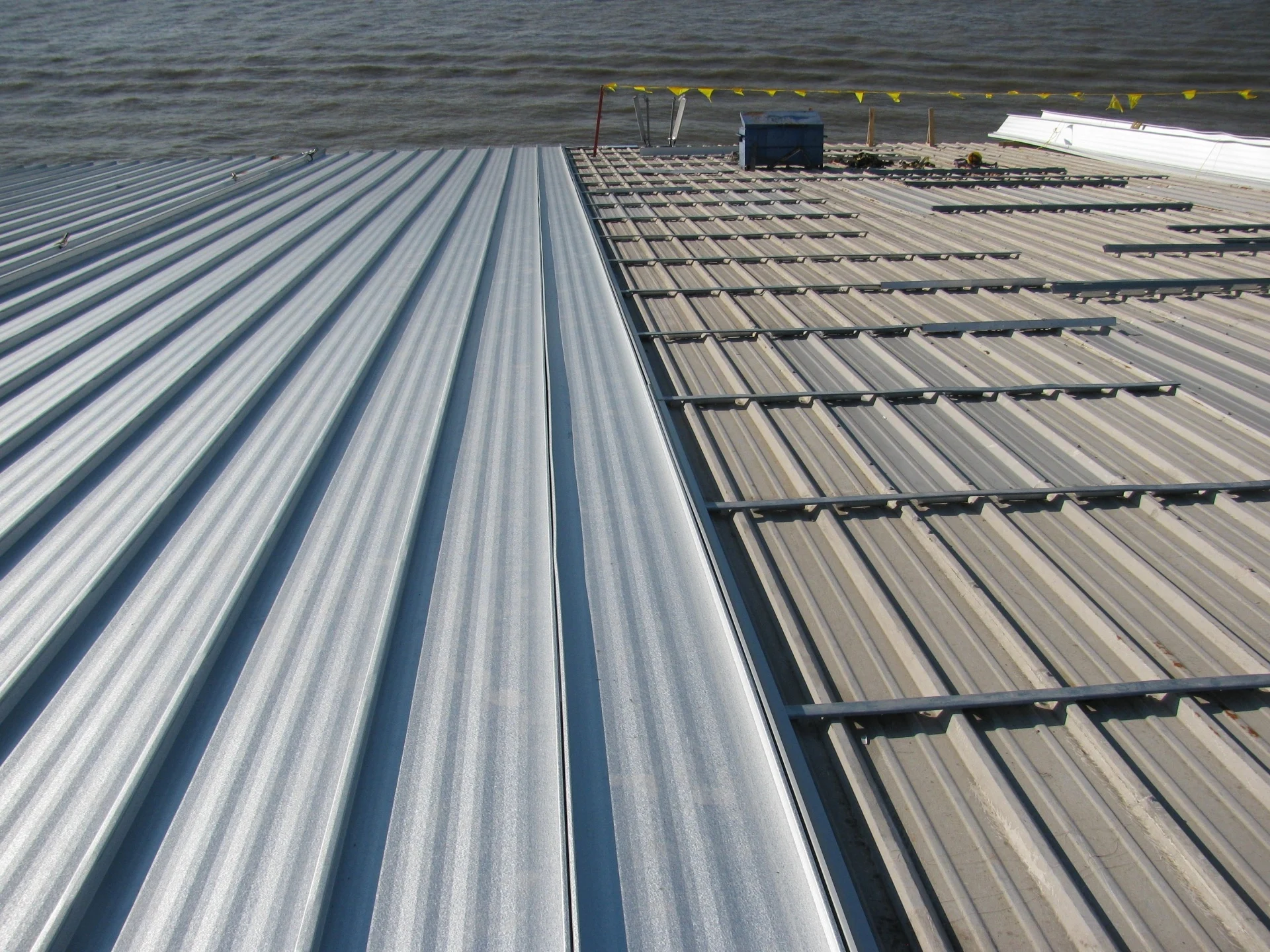
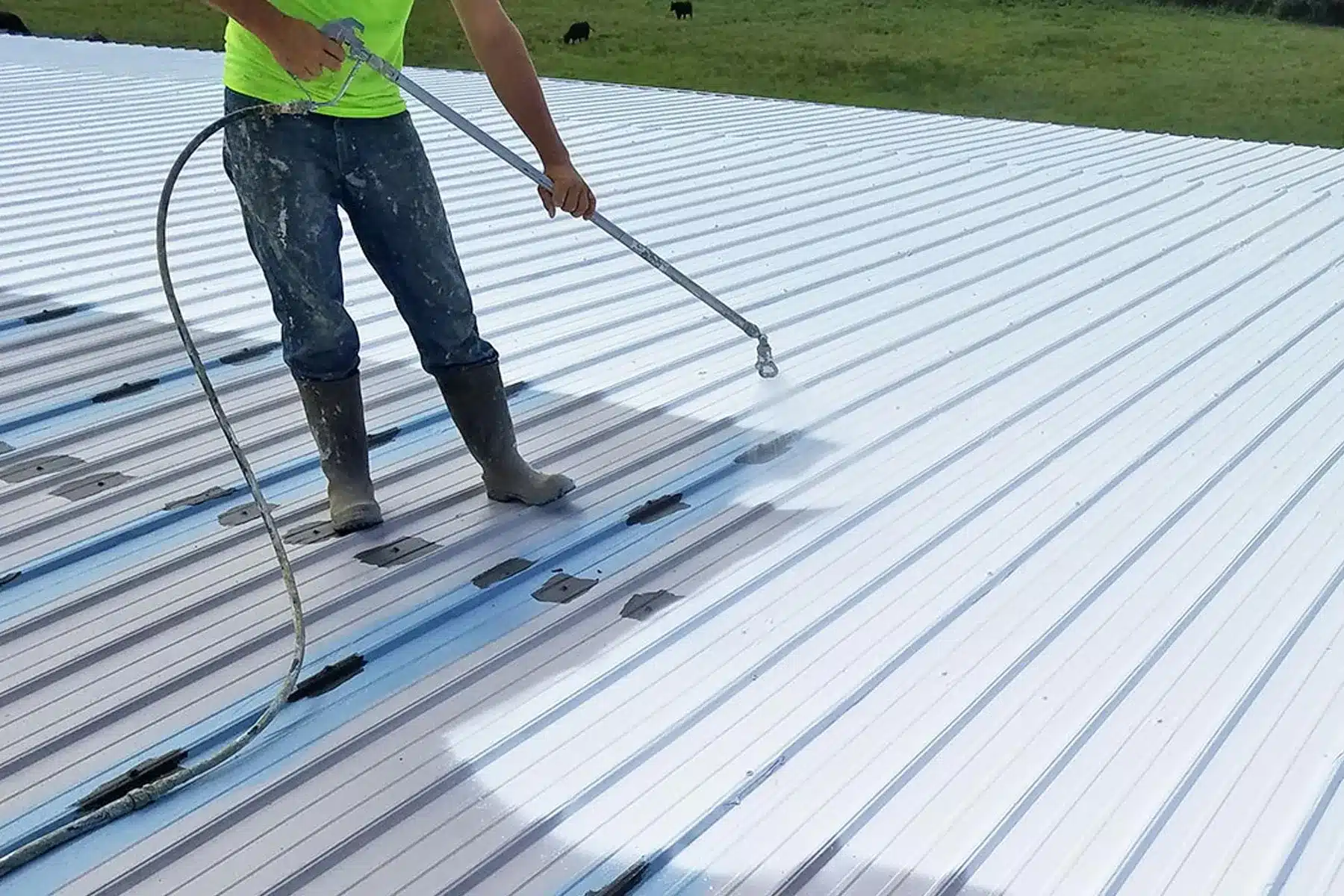
Commercial roofing for full-service hotels, limited-service hotels, extended-stay properties, and hospitality brands throughout Miami, FL.
Miami's hotel market is among the most complex in North America, layering international luxury tourism in South Beach and Brickell, convention and corporate travel at the Brickell City Centre and James L. Knight Center, cruise industry lodging at the Port of Miami corridor, medical tourism at the University of Miami Health System and Baptist Health, and a steady Latin American business travel segment that barely registers as seasonal variation. The four-star and five-star properties on Collins Avenue and in the Design District compete for guests with global travel sophistication, while the mid-scale corridor along Biscayne Boulevard and the airport brands along NW 37th Avenue serve a completely different demand base. Understanding which segment a hotel serves is the starting point for any meaningful roofing conversation in Miami.
Florida Building Code roofing requirements represent the most stringent commercial roofing regulatory framework in the continental United States, and Miami-Dade County applies an additional layer of product approval requirements—the NOA (Notice of Acceptance) system—that restricts material selection beyond state code requirements. Every roofing system component installed on a Miami hotel must carry a Miami-Dade NOA, not just Florida Product Approval, reflecting the county's recognition that high-velocity hurricane zone exposure demands higher product performance standards. Hotel owners working with out-of-state contractors who are not familiar with the NOA system risk specification errors that can void warranties and create permit compliance issues that delay project completion.
Hurricane risk is the defining context for all roofing decisions in Miami's hotel market. The city's direct exposure to Atlantic hurricane approach paths means hotel roofing systems must be designed for the wind loads associated with major hurricane events, not just the baseline code minimum. The 2004 and 2005 hurricane seasons exposed systemic weaknesses in commercial roofing attachment across South Florida that the code subsequently addressed, and properties built before those code revisions may carry roofing systems that are now non-compliant for wind uplift. Hotels approaching franchise PIP deadlines should obtain a wind uplift assessment of their existing roof assembly before committing to a re-cover approach that might preserve a non-compliant base system.
Property Improvement Plans at Miami's branded properties—particularly the Marriott, Hyatt, and IHG flags that populate the Brickell and downtown corridor—must account for both the compressed permitting timelines required to meet franchise deadlines and Miami-Dade's permit processing reality. Complex commercial roofing permits can require structural engineering review, fire suppression coordination, and product approval documentation assembly that adds weeks to the pre-construction timeline. Hotel operators who engage a Miami-experienced roofing contractor at least nine months before a PIP roofing deadline—rather than the three to six months that might be adequate in other markets—consistently avoid the permit bottleneck that pushes scope completion past franchise compliance dates.
The South Beach and Design District hotel segment includes Art Deco properties and mid-century modern buildings whose original roofing assemblies were never designed for the membrane systems available today. Converting these buildings from original built-up roofing or early-generation modified bitumen to modern thermoplastic systems requires careful attention to the structural load capacity of the original roof deck, the compatibility of new insulation layers with existing drainage pathways, and in many cases, the Historic Preservation Board approval process that governs exterior modifications to Miami Beach's historic district properties. A roofing contractor who has navigated Historic Preservation Board submittals for Miami Beach hotel roofing projects is a genuinely specialized resource.
Extended-stay hotels serving Miami's medical tourism and pharmaceutical industry workforce—particularly properties near the UM Medical Campus in Coral Gables and the Baptist Health campuses in Kendall and South Miami—operate with the consistent high occupancy that medical travel markets produce. Roofing work on these properties requires the same occupied building protocols that any high-occupancy urban hotel demands, compounded by the sensitivity that medical travelers bring to their lodging environment. Night-shift roofing is occasionally possible on these properties for limited scopes, but the standard approach is daytime zone sequencing with front desk coordination and daily noise window management.
Pool deck waterproofing in Miami's hotel market is a premium scope that goes beyond the functional requirements of most commercial roofing. South Beach and Brickell's rooftop pool areas are visible marketing assets photographed by every guest and every media outlet covering the hotel, and the waterproofing assembly under the pool finish, surrounding tile work, and lounge deck areas must accommodate both the demanding pool chemical environment and the intensive guest traffic that defines Miami's hospitality culture. Failures in these assemblies produce repair scopes that require closing the amenity during peak season—an unacceptable scenario at any Miami property where rooftop pool access is a primary booking driver. Specifying premium chemical-resistant fluid-applied systems with manufacturer warranties covering pool environments is the minimum appropriate standard for Miami hotel pool deck waterproofing.
Storm emergency response for Miami hotels must be pre-planned before hurricane season begins in June. The post-storm emergency roofing environment in South Florida after a significant hurricane is characterized by contractor scarcity—regional and national roofing companies deploy to the affected area, but the volume of damaged properties overwhelms supply. Hotels with pre-negotiated hurricane response agreements—including priority response terms, pre-positioned materials, and documented temporary waterproofing protocols—are the properties that get contractor attention in the first critical days after a major storm. These agreements should be renewed annually before each June 1 hurricane season start date.
Miami hotel owners planning long-term roofing capital investments must integrate the city's unique regulatory framework, hurricane risk, historic preservation requirements, and hospitality market sophistication into every decision. The cost of doing roofing wrong in Miami—failed NOA compliance, wind uplift non-conformance, historic district violations, or a rooftop amenity closure during peak season—is substantially higher than in any other US hotel market. Partnering with a roofing contractor who has documented Miami hotel experience, carries all required state and county certifications, and maintains relationships with the local building department and product approval process is not a luxury but a prerequisite for protecting a Miami hospitality investment.
Frequently asked questions
Is built-up roofing still installed on new Miami commercial buildings?
Rarely on new construction. BUR has largely been replaced by TPO and PVC single-ply membranes for new commercial low-slope construction in Miami-Dade. Modified bitumen — a close relative of BUR using polymer-modified asphalt plies — is still specified for specific applications, particularly in recover configurations and on buildings where foot traffic and mechanical abuse favor the thicker ply system. We install and maintain both BUR and modified bitumen on existing buildings but rarely specify BUR for new construction.
How do I know if my 1980s Miami office building's BUR system is still viable?
A moisture survey is the starting point — either electronic moisture probing or infrared thermography. If insulation saturation is below 25 percent by area and the deck is sound, a recover with targeted wet-area removal and a new mechanically attached membrane or modified bitumen cap is often viable. If saturation is widespread or the deck is deteriorated, replacement is the honest scope. We provide the moisture survey data and the deck inspection findings as part of the assessment so the decision is based on documented condition rather than a contractor's estimate.
Can a BUR system be recovered with TPO in Miami-Dade?
Yes, when the BUR substrate is dry, the deck is sound, and an NOA-approved recover assembly exists for the specific BUR type and TPO system combination. We verify the NOA approval before designing the recover specification. Not all TPO manufacturer systems have Miami-Dade NOA approvals for BUR recover configurations — the approval list is assembly-specific.
What is the typical service life of a Miami BUR system?
A well-installed BUR system in Miami conditions typically provides 20 to 30 years of service life before significant rehabilitation is required. Miami's high UV intensity, surface temperatures exceeding 160 degrees F, and coastal salt environment accelerate asphalt oxidation and ply adhesion degradation relative to inland markets. Pre-1992 Miami BUR systems that are now 30-plus years old and have not been recovered or significantly repaired are generally past viable service life.
Get a documented BUR condition assessment for your Miami building.
Our project managers will conduct a moisture survey, pull cores at suspect locations, inspect deck condition, and deliver a written report with recover-versus-replace recommendation and cost basis — before any commitment to a scope.