Expansion Joint Repair
Miami, FL · Services
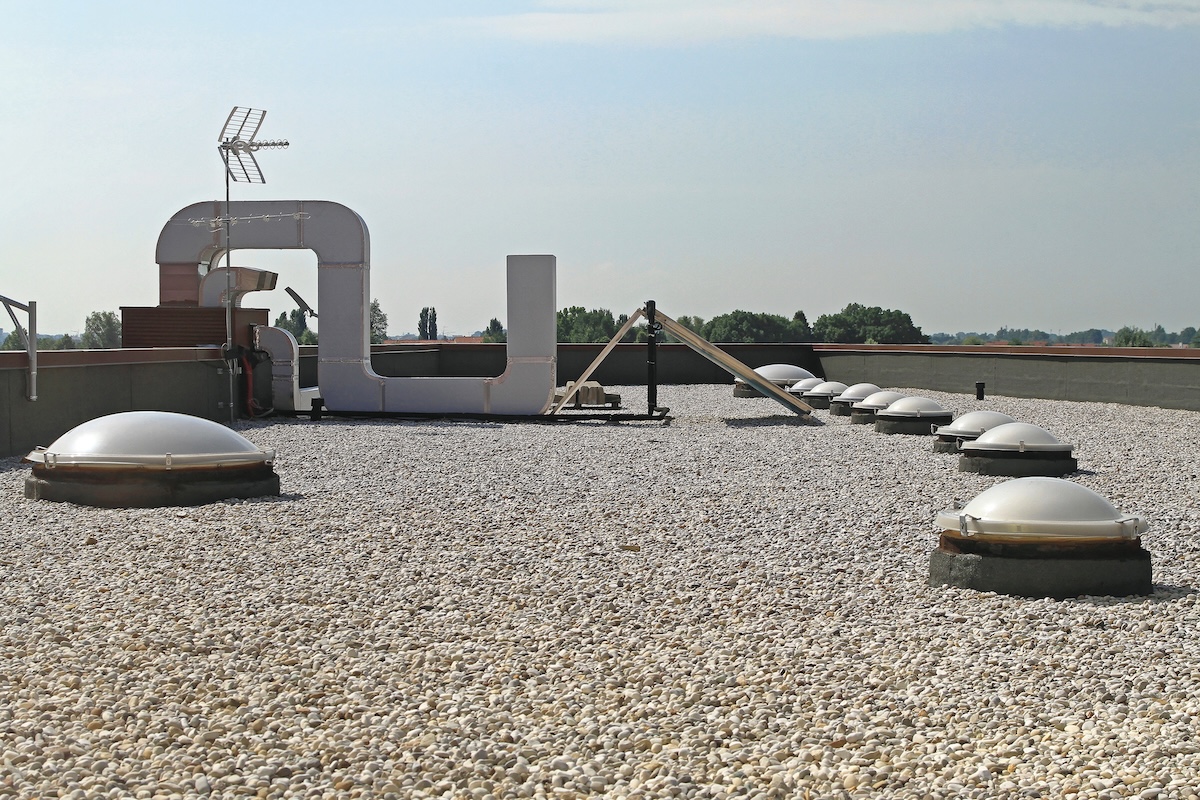

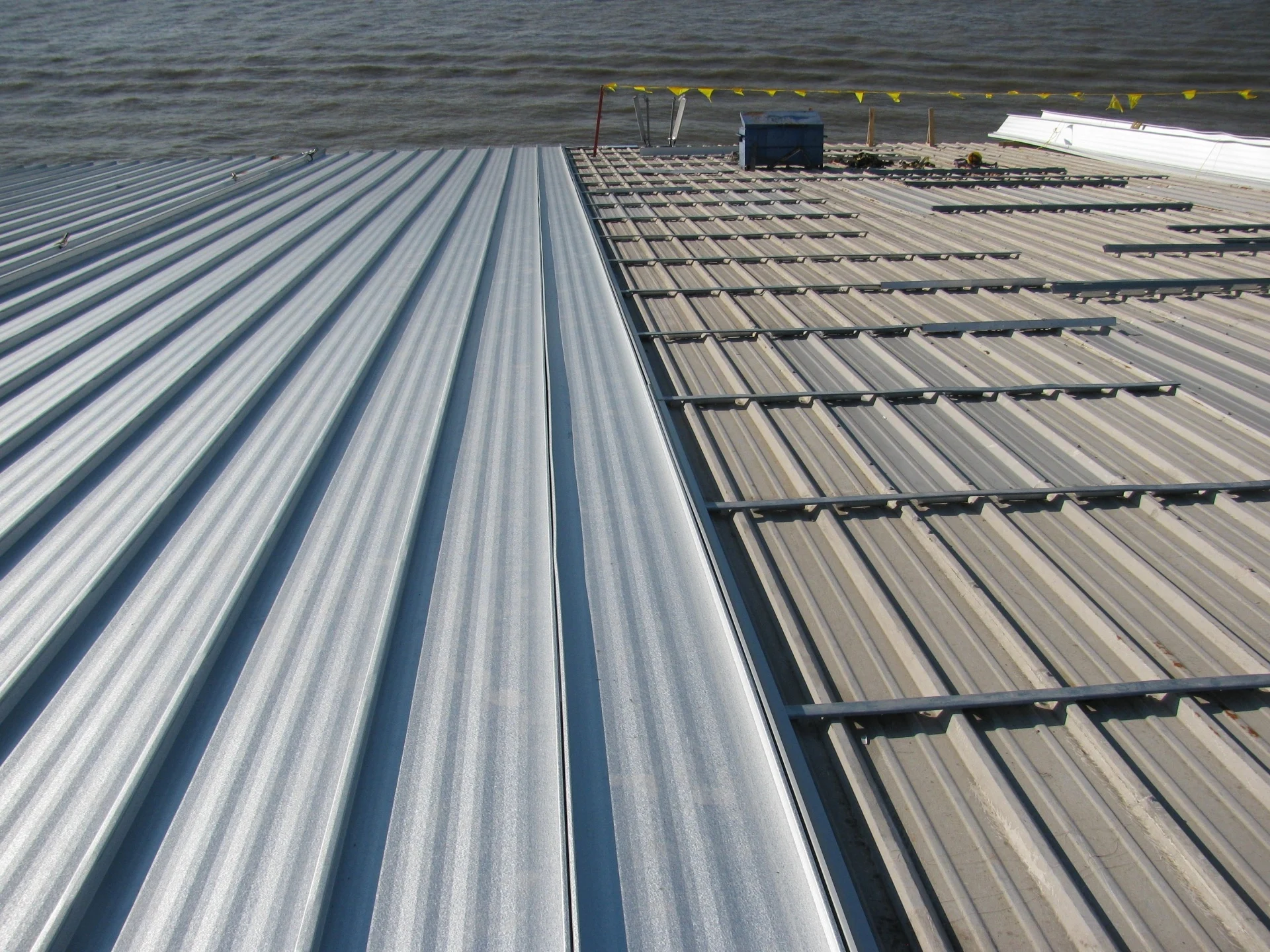
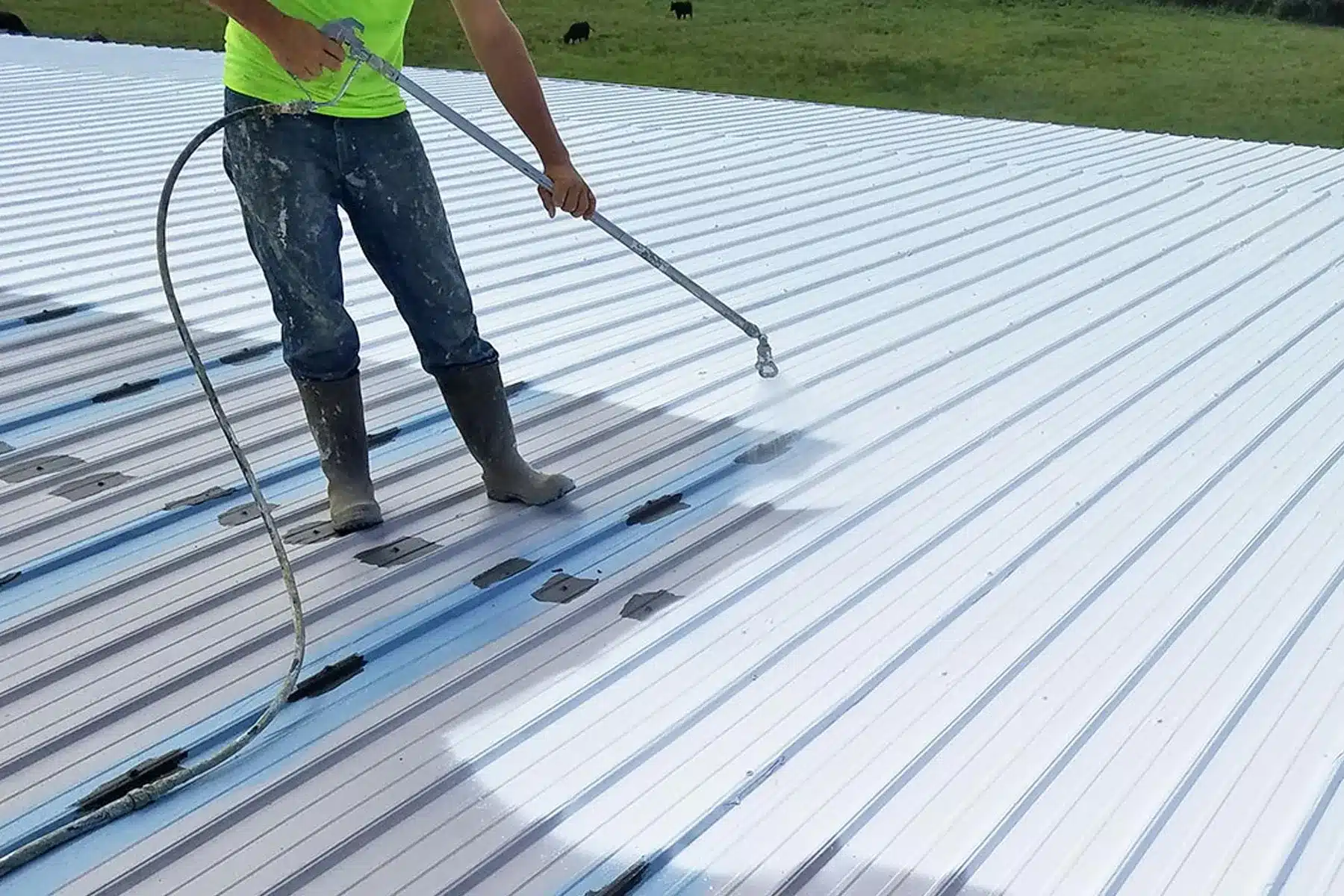
Expansion joints are designed to accommodate building movement — thermal expansion and contraction, differential settlement, seismic response. In Miami, thermal movement is the dominant driver. A failed expansion joint cover on a 100,000-square-foot Hialeah warehouse or a Doral distribution center is not a minor maintenance item — it is an open path for water intrusion across the joint's full length.
Expansion joints on Miami commercial flat roofs are the most commonly deferred maintenance item in the building stock — and the one with the highest water-intrusion consequence when they fail. A roof expansion joint cover that is intact performs invisibly: the joint opens and closes with thermal movement, the cover flexes, and no water enters. A cover that has cracked, lost its adhesion to the adjoining membrane, or had its bellows section fail under years of thermal cycling is an open gap that passes water during every rainfall event across its full length — which on a large-footprint building can be 200 to 400 linear feet.
Miami's thermal cycling is particularly aggressive at expansion joints. Roof surface temperatures in Miami-Dade can range from the low 70s Fahrenheit on a winter night to over 160 degrees Fahrenheit on a black membrane surface in full July sun. The daily differential across a 200-foot concrete building running perpendicular to the sun's azimuth can drive measurable joint movement twice per day — the building expands in the morning as the sun-exposed face heats and the shaded face stays cool, then contracts in the evening. A bellows or neoprene cover that flexes through that cycle every day for that straight membrane field is not.
Our expansion joint repair scope covers the full assembly: the joint cover (bellows or flat plate), the membrane termination flashing at each side of the joint, and the curb or raised edge that supports the joint cover. Replacing the cover without addressing failed membrane termination flashings at the joint edges reproduces the failure at the first rainfall event after the repair.
Expansion Joint Cover Failure Modes
Bellows fatigue: The bellows section of a metal or neoprene expansion joint cover is designed to flex across the joint width as the building moves. After 10 to 20 years of Miami's daily thermal cycling, the bellows material fatigues — metal bellows develop stress cracks at the fold radius; neoprene bellows lose elasticity and harden, then crack when the building tries to flex the joint. We assess bellows condition by visual inspection and, where condition is ambiguous, by applying manual pressure to the bellows to verify that it can still flex to the required movement range without cracking.
Adhesion loss at membrane terminations: The expansion joint cover is typically attached to a raised curb or nailer on each side of the joint, and the roof membrane terminates at that curb. The termination point — where the membrane edge is covered by the joint cover flange and sealed — is subject to the same differential movement that drives bellows fatigue. Adhesion loss at the termination allows water to enter the joint between the cover flange and the membrane edge. This failure typically appears as a water intrusion path that is linear (following the joint length) rather than point-source.
Cover uplift under hurricane conditions: Expansion joint covers on Miami commercial roofs must resist wind-uplift loads as part of the roof assembly's overall HVHZ compliance. Covers that are undersized for the design wind speed at the building, that have fastener patterns inconsistent with current FBC requirements, or that lack Miami-Dade NOA approval for their attachment system are at risk of uplift failure under hurricane conditions. We verify that replacement covers are specified with current NOA approvals for the building's design wind speed.
Repair Scope for Miami-Dade Expansion Joints
Full cover replacement is the standard scope for bellows-fatigue failures. We specify replacement covers with current Miami-Dade NOA approvals, compatible with the existing membrane system type, and sized to the actual joint width measured in the field — joint widths in Miami buildings often differ from the original specification as a result of building movement over the building's service life.
Membrane termination replacement at the joint edge is included in every cover replacement scope. The membrane termination flashing — typically a separate base flashing component that runs the joint length — is removed with the old cover and replaced with a new termination detail compatible with the replacement cover system. This is the step that contractors who price cover-only replacement skip, and it is the step that determines whether the repair holds.
Temporary waterproofing during the repair: Replacing an expansion joint cover on a 300-foot joint requires staging — removing the old cover in sections and installing the new cover section by section to avoid exposing the full joint simultaneously. We stage cover replacement to maintain a temporary dry-in over any open joint section at the end of each production day. Miami's afternoon thunderstorm pattern means production work on exposed joints begins at before 1 PM every day.
Frequently asked questions
How do I know if my building has expansion joints and whether they are leaking?
Expansion joints are typically located at structural building section breaks — where one wing of the building meets another, where the building changes elevation, or at intervals across a large uninterrupted roof field. On the exterior, they appear as a raised cover running across the roof surface. Interior evidence of expansion joint failure is a linear water stain pattern that follows the length of the joint, appearing on ceilings below the joint location. We identify expansion joint locations during roof inspection and assess cover and termination condition as part of the standard inspection scope.
Can expansion joint covers be repaired rather than replaced?
Minor sealant failures at the joint cover flange can sometimes be addressed with a compatible flexible sealant without full cover replacement. Bellows fatigue — where the bellows material itself is cracked or has hardened beyond its movement range — typically cannot be field-repaired to a durable standard; replacement is the correct scope. We assess each joint on its actual condition and recommend the lowest-cost scope that will provide a warranted repair.
Do roof expansion joints require a permit to repair in Miami-Dade?
Full cover replacement that is part of a roofing permit scope is covered under the roofing permit. Standalone expansion joint cover replacement — performed independently of a broader roofing scope — may require its own permit depending on the scope value and the specific municipality. We evaluate permit requirements for each scope and file accordingly.
How long does expansion joint repair take on a large Miami commercial building?
A 200 to 300 linear foot joint replacement on a standard single-story commercial building typically requires two to three production days — staging the removal and replacement in sections, with same-day temporary dry-in at the end of each day. Larger buildings or joints with significant membrane termination damage may require additional time. We provide a production schedule estimate in the written scope.
Expansion joint assessment, repair scope, or full cover replacement.
Our project managers locate every expansion joint on your roof, assess cover and termination condition, and produce a written repair scope that addresses the full failure mode — not just the visible crack.