Church Roofing
Miami, FL · Services
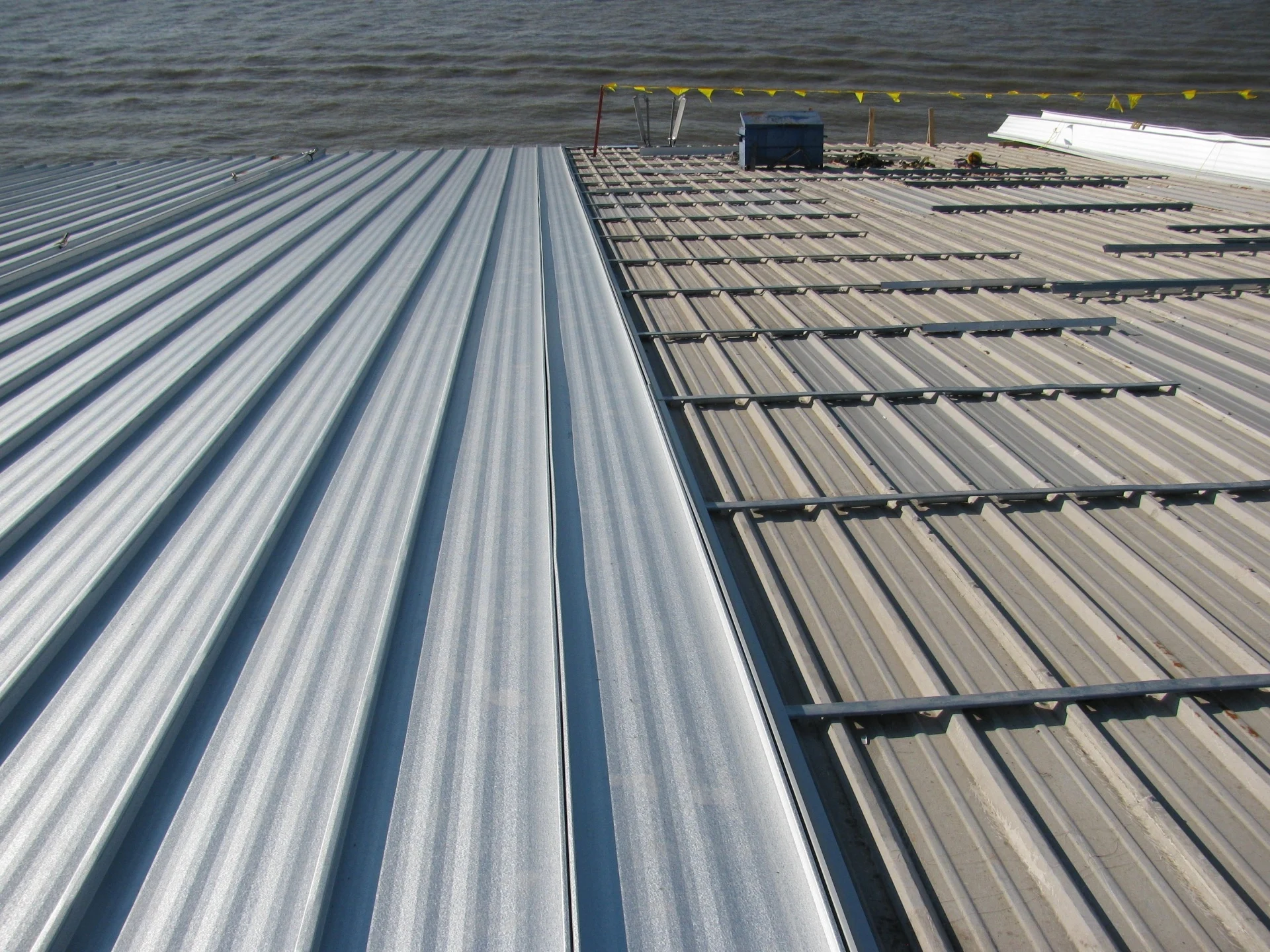
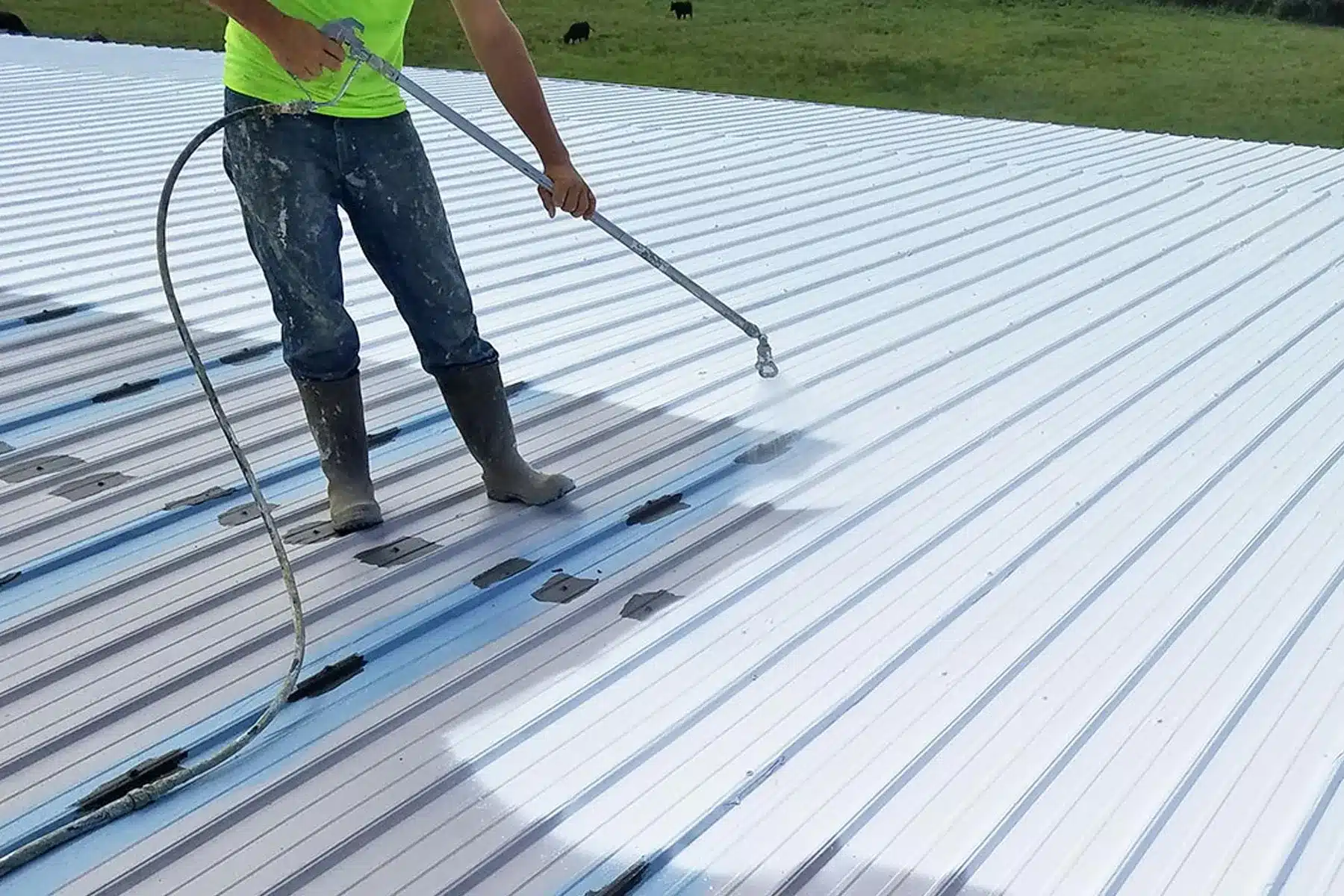
Commercial roofing for churches, worship centers, and religious facilities throughout Miami, FL.
Trinity Episcopal Cathedral in downtown Miami stands as one of South Florida's most historically significant religious buildings, its tower and nave a continuous presence in the Brickell area through more than a century of South Florida growth, development, and the catastrophic hurricane seasons that have repeatedly tested every building envelope in Miami-Dade County. Commercial roofing for church buildings in Miami is fundamentally a hurricane engineering problem, and every material selection, attachment decision, and flashing detail must reflect that reality.
Miami-Dade County has the strictest wind resistance requirements for roofing products in the United States. The High-Velocity Hurricane Zone designation means that every roofing product used on a Miami church must carry a Miami-Dade County Notice of Acceptance — a separate and more rigorous approval process than standard Florida Building Code approval or even Miami-Dade Protocol testing. We specify only NOA-approved products on every Miami roofing project and verify current NOA status before any material order is placed, since NOAs expire and must be renewed periodically.
Hurricane waterproofing on Miami church buildings extends well beyond the primary roof membrane. Parapet walls, coping caps, penetration flashings, and all wall-to-roof transitions must be designed and installed as a continuous water-resistant system capable of withstanding sustained hurricane-force winds and the driven rain that accompanies them. We detail every transition with redundant waterproofing — primary membrane, secondary bonded flashing, and sealed termination bar — so that no single seal failure creates a direct path for hurricane-driven water into the building interior.
Clear-span sanctuaries in Miami present an interesting design challenge in the hurricane context. The wide-span roof diaphragm must transfer lateral wind loads to the perimeter shear walls, and the roofing attachment system participates in this load path through the fastener connections between the deck and the structural framing. We review structural drawings and calculate attachment requirements to ensure that our roofing fastener schedule meets both uplift and diaphragm shear requirements under the ASCE 7 wind speed maps for Miami-Dade County, which carry the highest design wind speeds in the continental United States.
Capital campaigns at Miami's major congregations — Catholic parishes, large Baptist and evangelical churches, and the historic Episcopal and Methodist communities — often incorporate hurricane preparedness and building resilience as central themes. After Hurricane Andrew in 1992 and Hurricane Irma in 2017, South Florida church leaders understand that a resilient, properly maintained building envelope is fundamental to the congregation's ability to serve its community after a major storm. We provide resilience-focused roofing specifications that congregations can use in campaign communications to donors.
Summer scheduling in Miami must account for the hurricane season that runs from June through November. The practical roofing window for open-deck work on Miami church buildings runs from January through May, avoiding both the rainy season and the peak hurricane period. Projects that must proceed during summer are carefully managed with temporary weather protection plans, and no open roof areas are left unprotected overnight regardless of the weather forecast, given South Florida's afternoon thunderstorm regularity from May through October.
South Florida's intense UV radiation accelerates membrane degradation faster than most climates. Roof membrane products must be UV-stabilized and specified with service life expectations calibrated to Miami's solar intensity, not national averages. We specify products with documented performance in South Florida climate testing and avoid materials that perform well in temperate climates but show accelerated degradation in the subtropical UV environment. All membrane products are reviewed against manufacturer's climate-specific warranty provisions before specification.
Corrosion from salt air is a constant threat to all metal roofing components in Miami. Galvanized steel flashings, standard fasteners, and aluminum components without marine-grade surface treatment all show accelerated corrosion within sight of Biscayne Bay. We use stainless steel fasteners and hardware throughout, specify aluminum or copper for all visible flashing, and coat all steel components that will be embedded in or adjacent to the roofing system with corrosion-resistant primer systems rated for coastal marine exposure.
Post-hurricane inspection and insurance documentation services are part of our Miami practice. When a named storm threatens or passes through Miami-Dade, we deploy inspection teams to church buildings in our maintenance program within 24 hours after conditions allow and produce written condition assessments with photographs suitable for insurance claims. Congregations that engage us before a hurricane have documented pre-storm condition records that significantly strengthen their position when filing property damage claims.
Frequently asked questions
Is built-up roofing still installed on new Miami commercial buildings?
Rarely on new construction. BUR has largely been replaced by TPO and PVC single-ply membranes for new commercial low-slope construction in Miami-Dade. Modified bitumen — a close relative of BUR using polymer-modified asphalt plies — is still specified for specific applications, particularly in recover configurations and on buildings where foot traffic and mechanical abuse favor the thicker ply system. We install and maintain both BUR and modified bitumen on existing buildings but rarely specify BUR for new construction.
How do I know if my 1980s Miami office building's BUR system is still viable?
A moisture survey is the starting point — either electronic moisture probing or infrared thermography. If insulation saturation is below 25 percent by area and the deck is sound, a recover with targeted wet-area removal and a new mechanically attached membrane or modified bitumen cap is often viable. If saturation is widespread or the deck is deteriorated, replacement is the honest scope. We provide the moisture survey data and the deck inspection findings as part of the assessment so the decision is based on documented condition rather than a contractor's estimate.
Can a BUR system be recovered with TPO in Miami-Dade?
Yes, when the BUR substrate is dry, the deck is sound, and an NOA-approved recover assembly exists for the specific BUR type and TPO system combination. We verify the NOA approval before designing the recover specification. Not all TPO manufacturer systems have Miami-Dade NOA approvals for BUR recover configurations — the approval list is assembly-specific.
What is the typical service life of a Miami BUR system?
A well-installed BUR system in Miami conditions typically provides 20 to 30 years of service life before significant rehabilitation is required. Miami's high UV intensity, surface temperatures exceeding 160 degrees F, and coastal salt environment accelerate asphalt oxidation and ply adhesion degradation relative to inland markets. Pre-1992 Miami BUR systems that are now 30-plus years old and have not been recovered or significantly repaired are generally past viable service life.
Get a documented BUR condition assessment for your Miami building.
Our project managers will conduct a moisture survey, pull cores at suspect locations, inspect deck condition, and deliver a written report with recover-versus-replace recommendation and cost basis — before any commitment to a scope.