Condition Reporting
Miami, FL · Services
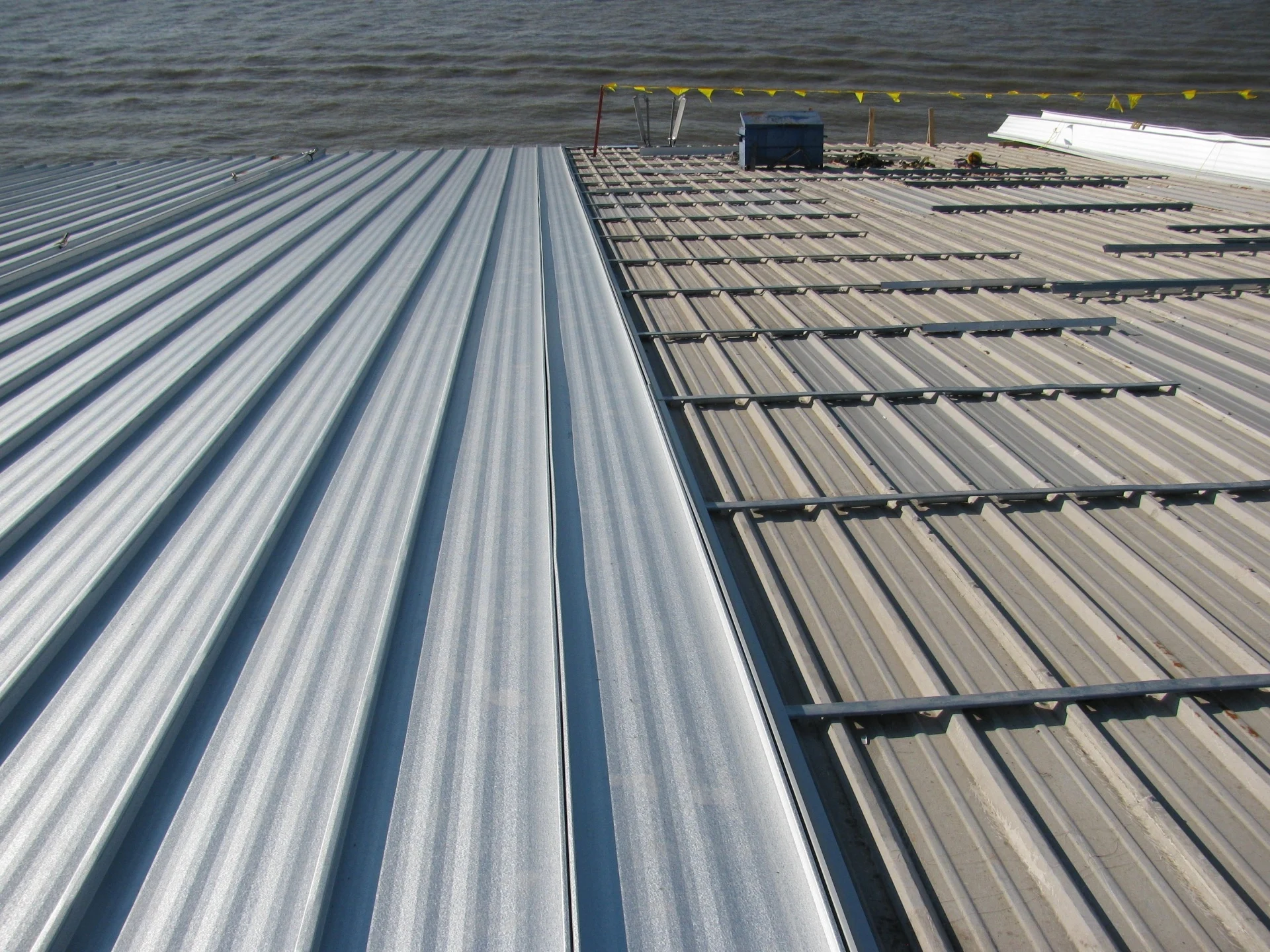
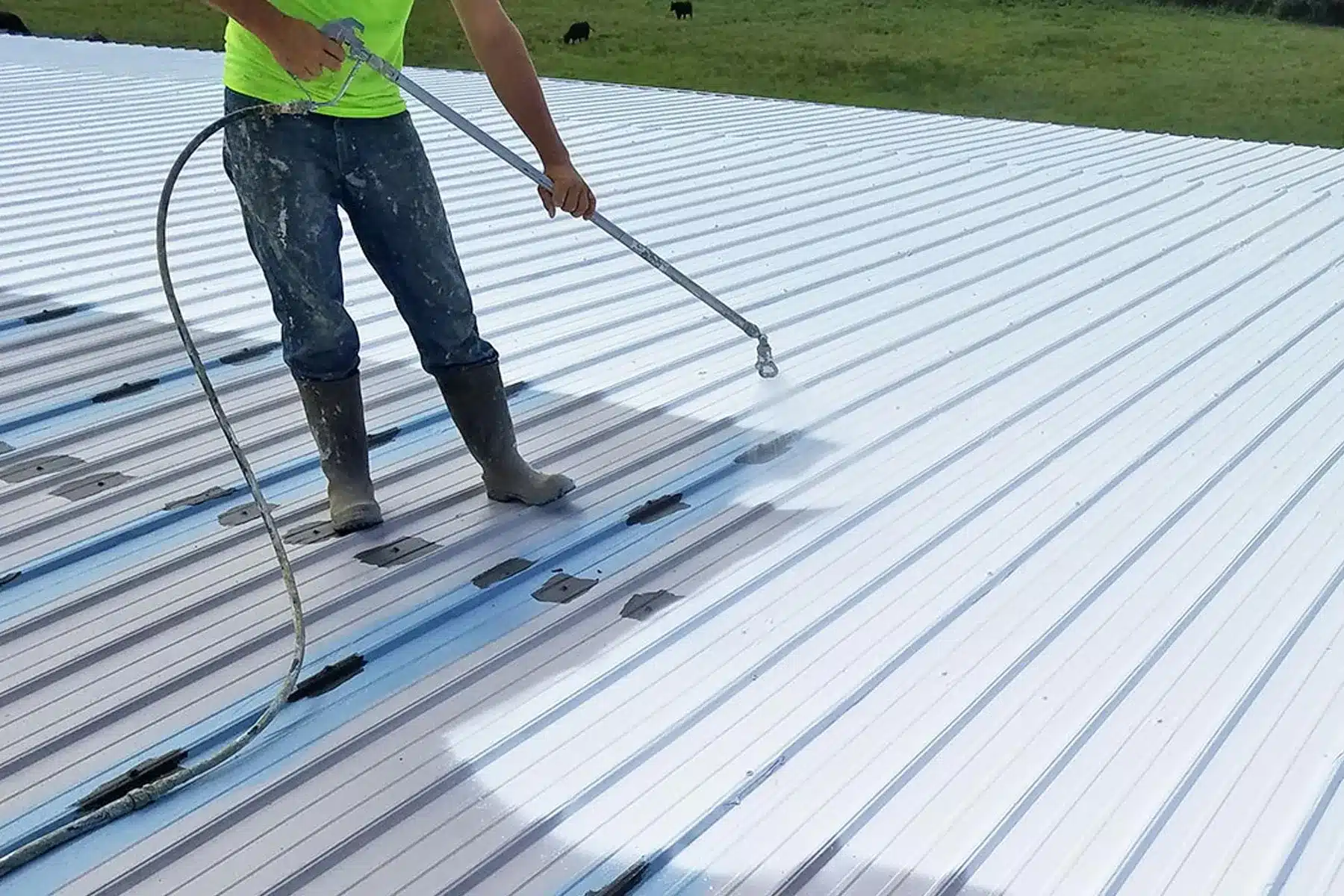
A condition report is a document with a defined purpose — capital planning, insurance documentation, lender due diligence, pre-acquisition assessment, or competitive bid preparation. We write reports that serve the purpose you state at the outset, with photographs tied to a roof zone diagram and findings stated plainly.
A lot of Miami commercial roof inspections produce a phone call or an email with a vague summary and a repair estimate. That is not a condition report. A condition report is a written, photographically documented assessment that establishes the condition of a specific roof assembly at a specific point in time, identifies deficiencies with enough precision that they can be located on the roof by someone who was not present at the inspection, and provides findings in a format the recipient can use for their stated purpose.
The purpose matters because it shapes the report format and the depth of assessment. A condition report for a pre-acquisition due diligence process needs to address remaining useful life, estimated capital cost to replacement, and any deferred maintenance that represents near-term capital exposure — the buyer needs to understand what they are buying. A condition report for insurance documentation after a storm event needs to distinguish pre-existing condition from event-related damage at each identified deficiency location — the adjuster needs to evaluate the claim. A condition report for capital planning needs to rank deficiencies by urgency and provide a multi-year cost projection — the finance team needs to build a reserve.
We ask the purpose question before we schedule the inspection. The assessment protocol, documentation depth, and report format depend on the answer.
What Every Condition Report Includes
Roof zone diagram: A scaled schematic of the roof with numbered zones — typically 10 to 25 zones depending on building size and complexity — that gives every photograph a specific location reference. The zone diagram is the backbone of the report. Without it, a photograph of a failed parapet flashing could be from any of forty parapets on a large commercial building. With the zone diagram, the photograph is anchored to a specific zone that any contractor can locate.
Photographic documentation: Minimum one photograph per zone from the roof walk, plus additional photographs at every observed deficiency. Photos are captioned with the zone number, the condition described, and the date. We do not use stock photography or representative images — every photograph in a condition report is from the specific building inspected on the specific date.
Deficiency log: A table listing every identified deficiency with zone number, deficiency type (membrane failure, flashing failure, drain failure, puncture, ponding, etc.), severity rating, and recommended action. Severity ratings are immediate (requires response within 30 days), near-term (within 90 days), and deferred (monitor at next inspection). The deficiency log is the actionable portion of the report — it tells the facility manager or property manager exactly what needs to be done and in what order.
Narrative findings: A written narrative section that describes overall roof condition, identifies system type and approximate age, notes any Miami-Dade NOA compliance concerns for the installed assembly, and explains the significant findings in plain language. The narrative is written for a reader who is not a roofing specialist — building owners, asset managers, and lenders should be able to understand the findings without a contractor translating the report for them.
Pre-Acquisition Due Diligence Reports
Commercial real estate transactions in Miami-Dade frequently include a pre-acquisition roof condition assessment as part of the due diligence period. A buyer acquiring a Brickell Class A office building, a Hialeah industrial portfolio, or a Wynwood creative-office conversion needs to understand the roof condition and projected capital exposure before the transaction closes — not after.
Pre-acquisition reports follow a specific format that addresses the variables most relevant to a buyer's underwriting: installed system type and approximate installation date, current condition relative to expected service life, estimated remaining service life under current maintenance, estimated capital cost to replacement or major repair within the next 5 and 10 years, and any immediate deficiencies requiring response regardless of transaction outcome. We provide cost estimates in current Miami-Dade market pricing, not national average figures that understate South Florida contractor rates.
We routinely turn around pre-acquisition condition reports within 3 to 5 business days of the inspection for transactions under time pressure. For portfolio acquisitions involving multiple buildings, we mobilize multiple inspection teams to compress the overall assessment timeline. Inspection access coordination with the current owner is the usual constraint — we work around that timeline as efficiently as the access schedule allows.
Insurance and Storm Damage Documentation
Storm damage condition reports in Miami require a specific documentation protocol that serves the insurance adjustment process. The key is distinguishing pre-existing condition from event-related damage at each deficiency location. An adjuster reviewing a storm claim on a Brickell office building needs to know whether the failed perimeter flashing was in that condition before the storm or was caused by the storm. Without that distinction, the claim is vulnerable to denial or partial payment.
Our storm damage reports are formatted to support the adjuster's process. At each deficiency location documented in the report, we describe the condition observed and classify it as pre-existing (condition consistent with age and wear rather than storm impact), event-related (condition inconsistent with the surrounding area's pre-storm condition and consistent with wind or impact damage), or indeterminate (condition that cannot be classified without additional information). The pre-existing/event-related distinction at each location is the basis for the claim scope.
The value of pre-storm condition documentation — an inspection record from before the storm event — is significant. Buildings managed under our asset management program have pre-storm condition records on file. When a storm event occurs, the post-storm report can be compared directly to the most recent pre-storm inspection to establish what changed. Buildings without pre-storm documentation rely on the adjuster's inference about what pre-existing condition looked like, which consistently produces lower claim settlements.
Lender and Investor Reporting
Commercial lenders and institutional investors in Miami-Dade commercial real estate increasingly require documented roof condition assessments as part of loan underwriting and asset management reporting. A lender financing the acquisition of a 20-building Hialeah industrial portfolio wants to know the aggregate roofing capital exposure over the loan term — not an anecdotal summary from the borrower's broker.
We format condition reports for lender and investor audiences to include the quantitative outputs that underwriting models require: estimated remaining useful life in years, estimated replacement cost in current dollars, and a year-by-year capital expenditure projection for the reporting period. We can align report timing with fiscal year end, loan anniversary, or investor reporting cycles. For portfolio reporting, we provide both individual building reports and an aggregate portfolio summary that rolls up the key metrics across all managed buildings.
Frequently asked questions
How long does a commercial roof condition report take to produce after the inspection?
For a single building, we deliver a completed written report with photographs and deficiency log within 3 to 5 business days of the inspection. For pre-acquisition reports under transaction deadline pressure, we can deliver within 2 business days for an additional rush fee. For portfolios of 5 or more buildings inspected sequentially, aggregate report delivery runs 7 to 10 business days from the final inspection.
Are your condition reports acceptable to Miami-Dade lenders and title companies for commercial transactions?
Yes. Our condition reports include the inspector's identifying information, inspection date, building location, photographs with zone references, and findings narrative — the elements that commercial transaction due diligence requires. We are not a licensed engineering firm, so our reports do not substitute for a licensed structural engineer's report when the lender or transaction requires that credential. For structural deck condition findings, we note our observations and recommend a licensed structural engineer's review where the finding warrants it.
Can you assess a Miami commercial roof that I am considering for purchase without the current owner being present?
Roof access requires authorization from the current owner or their property manager. For pre-acquisition assessments, the purchase and sale agreement or the due diligence authorization letter typically provides the access right. We coordinate directly with the listing broker or current owner's property manager to schedule access. The inspection can usually be scheduled within 2 to 3 days of authorization.
What is included in the moisture assessment portion of the condition report?
For standard condition reports, moisture assessment uses electronic probing (Tramex-style instruments) at a grid of locations across the roof — typically one probe reading per 2,000 to 5,000 square feet of roof area depending on building size and the owner's budget for the assessment. Elevated probe readings at any location trigger a moisture core pull (4-inch diameter core through the assembly) to confirm saturation depth and deck condition. Infrared thermography is available as an add-on service for large roofs where full electronic probing coverage would be cost-prohibitive.
Get a written condition report for your Miami commercial roof.
Tell us the purpose — due diligence, insurance, capital planning, lender reporting — and we will schedule the inspection and produce a written report that serves that purpose with zone-keyed photographs and plain-language findings.