Drone Roof Inspection
Miami, FL · Services
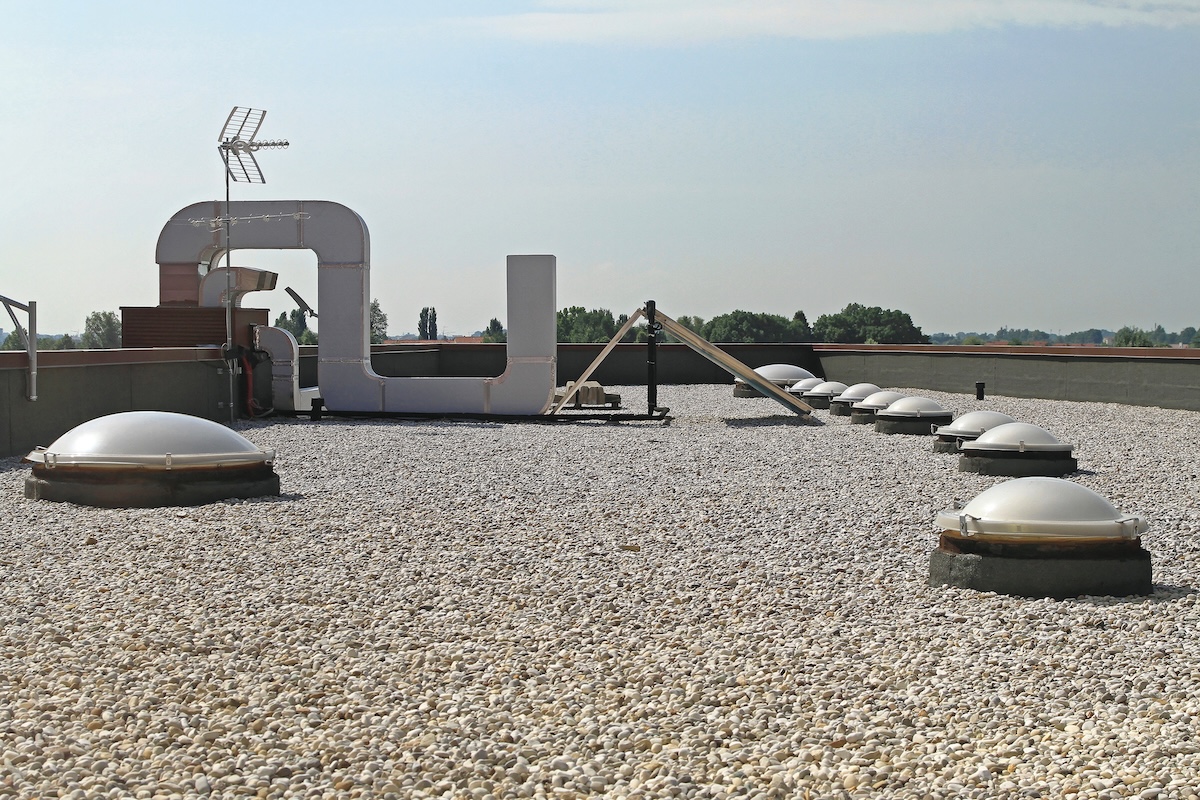
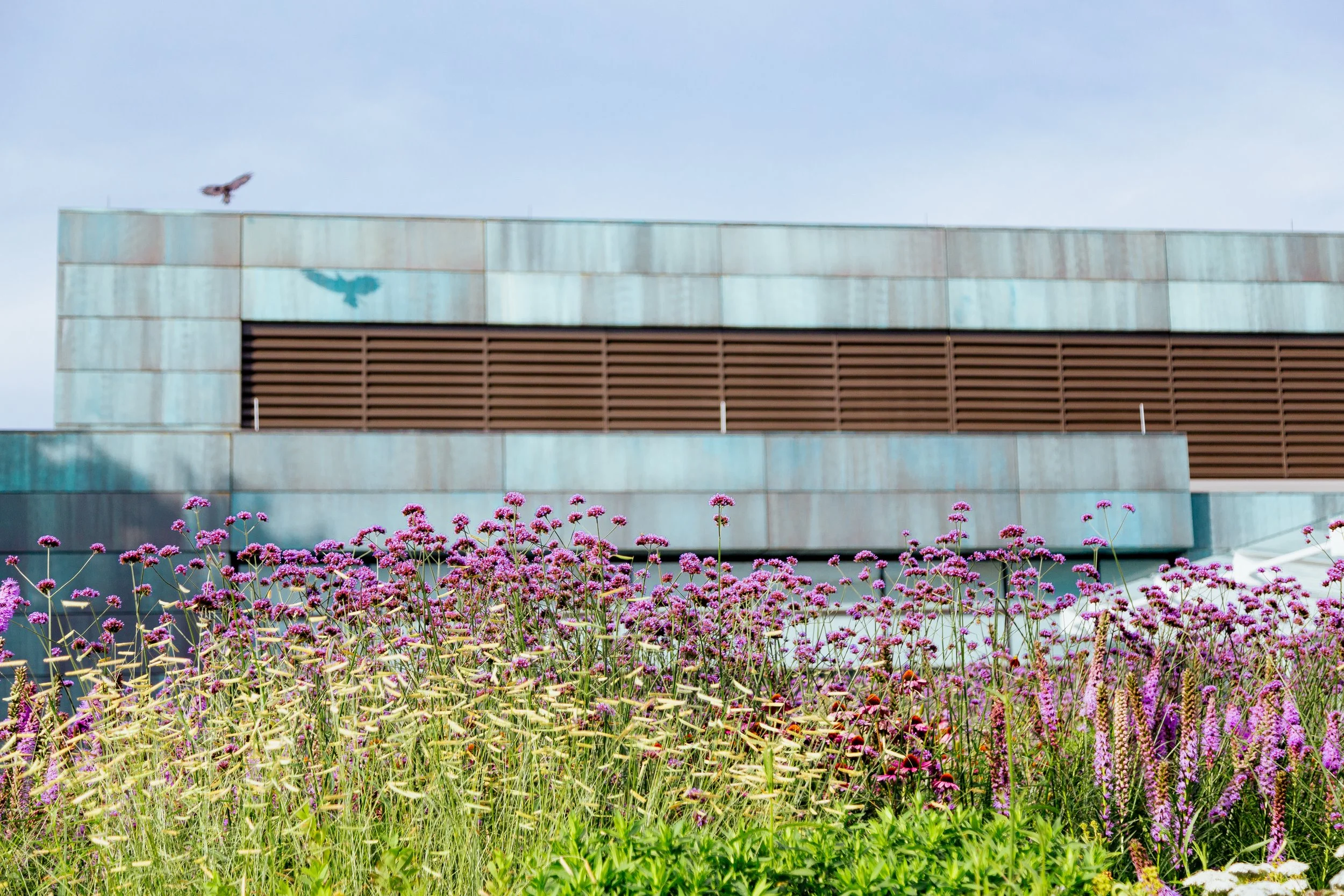
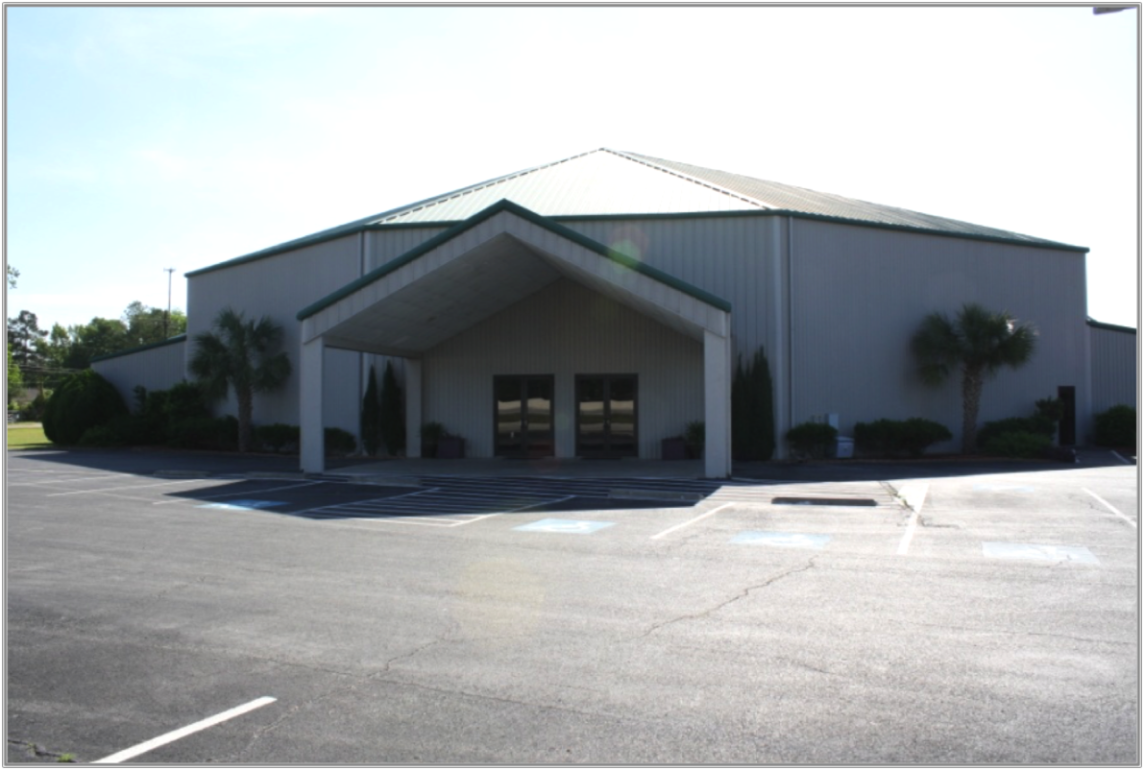
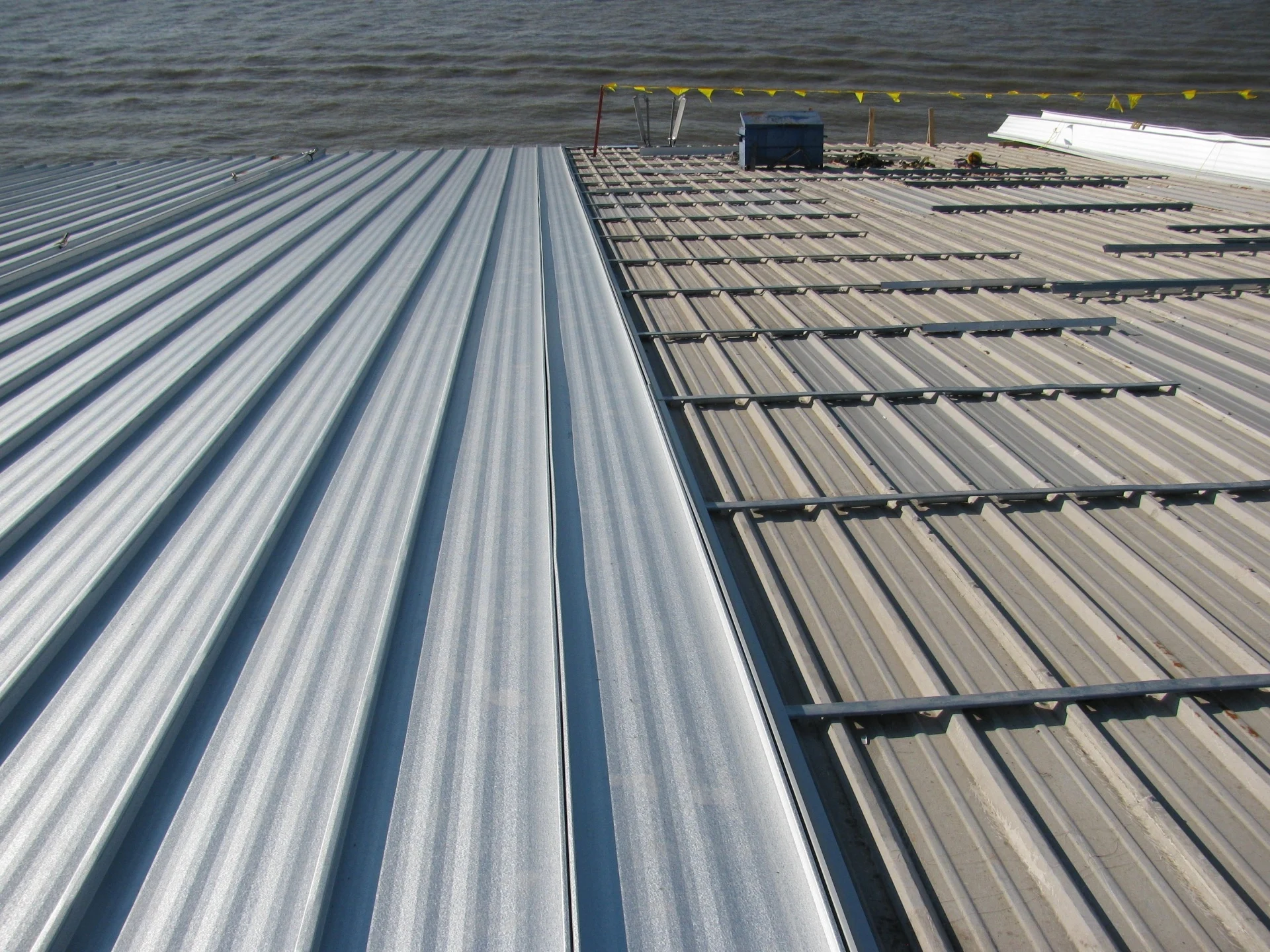
By the time water reaches a ceiling tile inside a Hialeah manufacturing plant or a Doral fulfillment center, it has usually been moving through the roof assembly for weeks, and it rarely entered directly above the stain. Water travels sideways between the membrane and the insulation, then drops through the deck wherever it finds a seam or a fastener. Cut into the roof at the interior stain and you often find nothing wrong. That is exactly the problem aerial and thermal drone inspection solves: it shows us where the water actually is, across the entire roof, before anyone makes a single cut.
For a property manager running a portfolio across Miami-Dade, the payoff is two-sided. We can document the genuine condition of a roof ahead of a sale, a lease renewal, or a capital-budget cycle, and we can find trapped moisture early enough that the fix stays a repair instead of escalating into a tear-off. On the enormous low-slope roofs ringing Miami International Airport and the seaport logistics corridors, one flight produces a dated, complete record of a roof a walking crew would need most of a day to even cross.
How Infrared Sees Water Hiding Inside the Roof
The technology that does the real work here is thermal imaging, and it relies on a simple physical fact: wet roofing materials store and release heat differently than dry ones. After a sunny Miami afternoon the whole roof soaks up heat. Once the sun drops, the dry areas shed that heat fast while saturated insulation holds it and stays warm into the evening. We fly the infrared camera during that cool-down window, and the wet zones glow as warm signatures against the cooler dry field, drawing a map of exactly where moisture has invaded the assembly.
This is decisive on the roofs Miami is built on: big ballasted and adhered single-ply systems, and the multi-ply built-up roofs where a single breach can saturate insulation yards from where it entered. Opening the roof at the interior stain almost always misses, because the actual breach is somewhere else. Thermal mapping puts a repair crew over the true wet boundary on the first try. We fly a high-resolution visual pass alongside the infrared so we can tie each warm signature back to its cause, an open lap, a split seam, a failed pitch pan, or a drain choked with debris from the afternoon storms.
- Infrared flights timed to the evening thermal window, when wet and dry roofing separate most sharply
- Saturated insulation mapped and flagged so crews repair the moisture, not the unrelated stain below it
- A high-resolution visual pass flown alongside the thermal to pinpoint the breach feeding the moisture
- Every finding tied to specific drains, seams, penetrations, and flashings on an annotated roof plan
Inspecting Without Adding a Single New Problem
Every footstep on a roof carries risk. On a hot Miami afternoon a softened membrane scuffs and stresses underfoot, insulation crushes, ballast shifts, and an aged built-up surface loses a little more granule with every step. Sending inspectors to crawl a fragile roof hunting for a leak is a reliable way to create the next leak. Flying the roof instead gathers a complete survey without putting a single boot on a vulnerable surface, which is the entire point on roofs that are already near the end of their service life.
It is also dramatically safer and faster on tall buildings. The mid-rise commercial and mixed-use towers rising along Brickell and the Miami River, and the older multistory buildings downtown, have roofs that are awkward and genuinely hazardous to reach on foot. A drone covers them in minutes, photographs parapets and edge details that are nearly impossible to see safely from the deck, and does it with no scaffolding, no lifts, and no fall-protection rigging. For owners of sprawling single-story logistics roofs out toward Medley and Airport West, the same speed lets us survey a whole portfolio in the time a walking crew would burn on one building.
Flying Legally in Some of the Busiest Airspace in Florida
Drone roof inspection is regulated, and in Miami the airspace question is not a box to check, it is a real constraint. Commercial drone flights run under FAA Part 107, which requires a certificated remote pilot, and broad stretches of Miami-Dade sit inside controlled airspace around Miami International, Opa-locka Executive, and other fields. Flying near those facilities requires explicit authorization, and we secure it ourselves rather than putting a building owner in the position of an unpermitted flight over their own property.
Our surveys are flown by a Part 107 remote pilot who obtains any required airspace authorization in advance, holds visual line of sight, and stays inside the altitude and operating limits the rules impose. We coordinate with the facility for sites tucked under the MIA or Opa-locka approach paths, and on occupied buildings we plan flight lines that keep the aircraft over the roof and clear of people on the ground. The result is a clean, compliant survey that shields the owner from liability while delivering a complete picture of the roof.
- Surveys flown by an FAA Part 107 certificated remote pilot
- Airspace authorization obtained ahead of time for sites near MIA, Opa-locka, and other controlled fields
- Visual line of sight maintained, with flight paths routed clear of anyone below
- Weather windows chosen around Miami's afternoon thunderstorms and gusty sea-breeze conditions
The Report Is the Product, Not the Flight
An inspection is only worth the documentation it produces, so we deliver a survey you can act on rather than a verbal all-clear. That means an annotated roof plan marking the location of every area of concern, paired infrared and visual imagery for each finding, and a plain-language summary of what is wet, what is failing, and what can safely wait. For an owner planning capital improvements, that is a defensible basis for a budget. For a buyer in due diligence on a Miami commercial property, it is independent evidence of what the roof truly is before money changes hands.
Because the imagery is dated and geolocated, it also becomes a baseline. Fly the same roof again a year later, or right after a named storm, and the comparison shows precisely what changed and how fast a problem area is spreading. That trend data is what turns roof care from reactive leak-chasing into a managed program with numbers behind it.
Building a Roof Program Around Repeatable Aerial Data
For owners and managers with multiple properties across Miami-Dade, periodic drone surveys are the spine of a real asset-management strategy, and hurricane season alone justifies them. A post-storm flight quickly reveals whether a roof took hidden damage, frequently before any leak surfaces inside, so the damage can be documented for an insurance claim while the cause is still legible. Routine annual flights catch the slow failures, the creeping wet area and the seam just beginning to open, while they are still cheap repairs rather than emergencies.
We can fold drone inspection into an ongoing maintenance relationship or run it as a one-time survey for a single building, a sale, or a claim. If you manage commercial roofs anywhere in Miami and you are tired of hearing about leaks from your tenants first, an aerial and thermal survey is the fastest way to see the whole picture at once. We will map out a flight, explain exactly what the imaging will and will not reveal on your specific roof type, and hand you documentation you can put straight to work.