Silicone Roof Coating
Miami, FL · Services
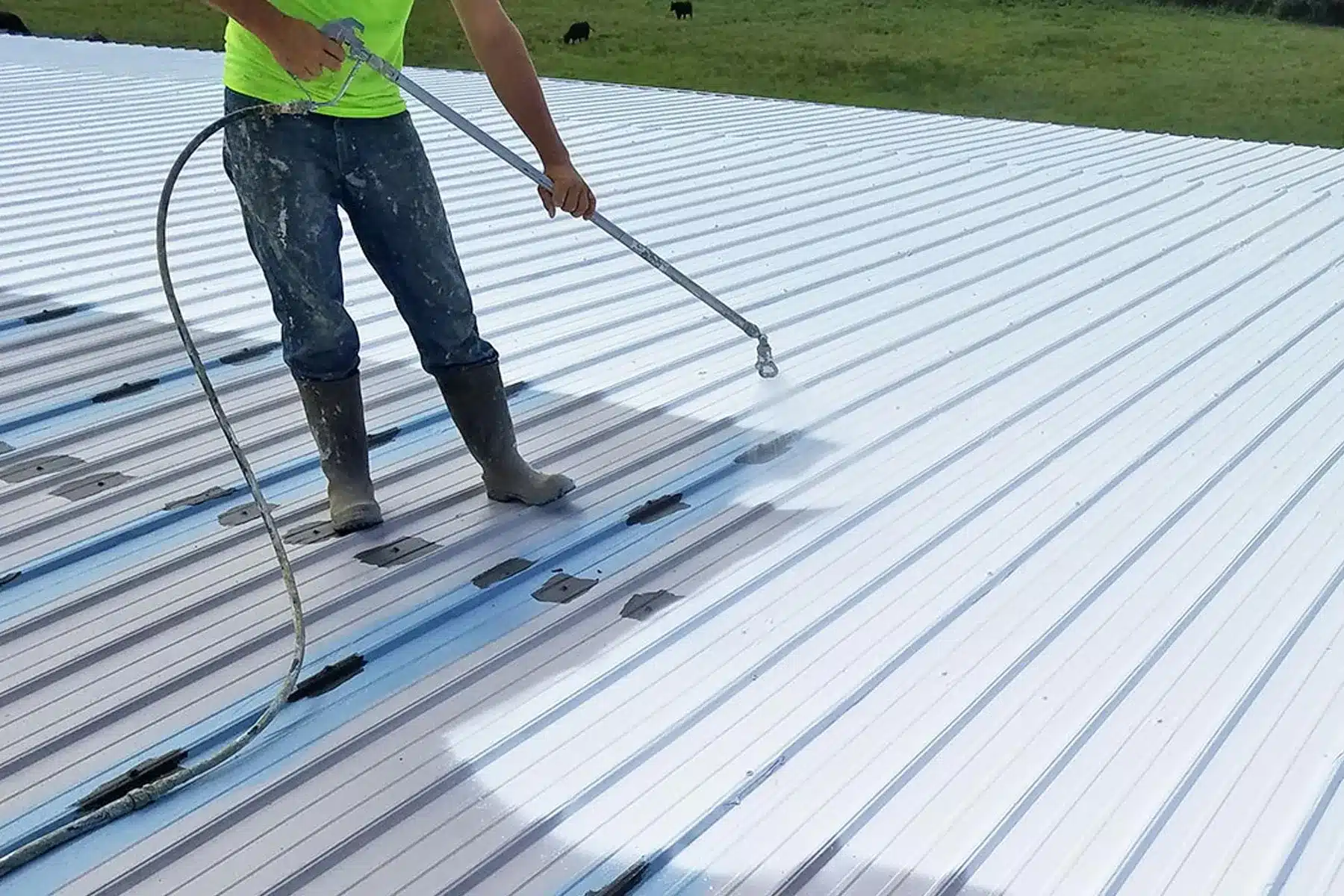
Silicone roof coating is a legitimate tool in the Miami commercial roofing toolkit — when the substrate qualifies, the NOA covers the assembly, and the drainage is adequate for silicone's ponding-water tolerance. When those conditions are not met, it is an expensive band-aid. We assess the substrate before we quote the coating.
Silicone is the coating system best suited for Miami's climate. Its UV stability in high solar-radiation environments outperforms acrylic and polyurethane alternatives — Miami's solar intensity degrades acrylic coatings faster than the product's rated service life in cooler northern markets. Silicone's tolerance for intermittent ponding water matters in Miami because low-slope commercial roofs with marginal drainage frequently pond for 24 to 72 hours after Miami's heavy summer rainstorms, and other coating chemistries degrade under prolonged ponding.
The important constraint is substrate qualification. A silicone coating system does not restore a failed membrane — it extends the serviceable life of a membrane that is structurally sound, has adequate adhesion to the substrate, and has insulation that is dry. If the existing membrane is delaminating, the insulation is saturated, or the drainage design cannot move water off the roof within 48 hours under normal conditions, coating is not an appropriate scope. We conduct a substrate assessment before quoting any coating project.
Miami-Dade's product approval system applies to fluid-applied silicone coating systems. Not all silicone coating products have Miami-Dade NOA approvals for the HVHZ environment, and of those that do, the NOA specifies the qualifying substrate types, the application rate, and the primer system. We specify only silicone systems with current NOA approvals for the specific substrate on the building, and we document the NOA in the closeout package.
Substrate Assessment Before Coating
The most important step in any silicone coating project is the substrate assessment — evaluating whether the existing membrane is a viable substrate for the coating. This involves three evaluations. First, adhesion testing: we pull test sections of the existing membrane in multiple locations to verify that the membrane is still bonded to the insulation or substrate below. A membrane that is delaminating will not provide a stable base for a fluid-applied coating — the coating will follow the membrane as it continues to delaminate. Second, moisture survey: electronic probing or core pulls at suspect low areas to verify that the insulation below the membrane is dry. Third, drainage assessment: physical observation of standing water after a rain event, or review of roof survey data identifying low areas and drain locations.
On Miami commercial roofs, the drainage assessment is often the gating factor for coating viability. Miami's flat-slope commercial buildings were designed to drain to internal drains or scuppers, and drainage performance degrades as the building settles, drains clog, and parapet heights change from previous repairs. A roof that ponds for more than 48 hours in most areas after a standard Miami afternoon thunderstorm is a marginal candidate for coating — silicone can tolerate intermittent ponding, but chronic ponding from inadequate drainage creates its own set of failures at drain sump perimeters.
We document the substrate assessment findings — adhesion test results by zone, moisture probe readings, drain layout and standing water pattern from post-rain observation — before we propose a coating scope. If the substrate assessment shows conditions that disqualify coating, we say so and explain why, with the data.
Application Process and Miami Climate Constraints
Silicone coating application requires dry, clean substrate and ambient temperatures above 40 degrees F with no rain in the forecast for the curing window — typically four to six hours for an initial tack, 24 hours for full cure. In Miami, the constraint is not cold temperature (almost never an issue) but rather the afternoon thunderstorm pattern from June through September. We schedule coating application work to complete the day's application by noon and confirm that afternoon storm probability is below 30 percent for the work day.
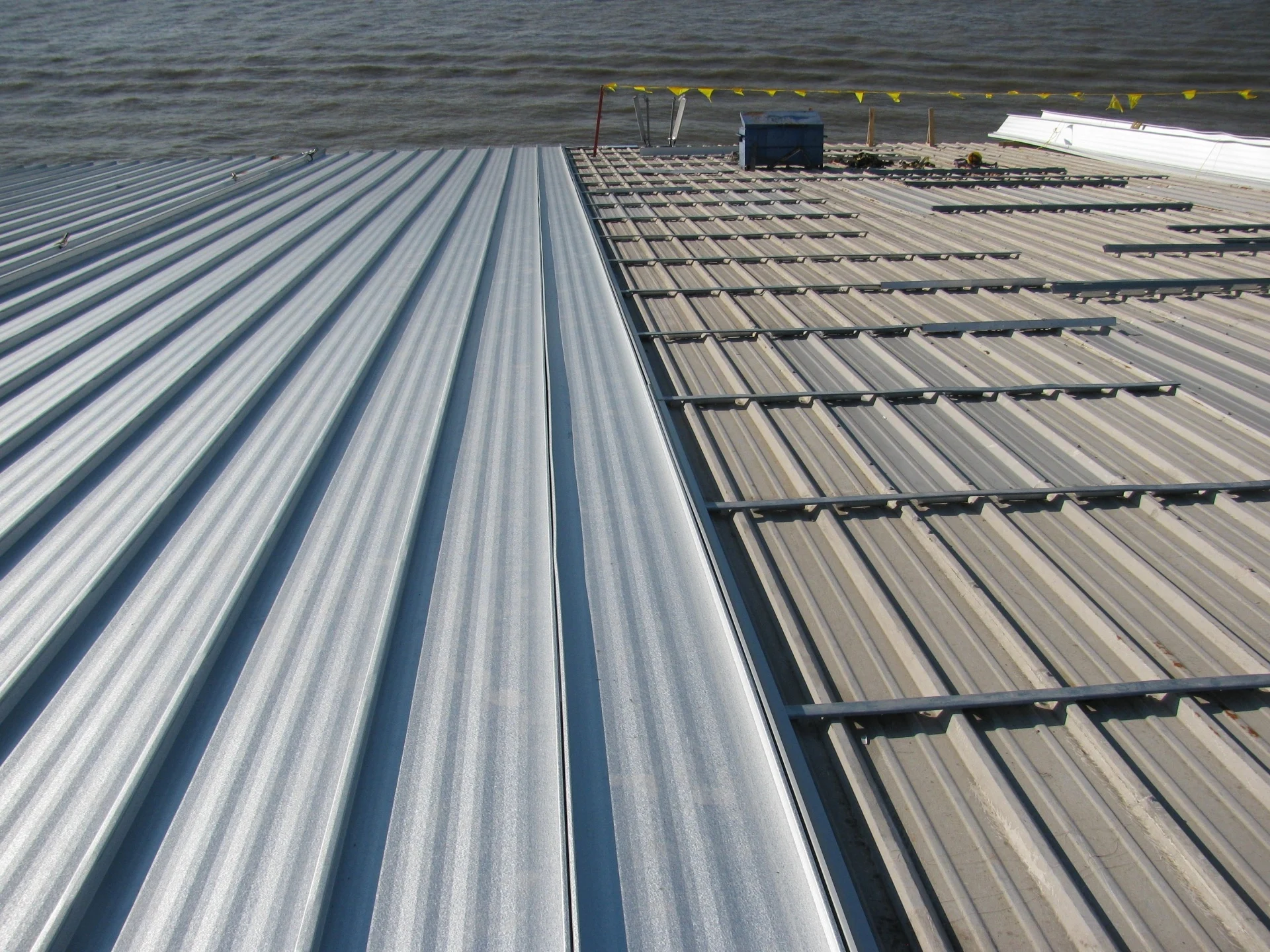
Silicone primer application precedes the base coat on all substrates where the NOA requires primer. On TPO and EPDM substrates, primer is almost universally required and creates the bond between the silicone and the existing single-ply membrane — this step cannot be skipped or thinned. On modified bitumen cap sheets, some silicone systems bond directly without primer; others require a specific primer based on the cap sheet surface treatment. We verify the primer requirement in the product's Miami-Dade NOA before application.
Application rate control is critical. Silicone coating systems are rated in wet mils applied per pass and dry mils per coat. The NOA specifies the required dry mil thickness for the complete system — typically 20 to 30 dry mils for a two-coat application. Contractors who thin the material to improve coverage rates or skip the second coat to reduce cost produce a system that does not We measure wet film thickness during application at multiple locations per section and document the readings.
What Silicone Coating Can and Cannot Do
Silicone coating is a roofing system restoration tool, not a repair tool for a roof that is actively failing. It can extend the serviceable life of a sound TPO, EPDM, or modified bitumen membrane by 10 to 15 years by restoring the surface reflectivity, sealing minor surface crazing and micro-cracks, and providing a UV-stable weather surface. On Miami commercial buildings approaching the end of their first membrane warranty period but with sound insulation and membrane adhesion, coating can delay a full replacement by a decade at roughly one-third the cost.
Silicone cannot fix flashing failures. Active water intrusion at parapet flashings, drain sumps, or penetration details must be repaired with appropriate flashing materials before coating. Applying silicone over an active flashing failure seals the visible defect without addressing the water path — and typically makes the subsequent repair more difficult and costly. We repair all active leak sources before applying any coating system.
Energy savings from silicone coating are real but frequently overstated in Miami. A white or light-gray silicone coating with a Solar Reflectance Index above 80 reduces roof surface temperature from a peak of 160-plus degrees F to roughly 100 to 110 degrees F on a clear summer day. The cooling load reduction for occupied buildings in Miami can translate to meaningful energy savings. The actual savings depend on the building's HVAC system design, insulation R-value, and occupancy — we do not quote specific energy savings numbers without a building-specific energy analysis.
Frequently asked questions
Does silicone roof coating qualify for a manufacturer warranty in Miami's HVHZ?
Yes, when installed per the manufacturer's specifications and on a qualifying NOA-approved substrate. Most major silicone coating manufacturers offer 10 to 20-year warranties for systems installed on qualifying substrates by licensed contractors. The warranty path requires application at the specified mil thickness, documented substrate assessment and repair prior to coating, and in many cases a manufacturer's field representative inspection at project completion. We document the application process and coordinate the warranty inspection.
Can silicone coating be applied over a TPO or EPDM roof that is still under manufacturer warranty?
Applying a coating over an existing membrane system without the original manufacturer's consent typically voids the existing membrane warranty. Some membrane manufacturers have approved coating programs for their own products — TPO manufacturers with affiliated coating lines may allow coating application under specific conditions. If the existing membrane is still within its warranty period, you should confirm with the original manufacturer whether a coating application affects warranty coverage before proceeding.
How long does silicone coating last on a Miami commercial building?
A silicone coating system installed at the specified mil thickness on a qualifying substrate should provide 10 to 15 years of service life in Miami's UV and heat environment. Miami's high UV intensity is actually favorable for silicone relative to acrylic and polyurethane alternatives — silicone is inherently UV-stable and does not chalk or embrittle under prolonged UV exposure the way other coating chemistries do. Actual service life depends on drainage performance, foot traffic on the coating surface, and the condition of flashing details.
Is silicone coating appropriate for a Hialeah industrial warehouse with a gravel-surfaced BUR?
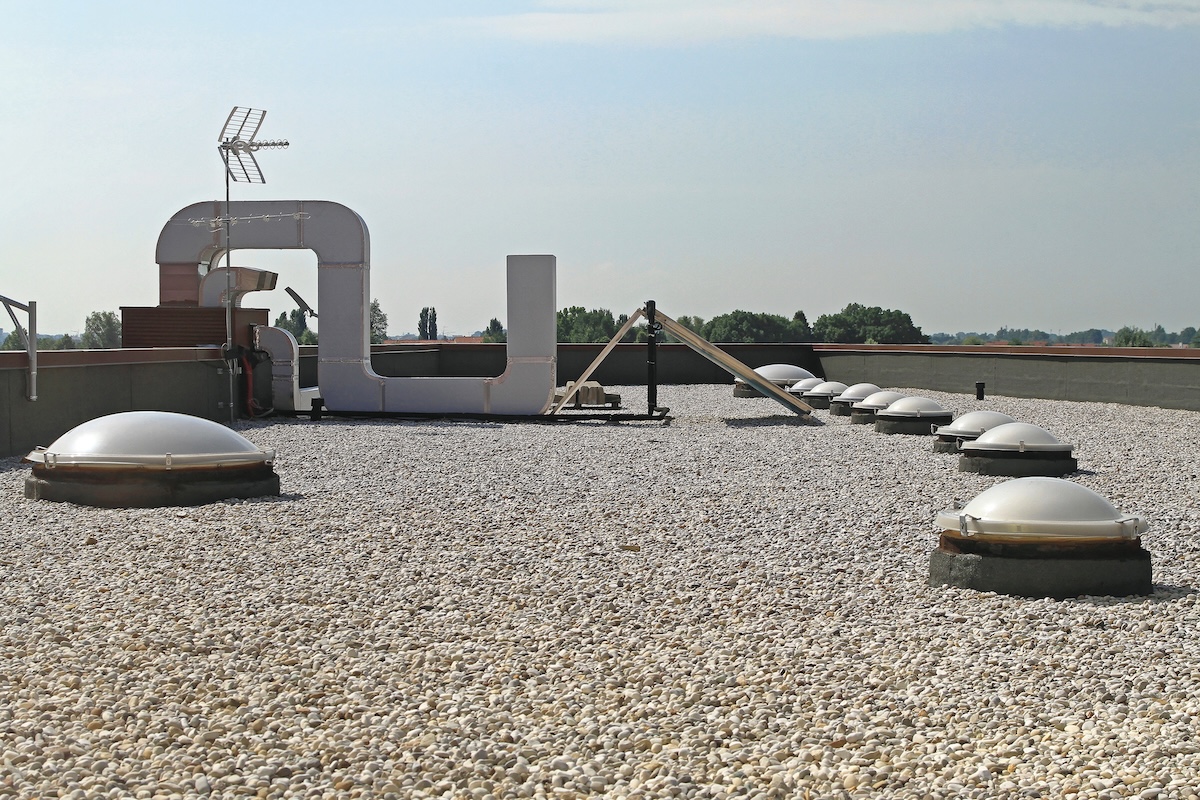
Silicone does not bond adequately to gravel-surfaced BUR without removing the aggregate, which effectively becomes a tear-off operation rather than a coating. Silicone is best suited for smooth-surface membranes — TPO, EPDM, and smooth-cap modified bitumen. For gravel BUR, the realistic options are a gravel-removal and modified bitumen cap recover, a TPO recover board and membrane system, or tear-off and replacement. We assess gravel BUR roofs against those alternatives, not against coating.
Find out if your Miami commercial roof qualifies for silicone coating.
We will assess the existing membrane, conduct a moisture survey, evaluate drainage, and tell you whether coating is the right scope — or whether your capital is better spent on a recover or replacement that will not need to be redone in three years.