Skylight Repair
Miami, FL · Services
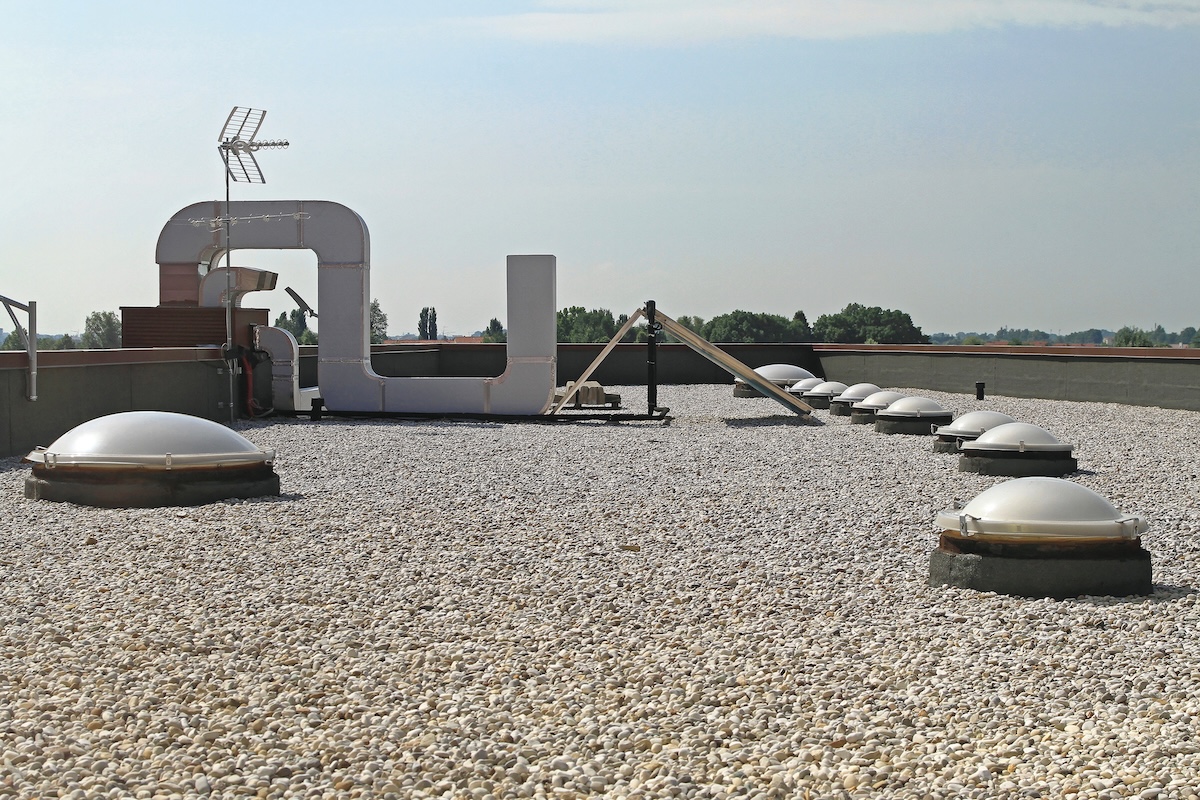

Skylights on Miami commercial roofs carry two separate failure risks: water intrusion at the curb flashing and frame seal, and structural failure of the glazing assembly under hurricane-force wind and impact loading. Both risks are real, both are manageable, and neither gets better with deferred maintenance in South Florida's UV and humidity environment.
Commercial skylights are among the most maintenance-intensive penetrations on a Miami flat roof. The junction between the skylight curb and the surrounding roof membrane is the highest-risk transition point on any roof penetration — it combines differential movement between the framing system and the roof deck, sealant exposure to Miami's extreme UV environment, and thermal cycling that places daily stress on the curb-to-membrane interface. A skylight frame seal that fails during Miami's dry season — when it is not immediately evident — typically presents as a water intrusion problem during the first hurricane-season rainfall event.
Miami-Dade's product approval system includes skylights as a regulated product category. The Florida Building Code's High-Velocity Hurricane Zone requirements impose minimum glazing impact resistance and structural performance standards for skylight assemblies installed in Miami-Dade County. A skylight that was installed without a current Miami-Dade NOA — or that was installed with a compliant NOA that has since been withdrawn or revised — is a code compliance issue independent of its current water-tightness condition.
Our skylight repair scope addresses the two failure categories separately. Water intrusion repairs focus on the curb flashing, the frame-to-curb seal, and the glazing seal at the frame perimeter. Structural and hurricane-compliance issues focus on the glazing assembly itself — impact resistance ratings, glazing condition, and frame attachment to the curb and deck. We do not scope one without assessing the other, because a water-tight skylight with non-compliant glazing is still a hurricane failure risk.
Curb Flashing and Frame Seal Failures
Skylight curbs on Miami commercial flat roofs are typically pressure-treated wood or aluminum framing set above the roof deck, flashed to the roof membrane with a step flashing and counterflashing detail. The membrane is terminated at the base of the curb, covered by a metal counterflashing, and sealed at the top edge of the counterflashing with a flexible sealant. In Miami's UV environment, that sealant typically has a five-to-eight-year service life before cracking and adhesion loss allow water entry.
The frame-to-curb interface is a second failure point. Commercial skylights use extruded aluminum or structural glazing frames that expand and contract at a different rate than the wood or concrete curb below. Miami's daily thermal range — surface temperatures from 70 degrees at night to 130 degrees in full midday sun — drives measurable movement at this interface every day. Sealant that accommodates this movement when installed will eventually harden and crack in Miami's UV environment. We specify flexible, UV-resistant sealants designed for Miami's thermal cycling range at all skylight frame and curb joints.
Interior condensation drains are a feature of most commercial skylight assemblies that are often overlooked in maintenance. The weep holes at the bottom of the skylight frame channel condensation that forms on the interior glazing surface to the outside. When these weep holes are blocked — by debris, paint, or sealant overapplication during a prior repair — condensation accumulates inside the frame and can present as a water intrusion problem that looks identical to a frame seal failure. We inspect and clear weep holes during every skylight service call.
Hurricane-Zone Glazing Compliance in Miami-Dade
Miami-Dade's NOA system for skylights covers the complete assembly: the glazing material, the frame system, and the attachment method. Glazing in Miami-Dade's HVHZ must meet impact resistance requirements — either through the use of impact-rated laminated glass or polycarbonate, or through the installation of an approved impact protection system over the glazing. Skylights installed before Miami-Dade's post-Andrew revisions took full effect — particularly in the late 1990s and early 2000s — may have glazing assemblies that do not
We assess skylight glazing condition and NOA compliance status during inspection. For buildings where skylights lack current NOA approvals or where the glazing material does not meet current impact resistance requirements, we document the compliance gap in the written report and provide options: full skylight replacement with a current NOA-compliant assembly, installation of an approved impact protection overlay system over the existing glazing, or documentation of the existing assembly's as-installed NOA if the original installation records can be located.
Frequently asked questions
My skylight leaks only during heavy rain. Is that a seal failure or a glazing failure?
Rainfall-volume-dependent leaks at skylights are most commonly curb flashing or frame seal failures — water that can only enter under hydrostatic pressure (heavy rainfall driving water uphill against a degraded seal) rather than through an open gap. Glazing seal failures typically present as leaks during moderate rainfall. We inspect both the curb flashing assembly and the frame glazing seal during a skylight diagnostic call and distinguish the failure category in the written report.
Do Miami-Dade skylights need to be impact-rated?
Yes. The Florida Building Code's HVHZ requirements specify minimum impact resistance standards for skylight glazing in Miami-Dade County. The specific standard depends on the skylight's location relative to the building's windborne debris region designation. We assess the applicable standard for your building's location and document whether the existing skylight assembly meets that standard.
Can you replace individual skylight panels without replacing the full frame?
Often yes, if the frame structure and curb are in sound condition and the frame system has a current NOA that covers replacement glazing. If the frame system lacks a current NOA or the frame has structural damage, replacing individual glazing panels creates a compliance gap — the replacement glazing may We evaluate frame condition before recommending panel-only versus full-assembly replacement.
How often should skylights on a Miami commercial building be inspected?
Annually at minimum — including the pre-hurricane-season inspection window. Skylights on buildings in Miami Beach, Edgewater, or Brickell waterfront locations warrant semi-annual inspection given the additional salt-air sealant degradation exposure. We include skylight inspection in our annual roof condition assessment as a standard scope item.
Skylight leak diagnosis, reseal, or NOA compliance assessment.
Our project managers inspect the curb flashing assembly, the frame seal, and the glazing compliance status — and produce a written scope that addresses both the water intrusion and the hurricane performance risk.