REIT Roofing
Miami, FL · Industries
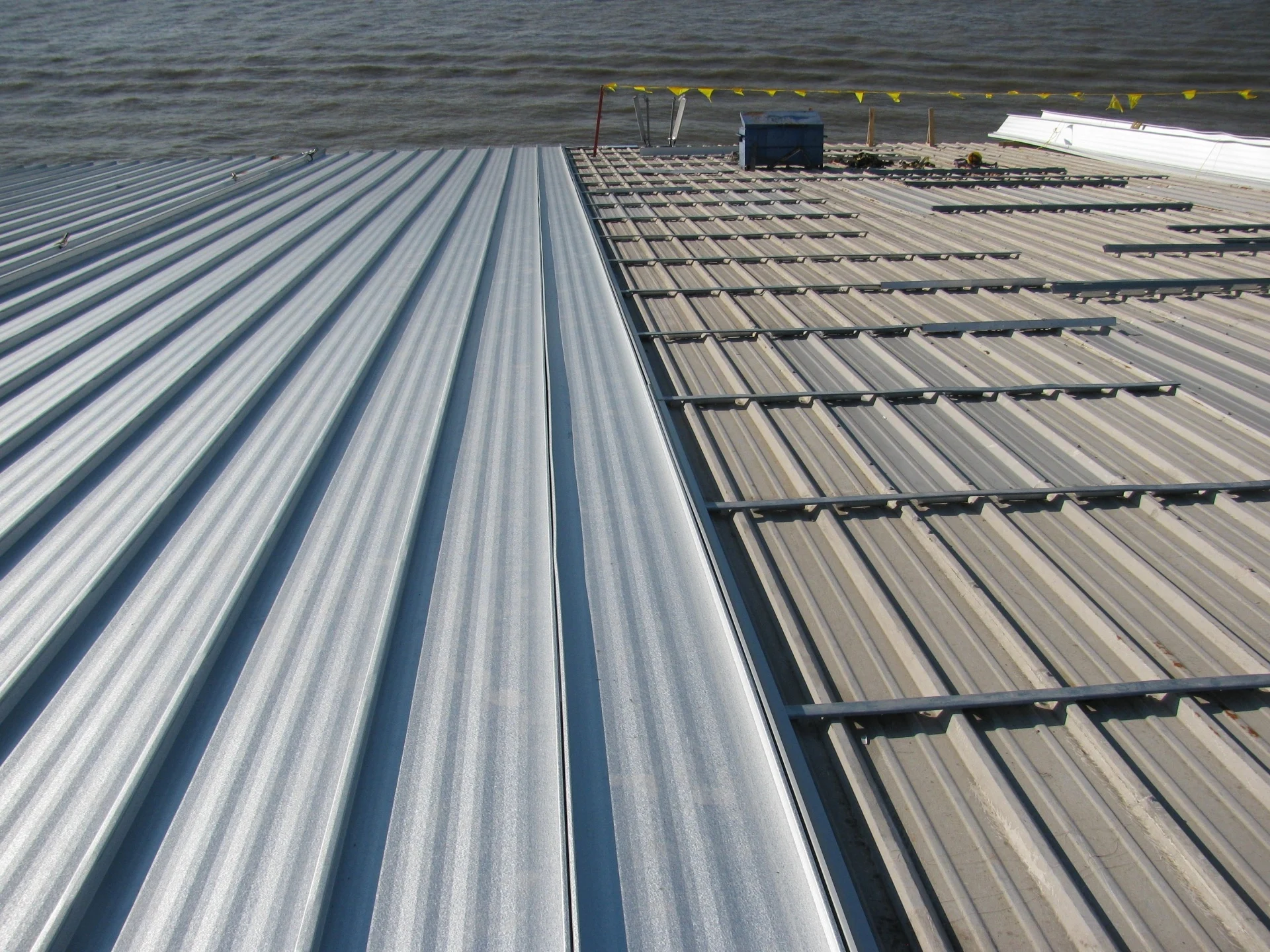
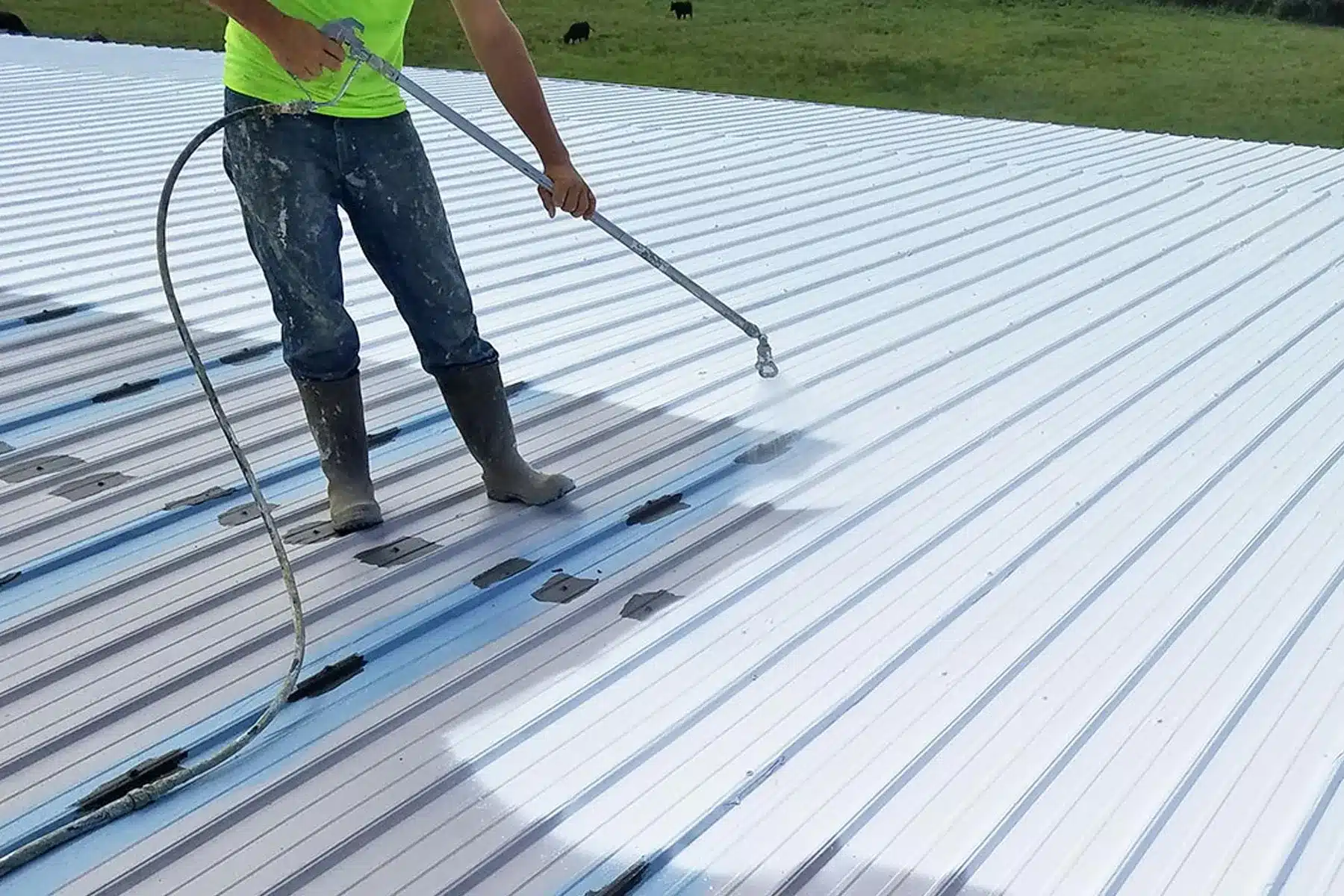
Commercial roofing programs for REITs and institutional real estate investors managing commercial property portfolios throughout Miami, FL.
Miami has become one of the most contested acquisition markets in Sun Belt commercial real estate, with institutional capital flooding into industrial, mixed-use, and retail assets across Miami-Dade and Broward counties. Equity Commonwealth and Blackstone-affiliated REITs have been active acquirers in South Florida, but it is Prologis that holds the deepest industrial footprint in the Medley, Doral, and Hialeah submarkets — assets where roofing performance is not merely a maintenance issue but a direct underwriting variable in every transaction. In a market where cap rates compressed aggressively through 2021 and 2022, the spread between a well-maintained asset and a deferred one can shift deal economics in ways that matter enormously to limited partners.
Hurricane risk defines commercial roofing strategy in Miami more decisively than in any other major REIT market. South Florida sits in an area where named storms regularly make landfall or pass close enough to subject commercial rooftops to sustained winds exceeding 100 miles per hour. Florida Building Code requirements for roofing in High-Velocity Hurricane Zones — Broward and Miami-Dade counties specifically — mandate attachment standards, uplift resistance testing, and product approval classifications that are among the most stringent in the country. A REIT acquiring Miami assets must confirm that every roof in the portfolio carries current HVHZ-compliant materials and fastening patterns, because a non-compliant system exposed to a major storm creates not just physical damage but insurance coverage disputes that can leave the asset owner holding the full replacement cost.
Multi-property master service agreements in the Miami market carry a hurricane preparedness component that does not exist in most inland markets. A preferred roofing vendor under a REIT portfolio program must be able to provide pre-storm inspections that document flashing integrity and membrane attachment, mobilize emergency crews immediately after a storm passes, and deploy temporary waterproofing — spray-applied coatings, tarps, and sealed penetrations — within hours of gaining site access. Every hour of delay after a hurricane translates into moisture intrusion that damages ceilings, electrical systems, and inventory, turning a roofing event into a full structural remediation project that dwarfs the original scope.
The Sun Belt acquisition boom brought many REITs into Miami commercial real estate at a pace that outran thorough property condition assessment practices. Assets were underwritten on compressed timelines with PCAs that sometimes failed to adequately account for the cumulative weathering effects that South Florida's UV intensity, salt-laden air, and frequent rainfall impose on roofing systems. EPDM membranes that perform reliably for 20 years in the Midwest may show significant field and seam degradation after 12 years in Miami's UV environment. REITs that accepted PCA findings without adjusting for climate intensity are now discovering reserve shortfalls on assets they acquired only a few years ago.
NOI sensitivity to roofing condition is amplified in Miami's retail and mixed-use corridor along Brickell, Coral Gables, and the Design District. High-end tenants in these locations include flagship retailers and hospitality-adjacent food and beverage operators whose lease terms include strict landlord maintenance obligations and explicit remedies for structural failures. A single leak event at a luxury retail location can trigger tenant claims, require landlord-funded temporary closures, and generate reputational damage that affects lease renewal probability — all of which feed into NOI projections that institutional investors scrutinize closely.
Ten-year roofing CAPEX models for Miami portfolios must incorporate several Miami-specific cost drivers that don't appear in national average benchmarks. HVHZ-compliant roofing materials carry a premium over standard equivalents. Permitting in Miami-Dade is among the most rigorous in the country, with third-party inspection requirements that add time and cost to every project. Labor markets in South Florida are tight, and skilled commercial roofing crews command rates reflecting the high cost of living and the specialized training required for hurricane-zone work. A REIT asset manager using national average per-square-foot estimates for a Miami reserve model is almost certainly under-reserved.
Solar integration is an increasingly important consideration in Miami REIT roofing decisions. Florida's solar irradiance makes rooftop photovoltaic systems attractive both as a revenue source and as a tenant amenity, and REITs are actively evaluating rooftop lease arrangements or direct ownership of solar installations on their Miami assets. This changes the roofing calculation significantly: the membrane beneath a solar array must be in excellent condition before installation and must carry a warranty compatible with the solar system's expected service life. A roof replacement after solar panels are installed adds substantial cost for panel removal, temporary storage, reinstallation, and re-commissioning.
Insurance is the financial mechanism that ties roofing condition most directly to distribution performance for Miami REIT assets. Florida property insurance markets have tightened dramatically, with several major carriers exiting the state and remaining carriers imposing roof age and condition exclusions that can void wind and water coverage on assets with older or deteriorated membranes. A REIT that cannot obtain replacement cost coverage on Miami properties — or that faces materially higher premium loads due to roof condition deficiencies — is carrying an unpriced risk that belongs in the reserve model and the investor disclosure.
Commercial roofing vendors competing for REIT relationships in Miami need to demonstrate hurricane preparedness protocols, HVHZ product knowledge, permit expediting experience, and the capacity to mobilize simultaneously across multiple properties after a storm event. The vendors who can document their storm response history, show insurance claim support capabilities, and deliver PCA-ready inspection reports with HVHZ compliance notations are the ones who earn long-term preferred vendor status in institutional portfolios — and that status translates into multi-year, multi-property revenue streams that reward the investment in capabilities.
Frequently asked questions
Do you work on M-DCPS school building projects?
Yes. We are familiar with the Miami-Dade County Public Schools capital projects procurement process, vendor prequalification requirements, and the Office of School Facilities' project management and documentation standards. School Board projects require certified payroll compliance, specific insurance certificate language, and milestone payment applications — we maintain these as standard documentation for school board work.
How do you complete school building reroofs during the summer window?
We staff school building projects to the production rate the academic calendar requires, not to a minimum crew. A 120,000-square-foot elementary school with a 10-week summer window needs a crew deployment that can complete that footage — including permitting, tear-off, and final inspection — within the window. We present a specific crew size and daily production rate projection at the pre-bid stage so the school district can evaluate the schedule commitment before the contract is awarded.
What is the procurement process for university roofing projects at UM or FIU?
Both University of Miami and Florida International University run competitive bid processes for roofing projects above the applicable threshold. UM is a private institution with its own facilities management procurement process; FIU follows Florida public university procurement requirements. Both require contractor qualification documentation — bonding capacity, insurance certificates, license, and project references — before the bid submission. We maintain current qualification documentation and can submit on short notice for projects in the solicitation window.
How do you handle research lab buildings where leaks could damage ongoing research?
Research buildings get a higher-frequency inspection cadence in our maintenance contracts — quarterly inspection of sections above lab spaces and critical research equipment areas, in addition to the annual full-roof inspection. Emergency response to leak calls in research buildings is prioritized to same-day dry-in because the cost of a research disruption event can dwarf the cost of an emergency repair call. We document the sections above all critical research spaces in our initial inspection and flag them explicitly in the maintenance contract scope.
Get a written roof assessment for your Miami educational facility.
Our project managers understand the academic calendar constraints, public procurement requirements, and active-campus scheduling that educational roofing in Miami-Dade requires. We will document the condition and deliver a written scope that works within your timeline and procurement framework.