Car Wash Facility Roofing
Miami, FL · Property Types
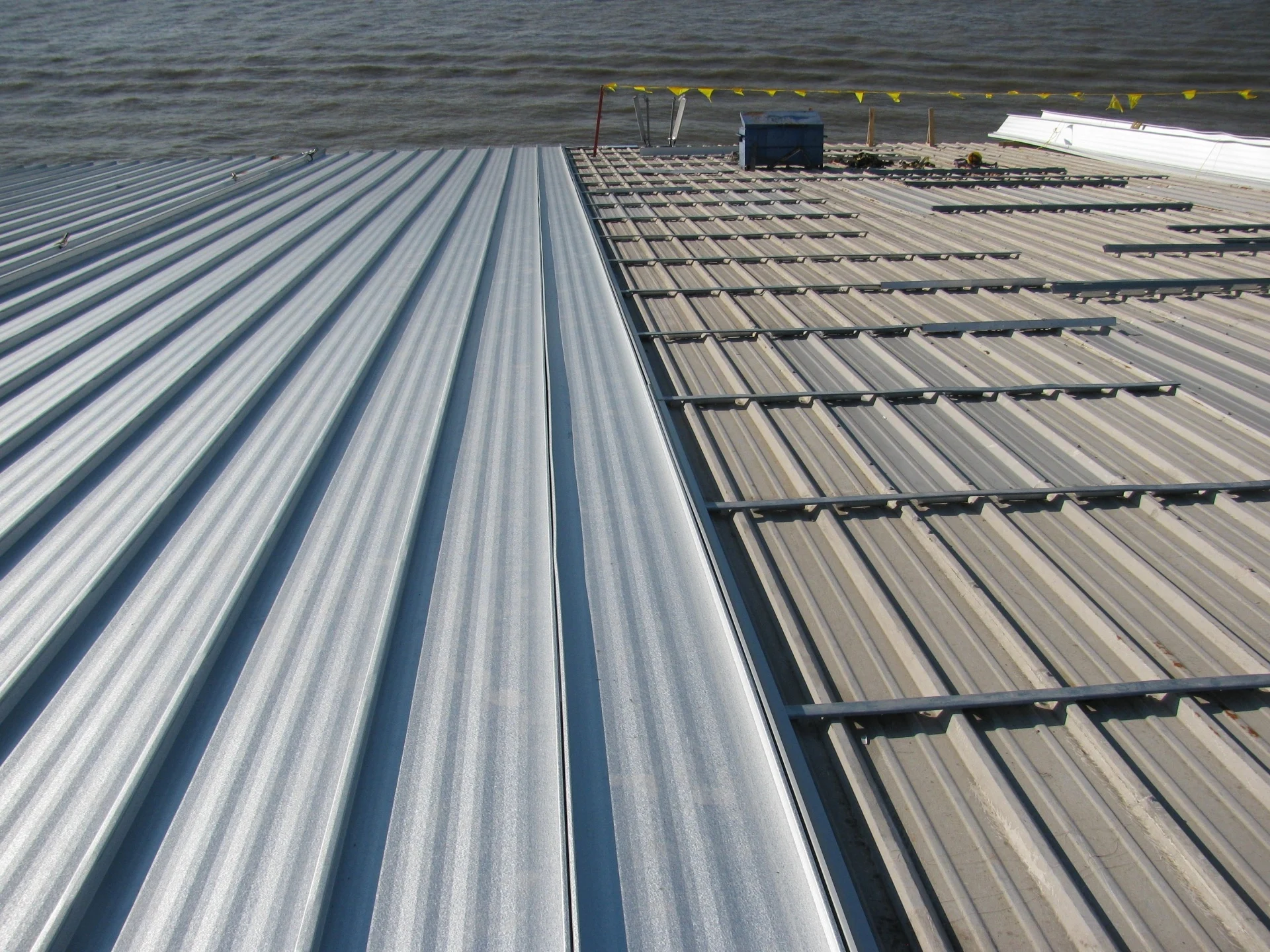
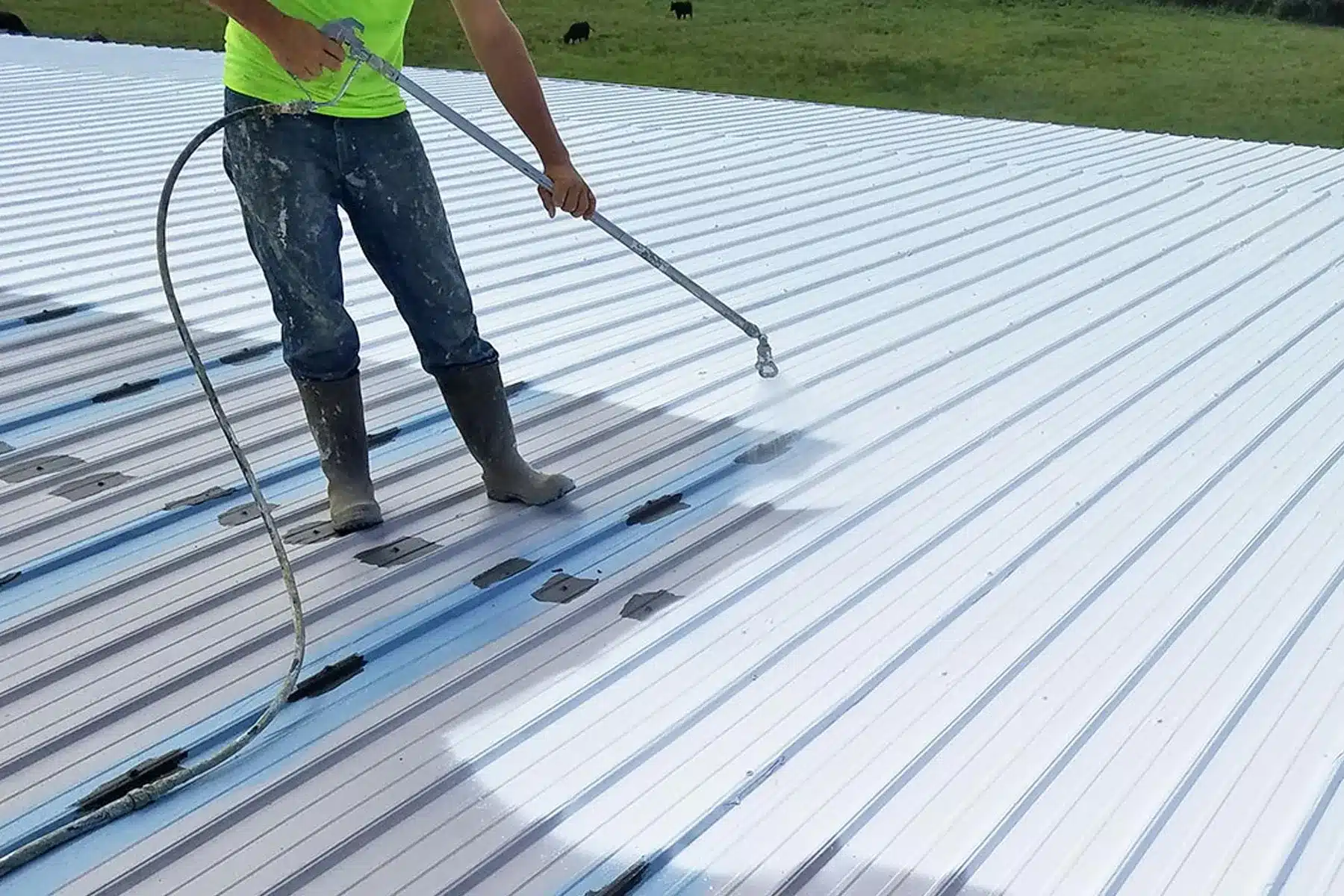
A car wash is one of the few commercial buildings where the roof is attacked from the inside out. Inside a tunnel or express bay, warm soapy mist, hydrofluoric wheel-brightener vapor and high-pH presoak fog never really clear the air. That cloud rises, condenses against the underside of the deck, and works its way into fasteners, seams and insulation long before anything shows on the surface. We build car wash roofs in Miami specifically for that reality, because a membrane that lasts twenty years on a dry warehouse can corrode through in a fraction of that time over an active wash line.
We work washes across the city — the high-volume express tunnels along Bird Road and Coral Way, the self-serve and full-service bays clustered near Flagler Street and West Dixie Highway, and the newer dealership-adjacent washes serving the auto corridor on Northwest 36th Street near the airport. Each of these sites runs hundreds of cars on a busy Saturday, and each one is generating interior vapor the entire time the conveyor is moving.
Why Car Wash Vapor Is a Roofing Problem, Not Just an HVAC One
Operators often assume their exhaust fans handle the moisture. They handle some of it. The rest migrates upward and finds the coldest surface available, which after a Miami afternoon thunderstorm is frequently the metal deck and the steel fasteners holding the assembly together. Over a wash tunnel we see three failure patterns again and again:
- Fastener corrosion from below, where plates and screws rust and lose pullout strength even though the membrane above them still looks intact.
- Saturated insulation that holds chemical-laden moisture against the deck, accelerating rust and destroying the roof's R-value at the same time.
- Seam and flashing breakdown around the equipment room and blower penetrations, where vapor concentration is highest and movement is constant.
Because the damage starts on the hidden side, a wash roof can fail an interior inspection while passing a casual look from the parking lot. That is why our assessments include the underside of the deck and the equipment-room ceiling, not just the field of the roof.
Assemblies We Specify Over Wash Bays
For the wet end of a wash, we lean toward chemically resistant single-ply membranes — typically a thicker PVC or KEE-based sheet that tolerates the surfactants and acids in car wash exhaust far better than standard formulations. We pair the membrane with corrosion-resistant fasteners and stress plates, and we detail the equipment room as its own zone with sealed, vapor-tolerant penetrations.
Insulation choice matters as much as the membrane. We use facers and adhesives rated to stay stable in high-humidity service, and where the budget allows we add a vapor retarder above the deck so interior moisture has a much harder time reaching the steel. On retrofit jobs we frequently find the original insulation already soaked; replacing it is not optional if the new roof is going to last.
Tunnel, Express and Self-Serve Each Get a Different Plan
A full conveyor tunnel concentrates the most vapor and gets our most aggressive corrosion package. An express exterior wash with open ends moves air more freely but still loads the equipment room hard. Self-serve bays with individual stalls spread the moisture out but multiply the number of penetrations and short wall flashings we have to detail. We walk each layout before we quote so the assembly matches how that specific building actually breathes.
Working Around Cars, Conveyors and Revenue
A wash that closes loses money by the hour, and in a market as competitive as Miami's, customers who find a "closed" sign simply drive to the next tunnel down the road. We phase reroofs so the tunnel can keep running, scheduling the noisiest tear-off and the equipment-room work for slower weekday mornings and staging material so the lot stays open for stacking cars. When we have to take a bay down, we tell you exactly which one and for how long.
South Florida weather forces discipline on top of that. The daily summer storm cycle and the long hurricane season mean we never leave a deck open overnight, and we detail every wash roof to meet the High-Velocity Hurricane Zone uplift requirements that govern Miami-Dade. A wash roof that cannot hold down in a August squall is not finished, no matter how good the membrane looks.
Drainage and Standing Water
Wash buildings tend to have low-slope roofs cluttered with reclaim tanks, blowers and chemical feed equipment, and all of that hardware blocks water from reaching the drains. On flat Miami roofs that already drain slowly, ponding around equipment curbs is a constant. We re-slope with tapered insulation, add overflow protection, and keep collars and pitch pans clear of the equipment so a heavy rain sheets off instead of sitting on the seams.
Maintenance That Catches Corrosion Early
The cheapest car wash roof is the one we catch before the deck gives up. We set wash clients on a regular inspection schedule that specifically checks fastener integrity, equipment-room flashings and insulation moisture — the things that go wrong over a wash but rarely over an ordinary building. Caught early, a corroding fastener field is a repair. Ignored, it becomes a tear-off.
If you run a tunnel, express or self-serve wash anywhere in Miami and you are seeing rust streaks on the equipment-room ceiling, drips during a busy shift, or fasteners backing out of the deck, those are the early warnings of vapor-driven failure. We will get on the roof and under the deck, tell you honestly how much life is left, and lay out whether you are looking at a targeted repair or a corrosion-rated replacement.
Repair, Recover or Replace a Wash Roof
Not every wash roof needs to come off. When the deck and fasteners are still sound and the trouble is confined to seams, flashings or a tired surface, we can often repair the problem areas or recover the existing roof with a new membrane, which keeps the wash open and the cost down. The deciding factor is almost always the hidden side: if our moisture survey shows saturated insulation and corroding steel, a recover would just trap the damage, and a full tear-off is the honest answer. We will not sell you a replacement you do not need, and we will not paper over corrosion that is going to come back.
When a tear-off is warranted, it is also the moment to fix everything the original installer got wrong over a wet building — upgrading to a corrosion-rated fastener field, adding the vapor retarder that should have been there, re-sloping the equipment-cluttered roof, and rebuilding the equipment-room penetrations properly. A wash roof done right the second time tends to outlast the first by a wide margin.
What You Get From Our Assessment
Our wash walkthrough gives you a clear picture instead of a guess. We document the condition of the membrane and seams, probe for moisture in the insulation, check fastener pullout in the suspect areas, and inspect the equipment-room ceiling and flashings where vapor concentrates. You come away knowing what is failing, why it is failing on a wash specifically, and what the realistic options and timeline are. From there you can plan around your season instead of reacting to the next leak over the conveyor.
Reach out and we will schedule a walkthrough around your wash hours and put together a plan built for a building that makes its own weather inside.