Wind & Storm Damage Roof Insurance Claims in Miami, FL
Miami, FL · Services

Not every roof insurance claim in Miami starts with a named hurricane. South Florida’s summer thunderstorm pattern produces frequent, intense straight-line wind and downburst events — the kind that can lift membrane at a parapet on a Doral warehouse or peel back edge metal on a Wynwood building in a fifteen-minute cell, with no named storm attached at all. Tropical storms that never reach hurricane strength cause a similar pattern of damage across a wider area. These events fall under the standard wind-damage provisions of a commercial property policy rather than the named-storm or hurricane deductible, and the documentation needs to establish that the damage is wind-related and dates to a specific weather event.
Thunderstorm Downburst and Straight-Line Wind Damage
A microburst or downburst event produces concentrated, short-duration wind loading that can exceed the design pressure at a roof’s perimeter or corner zones even though the overall storm never approached hurricane strength. We see this most often at parapet caps, mechanical equipment curbs, and membrane edges where the fastening pattern is under the most stress. We document the displacement pattern and, where possible, cross-reference it against radar-indicated wind speed for the storm cell that passed over the property, since these events are often localized enough that a nearby weather station may not capture the peak gust.
Tropical Storm Wind and Rain Damage
A tropical storm that makes landfall or passes near Miami-Dade without hurricane-strength winds still produces sustained wind loading and heavy rainfall over an extended period — long enough to test drainage capacity and expose any marginal flashing or seam condition on a commercial roof. We document ponding evidence, drain performance during the event where it is reported, and any membrane displacement separately from the interior water damage it may have caused, so the claim reflects the actual wind-versus-water damage mechanism.
A Brief Note on Hail in South Florida
Hail is uncommon in the Miami metro compared to inland Florida and the rest of the Southeast, but it does occur with some summer storm cells, typically as small-diameter hail mixed with heavy rain and wind. When it does occur, hail impact on TPO or PVC membrane leaves small surface impressions that are easy to miss without close-range inspection, and we document impact density the same way we would for any other wind-storm event where hail was reported or observed.
Separating Wind-Storm Damage From Pre-Existing Wear
Because these events are more frequent than named storms, adjusters scrutinize wind-storm claims for pre-existing condition even more closely — a roof that has taken several minor wind events over a few years can accumulate wear that looks similar to a single event’s damage. We identify and separate age-related seam and flashing condition from the specific event being claimed, with photographs and a written assessment that supports the scope as event-related.
Parapet and Rooftop Equipment Exposure
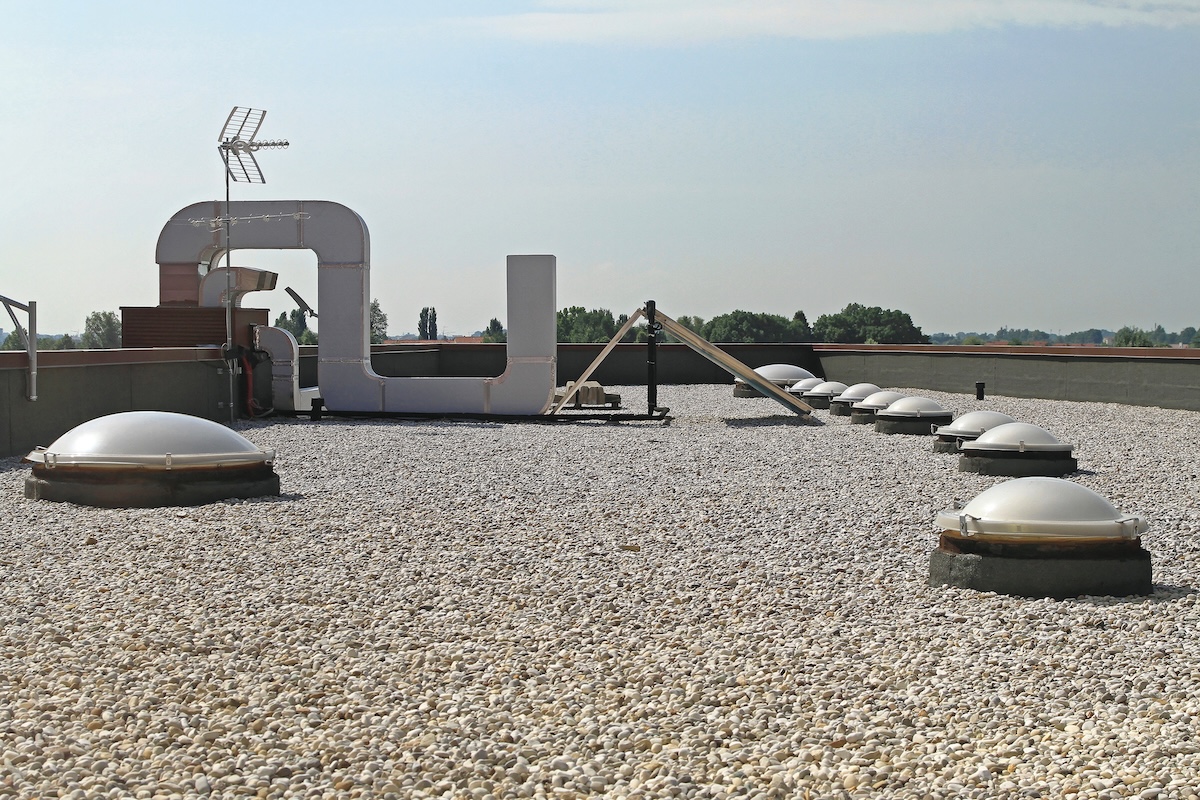
Parapet walls and rooftop mechanical curbs take a disproportionate share of straight-line wind damage on Miami commercial buildings, because they sit above the roof plane and catch wind loading the field membrane does not. We inspect parapet cap attachment, coping seams, and curb flashing on every wind-storm damage assessment, even when the reported problem is a leak somewhere else on the roof, because a failure at one of these locations is a common source of water intrusion that gets misattributed to the membrane.
Frequently asked questions
Does my policy cover wind damage from a storm that was not a named hurricane?
Most commercial property policies cover wind damage from any qualifying wind event under the standard wind or all-other-perils deductible, separate from the named-storm or hurricane deductible. The policy language determines the exact trigger; we document the event and the damage so the claim can be classified correctly.
How do you document a fast-moving thunderstorm event?
We inspect the roof as soon as safe access is possible, photograph and measure the damage pattern, and cross-reference available weather data — radar, the nearest weather station, or reported conditions — to the timeframe of the event. The physical damage pattern itself, particularly at perimeter and corner zones, is usually the strongest evidence of a wind event.
Is hail damage common on Miami commercial roofs?
No, hail is infrequent in the Miami metro compared to much of the rest of Florida and the Southeast. When it does occur, it is typically part of a broader wind-and-rain storm cell rather than a standalone hail event, and we document it as part of the overall wind-storm damage assessment.
Can I file a claim for damage from a storm that happened months ago?
Most commercial policies have a notice-of-loss timing requirement, so prompt reporting matters. We can inspect and document current roof condition and note physical evidence consistent with wind-event damage, but whether a delayed claim is accepted depends on the policy language and the insurer’s review.
Get a wind-storm damage assessment for your Miami building.
Our project managers document parapet, edge-metal, and membrane damage from thunderstorm and tropical-storm wind events, with a written report your adjuster can use. Contact us after any significant wind event.