Hurricane Roof Damage Insurance Claims in Miami, FL
Miami, FL · Services
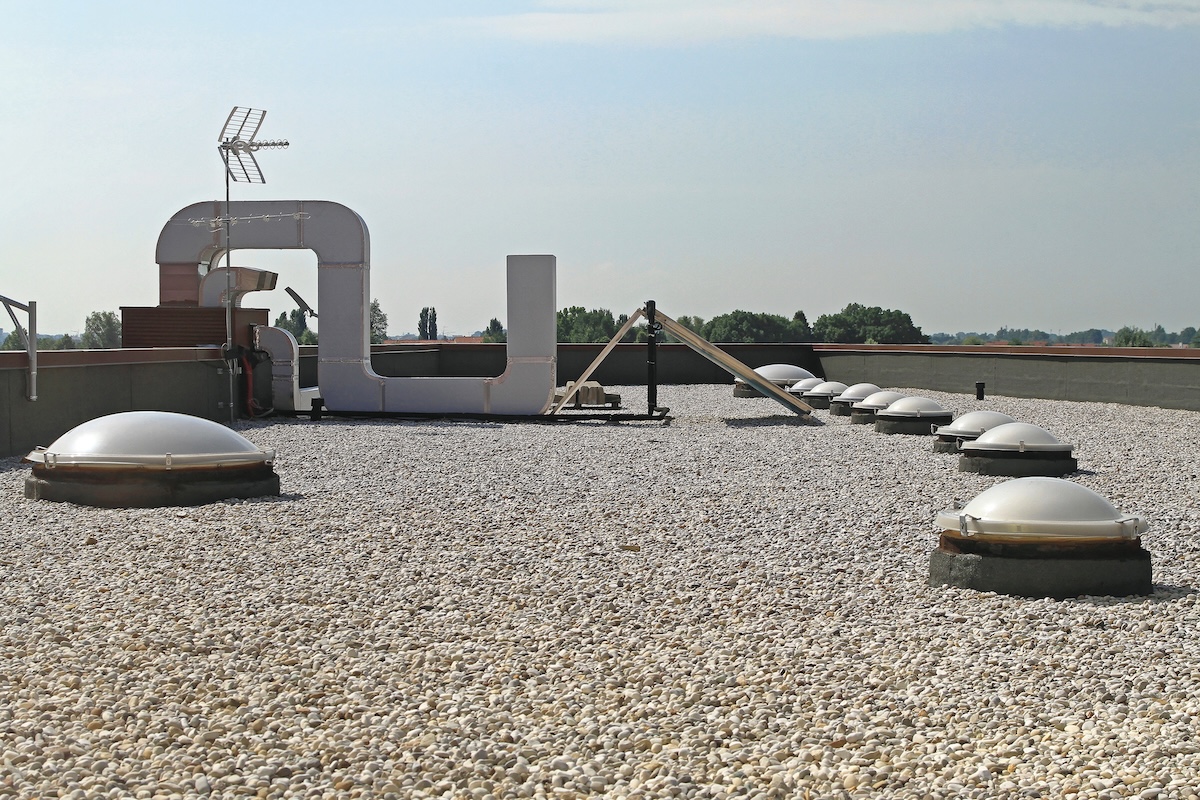

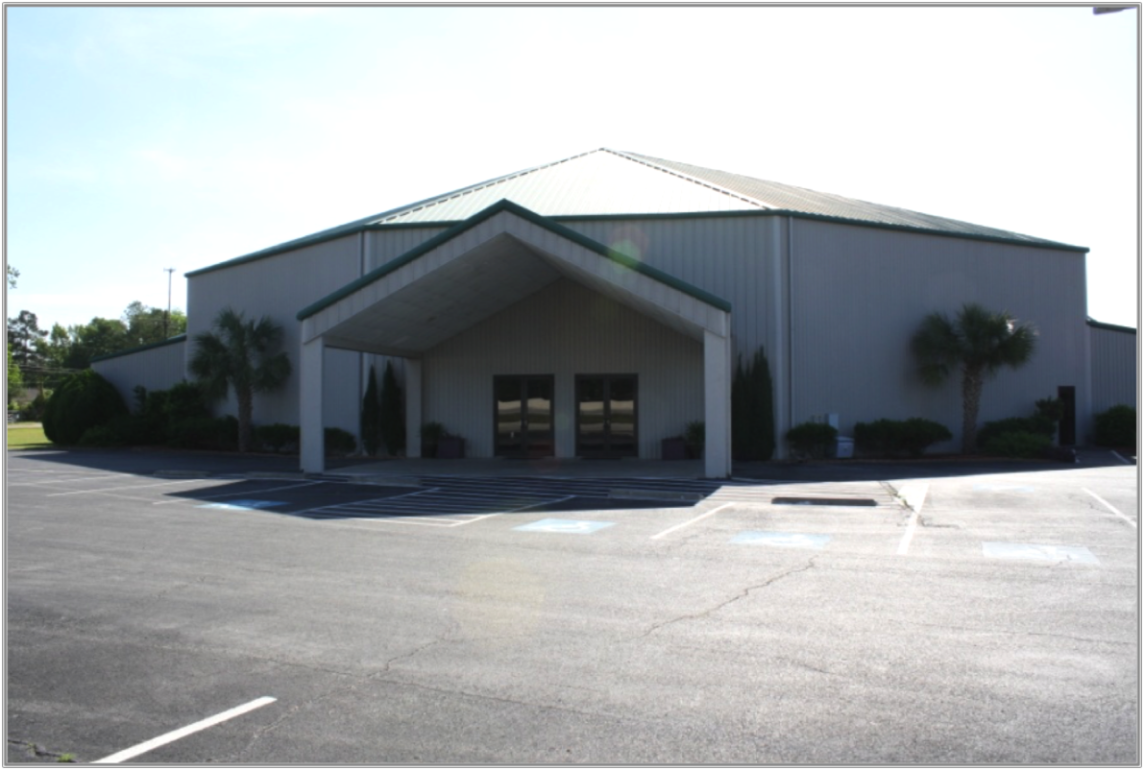
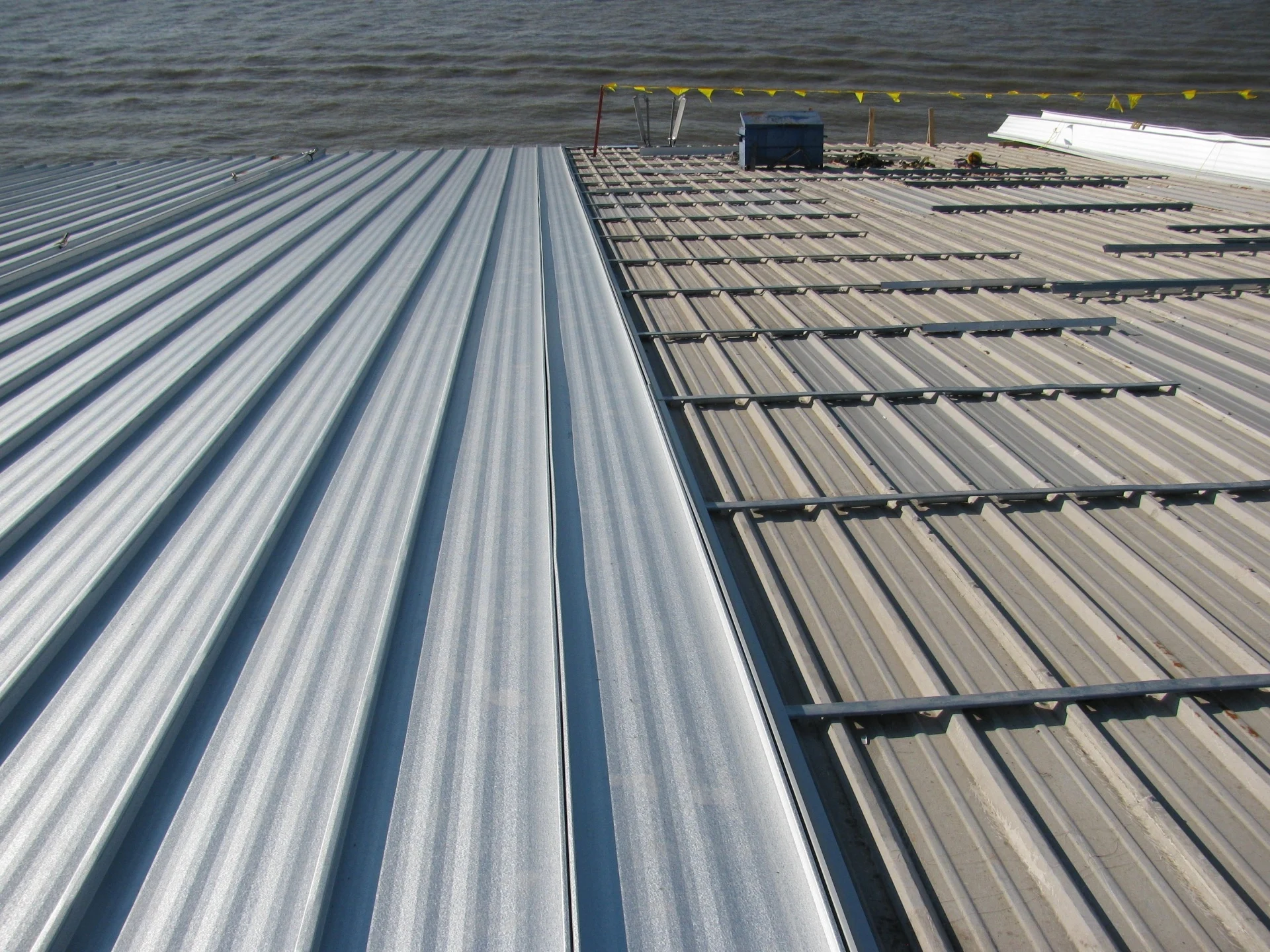
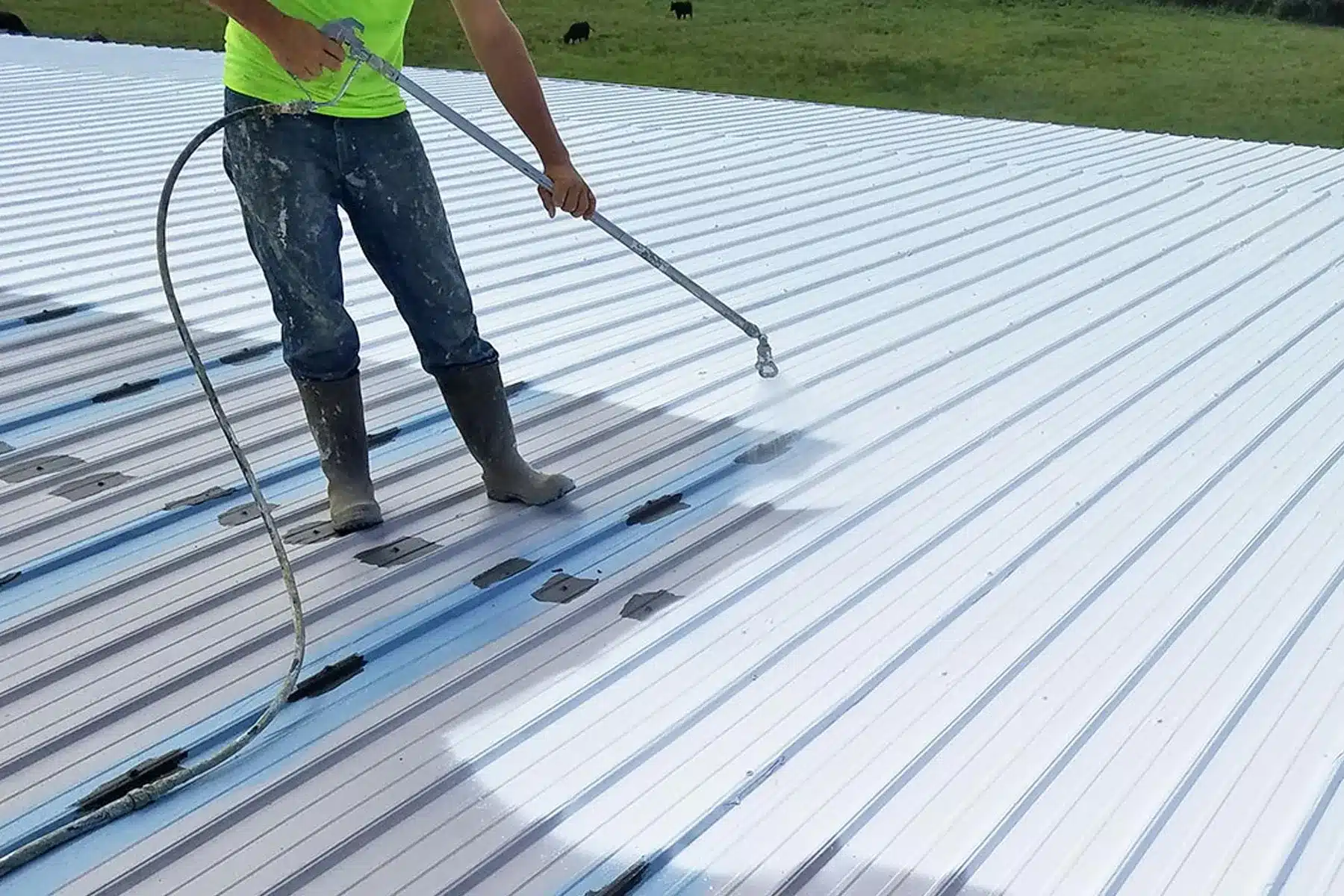
Miami-Dade County operates under the Florida Building Code’s High-Velocity Hurricane Zone provisions, and every commercial roof assembly installed here carries a Miami-Dade County Notice of Acceptance (NOA) tied to a specific wind-uplift design pressure. When a hurricane or a named tropical system damages one of those roofs — whether it is a distribution building along the Doral airport-west corridor, a tower in Brickell, or a converted warehouse in Wynwood — the insurance claim has to establish two things: what the wind did to the roof, and whether the assembly that failed was installed and maintained to its NOA. We document both.
Named-Storm and Hurricane Deductibles
Florida commercial property policies commonly carry a separate named-storm or hurricane deductible in addition to the standard deductible, often expressed as a percentage of the building’s insured value rather than a flat dollar figure. That percentage deductible can run into six figures on a large commercial building, which means the documented damage has to clear that threshold before the coverage layer applies. We provide an itemized damage estimate broken out by category — membrane, flashing, edge metal, equipment curbs — so the owner and their broker can see where the claimed scope stands against the deductible.
Documenting the Wind Event Itself
Which storm caused the damage, and when, matters for deductible classification and for separating one event from another if a building took hits from more than one system in a season. We record the National Hurricane Center track data and the closest National Weather Service station reading for the property’s location alongside the physical damage documentation, because wind speed at a specific Miami-Dade address can vary meaningfully from the county-wide storm classification depending on position relative to the track.
HVHZ Failure Patterns We Document
Post-hurricane roof failures in Miami-Dade concentrate at a handful of predictable locations: perimeter and corner zone membrane blow-off, where FBC HVHZ design pressures run two to three times the field-zone pressure; parapet cap and coping displacement; and penetration flashings that were not detailed to the assembly’s NOA. We photograph and measure each failure location, note whether the underlying fastening or adhesion pattern matches what the NOA required for that roof’s design wind speed, and separate wind-driven rain intrusion from any pre-existing leak history at the same location. That distinction is often what determines whether water damage to the building interior is covered under the same claim.
Emergency Dry-In Before Documentation Is Complete
When a hurricane leaves a roof open to water intrusion, protecting the building cannot wait for the full claim report. We deploy emergency dry-in and temporary membrane on active and standby projects during hurricane season, and we document the pre-repair condition photographically before that emergency work begins wherever it is safe to do so, so the as-found damage is preserved in the record even though the leak itself gets addressed immediately.
Coordinating the Claim With Hurricane-Season Timing
Hurricane season runs June 1 through November 30, and post-storm demand for both inspections and repair labor spikes immediately after a major landfall. We prioritize documentation for claim purposes ahead of discretionary repair scheduling, because most commercial policies carry a notice-of-loss timing requirement that does not wait for repair capacity to catch up. Buildings already on our maintenance program get priority post-storm response; we also take on new post-storm inspection requests across Doral, Brickell, downtown, and the broader Miami-Dade and Broward service area.
Frequently asked questions
How is a hurricane claim different from a standard storm claim in Miami-Dade?
Hurricane and named-storm events typically trigger a separate, larger percentage-based deductible than standard wind or water claims, and the National Hurricane Center’s storm classification and track data become part of establishing which deductible applies. We document the event data alongside the physical roof damage for that reason.
What is an NOA and why does it matter for my claim?
A Notice of Acceptance is Miami-Dade County’s product approval for a specific roofing assembly at a specific design wind speed. If the roof that failed was installed to an NOA-compliant assembly and fastening pattern, that documentation supports the claim that the failure was event-related rather than an installation deficiency. We verify and reference the applicable NOA in our damage report where installation records are available.
Do you provide emergency tarping during an active storm season?
Yes. We maintain emergency dry-in and temporary protection materials on active projects throughout hurricane season and prioritize post-storm response, particularly for buildings in Doral, Brickell, downtown, and the coastal service area.
Can wind-driven rain damage to the building interior be part of the roof claim?
Often yes, when the water entry point is traced to storm-related roof damage rather than a pre-existing leak. We document the entry point and the interior damage path together so the connection between roof failure and interior loss is clear in the record.
Should I schedule an inspection before hurricane season or wait until after a storm?
Both matter. A pre-season inspection documents baseline condition and flags anything that could become a failure point, which strengthens any post-storm claim by making the pre-existing versus event-related distinction easier to establish. A post-storm inspection documents the actual damage. We recommend both where possible.
Get hurricane damage documentation before you file.
Our project managers inspect the roof, verify assembly condition against its NOA where records exist, and produce a written report your adjuster can use. Contact us to schedule a post-storm inspection.