Commercial Roof Insurance Claim Assistance in Miami, FL
Miami, FL · Services
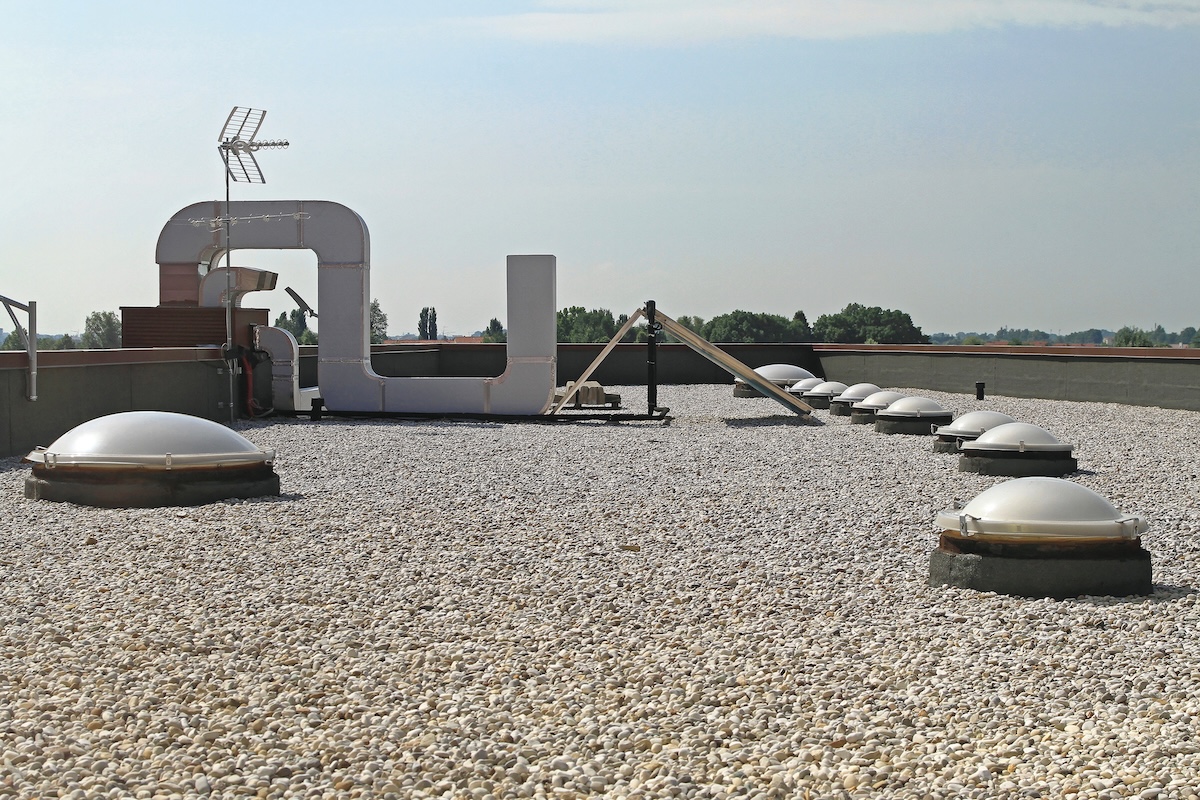
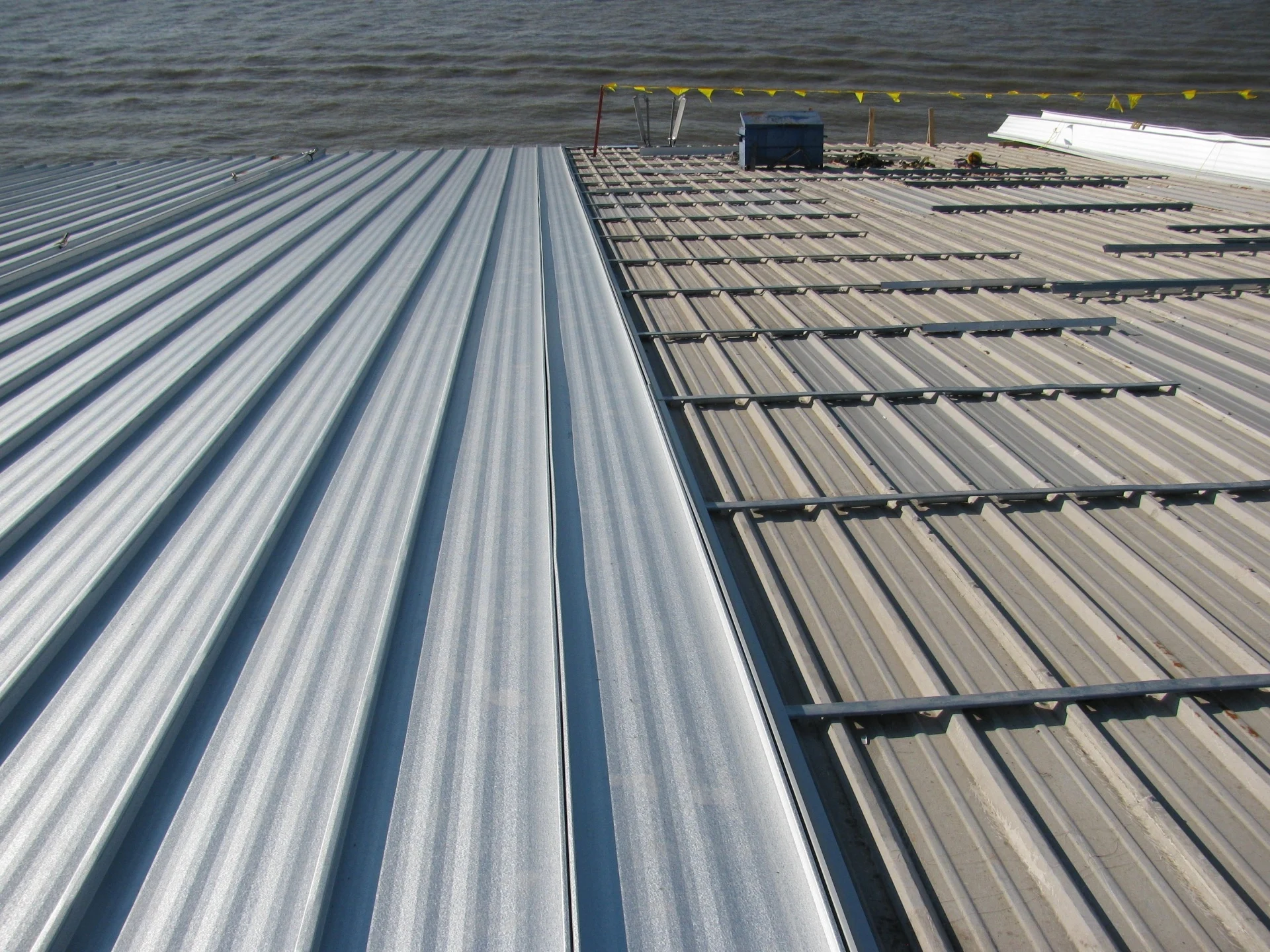
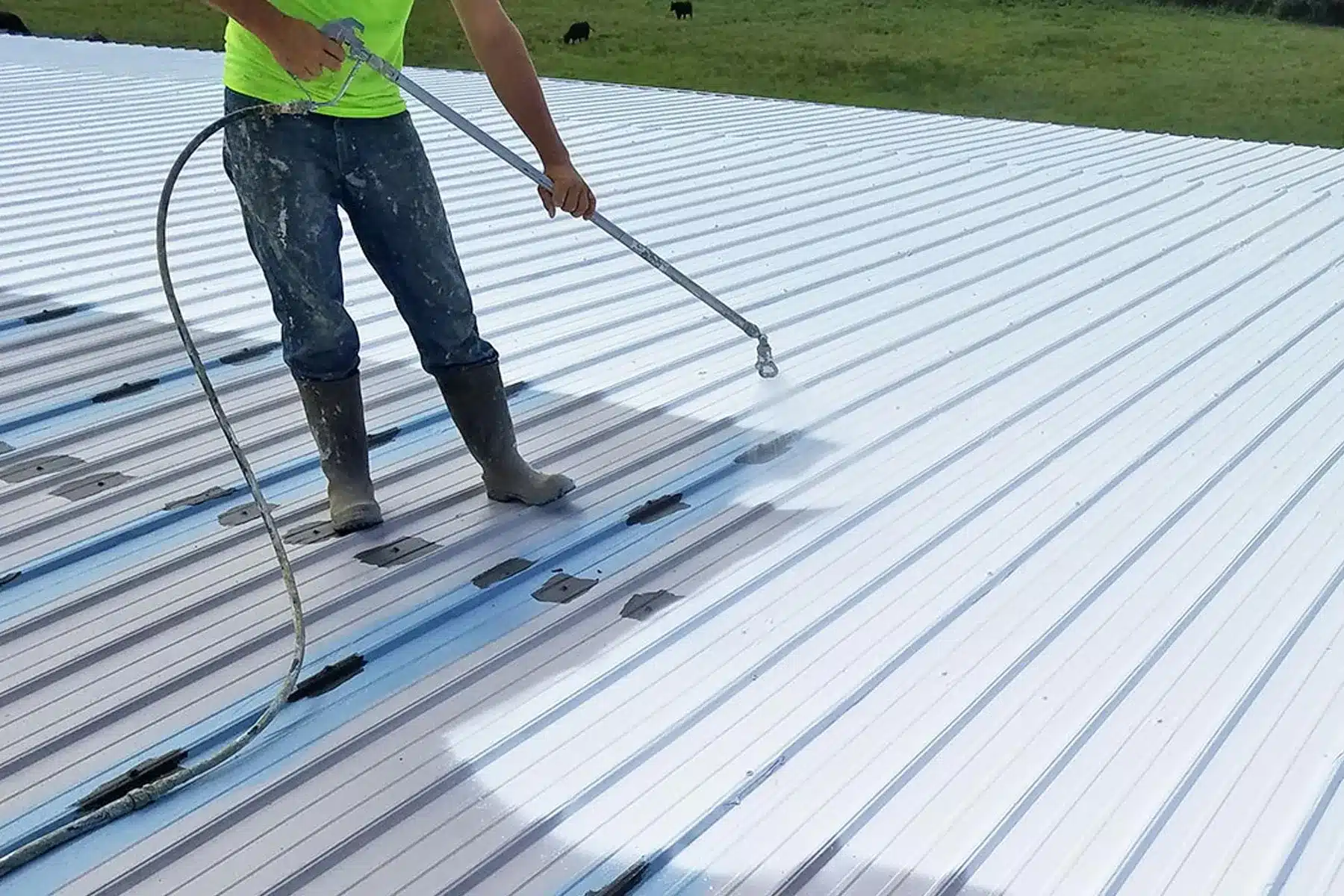
Miami-Dade's commercial roof stock runs from the airport-west warehouse district in Doral through the concentrated tower footprint of Brickell and downtown, into the adaptive-reuse warehouse conversions of Wynwood and the logistics buildings that ring PortMiami. Every one of those buildings carries the same exposure: named-storm wind, wind-driven rain, and salt-air corrosion working on membranes and metal that were installed to Miami-Dade NOA and FBC HVHZ standards. When one of those roofs takes damage, the insurance claim that follows is only as strong as the documentation behind it. We build that documentation as the roofing contractor on the project — not as a public adjuster, and not as the owner’s advocate in a coverage dispute.
A commercial roof insurance claim in Miami starts with an inspection that produces more than a repair estimate. Adjusters reviewing large commercial claims want a damage assessment keyed to specific roof zones, photographs that isolate storm-related damage from pre-existing wear, and measurements — impact counts, membrane displacement distances, moisture readings from a scan — that support the scope being claimed. We produce that record on every claim-related inspection, whether the triggering event was a named storm, a straight-line wind event, or a slower water-intrusion failure that surfaced after heavy rain.
What a Commercial Roof Claim in Miami-Dade Actually Requires
The first document that matters is the pre-loss condition of the roof. Adjusters distinguish between damage the event caused and conditions that existed before it — aged seam adhesion, a patched blister, a drain that was already slow. We separate those categories in writing, with photographs, before any repair work changes what the roof surface shows. That separation is the single biggest factor in whether a claim moves through review without delay.
From there, the scope has to be measured, not estimated by eye. On a Doral distribution building or a Brickell office tower, that means a zone-by-zone walk of the roof surface — field, perimeter, and corner areas measured separately, since wind-uplift damage concentrates at corners and edges under Florida Building Code’s HVHZ design pressures. We record impact density on membrane surfaces, displacement at laps and flashings, and any water paths into the building envelope, and we tie every finding to a location on a roof diagram an adjuster can check against the building.
Meeting the Adjuster on the Roof
Most commercial claims of any size involve a joint site visit — the adjuster, sometimes an independent engineer they’ve retained, and us. We walk the roof with the adjuster, point to the same zone references that are in our written report, and answer questions about installation method, membrane condition, and how the damage pattern reads against the wind or water event that triggered the claim. We do not negotiate coverage terms or argue policy language during that walk — that is between the owner, the broker, and the insurer. What we do is make sure the physical evidence on the roof is represented accurately and completely, so the adjuster’s own assessment starts from the same facts ours does.
Building the Complete Scope — Code Upgrades and Matching
A repair scope that only covers the visibly damaged area frequently misses two categories that Florida commercial property policies often do cover: code-upgrade cost and matching. If a section of TPO or PVC membrane has to be replaced and the Florida Building Code or the manufacturer’s current NOA requires a different fastening pattern or edge detail than what’s on the roof today, that upgrade is a legitimate part of the scope, not an add-on we invent. If the damaged membrane can no longer be matched because the product has been discontinued or the color run is no longer available, that is a matching issue with its own coverage question. We itemize both in the scope documentation so the full, accurate cost of restoring the roof is in front of the adjuster from the start, not discovered mid-repair after a lower initial settlement has already been accepted.
When a Claim Is Denied or Underpaid
We’re your roofing contractor, not a public adjuster — we document and substantiate the roof damage so you and your adjuster work from an accurate scope. When an initial settlement comes in below what the documented damage supports, or a claim is denied outright, our role is to go back to the roof, confirm what our original documentation showed, and prepare supplemental evidence if the adjuster’s determination was based on incomplete information — a missed zone, a misread damage mechanism, or a repair cost that did not reflect current Miami-Dade material and labor pricing. We’ll make our project manager available for a second joint inspection if the adjuster requests one. Coverage disputes, appraisal, and litigation are outside what a roofing contractor does; documenting the roof accurately enough that those processes have something solid to work from is exactly what we do.
Frequently asked questions
Does insurance cover commercial roof replacement in Miami?
It depends on the policy and the cause of loss. Wind damage from a covered storm event is typically covered subject to the policy’s named-storm or hurricane deductible; gradual deterioration, poor maintenance, and normal wear generally are not. A documented inspection that separates storm-related damage from pre-existing condition is what allows the insurer to make that determination accurately.
What does the commercial roof insurance claim process look like?
Notice of loss to the insurer, an initial roof inspection and damage documentation, adjuster review (often with a joint site visit), a coverage determination and settlement offer, and then repair or replacement work against the approved scope. We are typically involved from the initial inspection through the repair, and available for supplemental documentation if the settlement needs to be revisited.
What happens if my claim is denied?
A denial is a determination by the insurer, not the end of the process. We can review our documentation against the stated reason for denial and prepare additional evidence if the denial rests on a factual gap — for example, if pre-existing versus storm-related damage was not clearly separated. From there, how the owner proceeds — reinspection request, appraisal, or an attorney — is a decision for the owner and their broker.
Is repair or full replacement the right call after storm damage?
That depends on the extent and location of the damage, the age and condition of the rest of the roof, and whether a partial repair can be matched and warrantied against the existing system. We document all three factors so the owner and the adjuster are working from the same information when that decision gets made.
How long does documentation take before I can file?
A standard commercial roof damage inspection and written report typically takes a few business days from the site visit. We prioritize post-storm response during hurricane season so documentation does not lag behind the notice-of-loss deadline most commercial policies set.
Do you work with public adjusters?
Yes, when a property owner has retained one. We provide the same roof-specific documentation and joint site access whether the owner is working directly with their insurer, through a broker, or with a public adjuster — our role as the roofing contractor documenting the roof does not change.
Talk to a Miami commercial roofing contractor about your claim.
Our project managers produce a documented roof inspection — zone-referenced photos, pre-existing versus event damage separated in writing, and a complete repair scope your adjuster can act on. Contact us to schedule one.