Wind Damage Roof Repair
Miami, FL · Damage Repair
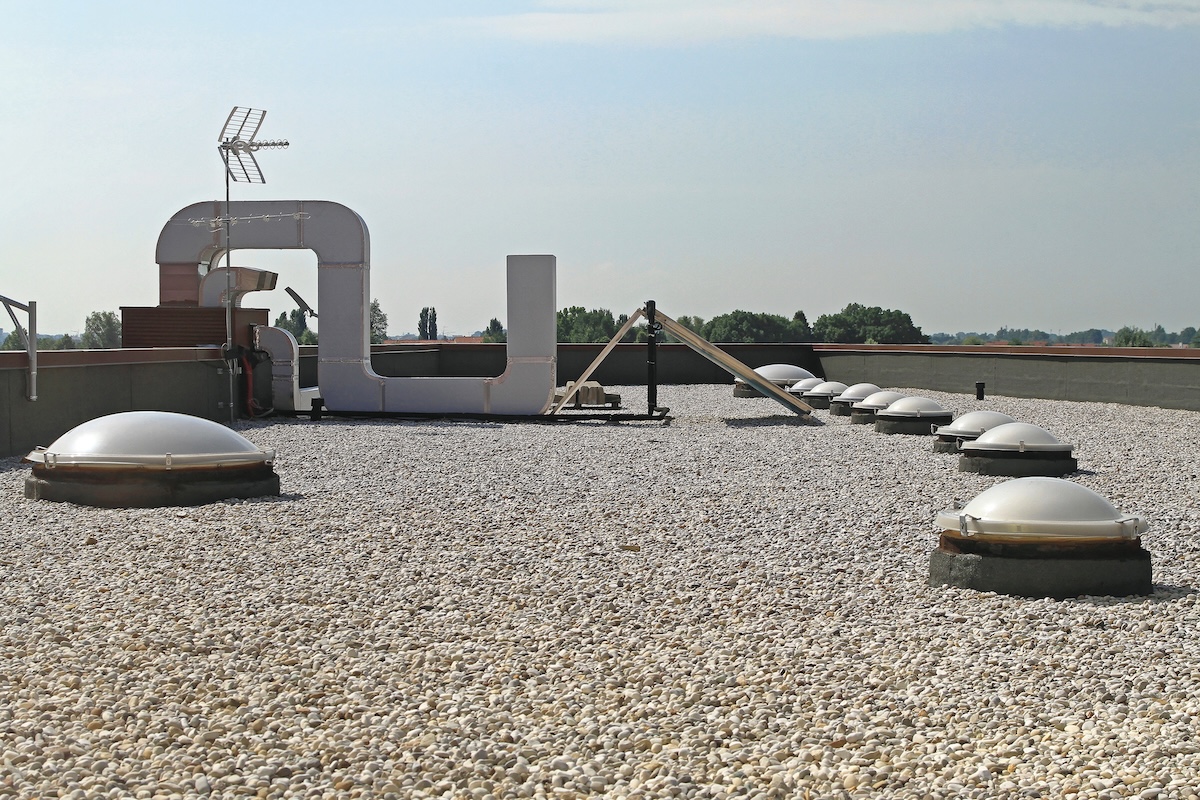

Miami-Dade sits in the nation's highest-risk wind zone. Tropical storms that never reach hurricane status can still produce sustained winds above 60 mph — enough to initiate membrane separation at poorly fastened perimeter and corner zones. Wind damage on Miami commercial roofs is a recurring maintenance issue, not a once-per-decade event.
Wind damage on commercial flat roofs in Miami-Dade falls into a different category than hurricane event damage. Named tropical storms, squall lines, and afternoon convective events during the June-through-October wet season can produce localized gusts well above the sustained wind speeds that trigger the formal damage-assessment and insurance-claim process. A building that survived Hurricane Irma can develop a failed perimeter flashing in a 70-mph squall six months later — because the dynamic pressure cycling during Irma fatigued the flashing termination even if it did not blow off during the event.
The Florida Building Code's HVHZ wind-uplift requirements set the design standard, but design compliance does not eliminate all wind vulnerability. Roofs that were properly installed 15 to 20 years ago may have experienced fastener back-out (fasteners that have lost their grip in the deck due to thermal cycling), adhesive bond degradation at seams, or edge metal corrosion that has reduced the actual wind resistance below the original design capacity. A current wind-damage assessment needs to evaluate the actual condition of the resistance system, not just confirm that the original installation was code-compliant.
We approach wind damage assessments with a zone-by-zone methodology. The corner zones, perimeter edge strips, and parapet flashing terminations are the primary failure locations under wind loading — we assess these areas with specific attention to fastener engagement, seam adhesion condition, and edge metal attachment. Interior field zones that appear intact often have compromised seam laps or fastener back-out that creates hidden vulnerability. The written damage report identifies both active failures and developing failures before they become water intrusion events.
Common Wind Damage Patterns on Miami Commercial Buildings
Perimeter edge metal separation is the most common wind damage pattern we document on Miami commercial flat roofs. The perimeter metal system — fascia cleat, drip edge, and coping — must carry its own Miami-Dade NOA approval separate from the roof membrane system. Edge metal systems that were installed without an active NOA or have lost their mechanical fastener engagement due to corrosion or thermal cycling are vulnerable to progressive separation under repeated wind loading events. Once the edge metal begins to lift, it creates a leading edge that amplifies wind-uplift pressure on the adjacent membrane.
Membrane seam delamination at corner zones and perimeter strips is the second most common pattern. Mechanically attached single-ply systems have seam laps that rely on the welded or adhesive bond between sheets at the overlap. In Miami's thermal environment — surface temperatures above 160 degrees F in summer — the adhesive formulations in older TPO and EPDM systems can degrade over 10 to 15 years. Under repeated wind loading, seams with degraded adhesive begin to peel from the edge inward. This can progress slowly and remain invisible until a significant wind event opens the seam fully.
Penetration flashing blow-off around HVAC curbs, pipe penetrations, and drain sumps is the third common pattern. Penetrations create stress concentrations in the membrane under dynamic wind pressure — the membrane wants to deflect away from the deck surface, and the penetration restrains it at a discrete point, concentrating strain at the flashing perimeter. Properly detailed and adhered penetration flashings resist this mechanism; flashings that have lost adhesive bond or that were never detailed to the NOA-approved method are vulnerable.
Assessing the Repair Scope After Wind Damage
Wind damage repair scope depends on whether the damage is isolated or indicates systemic vulnerability. Isolated corner zone membrane blow-off at a single location — with sound perimeter edge metal, intact seam laps, and properly adhered penetration flashings across the rest of the roof — is a targeted repair. Perimeter edge metal separation across three elevations of a building, with seam delamination visible at multiple corner zones, indicates systemic vulnerability in the perimeter system that justifies a perimeter restoration scope rather than point repairs.
The distinction between targeted repair and perimeter restoration matters because point repairs on a systemically vulnerable perimeter will recur at every significant wind event. We identify which situation we are looking at in the written damage report — and we document the evidence that supports the assessment so that the building owner can make an informed decision about repair versus restoration scope.
NOA compliance for repairs is the same requirement as for new installations. Repair patches, edge metal replacement, and flashing restorations must use assembly components with an active Miami-Dade product approval for the specific assembly combination. We document the NOA number for every repair material we specify.
Preventive Wind Vulnerability Assessment
Miami-Dade Emergency Management recommends pre-hurricane-season roof inspections for commercial buildings. Our pre-season wind vulnerability assessment focuses on the failure initiation points: perimeter edge metal condition, corner zone seam adhesion, parapet flashing termination bar engagement, and penetration flashing bond. We rate each area by severity and provide a repair priority list with cost estimates before the storm season begins.
Buildings that have experienced multiple tropical storm events without formal post-event inspection are candidates for a fastener pull-out assessment. Fastener pull-out testing measures the actual mechanical engagement of the fastener in the deck and compares it to the design requirement for the specific roof zone. Fasteners that have backed out due to thermal cycling or that have lost grip in a corroded metal deck will fail the pull-out test — and those locations need refastening before the next significant wind event.
Frequently asked questions
Does a tropical storm without hurricane classification cause insurable wind damage?
Yes. Named tropical storms in the Atlantic produce sustained winds above 39 mph by definition, and many tropical storms cross Miami-Dade with sustained winds of 60 to 74 mph — below hurricane threshold but well above what fatigued perimeter systems can sustain without damage. Whether a specific event produces an insurable claim depends on the policy deductible structure, the damage scope, and the policy language — factors outside our scope. We document the damage accurately regardless of storm classification.
How do I know if my roof has hidden wind vulnerability before a storm?
The reliable way is a documented pre-season inspection that includes a seam adhesion check at perimeter and corner zones, a physical check of edge metal attachment, and a visual assessment of parapet flashing termination bar condition. On roofs with a prior wind event or a known installation history suggesting below-standard fastening, fastener pull-out testing gives a measurable data point. We provide written results with specific repair priorities.
Can you repair just one section of the roof or do you need to do the whole surface?
Targeted repairs are appropriate when damage is isolated. We document what we are repairing and what we are leaving in place — and we note any areas we are leaving in place that show developing vulnerability, so the building owner has a clear picture of what the next wind event may expose.
Get a wind damage assessment or pre-season vulnerability inspection.
Our project managers will zone the roof, document edge metal condition, check seam adhesion at perimeter areas, and produce a written repair priority list before hurricane season or after a wind event.