Structural Roof Damage Assessment
Miami, FL · Damage Repair
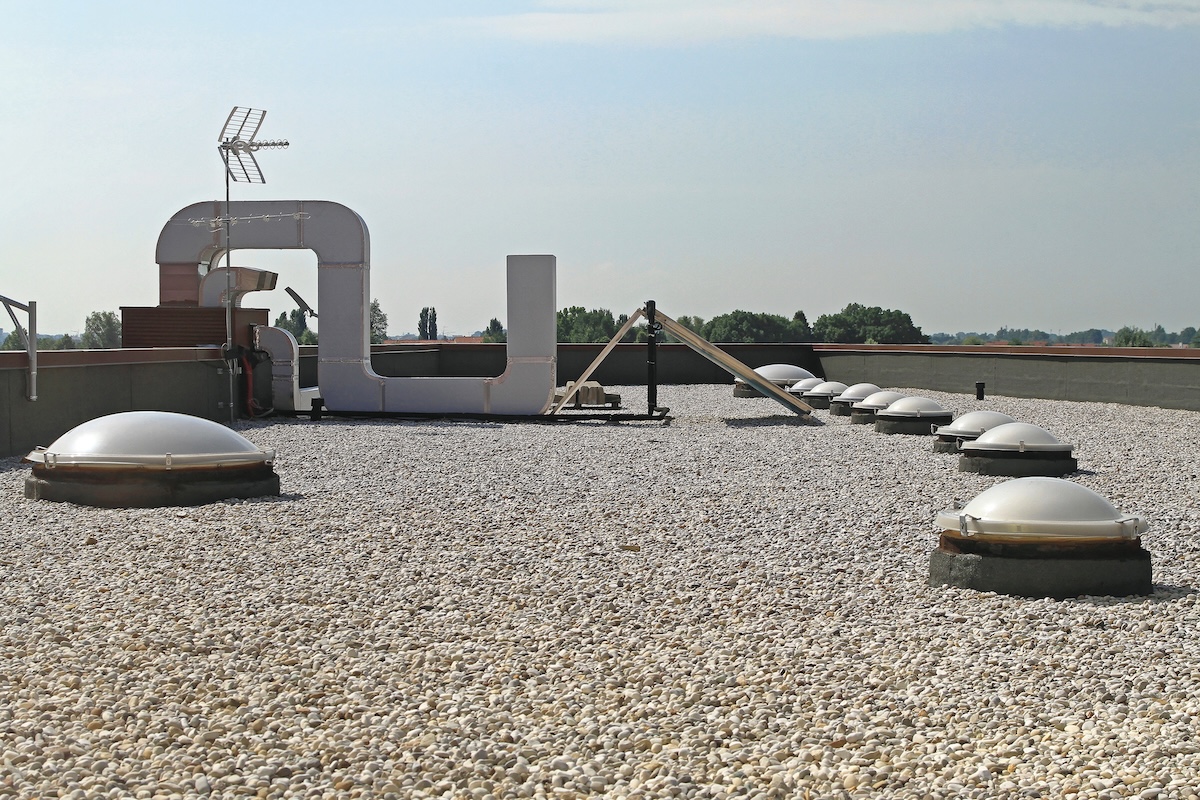
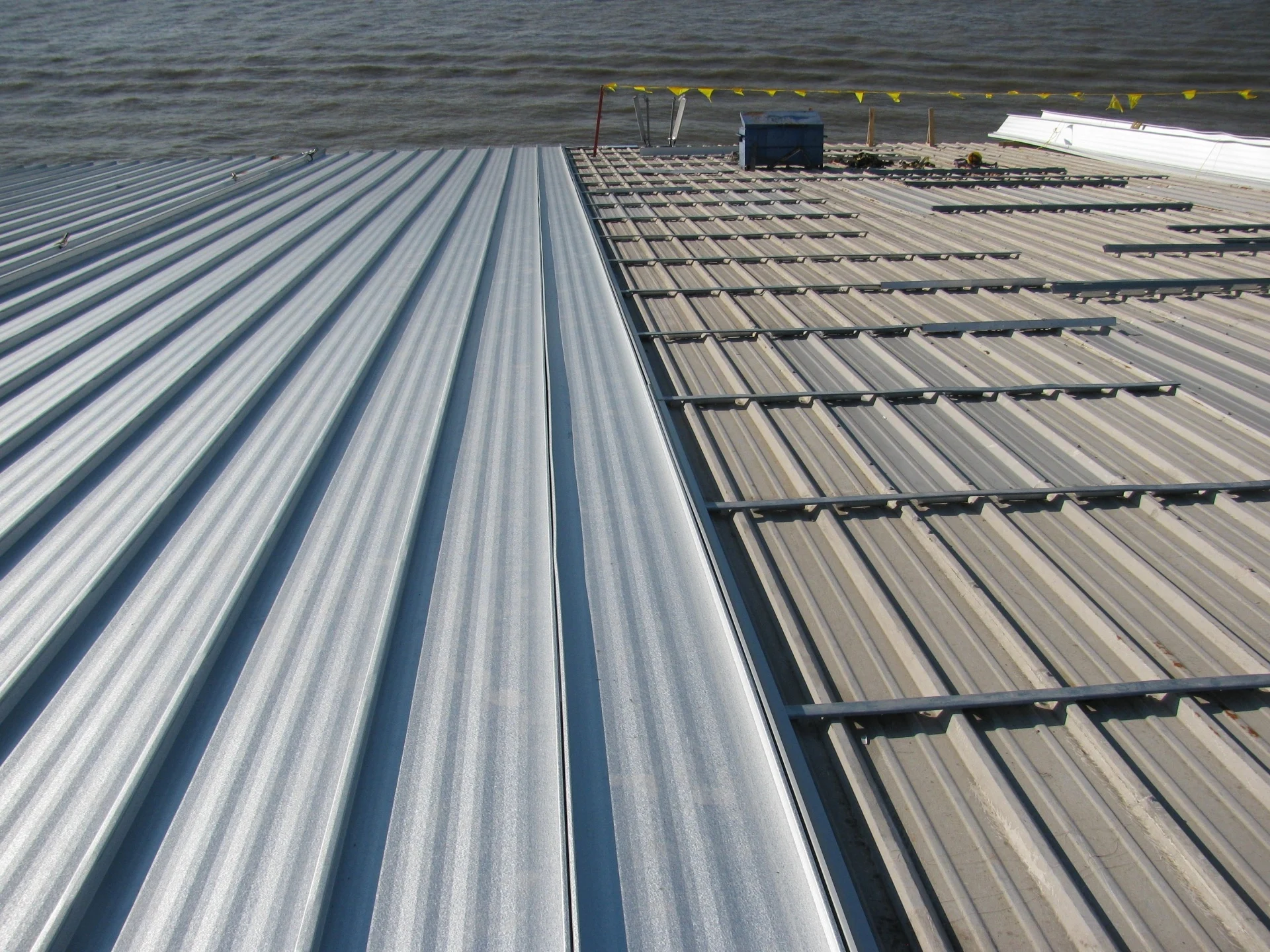
When a Miami commercial roof has visible deflection, unusual ponding patterns that have developed recently, post-hurricane deck distortion, or any condition where the structural integrity of the roof assembly is in question, the roofing contractor alone cannot provide the full assessment the building owner needs. Our structural damage assessment documents the roofing-observable conditions and coordinates with structural engineering to produce an evaluation that covers both the waterproofing and structural dimensions of the problem.
Structural roof damage in Miami commercial buildings has three primary causes. The first is hurricane loading — sustained wind events above the design envelope, or events within the design envelope applied to an assembly that was not installed to the design requirement, can cause deck distortion, connection failures at the deck-to-structural-frame attachment, and failure of roof-mounted equipment supports. Hurricane Andrew produced structural deck failures across a significant portion of Miami-Dade's pre-1992 commercial stock — the revised FBC HVHZ requirements addressed many of the failure mechanisms, but the older stock that was partially upgraded rather than fully replaced still carries underlying structural vulnerabilities.
The second cause is long-term moisture accumulation. Saturated insulation compresses under dead load over time, and repeated wet-dry cycling creates differential movement at the insulation-to-deck interface. In severe cases, chronic moisture saturation at a metal deck produces section loss that compromises structural capacity. The deck does not need to fail visibly — a metal deck that has lost 20 to 30 percent of its cross-sectional area to corrosion may carry normal dead loads without visible deflection but fail under the additional wind-uplift or snow (irrelevant in Miami) loads that the original design specified.
The third cause is unplanned loading — rooftop mechanical equipment additions, solar panel arrays, and water feature installations that were added without structural analysis of the existing deck capacity. Miami's boom in rooftop solar and HVAC equipment upgrades has produced a subset of commercial buildings where the cumulative rooftop load significantly exceeds the original design basis.
What We Document in a Structural Roof Damage Assessment
Visible deflection patterns are the starting point. We map visible deflection — surface depression, oil-canning of the membrane, ponding that has developed in areas that previously drained — against the roof zone diagram and document the extent and depth of each deflection area. Deflection patterns help identify whether the structural issue is localized (a single failed deck panel at a point of section loss) or distributed (general deck overload or widespread section loss across a large area).
Deck inspection ports are pulled at deflection locations, at moisture core locations that showed wet conditions, and at any location where visual evidence suggests deck distress. Each port documents the deck surface condition (corrosion extent, any visible distortion), the attachment condition at the nearest visible deck-to-structural-frame connection, and the insulation condition immediately above the deck surface.
Load assessment — identifying the current dead load on the roof from existing equipment, comparing it to the original structural design load, and identifying any additions that increased load without structural review. On older Miami commercial buildings, the absence of as-built structural drawings is common. We work from what is observable and note the limitations of the assessment where as-built information is not available.
When Structural Engineering Is Required
Our structural damage assessment is a roofing-scope assessment — it documents observable conditions and identifies where structural evaluation is needed, but it is not a structural engineering analysis. When the assessment identifies visible deck distortion, suspected section loss, failed deck-to-frame connections, or loading that appears to exceed original design intent, we recommend structural engineering consultation before any repair work proceeds.
Miami-Dade Building Department requires structural engineering analysis for permits involving deck replacement, structural repairs, or any work on a roof where the structural assessment has identified potential capacity concerns. We coordinate with the structural engineer's scope — our assessment provides the field-observable data that the structural engineer uses to scope their analysis, and their report provides the basis for the permit application and the repair scope.
Structural repairs — deck panel replacement, deck-to-frame connection reinforcement, equipment support redesign — are outside our scope as a roofing contractor. We complete the roofing work (membrane, insulation, flashing) after the structural repairs are complete and inspected, not concurrently.
Post-Hurricane Structural Deck Assessment
After a significant hurricane, the priority structural assessment on commercial roofs focuses on three locations: corner zone deck panels at the maximum uplift design pressure area, perimeter zone deck-to-frame connections, and any location where the roof membrane blew off — leaving the deck exposed to the direct wind-uplift loading without the membrane system's contribution to load distribution.
Hurricane Andrew post-storm analysis documented that many Miami-Dade commercial metal deck installations failed not at the deck panel itself but at the deck-to-frame attachment — the puddle welds or mechanical fasteners that connect the deck corrugations to the structural frame below. These connections are not visible without opening the deck or inspecting from below. Post-hurricane structural assessment that only looks at the deck surface from above misses the most common structural failure mode.
We document post-hurricane deck condition from the rooftop observation point and note any locations where investigation from below is warranted. The structural engineer's assessment from below — looking at deck-to-frame connections, frame deflection, and any distortion at the building perimeter that suggests racking — completes the picture our rooftop documentation starts.
Frequently asked questions
My roof has a new low spot that appeared after Hurricane Irma — is that a structural issue?
A new deflection pattern that appeared after a hurricane warrants investigation. It may be deck distortion from uplift loading, a compressed or shifted insulation section from the event, or a failed drain that has changed the effective slope pattern. We can document the deflection pattern from the rooftop and open deck ports at the low spot to assess whether deck distortion or insulation shift is the mechanism. If deck distortion is found, we recommend structural engineering review before the repair scope is finalized.
Can you tell me if my roof deck is safe to walk on for a routine inspection?
For a routine inspection on a building without known structural concerns, standard access is appropriate. For buildings with documented post-hurricane deck distortion, visible deflection, long-term moisture saturation in the deck area, or any prior structural concern — we assess safe access with the building owner before walking the roof. If there is any question about structural safety, we defer to the structural engineer's clearance before full rooftop access.
We added rooftop solar panels two years ago — could that have caused the sagging I'm seeing?
Possibly. Solar panel dead loads on commercial rooftop installations typically run 3 to 5 pounds per square foot for panel and racking systems. If the original deck was designed for lower dead loads and no structural analysis was completed before the solar installation, the additional load may have produced deflection in the affected deck bay. We document the deflection pattern and the panel layout in the assessment and recommend structural engineering review of the dead load addition.
Get a documented structural roof damage assessment before repair planning.
Our project managers will map deflection, pull deck ports at suspect locations, assess rooftop loading, and coordinate the structural engineering handoff so that your repair scope is built on a confirmed structural foundation.