Fire Damage Roof Repair
Miami, FL · Damage Repair
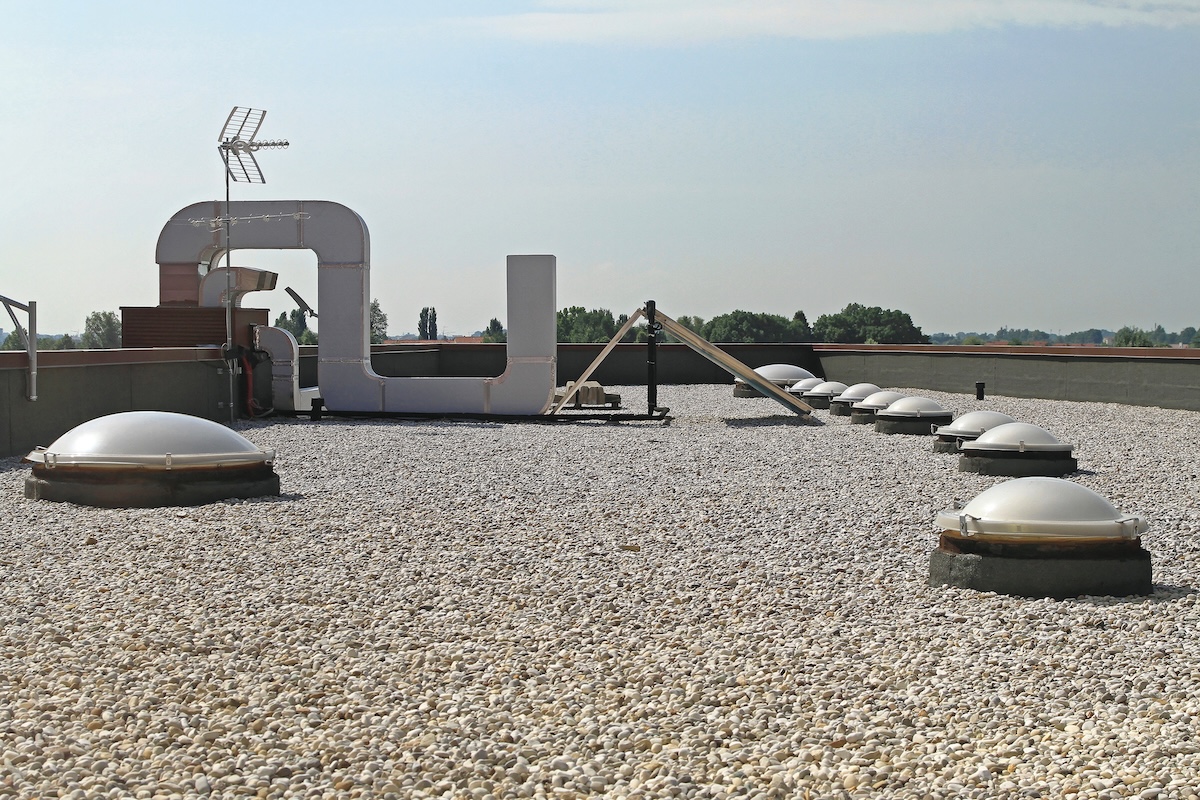
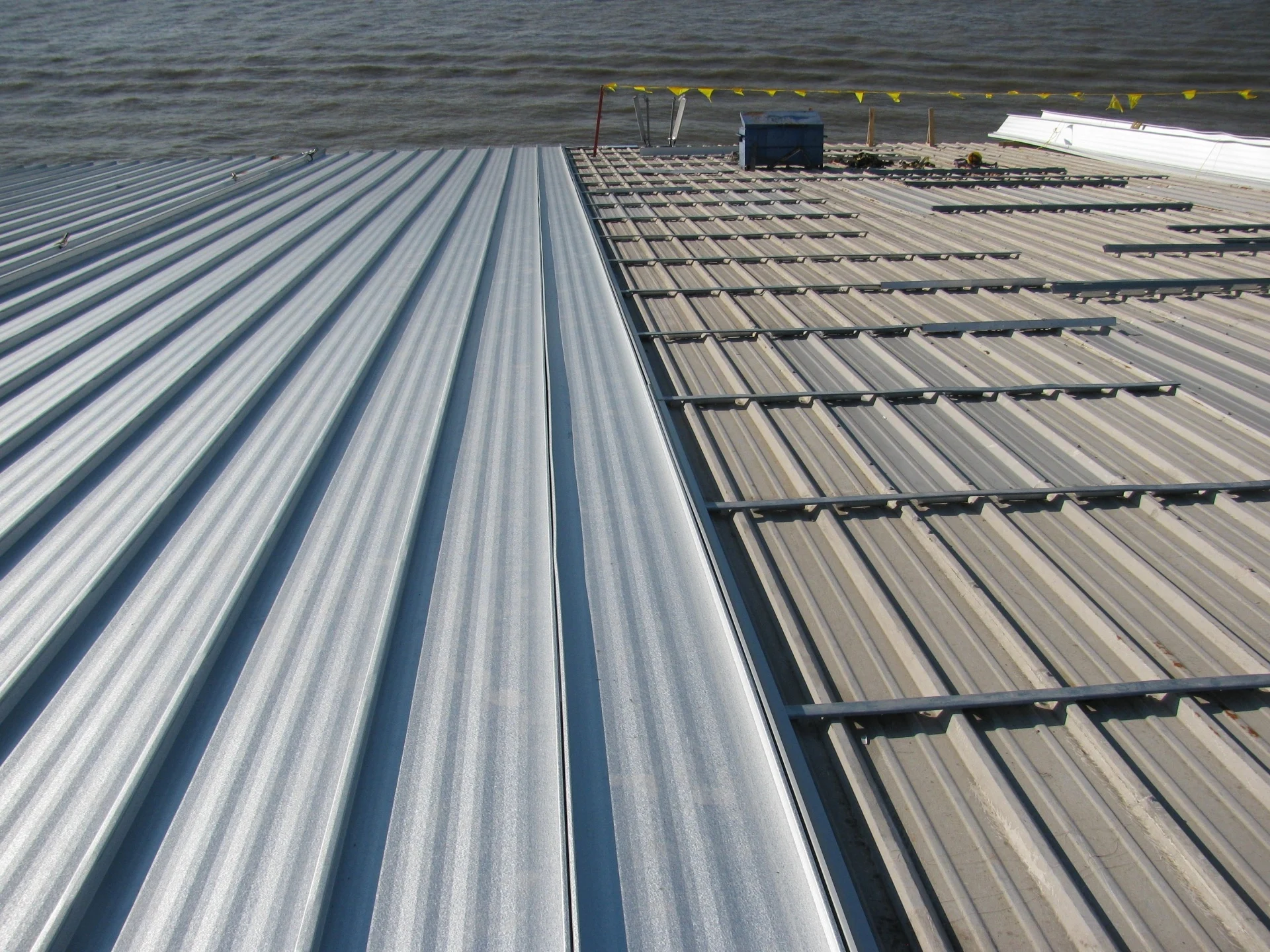
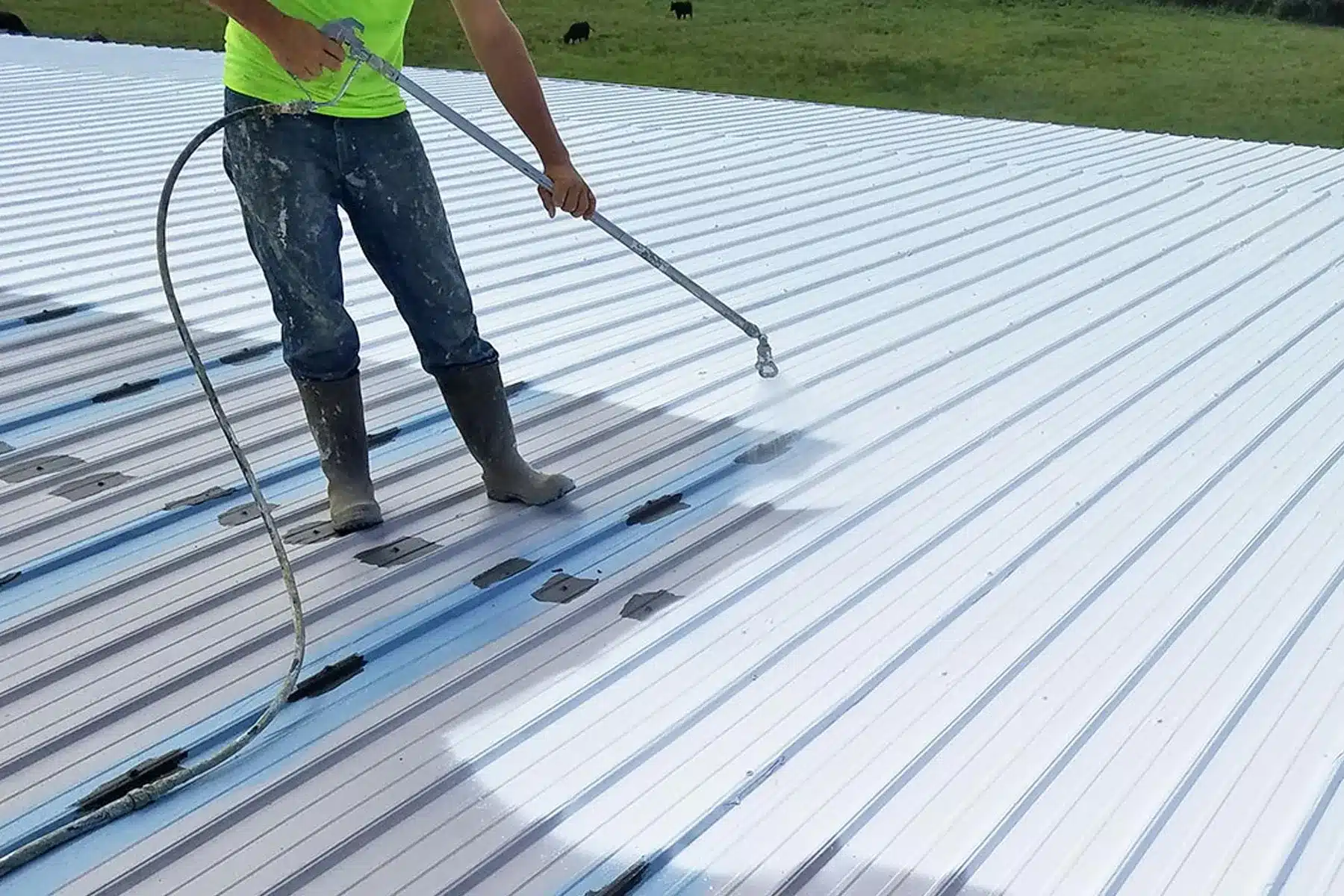
A commercial building fire that stays above the roof deck — HVAC equipment fires, mechanical penthouse fires, rooftop kitchen exhaust fires — can damage the roof assembly in ways that are not visible from ground level and are not captured by the fire department's incident report. We assess the full extent of fire and heat damage to the roof assembly and produce a reconstruction scope that meets Miami-Dade's permitting and NOA requirements.
Commercial roof fire damage in Miami falls into two categories that require different assessment approaches. Direct fire damage — where flames, embers, or burning materials contact the roof membrane — is the more obvious category. The membrane burns, the insulation chars, and the damage is visible in the area of fire contact. Repair scope for direct fire damage focuses on the burned area, adjacent membrane condition, deck integrity below the burned area, and perimeter flashing condition at the burn zone boundary.
Heat damage — where the thermal energy from a building interior fire or a rooftop equipment fire radiates upward through the deck or outward from the equipment — is the less obvious category. A significant fire on the floor directly below a roof assembly can transmit enough heat to delaminate the insulation adhesive bond, melt the vapor retarder, or distort metal deck in ways that are not visible from the roof surface but compromise the structural and weather-resistance function of the assembly. We assess heat damage by pulling inspection ports above the fire zone and documenting deck condition, insulation bond integrity, and membrane surface condition above the heat source.
Miami-Dade Building Department requires permits for roof reconstruction after fire damage. The reconstruction scope must comply with current FBC HVHZ requirements — even if the original installation predates current code. This means post-fire reconstruction on pre-2002 commercial buildings must be designed to current NOA and wind-uplift standards, not restored to pre-fire condition. We scope post-fire reconstruction to current HVHZ compliance as the baseline.
Immediate Post-Fire Assessment Priorities
The first priority after a commercial building fire is confirming structural safety before anyone accesses the roof. The fire department will clear the building before handing it back to the owner, but that clearance is for life safety at ground level — not necessarily for roof access. We confirm with the structural engineer of record or a qualified structural engineer that roof access is safe before beginning our rooftop assessment. This is not a formality — fire-damaged roof decks can have compromised structural capacity that is not visible from below.
Once roof access is confirmed safe, the assessment documents the burn zone perimeter, the condition of membrane, insulation, and deck in the direct burn zone, and the condition of membrane and deck in the adjacent area that may have experienced heat damage without direct flame contact. Photographs are taken before any debris removal or emergency dry-in work — the as-found condition of every square foot of the assessment area is documented.
Emergency dry-in — installing temporary membrane over the burned area to prevent water intrusion into the building — proceeds as soon as the assessment is complete. Miami's afternoon thunderstorm pattern means that a burned roof left without temporary protection in summer can experience water intrusion within 24 hours of the fire.
Deck Integrity After Fire
Steel deck loses structural capacity when it reaches temperatures above approximately 1,000 degrees Fahrenheit. Fires in the floor or mechanical space directly below a roof assembly can produce deck temperatures in this range in a sustained fire event. The deck does not need to visually distort to have experienced significant yield strength reduction — deck that has been heat-affected but not visibly deformed should be evaluated by a structural engineer before new roof installation loads are applied.
Concrete deck buildings — found in much of Miami's older commercial stock, including Brickell and Downtown Class B and C buildings and many Coral Gables office buildings — respond differently to fire heat. Concrete retains structural capacity better than steel at fire temperatures below 1,200 degrees Fahrenheit, but spalling from rapid water application during firefighting can damage the surface layer. Spalled concrete deck surfaces need repair before new insulation installation.
We document deck condition at every inspection port we open in the fire and heat-affected zones and provide photographs and written condition notes to the structural engineer and the building owner. The structural engineer's approval of the deck for roof loading is required before reconstruction begins — we include this in the reconstruction timeline.
Insurance and Permit Requirements for Roof Fire Reconstruction
Commercial property insurance for fire damage typically covers replacement cost (subject to policy deductibles and sublimits) for roof reconstruction in the damaged area. The adjuster needs a written reconstruction scope with line-item costs — not a single-number bid — that covers debris removal, deck repair, insulation replacement, membrane installation, and flashing restoration. We provide this format as a standard deliverable.
Miami-Dade Building Department requires a building permit for roof reconstruction after fire damage. The permit application includes the NOA-approved assembly specification, the wind-uplift design calculations for the reconstructed area, and the structural engineer's certification that the deck is adequate to support the new assembly. We coordinate these submittals as part of the reconstruction project management.
Frequently asked questions
Can a rooftop HVAC unit fire damage the roof membrane even if the building interior was not affected?
Yes. Rooftop equipment fires can damage the membrane and insulation in the immediate vicinity of the equipment without any interior fire occurrence. HVAC compressor fires, electrical panel fires in mechanical penthouses, and exhaust fan motor fires are the most common sources. The fire damage is localized to the equipment curb area and adjacent membrane — but that area needs assessment and repair before the damage site becomes a chronic water intrusion point.
How soon can reconstruction begin after a commercial building fire?
The timeline is: structural engineer clearance for roof access, then damage assessment, then permit application, then reconstruction. Structural engineer clearance and damage assessment can run concurrently in the first 48 to 72 hours. Miami-Dade permit issuance for emergency reconstruction typically runs 2 to 4 weeks. Reconstruction production follows permit issuance. Total timeline from event to permit-closed reconstruction: 6 to 10 weeks for a straightforward fire damage scope.
Does fire damage void my roof manufacturer warranty?
Manufacturer warranties exclude damage from causes outside the manufacturer's control, including fire. The warranty on undamaged portions of the roof system remains in effect for their remaining term, subject to continued compliance maintenance. The reconstructed section receives a new warranty for the reconstructed area once the manufacturer's warranty inspection is complete at closeout.
Get a documented fire damage assessment and reconstruction scope.
Our project managers will assess the burn zone and heat-