Storm Surge Coastal Damage Roof Repair
Miami, FL · Damage Repair
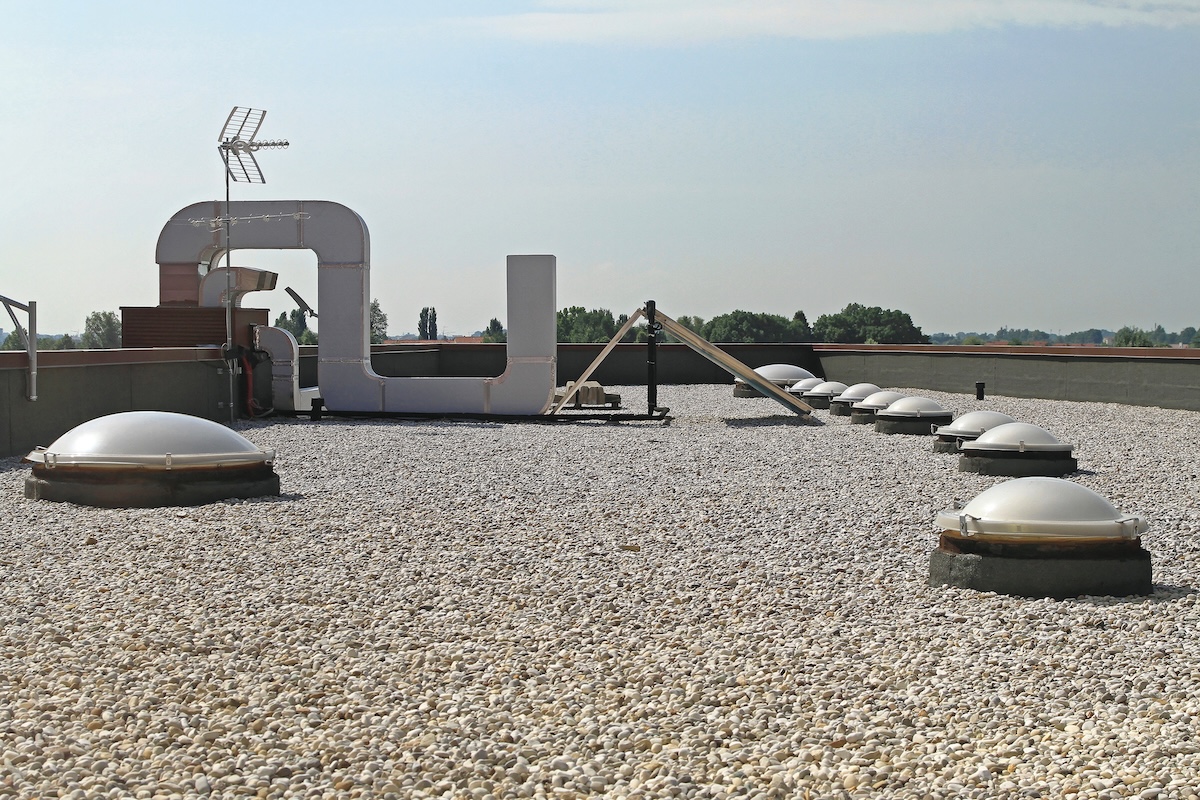

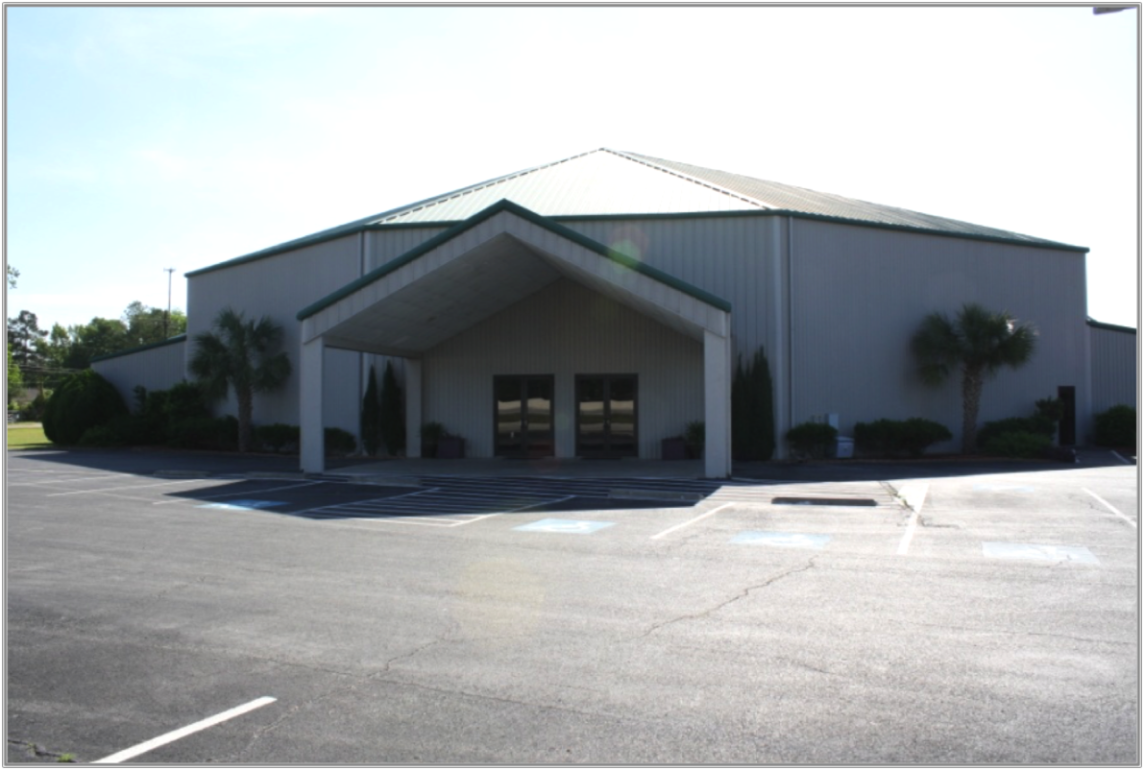
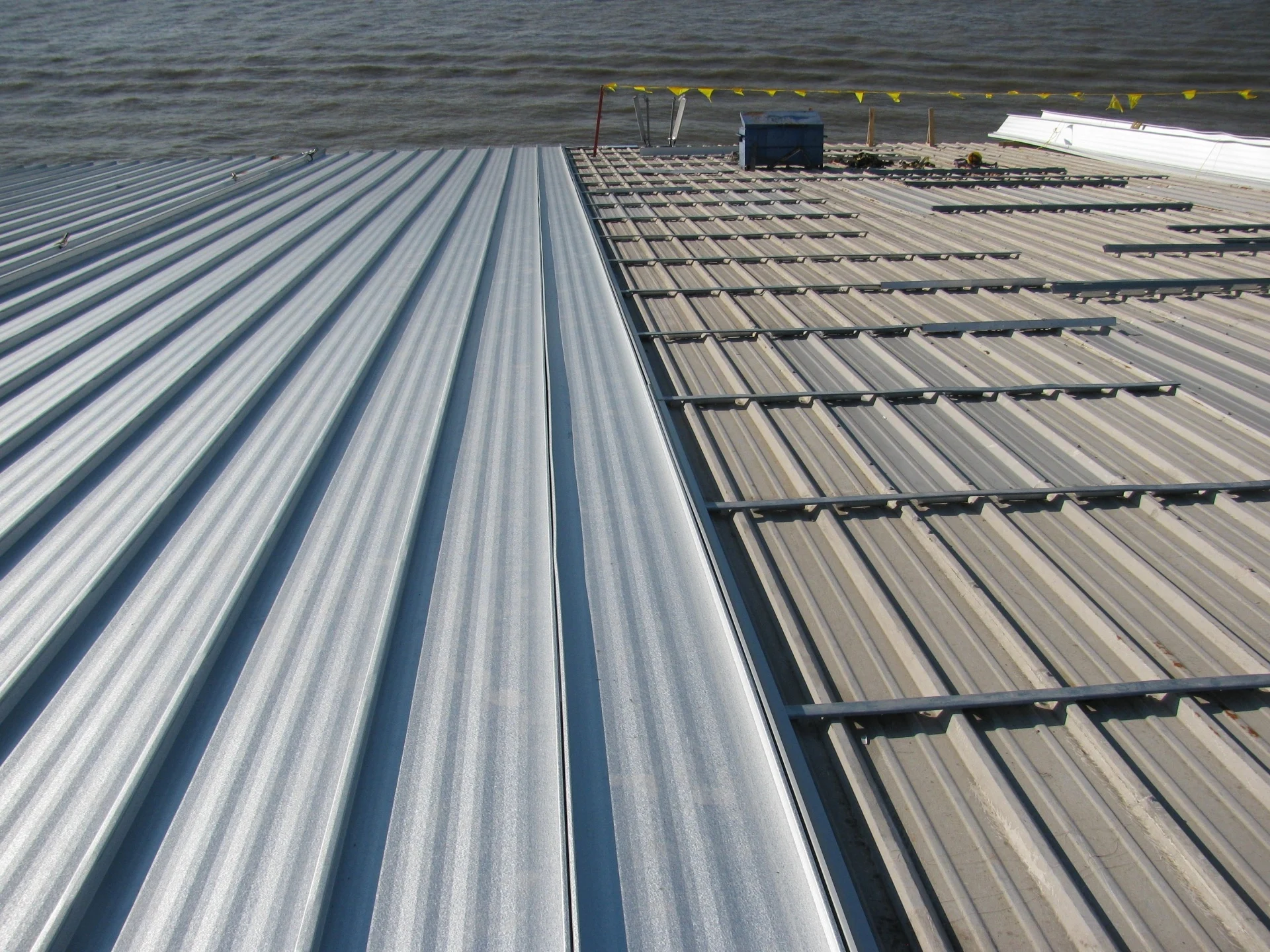
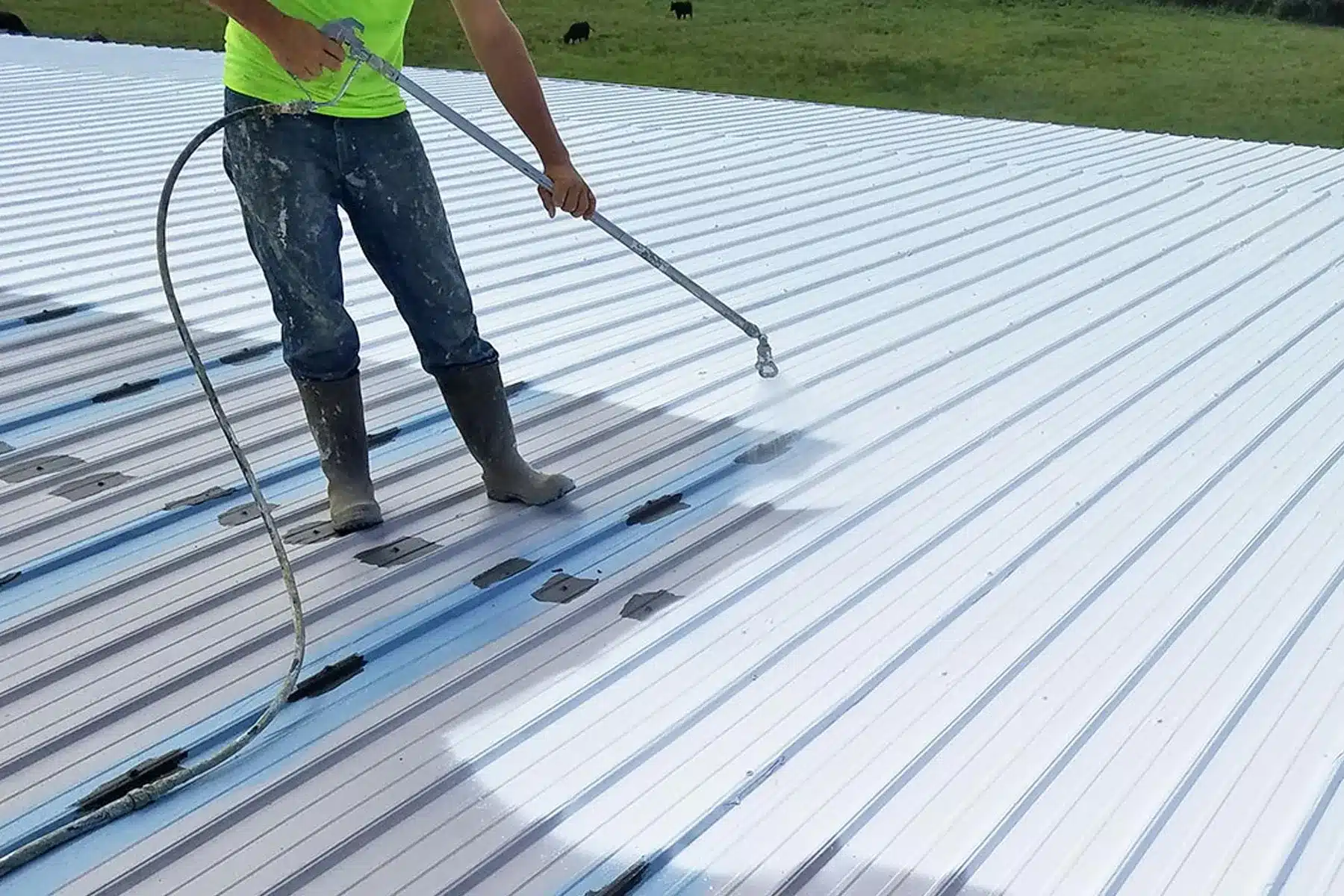
Miami's geography puts a large portion of its commercial building stock in the storm surge inundation zone. When surge water reaches a building, the damage is not limited to the ground level. Salt-laden water driven into parapet walls, mechanical penthouses, and rooftop equipment creates long-term material degradation that shows up months after the event. We document these mechanisms and their repair scope.
Storm surge is the primary killer in landfalling Atlantic hurricanes — and Miami-Dade County's geography makes it acutely vulnerable. The shallow Biscayne Bay, the low elevation of the coastal barrier islands, and the flat limestone terrain of the mainland mean that surge from a major hurricane making direct landfall in Miami Bay could inundate a significant portion of the county's commercial building stock. Hurricane Andrew produced relatively limited surge because it made landfall in the rural Homestead area south of the urban core — a major hurricane striking Miami directly would produce a fundamentally different outcome.
Even tropical storms and Category significant saltwater spray and wave action into coastal building envelopes. Biscayne Bay-facing buildings from Edgewater through Brickell and south to Coconut Grove are exposed to bay surge and wave action at sustained wind speeds well below major hurricane thresholds. Miami Beach properties face both Atlantic and bay-side exposure — the barrier island's narrow width means that even moderate surge events can create overwash conditions that reach rooftop mechanical equipment with salt-laden water.
The damage from coastal storm exposure is often invisible for months after the event. Salt spray that enters a rooftop mechanical penthouse can corrode structural fasteners, drain hardware, and HVAC components over weeks to months. Surge water that migrates into perimeter wall assemblies through masonry pores can accelerate corrosion of embedded steel lintels and parapet metal well after the visible water has receded. Our coastal damage assessment documents not just what is visibly damaged but what is at risk of progressive deterioration from salt infiltration — because the repair scope that addresses only visible damage in week one will be followed by a second scope in month six when the hidden corrosion mechanism matures.
How Storm Surge Reaches Commercial Roofs
Direct surge inundation of rooftop areas occurs when surge depth reaches building height — relatively rare except in extreme events, but relevant for low-rise buildings in surge zone A along Biscayne Bay and the barrier islands. More commonly, storm surge drives wave action and spray up the windward facade of coastal buildings, depositing salt water on parapet walls, into mechanical penthouses, and through HVAC louvers and intake screens.
Biscayne Bay-facing facades in Brickell and Edgewater experience bay chop and wave action during tropical storm events with sustained winds above spray to surprising heights — spray from Biscayne Bay has reached rooftop level on mid-rise buildings in past events. This spray carries salt concentration that is highly corrosive to exposed metals: rooftop HVAC equipment, drain hardware, expansion joint covers, and mechanical fasteners in parapet coping.
Subsurface water migration is the third mechanism. Buildings on fill along the bay front can experience surge water infiltrating the soil or fill, then migrating laterally to reach foundation drains, basement walls, and utility penetrations. This mechanism is technically not a roof issue, but it can create building-interior humidity conditions that accelerate mold and material degradation in ways that are misattributed to roof leaks during post-storm investigation.
Coastal Damage Assessment Protocol
Our storm surge and coastal damage assessment covers four categories. First, the roof membrane and flashing system — surge spray that enters parapet copings or mechanical penthouses can reach the top of the roof membrane assembly and wick under termination bars. We check flashing termination integrity and membrane edge condition at all locations where surge or spray could have direct access.
Second, rooftop metal components — HVAC curbs, drain hardware, expansion joint covers, perimeter edge metal, and parapet coping. Salt water corrosion on these components progresses rapidly in Miami's climate. Components that appear intact immediately after the event may show significant corrosion within 60 to 90 days. We document the pre-corrosion condition of all exposed metal components so that a 90-day follow-up inspection can confirm which components need replacement.
Third, parapet wall and facade condition — surge spray that penetrates masonry can initiate carbonation and chloride-driven corrosion of embedded steel that is invisible at the time of inspection but will produce spalling and structural compromise within one to three years. We document salt spray exposure severity by facade elevation and note parapet wall locations where embedded steel corrosion risk is highest.
Fourth, rooftop mechanical equipment — HVAC compressors, air handlers, electrical panels, and communication equipment in mechanical penthouses. Salt water intrusion into electrical components creates immediate safety issues. We document mechanical equipment exposure and recommend equipment vendor assessment for components that had direct salt water contact.
Sea-Level Rise and King-Tide Damage
King-tide flooding in Miami-Dade is a current reality, not a future projection. Streets in Brickell, Downtown, and Miami Beach that stayed dry during high tides a decade ago now flood multiple times per year during the astronomical high tides that coincide with seasonal weather patterns. For low-elevation commercial buildings, king-tide flooding can reach building entryways, utility connections, and subsurface infrastructure — and the moisture it introduces into the building envelope can migrate upward and produce interior water staining that is misdiagnosed as a roof leak.
We assess king-tide and sea-level rise damage separately from storm-related damage because the source, mechanism, and repair path are different. A roof that is dry and code-compliant can produce interior water staining in a low-elevation building because king-tide water is entering through the foundation or the base of the facade — not through the roof. Our condition reports distinguish roof-source from grade-source intrusion based on pattern analysis, moisture mapping, and physical inspection of the building envelope from grade to roof.
Frequently asked questions
My building is on Biscayne Bay — how do I know if surge spray has damaged the roof?
Bay-facing facades in Brickell and Edgewater should be assessed after any tropical storm event that produces sustained winds above 50 mph from the east or southeast. The inspection should cover parapet coping condition, mechanical penthouse louver and screen condition, rooftop metal hardware corrosion, and membrane termination integrity at all bay-facing parapets. We can schedule a post-event assessment and provide a written condition record that documents salt exposure severity by zone.
Is storm surge damage covered by commercial property insurance?
Flood insurance and wind insurance are separate policies in most commercial structures. Surge damage from rising water is typically flood-covered; wind-driven spray damage may be wind-covered depending on policy language. The practical challenge is distinguishing surge-driven water from wind-driven water for a specific damage location — this is a claims dispute that our damage documentation can help support, but the ultimate coverage determination is between your insurer and your policy. We document the damage mechanism and let the policy language and adjuster determine coverage.
How long after a surge event do I need to wait before assessing damage?
Start as soon as safe access is possible — typically 24 to 48 hours after surge recedes and flood waters clear. Metal component corrosion begins immediately after salt water contact. The longer the window between the event and the assessment, the more difficult it becomes to document the direct correlation between the event and observed corrosion damage.
Get a coastal storm damage assessment for your Miami building.
Our project managers will document roof, parapet, and rooftop equipment exposure to surge and spray — by elevation and zone — and deliver a written report that tracks both immediate and developing corrosion damage.