Commercial Roofers in Coconut Grove
Miami, FL · Locations
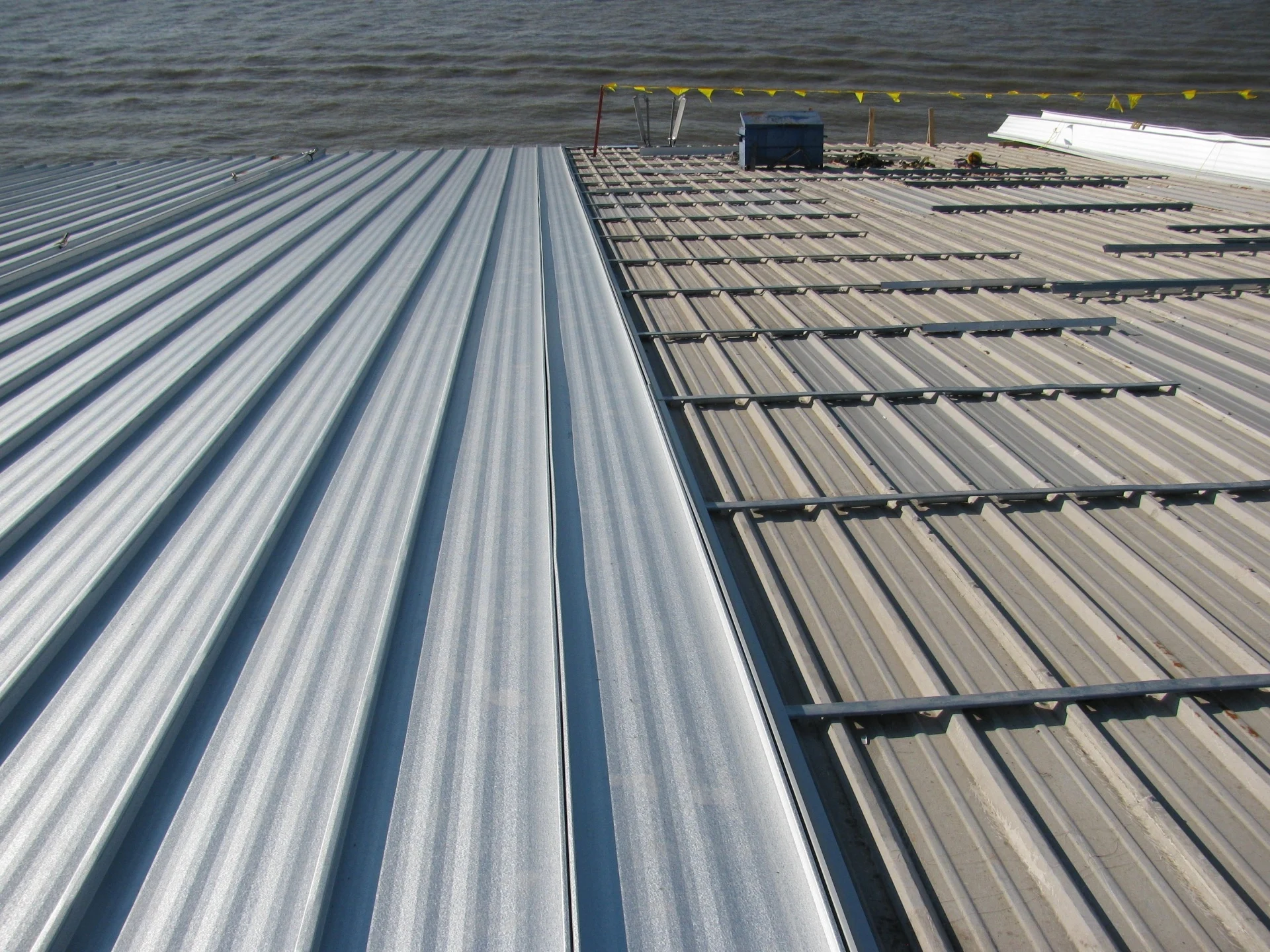
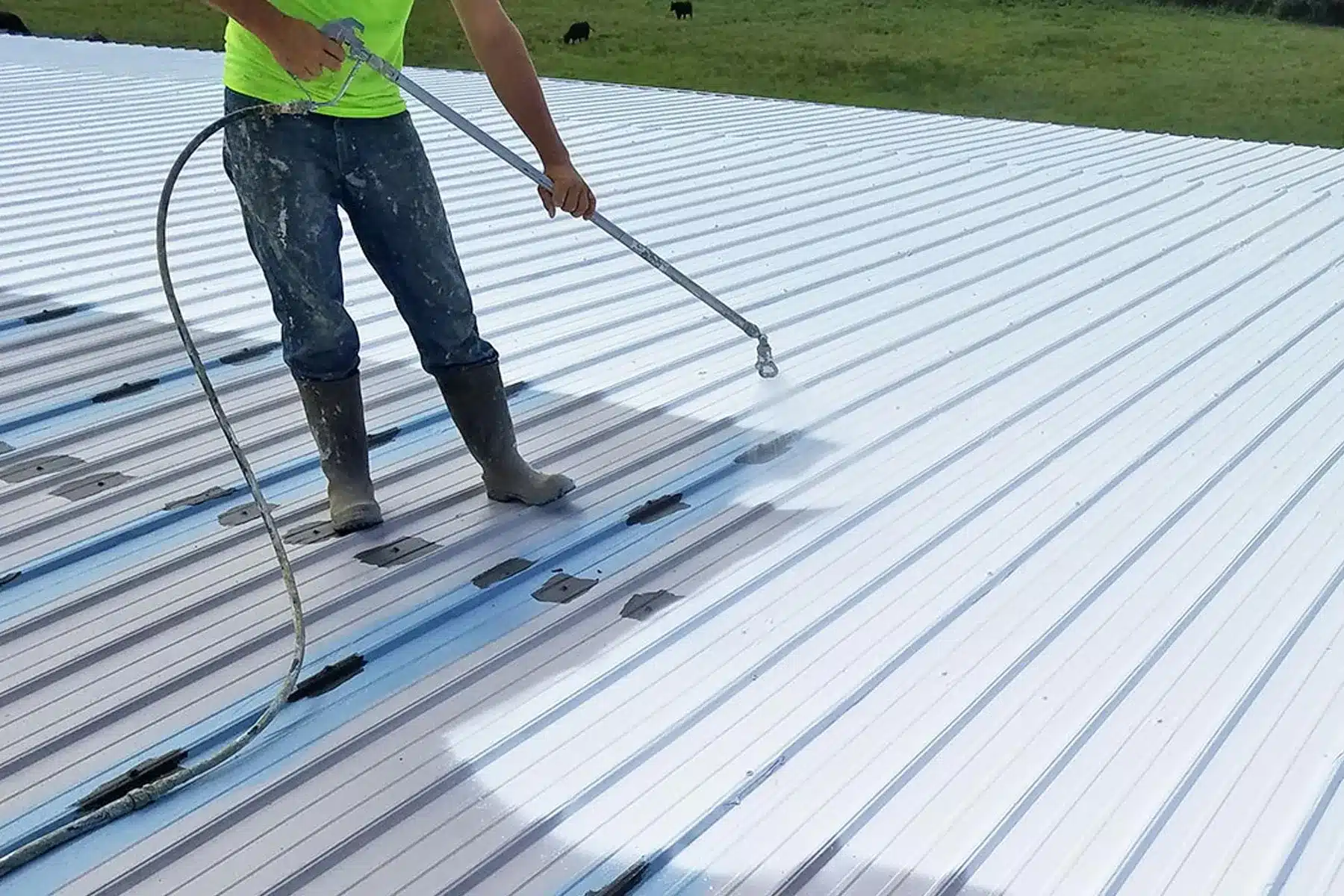
A practical commercial roofing plan for Coconut Grove properties separates urgent leak control from repair, coating, maintenance, and replacement decisions supported by photos and condition findings. Coconut Grove's commercial inventory ranges from CocoWalk's retail and restaurant buildings to the Bayshore Drive luxury office and marina properties. The neighborhood's waterfront exposure, historic character designation, and the specific permitting environment of the City of Miami's Coconut Grove NET area all affect how roofing projects need to be planned here.
Coconut Grove is Miami's oldest neighborhood and carries a commercial inventory that reflects its layered history — early 20th century masonry buildings in the Village Center, mid-century concrete-frame office buildings along Grand Avenue and Bayshore Drive, the CocoWalk complex rebuilt in the 2010s on the footprint of the original 1990 development, and marina and boatyard facilities along the Dinner Key waterfront.
The Biscayne Bay waterfront exposure in Coconut Grove places commercial properties along Bayshore Drive and the Dinner Key marina complex in the coastal exposure category for wind-uplift design. Bay-facing buildings between the waterfront and South Bayshore Drive see open-water fetch from the northeast that produces among the highest ASCE 7 exposure conditions in Miami-Dade. We document each building's exposure category in our inspection reports and apply the corresponding perimeter and corner zone fastener pattern calculations.
Coconut Grove is within the City of Miami's jurisdiction — commercial roofing permits for the Grove are pulled through the City of Miami Building Department. But City of Miami permitting in Coconut Grove is further shaped by the neighborhood's historic resources and the active community input process. Major construction projects in the historic Village Center area have historically attracted neighborhood association review. We build the City of Miami permit timeline and, where relevant, the community process timeline into our pre-construction planning.
CocoWalk and the Village Center Commercial Core
CocoWalk — the open-air retail and restaurant complex at — was redeveloped and reopened in 2021 after an extensive renovation. The rebuilt complex introduced new building systems including updated rooftop mechanical plants, roof terrace spaces, and a redesigned structural system that replaced the original 1990 construction. The roof systems on the rebuilt CocoWalk complex are relatively new, but the surrounding Village Center commercial buildings on Grand Ave, Main Highway, and Commodore Plaza carry a mix of ages and conditions.
The Village Center's older commercial buildings — many dating from the 1960s through 1980s — have accumulated multiple generations of repair and partial recover campaigns. The actual membrane assembly on these buildings is often a multi-layer system that includes the original built-up roofing, one or more modified bitumen or smooth-surface recover layers, and spot repairs over failed areas. Before specifying a recover versus full replacement scope on these buildings, we assess the total weight of existing roof layers against the structural capacity and evaluate insulation saturation across the field.
Restaurant tenants in the CocoWalk and Grand Ave corridor impose dense HVAC and exhaust penetration loads on the low-rise commercial buildings. Failed exhaust penetration flashings are the most common emergency leak source we respond to in this corridor. Restaurant exhaust systems that run at high temperature create thermal cycling stress on penetration boot materials — standard EPDM boots degrade faster in high-heat exhaust applications than the surrounding membrane.
Bayshore Drive Office and Marina Properties
The Bayshore Drive office corridor between McFarlane Road and US-1 carries Class B office buildings with Biscayne Bay views and direct waterfront exposure. These buildings — predominantly built from the 1970s through 1990s — are in active replacement cycles for first and second-generation membrane systems. The combination of salt-air corrosion acceleration, coastal wind-uplift exposure, and age places many of these buildings in a higher-priority replacement window than comparable inland buildings of the same vintage.
The Dinner Key marina complex — the historic City of Miami seaplane base converted to a marina facility — and the boatyard and sailing club properties along the waterfront represent a specialized roofing environment. Marine facility buildings carry specific chemical exposure conditions from antifouling paints, hull cleaning operations, and fuel handling, and the structural systems in older marine facilities are often non-standard. We assess marine facility roof conditions with chemical compatibility in mind when specifying membrane systems.
The sailing community's use of Coconut Grove's waterfront means that marina-adjacent commercial properties experience high seasonal occupancy variation — the busy season from October through May brings significantly higher activity than the summer months. We schedule major production work on marina-adjacent properties for the summer months where access and staging logistics allow.
Historic Character and Mature Tree Canopy
Coconut Grove's mature tree canopy — the historic hardwood hammocks, royal palms, and banyan trees that give the neighborhood its character — creates specific logistics challenges for commercial roofing work. Tree canopy over rooftop access routes restricts crane reach and boom positioning. We assess tree canopy clearance during pre-construction site visits and plan crane placement to minimize the risk of canopy contact during lift operations.
The City of Miami's urban forestry regulations protect significant trees in Coconut Grove. Tree trimming or removal required for roofing construction access requires City of Miami urban forestry permits — separate from the building permit. We identify tree canopy conflicts during pre-construction planning and include urban forestry permit requirements in the pre-construction timeline where tree impact is anticipated.
Frequently asked questions
What permitting authority covers Coconut Grove commercial roofing?
Coconut Grove is within the City of Miami. Commercial roofing permits are pulled through the City of Miami Building Department — not Miami-Dade County and not a separate Coconut Grove authority. City of Miami Building Department plan review for commercial roofing typically runs 4 to 6 weeks from complete submission.
How do you handle crane placement in Coconut Grove's tree canopy?
We assess tree canopy clearance during our pre-construction site visit before scheduling equipment. Where the canopy conflicts with crane reach, we identify alternative crane positions or smaller crane configurations. Tree trimming, where required, is scheduled with a City of Miami-permitted tree service before mobilization — not as a field improvisation when the crane arrives.
Can you work on marina and boatyard buildings along the Dinner Key waterfront?
Yes. Marine facility roofing requires membrane specifications that account for chemical exposure from antifouling compounds, hull coatings, and fuel handling. We assess the specific chemical environment of each marine facility and specify membranes with compatible chemical resistance — PVC in high chemical exposure environments, EPDM or TPO where the exposure is primarily atmospheric salt air.
How quickly can you respond to a Coconut Grove emergency leak?
From our Brickell office, Coconut Grove is approximately 15 minutes in normal traffic. Emergency dry-in response is typically within 2 to 3 business hours. After-hours response is available for buildings on our maintenance contracts.
Coconut Grove commercial roof inspection or replacement scope.
Our project managers will walk your Coconut Grove commercial building, assess the waterfront exposure conditions, drainage, and membrane condition — and produce a written scope with City of Miami permitting requirements accounted for.