Commercial Roofers in Coral Springs
Miami, FL · Locations
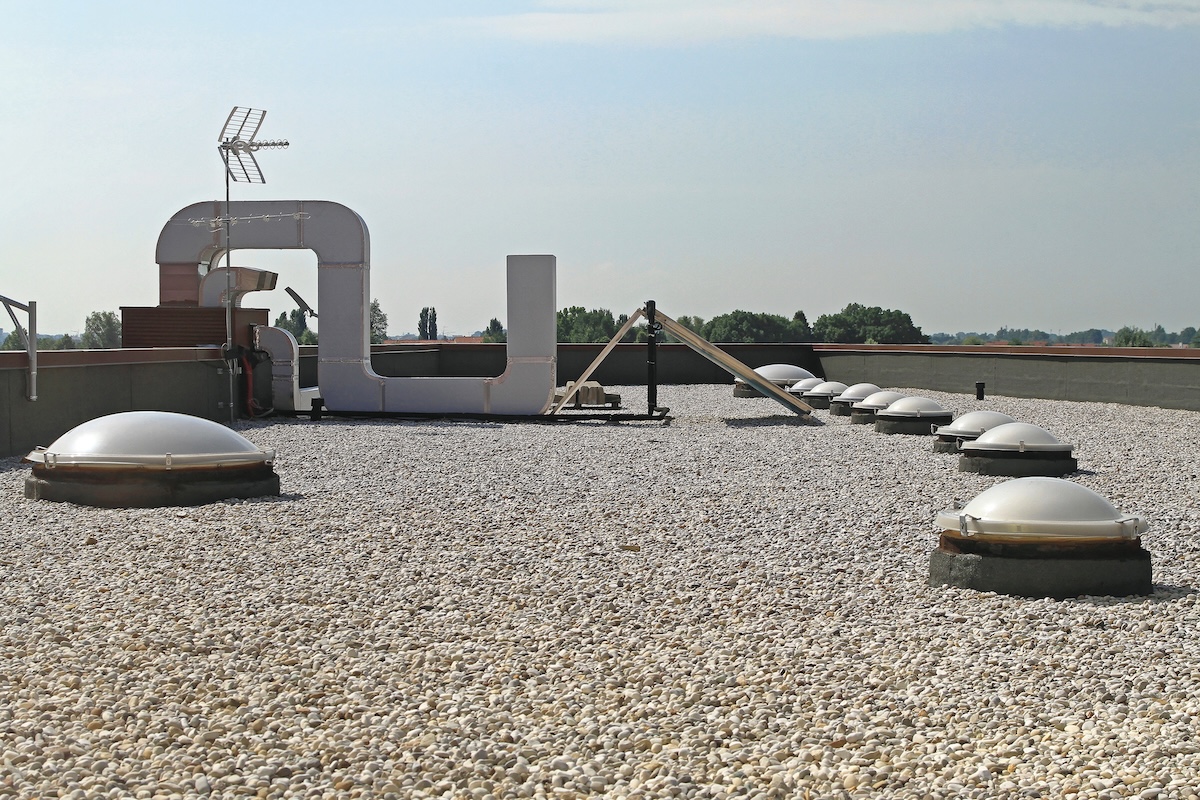
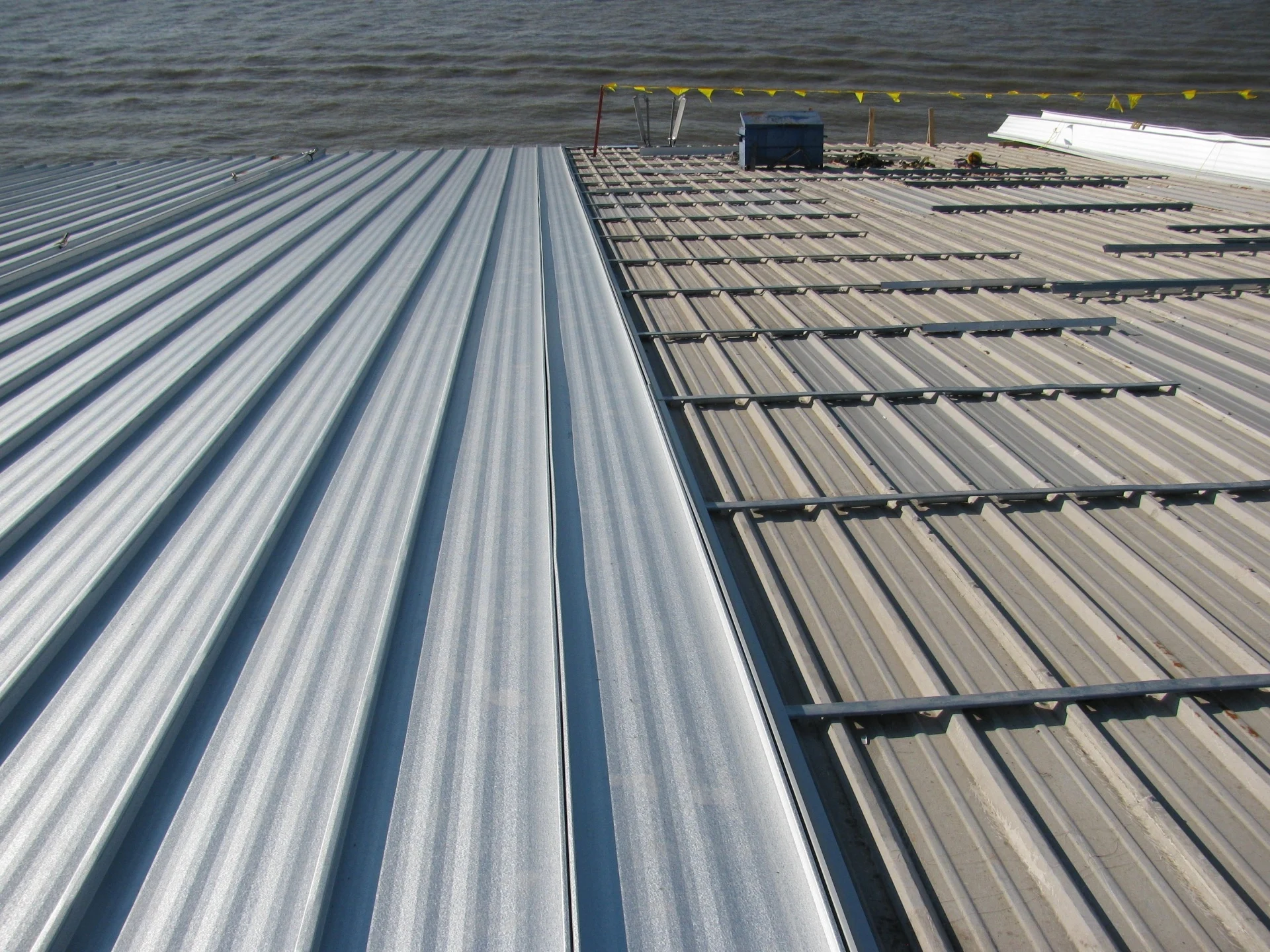
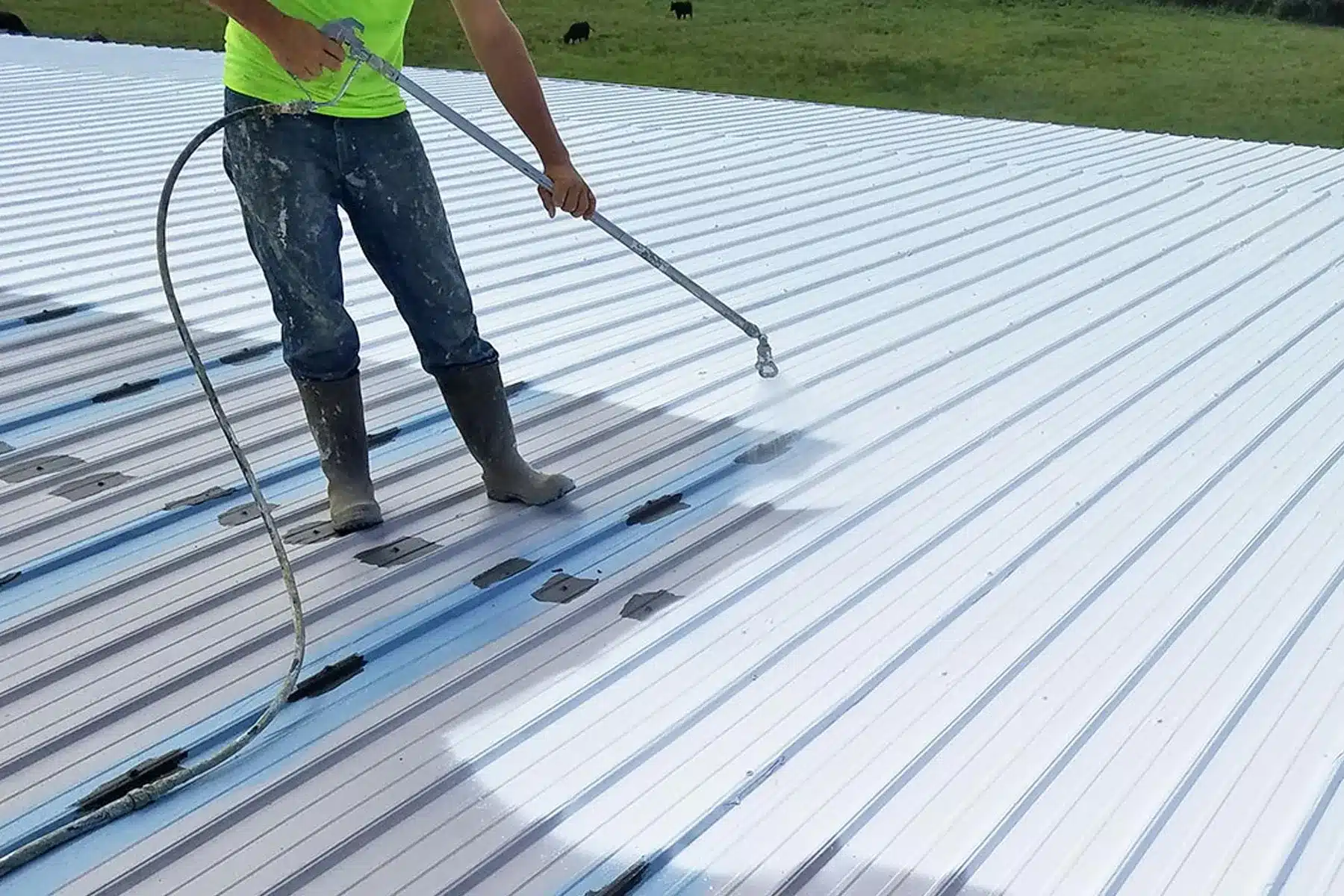
Commercial roofers serving Coral Springs should document leak sources, wet insulation, drainage, edge details, penetrations, and repair history before recommending a scope. Coral Springs anchors the northwestern corner of Broward County's suburban commercial market. Our project managers cover the Sawgrass Mills-adjacent retail and logistics corridor along Sample Road and Wiles Road, the University Drive commercial spine running north-south through the city, and the mature office parks and medical buildings that fill the Coral Springs corporate landscape.
Coral Springs is a planned city — developed in the 1960s and 1970s on what was former agricultural land in western Broward County — and its commercial inventory reflects that planned origin: organized commercial corridors, uniform setbacks, and a building stock that was largely developed in concentrated waves during the 1980s and 1990s. The result is a commercial roof inventory that is aging in a relatively uniform cohort: most of the office, retail, and light industrial buildings in Coral Springs were built between 1983 and 2003, and many are now in the middle of their first or second replacement cycle.
The presence of Sawgrass Mills Mall — the largest outlet mall in the United States by gross leasable area — on the city's southwestern edge has driven a cluster of logistics, retail, and service commercial buildings along Sample Road and Wiles Road that benefit from proximity to one of Broward's highest-traffic commercial destinations. These Sawgrass-adjacent buildings tend to be well-maintained, NNN-structured properties with active landlord or property management attention. The owners managing them are the segment of the market most likely to want documented condition assessments rather than reactive leak response.
The University Drive corridor from Atlantic Boulevard north to Sample Road is the commercial spine of Coral Springs — strip centers, medical offices, professional office buildings, and the hospitality inventory that serves the western Broward residential market. University Drive commercial buildings are mid-market suburban commercial: building sizes from 5,000 to 40,000
Sawgrass Mills-Adjacent Commercial Corridor
The commercial buildings along Sample Road and Wiles Road in the Sawgrass corridor — strip centers, outlet retail, service commercial, and the logistics and distribution buildings that serve the mall's supply chain — represent some of the most actively managed commercial real estate in western Broward County. NNN lease structures and institutional or semi-institutional ownership profiles mean that roof capital decisions are made with lender and asset manager input, not just landlord judgment.
For Sawgrass-corridor properties, the most valuable service I provide before any replacement conversation is a multi-property condition report. Many owners in this corridor hold three to ten properties in the same general area, and the capital planning question is which building to replace first, not whether to replace at all. A condition report that documents remaining service life, risk priority, and replacement cost for each building in the portfolio gives the asset manager the data to sequence capital in a way that protects the portfolio's worst-performing assets first.
Sawgrass Mills Mall itself — which I reference as a geographic anchor, not as a project I'm claiming — generates significant pedestrian and vehicle traffic on Sample Road and Wiles Road on weekends and during peak retail seasons. Crane placement and material staging on commercial buildings adjacent to Sawgrass requires coordination with the mall's traffic and operations team for any work that affects access routes to the mall entrances.
University Drive and Atlantic Boulevard Corridors
University Drive's commercial strip is Coral Springs' most varied roofing market. The older strip centers at the University Drive and Atlantic Boulevard intersection — built in the late 1970s and early 1980s — carry original built-up roofing or early modified bitumen beneath one or two recover layers that accumulated without a documented scope. These are the buildings where I find the most significant deferred maintenance issues: saturated insulation, corroded deck at penetration points, and drain layouts that have been compromised by equipment additions over the years.
The office parks and medical buildings north of Atlantic Boulevard along University Drive were mostly built in the mid-1980s through late 1990s. First-generation TPO and modified bitumen systems are aging toward replacement, and the practice groups and professional service firms that occupy these buildings are not typically focused on roof capital planning until a ceiling tile drops. I try to reach these building owners with condition reports that document what the roof looks like now — before the ceiling tile drops — so the repair-or-replace decision is made on the owner's timeline rather than the roof's.
Coral Springs and Broward County Permitting
Coral Springs is an incorporated city. Commercial roofing permits go through the City of Coral Springs Building Department. Florida Building Code wind-uplift requirements and Florida statewide product approval documentation govern all commercial roofing work in Coral Springs. Permit review for commercial roofing projects typically runs 3 to 5 weeks from complete application submission.
Coral Springs' building department has a reputation in the Broward County market for thorough plan review on commercial roofing submissions. I submit complete applications — including wind-uplift design calculations, product approval documentation, and all required drawings — at the first submission to avoid plan revision cycles that delay permit issuance. For older buildings where the original structural drawings are not available, I coordinate with a structural engineer to produce the required documentation.
Frequently asked questions
Can you produce a portfolio condition report for Sawgrass-corridor commercial properties?
Yes. For owners managing multiple commercial buildings in the Coral Springs and Sawgrass area, I produce multi-property condition reports that document each building's membrane condition, insulation status, drain capacity, remaining service life, and estimated replacement cost — formatted for presentation to asset managers, lenders, or CFOs who need to make capital allocation decisions across a portfolio.
How does Florida product approval differ from Miami-Dade NOA in Broward County?
Miami-Dade NOA is Miami-Dade County's own product approval program, tied to the county's HVHZ testing protocol. Florida statewide product approval is the Building Commission's program, administered through the Florida Department of Business and Professional Regulation. Many manufacturers pursue both approvals for the same products. In Broward County, Florida statewide product approval satisfies the building department's requirement. NOA-approved products also satisfy Broward requirements if the NOA covers the assembly as installed.
What is the typical roof condition on a 1990s Coral Springs strip center?
A 1990s Coral Springs strip center typically carries either original modified bitumen (torch-applied or cold-process) or first-generation 45-mil TPO. In either case, the system is likely past its manufacturer warranty life. The critical assessment questions are: How much insulation is saturated (moisture cores at representative locations)? Is the drain layout adequate for current drainage loads (ponding assessment)? And has the existing fastener pattern been compromised by previous penetration work? A recover may still be viable if insulation is predominantly dry — but you have to pull the cores to know.
Coral Springs commercial roof inspection or portfolio condition report.
I'll walk the roof — or every roof in your portfolio — document condition, drain status, and remaining service life, and deliver a written report with Florida product approval documentation and a repair-or-replace recommendation you can act on.