Commercial Roofers in Homestead
Miami, FL · Locations
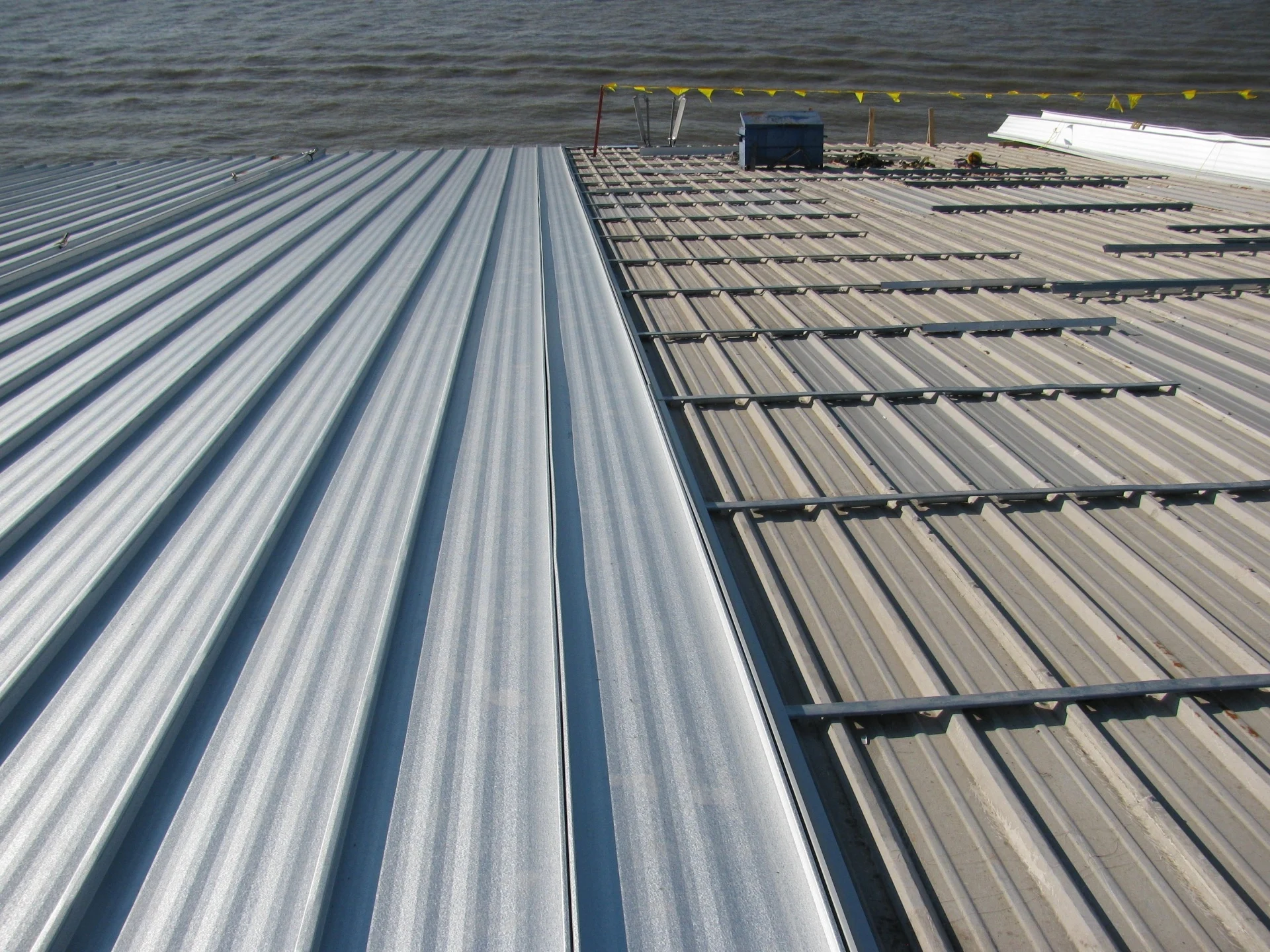
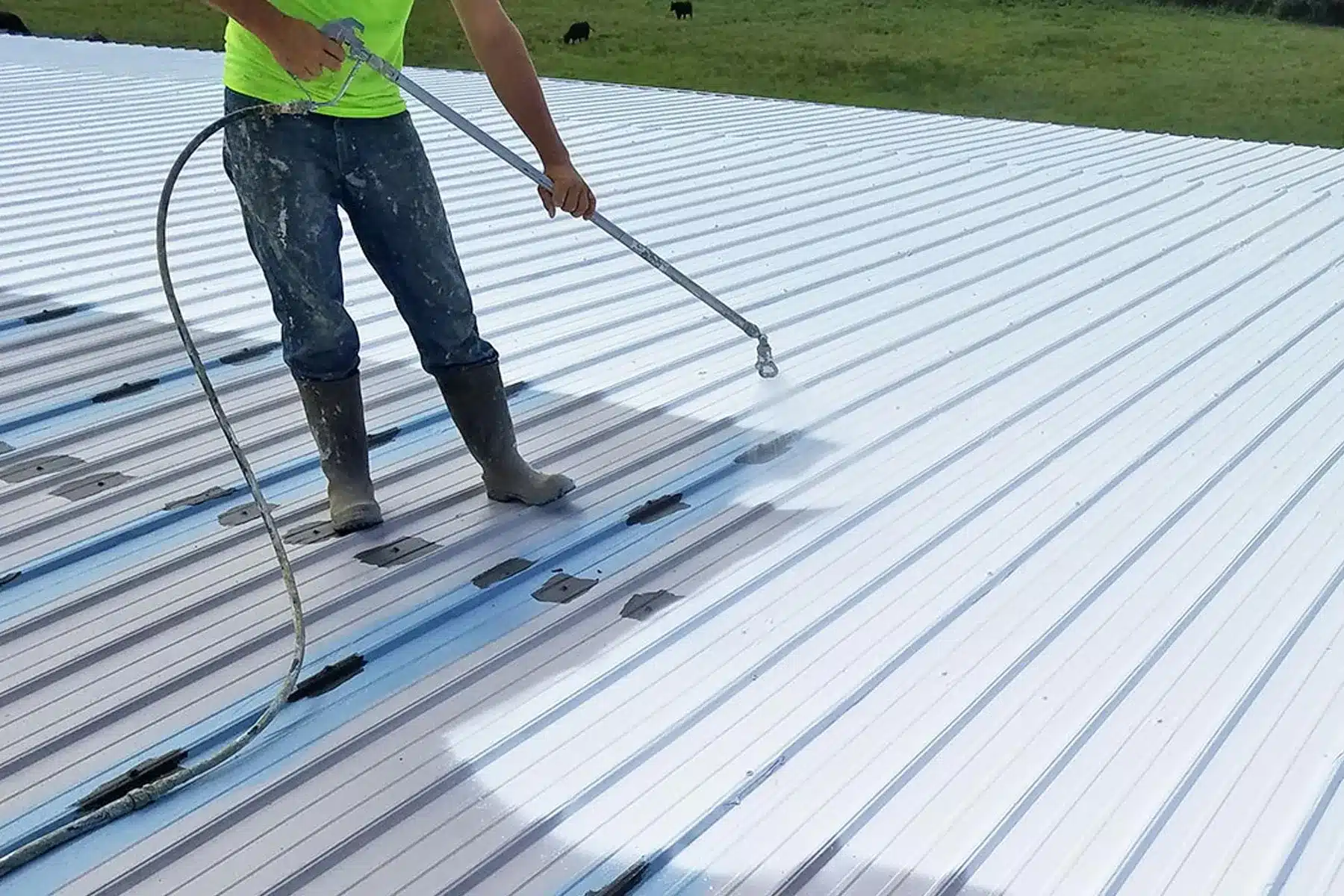
Commercial roofing in Homestead should begin with a documented assessment of membrane condition, seams, flashings, drainage, penetrations, and moisture before repair, coating, or replacement is selected. Homestead's commercial inventory is grounded in South Dade's agricultural and industrial economy — packing houses, cold storage facilities, agricultural processing plants, and the commercial development along US- that supports them. The Homestead-Miami Speedway and its event-season commercial activity adds a hospitality and large-event venue dimension to the market.
Homestead is a city in its own right, with its own building department and its own permitting process separate from Miami-Dade County. Commercial roofing permits for Homestead are filed with the City of Homestead Building Division. The city also sits at the southeastern edge of the FBC High-Velocity Hurricane Zone — the same NOA and HVHZ requirements that govern Brickell and Miami Beach apply in Homestead. Andrew's path of maximum destruction in 1992 crossed directly through Homestead, and the commercial inventory here was rebuilt to post-Andrew standards after the storm. That rebuilt stock is now 30 years old.
The South Dade agricultural economy produces a commercial roofing environment that is unlike anything in the urban Miami market. Tomato and avocado packing houses, mushroom growing facilities, tropical plant nurseries, and cold storage operations for the winter vegetable crop from the Redland agricultural area all generate specific roofing requirements — chemical exposure from agricultural processing, high interior humidity conditions, and structural systems built for agricultural use rather than standard commercial construction.
Homestead Air Reserve Base and its adjacent commercial development represent a second economic layer — aviation-support services, logistics, and defense contractor facilities that carry specific operational requirements and, for some facilities, security-related access constraints that need to be identified in pre-construction planning.
South Dade Agricultural and Processing Facilities
Agricultural packing houses along Krome Avenue and in the Redland area handle fresh produce at high volume from November through May. These facilities run intensive refrigeration systems, high-humidity interior environments, and chemical wash and sanitation processes that affect roofing material selection. Membrane systems on packing houses need to be chemically compatible with the sanitation compounds used in the facility — standard TPO is appropriate for most agricultural packing environments, but facilities with heavy pesticide or fumigation use require assessment of membrane compatibility before specification.
Structural systems on agricultural processing buildings often predate modern commercial construction codes. Pre-engineered metal building frames from the 1950s through 1970s carry open-web joists and corrugated metal decks that need structural assessment before new roof systems add meaningful load. Post-Hurricane Andrew rebuilds from 1993 through 1996 introduced a wave of pre-engineered metal buildings that are now at or past their original manufacturer's roofing warranty — these buildings are the highest-priority replacement segment in the Homestead agricultural market.
Cold storage facilities — standalone refrigerated warehouses for produce, flowers, and seafood — require roofing specifications that account for the extreme temperature differential between the interior (32 to 45 degrees F) and the Miami exterior (80 to 95 degrees F). Vapor retarder placement and the insulation stack configuration are critical on cold storage buildings — a system that performs well on a standard commercial building will fail rapidly on a refrigerated warehouse if the vapor drive analysis is not done correctly.
Homestead-Miami Speedway Corridor
The Homestead-Miami Speedway at SW 336th Street hosts NASCAR and IndyCar events that draw 80,000 to 100,000 attendees and generate concentrated commercial activity in the surrounding area during race weekends. The Speedway's commercial buildings — grandstand structures, garage buildings, and administrative facilities — represent a specialized roofing environment: very large metal deck and concrete structures, many built in the 1990s when the facility was developed, now approaching first major replacement cycles.
Race-weekend scheduling constraints mean that major production work on Speedway-adjacent commercial properties needs to avoid the November NASCAR Cup Series race weekend and the IndyCar spring event. We build the Speedway event calendar into project scheduling discussions for any property within the direct traffic impact zone around the facility.
The commercial hotel and retail development along SW 328th Street and US-1 near the Speedway generates steady maintenance and replacement work — a mix of limited-service hotels, restaurant chains, and convenience retail built during the Speedway's development phase in the mid-1990s, all approaching or past their original membrane system life.
Homestead City Permitting
The City of Homestead Building Division handles commercial roofing permits for properties within city limits. Homestead's plan review timeline for commercial roofing runs 3 to 5 weeks from complete submission. Homestead Air Reserve Base facilities are governed by federal construction standards and do not go through the city's building department — they require coordination with the base's facilities management office.
Homestead's building department is familiar with agricultural facility roofing permit submissions, which require structural documentation when roof system weight is a design variable. We provide structural loading calculations as part of the permit package for agricultural buildings where the proposed system adds meaningful load relative to the original design.
Frequently asked questions
Do Homestead commercial buildings require City of Homestead permits or Miami-Dade County permits?
Properties within Homestead city limits require City of Homestead Building Division permits. Properties in unincorporated South Dade around Homestead require Miami-Dade County Building Department permits. We confirm which jurisdiction applies based on the property's address and file accordingly.
How do you handle roofing specifications for cold storage buildings?
Cold storage buildings require a vapor drive analysis before the insulation stack is specified. In the South Florida climate, vapor drive from the hot, humid exterior toward the cold interior is intense — the vapor retarder must be placed correctly within the assembly to prevent condensation within the insulation. We specify the insulation stack and vapor retarder placement based on the specific interior temperature requirements of the facility.
What is the response time for emergency leak calls in Homestead?
Homestead is the furthest point south in our Miami-Dade service area — approximately 45 to 60 minutes from our Brickell office. Emergency dry-in response to Homestead is typically within 5 to 6 business hours. For agricultural processing facilities with active product at risk, we prioritize same-day mobilization.
Can you work on pre-engineered metal buildings from the 1970s and 1980s?
Yes. Pre-engineered metal buildings require structural assessment of the deck condition before new roof systems are specified. We pull deck inspection ports at moisture-wet core locations and document deck corrosion extent before finalizing the replacement scope. Where deck replacement is required, we include structural engineer sign-off as part of the permitting package.
Homestead commercial roof inspection or replacement scope.
Our project managers will assess your Homestead agricultural, industrial, or commercial building's roof condition — including cold storage considerations and agricultural chemical exposure — and produce a written scope with City of Homestead permitting requirements included.