Commercial Roofers in Miami
Miami, FL · Locations
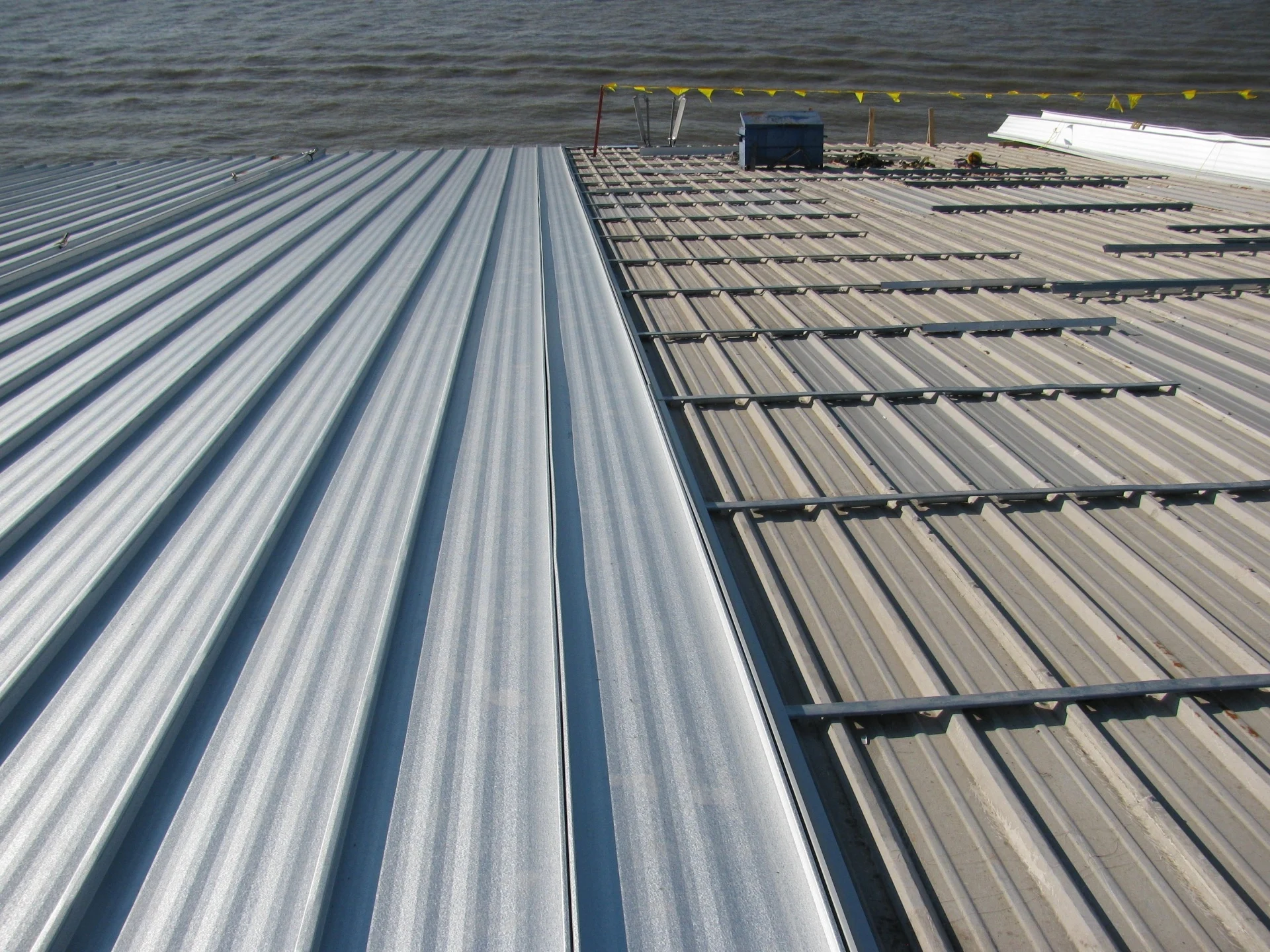
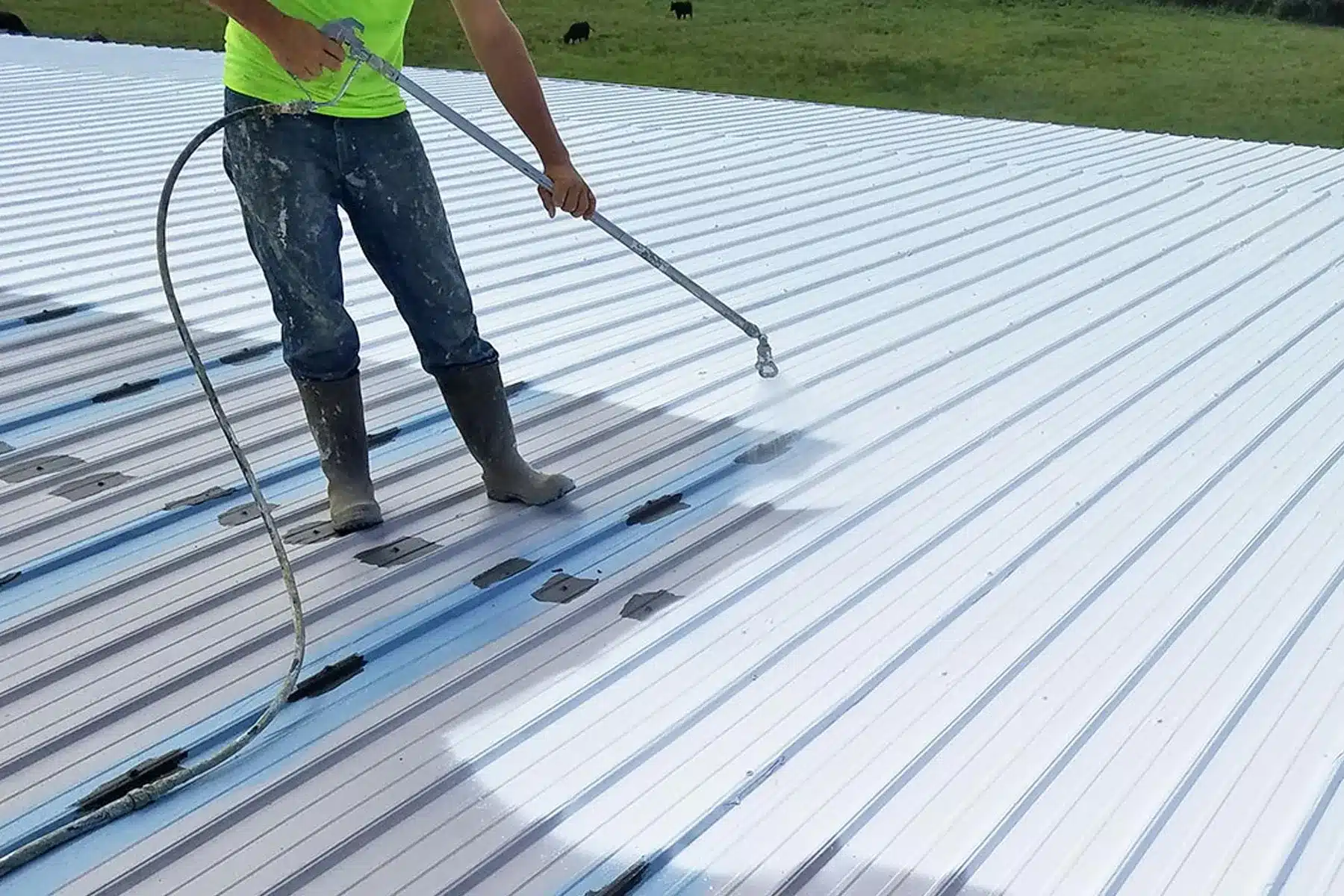
For commercial properties in Miami, the defensible choice between repair, restoration, and replacement starts with roof-system condition, moisture findings, drainage performance, and remaining service life. Miami's commercial roof inventory was built in three distinct waves. The pre-1992 stock — built before Hurricane Andrew revised the Florida Building Code and Miami-Dade's product approval system — is in various states of replacement and major repair depending on what, if any, post-Andrew upgrades were completed. The post-Andrew wave of construction from 1993 through 2008, built to revised FBC HVHZ standards, is now in active reroof or major maintenance cycles — many of these buildings are running first-generation TPO or modified bitumen systems that are approaching the end of their manufacturer warranty periods. The post-recession wave from 2012 through the present — concentrated in Brickell, Downtown Miami World Center, Wynwood, and Edgewater — represents new construction and early-maintenance work on buildings that are 5 to 12 years old.
We work across all three inventory waves. Our project managers track which Brickell Class A towers are approaching first-generation membrane replacement, which Wynwood mixed-use buildings are running post-Andrew modified bitumen that needs assessment, and which Hialeah industrial buildings are running original pre-1992 built-up roofs that have not been touched since Andrew stripped their perimeter flashings. That continuity of asset knowledge is what we offer.
Where We Run Miami Routes
Brickell financial district: Class A and B office towers, mixed-use high-rises, and mid-rise condominium buildings. Most replacement work here involves mechanical equipment coordination, crane permitting on Brickell Ave or SE 8th Street, and tenant communication in multi-tenant buildings. Many post-2010 buildings are approaching their first major rooftop equipment replacement cycle, which creates scope overlap with roof condition assessment.
Downtown Miami / Miami World Center: A mix of historic commercial buildings from the 1950s through 1980s (many running original or once-recovered built-up roofing) and new Class A towers built from 2015 onward. The historic stock needs assessment for deck condition before reroof scope can be finalized — older concrete and clay tile deck buildings have structural considerations that standard metal-deck specifications do not account for.
Wynwood and Edgewater: Creative office conversions of industrial warehouse buildings, new mixed-use construction, and gallery buildings. Warehouse-to-office conversions typically involve aging metal decks and original low-slope roofing that was never designed for the HVAC loading a commercial office tenant requires. We assess deck condition and structural loading before specifying replacement systems on converted buildings.
Hialeah industrial: One of the largest concentrations of light industrial buildings in South Florida — warehouses, manufacturing, food processing, and distribution built in waves from the 1960s through the 1990s. Much of the pre-1992 stock has been partially upgraded but still carries original perimeter and corner zone detailing that does not Replacement cycle pressure is highest here.
Climate and Building Conditions in Miami
Miami's marine subtropical climate means year-round humidity, salt air corrosion at coastal and bay-adjacent properties, and a hurricane season that runs six months (June 1 through November 30). Summer surface temperatures on dark roofs in Miami regularly exceed 160 degrees F. The combination of high surface temperature, UV intensity, and coastal salt spray accelerates membrane degradation faster than inland markets — actual service life in Miami conditions often runs 15 to 20 percent shorter than manufacturer projections derived from inland test sites.
Sea-level rise and king-tide flooding are increasingly relevant to Miami commercial roof assessments. King-tide events now flood ground-level infrastructure in Brickell, Downtown, and Miami Beach that was dry a decade ago. For low-elevation buildings, this means water migration from grade can reach the building envelope through mechanisms that are not traditional roof leaks — and distinguishing roof-source from grade-source water intrusion requires a different diagnostic approach. We document water intrusion source in our condition reports, not just the location of interior water staining.
Oolite limestone, the sedimentary rock that underlies most of Miami-Dade County below the fill layer, affects building movement patterns differently than clay or sandy soils. Buildings on oolite-over-fill substrates in areas with significant fill depth (much of Miami Beach and areas along the bay) can see differential settlement that produces movement at parapet walls and building joints. We look for these movement patterns in inspection and specify flexible flashing details at locations where movement is documented.
Miami-Dade Permit and Inspection Process
Commercial roofing work in Miami-Dade County requires building permits from either the Miami-Dade Building Department or the relevant municipal building department (Coral Gables, Miami Beach, Hialeah, Doral, and other incorporated municipalities each operate their own permit offices). Miami-Dade County's permitting process for commercial roofing typically runs 3 to 6 weeks from submission to permit issuance. We submit complete applications — including the NOA approval documentation and wind-uplift design calculations — at the first submission to avoid resubmission cycles.
Miami-Dade requires roofing inspections at specific milestones: substrate/deck inspection before membrane installation, a mid-project inspection (often at insulation installation for fully adhered systems), and a final inspection at project completion. Our project managers schedule inspections proactively so that inspection delays do not extend the production timeline unnecessarily.
Frequently asked questions
Do you do emergency roof leak response in Miami?
Yes. Brickell, Downtown Miami, and Edgewater calls get crews on-site within four business hours. Hialeah, Doral, and MIA-adjacent industrial is same-day mobilization. Miami Beach, Coral Gables, and North Miami Beach is typically same-day or next morning. After-hours and weekend emergency response is available for buildings on our maintenance contracts.
What is your office address and phone?
. Phone (305) 363-7007. Email [email protected].
Are you licensed to do roofing work in Florida?
Florida requires state licensure for roofing contractors. We carry the required Florida contractor licenses, along with general liability, workers' compensation, and umbrella coverage at limits appropriate for commercial building work. Certificates of insurance are provided on request. We pull all required permits — Miami-Dade County or municipal — for replacement work and for repair work above the permit threshold.
Do you work on Miami Beach buildings?
Yes. Miami Beach has its own building department and its own permitting process, but all work still falls under Miami-Dade's HVHZ and NOA requirements. Miami Beach's urban development patterns mean that crane placement and material staging require more pre-planning than suburban sites — we work through the permitting and logistics requirements before mobilizing.
Need a Miami commercial roof inspection or replacement scope?
Our project managers will walk the roof, document the condition, and produce a written report — for capital planning, NOA compliance verification, pre-hurricane-season preparation, or insurance documentation.