Commercial Roofers in Fort Lauderdale
Miami, FL · Locations
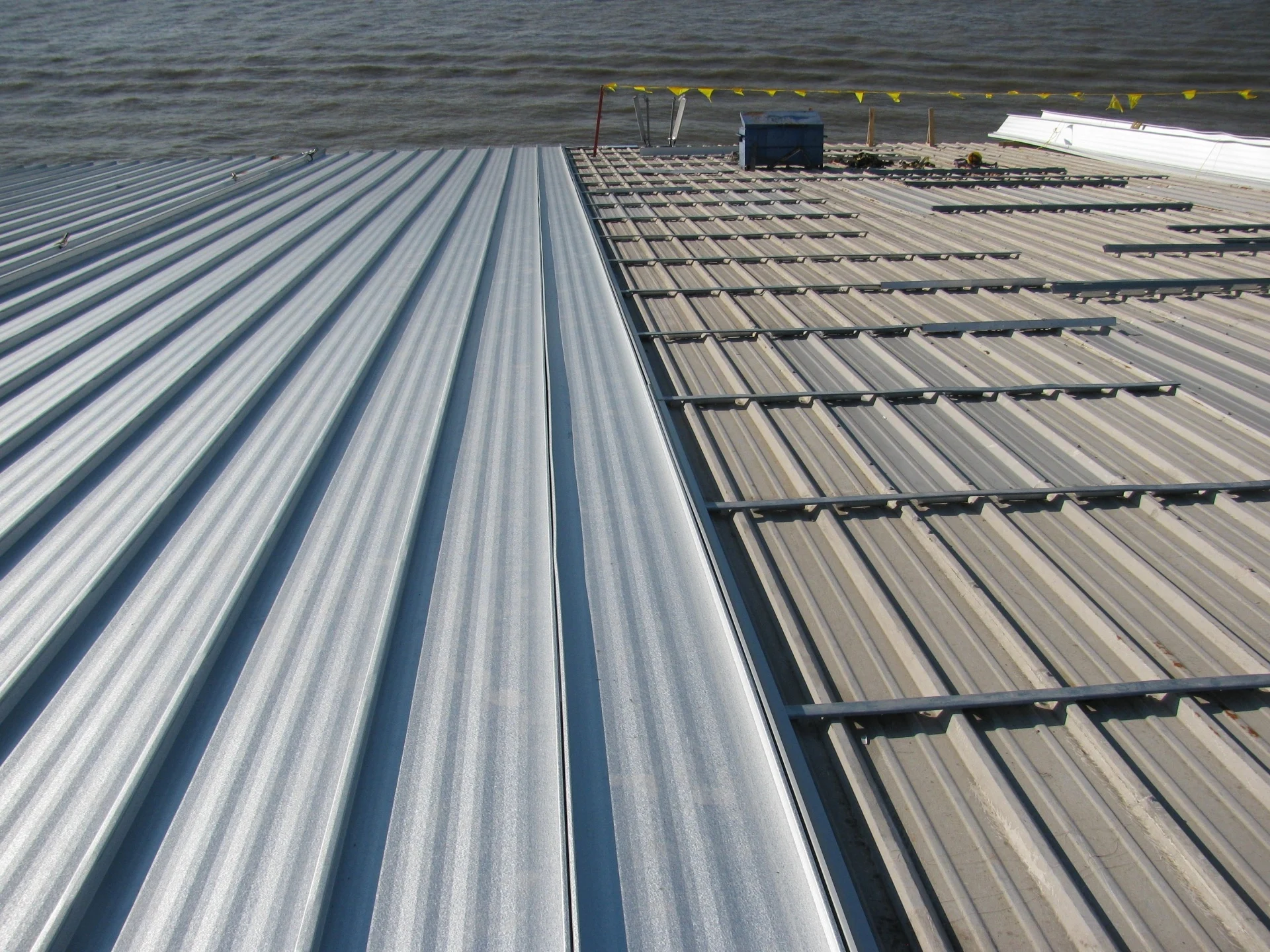
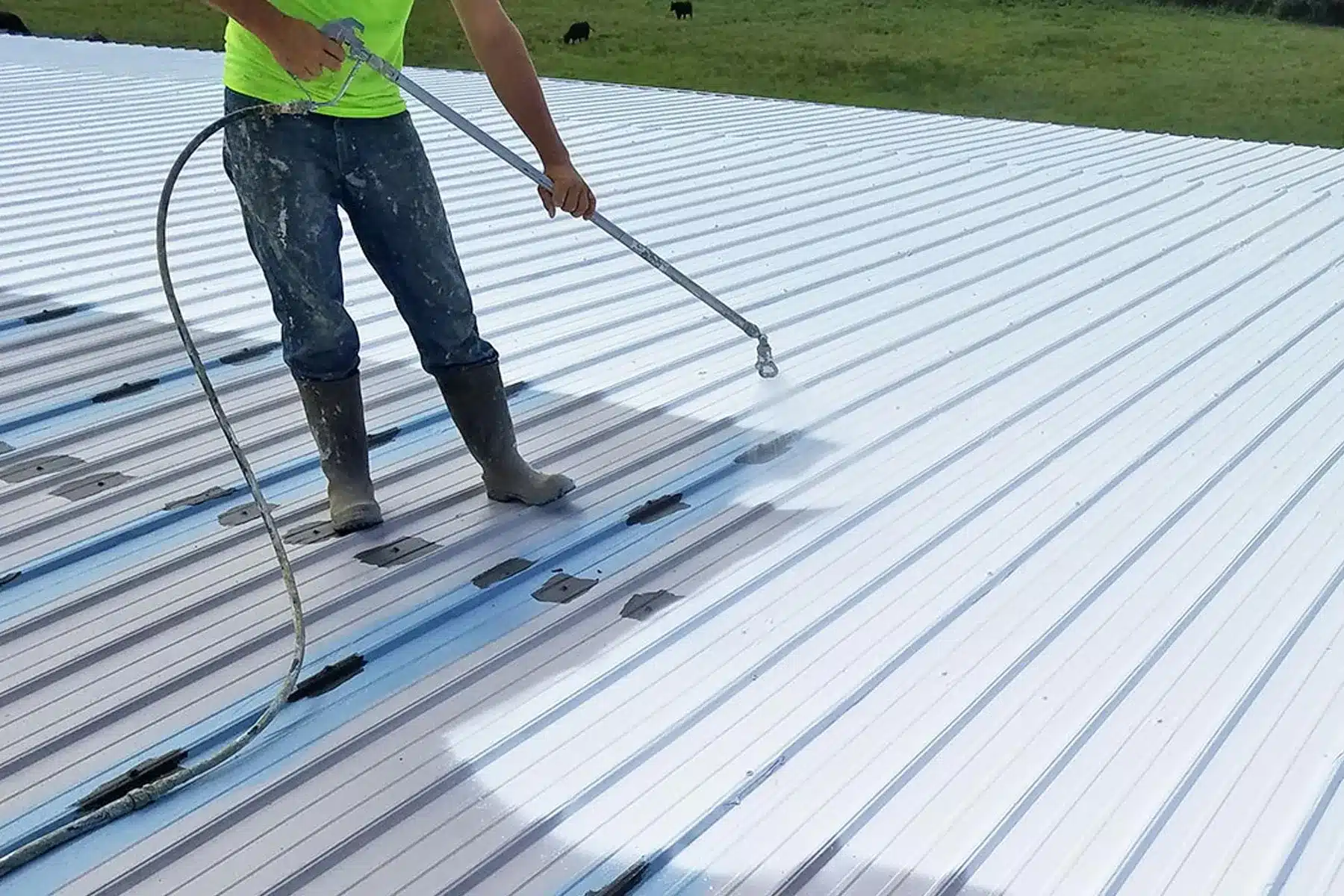
For commercial properties in Fort Lauderdale, the defensible choice between repair, restoration, and replacement starts with roof-system condition, moisture findings, drainage performance, and remaining service life. Fort Lauderdale's commercial landscape runs from Port Everglades and the FLL airport industrial cluster through the downtown towers and Las Olas Blvd office corridor to the beachfront hospitality strip. Our project managers cover all of it — the logistics and aviation-adjacent industrial zone, the Class A office core, and the hospitality and mixed-use buildings along the Federal Highway and A1A corridors.
Fort Lauderdale is the largest commercial market in Broward County, and its roof inventory reflects that complexity. Port Everglades — one of the busiest cruise ports and bulk cargo terminals in the southeastern US — generates a cluster of marine-industrial, logistics, and cruise-line operational buildings with roof systems that face salt air exposure at high intensity. The FLL airport-adjacent industrial and cargo corridor along Griffin Road and NW 62nd Street is a second concentration of large flat-roof logistics and light manufacturing buildings. And the downtown Las Olas corridor brings Class A office towers, boutique hotels, and mixed-use projects that are entering their first major reroof cycles after the 2010s development wave.
I work across all three zones. For the Port Everglades marine-industrial buildings, salt spray corrosion is the leading failure driver — not just at membrane surfaces but at perimeter metal, equipment supports, and any steel penetration hardware exposed to the direct salt-air environment at the port basin. For the FLL-adjacent industrial cluster, the primary concern is large flat-roof footprints with high HVAC loading and aging first-generation TPO systems that were specified for the FBC HVHZ requirements at the time of installation — which in many cases means they need fastener-pattern reassessment against current FBC standards before a recover scope can be closed.
The Las Olas Blvd and downtown Fort Lauderdale Class A market expects the same documentation depth as Brickell in Miami: written condition reports, NOA-equivalent product approval documentation, wind-uplift design calculations, and manufacturer warranty closeout packages. Fort Lauderdale is 40 minutes from our Brickell office in normal traffic. I build Fort Lauderdale commercial work into the same project management framework as any Miami-Dade Class A engagement.
Port Everglades and Marine-Industrial Corridor
Port Everglades' operational buildings — terminal buildings, cargo staging structures, cruise-line operational facilities, and the logistics buildings clustered on the port access roads — represent some of the most demanding roofing environments in South Florida. Direct salt spray exposure at the port basin accelerates membrane degradation, corrodes metal components, and creates adhesion challenges for fully adhered systems that are not formulated for the coastal-salt-spray loading that Port Everglades buildings face.
Access to port buildings requires security clearance coordination that I handle in advance — not something to navigate the morning the crew shows up at the port gate. For replacement projects on port buildings, I submit access documentation to the Port Everglades security office and build the clearance timeline into the pre-construction schedule.
Cruise line operational buildings at Port Everglades run on a specific operational calendar — embarkation days (typically Sunday through Tuesday) generate peak activity that constrains crane placement and material staging access to the port. I pull the cruise schedule before finalizing the production calendar for any port building project.
FLL Airport-Adjacent Industrial and Cargo
The Griffin Road and NW 62nd Street corridor between FLL airport and I-95 is one of the highest concentrations of aviation-adjacent logistics and light industrial buildings in South Florida. Cargo buildings, airline catering facilities, aircraft maintenance hangars, and freight forwarding warehouses cluster in this zone. Many of these buildings were built in the early 1990s through early 2000s under FBC HVHZ requirements and are now in first-cycle replacement territory.
Aircraft maintenance and cargo buildings near an active airport have FAA crane-height limitations that affect how replacement projects are sequenced. Crane heights near FLL's approach corridors require FAA 7460-1 notification and, depending on height and proximity, FAA aeronautical study before a tower crane or tall crane is placed. I identify FAA height limitation zones in the pre-construction assessment and specify crane types that work within the limitations — or sequence the project to use shorter equipment with longer set-up at each crane position.
For 24-hour cargo operations buildings, the same continuous-occupancy constraint applies as for hotels — the building cannot lose weather protection overnight. Production sequencing at cargo buildings has to account for shift changes, freight traffic in the staging yard, and the operational reality that a cargo building that is locked out of its yard during a production day loses real revenue. I plan production staging around these constraints.
Las Olas Blvd and Downtown Fort Lauderdale
The downtown Fort Lauderdale office corridor — Las Olas Blvd, SE 3rd Avenue, and the blocks immediately east toward the New River — contains Class A and B office buildings, boutique hotels, and mixed-use projects built in two waves: the 1980s office towers that now carry aging first-generation systems, and the 2010s development wave that produced new Class A inventory that is entering its first maintenance and NOA compliance documentation cycle.
Las Olas Blvd office buildings have specific staging constraints: the boulevard's median landscape and event programming (Las Olas hosts street festivals, markets, and events throughout the year) creates windows where crane placement on the boulevard requires advance coordination with the City of Fort Lauderdale's public works and special events departments. For projects on Las Olas, I pull the city's event calendar and secure the right-of-way permit for crane placement before production is scheduled.
Frequently asked questions
Do you handle FAA crane-height notifications for FLL-adjacent projects?
Yes. For projects where a crane approaches FAA height limitation thresholds near FLL, I identify the requirement during pre-construction, file FAA Form 7460-1, and build the aeronautical study timeline into the project schedule. The alternative for most FLL-adjacent buildings is to use a shorter crane with more picks — we spec the crane type as part of the production method, not as an afterthought.
Can you work on Port Everglades buildings?
Yes. Port Everglades security clearance for roofing contractor crews is a pre-construction step that I handle through the Port's vendor credentialing process. For buildings in restricted port zones, crew clearances and vehicle access passes are secured before production starts. The cruise schedule and terminal operations calendar drive the production window planning for projects near active terminal buildings.
What product approval documentation applies in Fort Lauderdale?
Fort Lauderdale is an incorporated Broward County city. Permits go through the City of Fort Lauderdale's Building Services Division. Florida Building Code HVHZ requirements apply, and product approval is through the Florida Building Code's statewide product approval system — not Miami-Dade NOA. Most major membrane manufacturers carry Florida product approvals that satisfy Broward County's building department requirements.
Fort Lauderdale commercial roof inspection or replacement scope.
I'll walk the roof, assess coastal corrosion exposure, document existing fastener patterns and drain conditions, and deliver a written scope with Florida product approval documentation and wind-uplift design detail.