Commercial Roofers in Miami Gardens
Miami, FL · Locations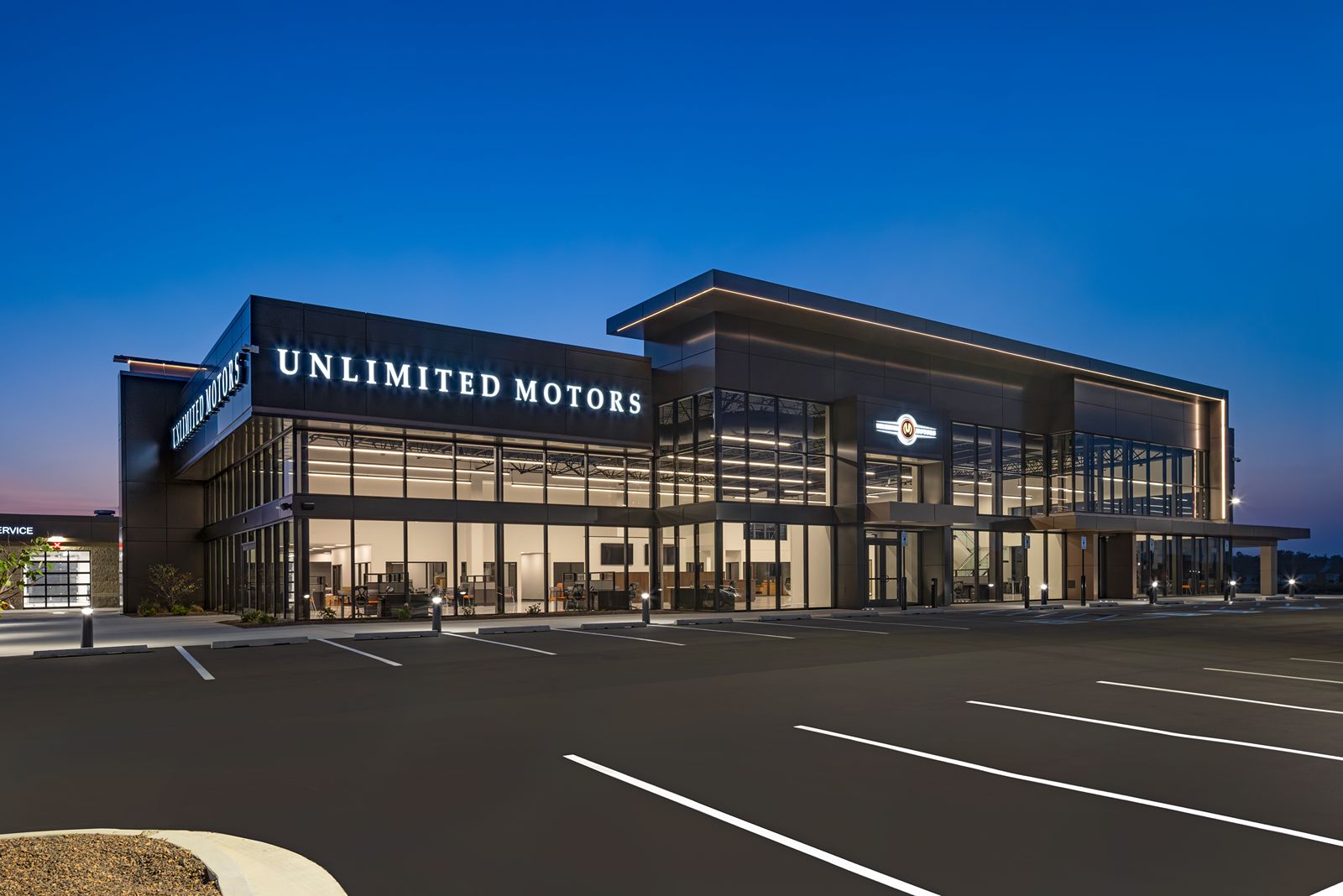
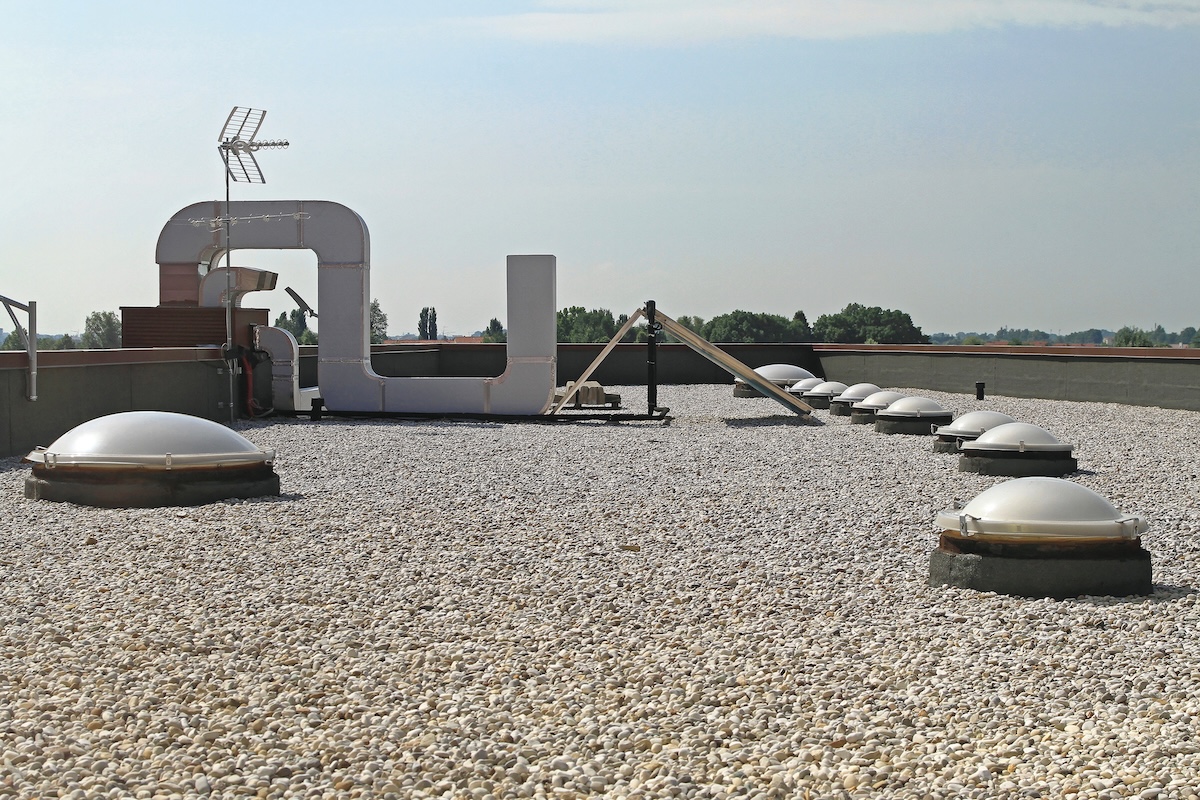
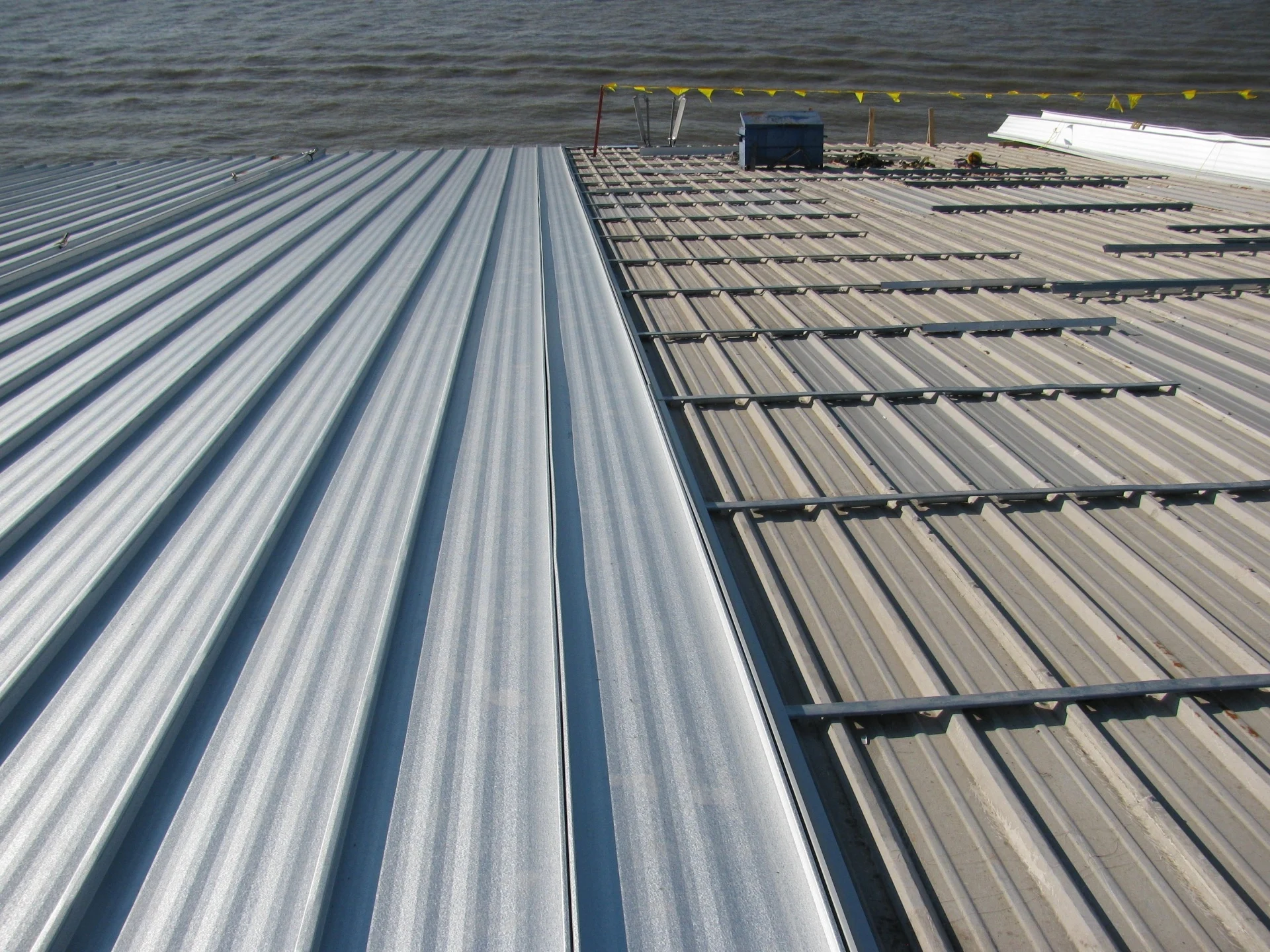
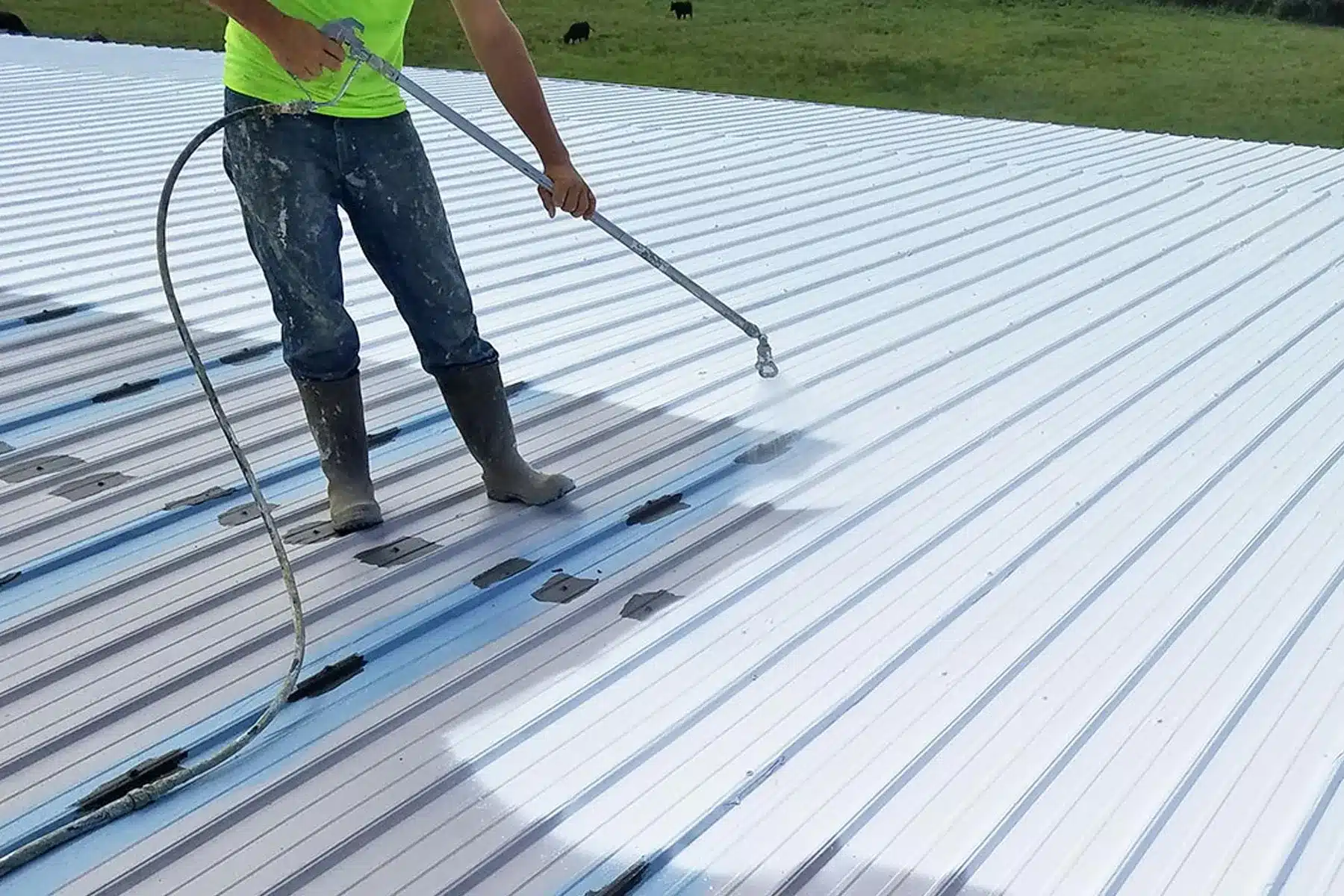
Commercial roofers serving Miami Gardens should document leak sources, wet insulation, drainage, edge details, penetrations, and repair history before recommending a scope. Miami Gardens sits at the northern edge of Miami-Dade County. Our project managers run inspection routes through the Hard Rock Stadium commercial precinct, the retail and warehouse corridors along NW 27th Avenue and NW 183rd Street, and the office and medical buildings clustered near FIU's Engineering Center campus.
Miami Gardens' commercial building stock is largely a product of two development periods. The post-1992 wave — built after Hurricane Andrew rewrote the Florida Building Code — covers most of the light industrial, warehouse, and big-box retail along the NW 27th Avenue corridor. A second wave of commercial construction came in the 2000s around the stadium precinct and the FIU North Campus area, producing mid-rise office, hotel, and medical buildings that are now entering their first major reroof cycle.
What I see most often in Miami Gardens is the combination of large low-slope roofs with aging original membrane systems and HVAC equipment that was installed at build-out and never fully assessed for deck loading and penetration flashing condition. A 200,000-square-foot big-box roof on a metal deck with original TPO from 2001 and extensive HVAC replacement penetrations is a different inspection problem than a Brickell Class A tower — the scope complexity is in the penetration inventory and the fastener-pattern documentation for the perimeter and corner zones, not in crane logistics.
I also work with stadium-precinct hotel and retail owners who deal with event-driven scheduling constraints. Hard Rock Stadium hosts Dolphins home games from September through January, plus college bowl games, concerts, and international soccer events throughout the year. Crane placement and material staging around Don Shula Drive and NW 199th Street during event weeks requires advance coordination with the stadium operations team — something we build into pre-construction planning for any project in that precinct.
Hard Rock Stadium Precinct and NW 199th Street Corridor
The commercial buildings closest to Hard Rock Stadium — the hotels on NW 199th Street, the retail strip on NW 27th Avenue south of the stadium, and the parking-structure-adjacent office buildings — operate under access and staging constraints that shift on a 12-month event calendar. I pull the stadium event schedule before scheduling any production work in this precinct. Material deliveries and crane placement are scheduled around event ingress and egress patterns, not just standard commercial construction traffic windows.
Hotel roofs in the stadium precinct present a specific challenge: continuous occupancy. The Marriott and the SpringHill Suites properties near the stadium run at high occupancy during events and at baseline occupancy between them. Tear-off and dry-in staging has to protect every occupied floor from noise and vibration disruption, and same-day dry-in is non-negotiable — we do not leave hotel guests' rooms exposed to Miami's afternoon thunderstorm pattern. We production-schedule in 3,000 to 5,000 square foot daily sections to maintain that discipline.
The retail and food-service buildings on the stadium's retail ring have membrane systems that see heavy foot traffic from rooftop HVAC maintenance between events. High mechanical-traffic flat roofs in Miami Gardens need a 60-mil or heavier membrane with walk-pad protection at all service routes — not the 45-mil systems that show up on some post-Andrew builds in this corridor.
FIU North Campus and Institutional Buildings
Florida International University's Engineering Center campus on NW 107th Avenue brings a cluster of institutional buildings with facilities management teams that operate on capital-plan cycles and multi-year maintenance schedules. My experience with FIU-area institutional buildings is that they bid on a formal procurement process with specific NOA documentation requirements, insurance certificate formats, and bonding thresholds. I maintain the documentation packages required for public and quasi-public institutional bids and can turn around certificate requests on short notice.
The office and medical buildings adjacent to FIU North — along the NW 167th Street and NW 27th Avenue corridor — are a more typical mid-market commercial replacement cycle. First and second-generation modified bitumen and TPO systems from the 1990s through early 2000s, building sizes from 15,000 to 50,000 I provide written condition reports on these buildings that give portfolio managers the data they need to sequence replacement capital across assets rather than react to the next leak call.
NW 183rd Street and NW 27th Avenue Commercial Corridors
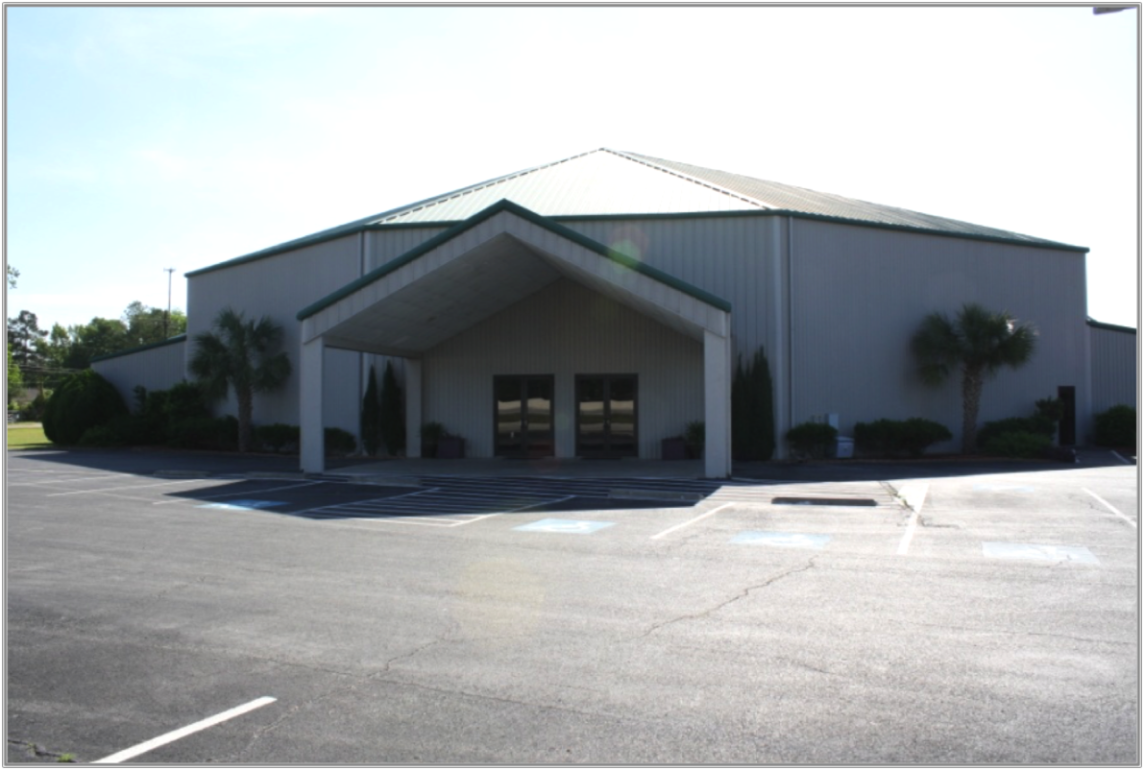
The intersecting corridors of NW 183rd Street and NW 27th Avenue form the commercial spine of Miami Gardens — big-box retail, strip centers, auto dealerships, light industrial, and the medical offices that serve the surrounding residential neighborhoods. This is high-volume single-story commercial inventory: large flat roofs, metal decks, original TPO and modified bitumen systems aging through their second decade.
Drain condition is the issue I flag most consistently on this corridor. Miami Gardens sits at essentially flat grade, and the original drain layouts on many strip centers along NW 183rd were designed without adequate secondary overflow capacity. When primary drains clog — and they do, with debris from the mature tree canopy in the adjacent neighborhoods — water ponds at depths that exceed what the original membrane was specified to handle. I document drain condition, ponding patterns, and overflow capacity in every inspection report on this corridor and prioritize drain remediation in replacement scopes where the existing layout is inadequate.
Frequently asked questions
Do you work on buildings near Hard Rock Stadium during the NFL season?
Yes. I pull the stadium event schedule before any production work is planned in the NW 199th Street precinct. Crane placements and material deliveries are scheduled around event days. For hotel and hospitality roofs near the stadium, we sequence production to avoid noise disruption during peak occupancy periods and maintain same-day dry-in regardless of event scheduling.
How long does Miami-Dade permit review take for Miami Gardens commercial roofing?
Miami Gardens sits in unincorporated Miami-Dade for most of its commercial corridor — permits go through Miami-Dade Building Department. Commercial roofing permits typically take 3 to 6 weeks from complete submission. We submit complete applications with NOA documentation and wind-uplift design calculations to avoid resubmission delays.
What membrane is right for a large flat-roof big-box building in Miami Gardens?
For most large low-slope metal-deck buildings in the NW 27th Avenue and NW 183rd Street corridors, 60-mil mechanically attached TPO with an NOA-approved assembly is the standard replacement spec. If there is significant HVAC traffic on the roof, we add walk-pad protection at all service routes as part of the scope. Where recover is viable and insulation is dry, a recover with 60-mil TPO over the existing system is an option that saves significant capital.
Do you handle ponding water problems as part of a replacement scope?
Yes. Drain remediation, tapered insulation packages designed against existing ponding patterns, and secondary overflow installation are all part of replacement scope work on Miami Gardens strip-center and big-box buildings where the original drain layout is inadequate. We document ponding area and depth in the pre-replacement inspection and include the remediation design in the replacement scope.
Miami Gardens commercial roof inspection or replacement scope.
Our project managers walk the roof, document drain condition, membrane condition, and penetration flashing inventory, and deliver a written scope with NOA approval numbers and wind-uplift design included.