Commercial Roofers in Boynton Beach
Miami, FL · Locations
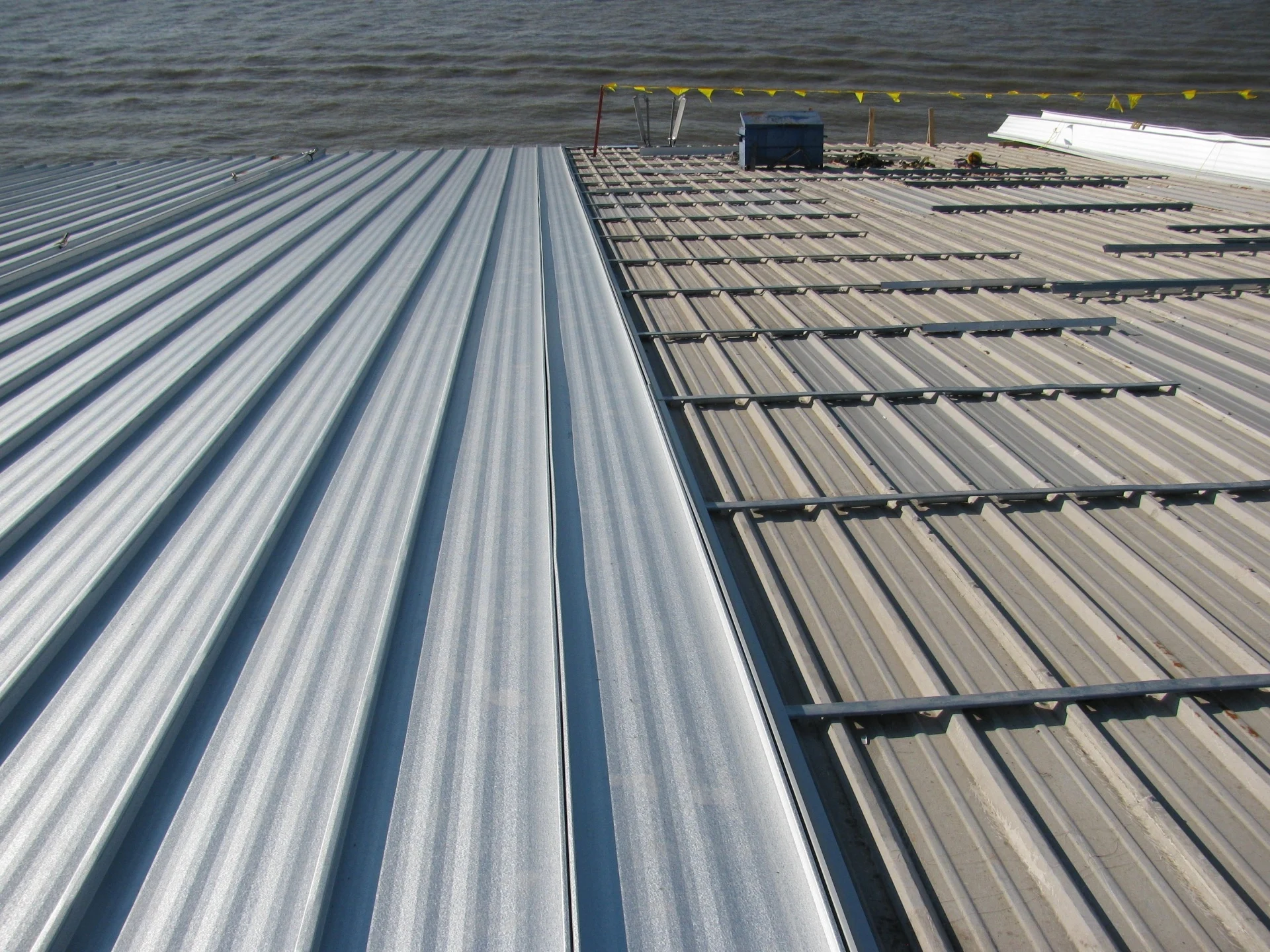
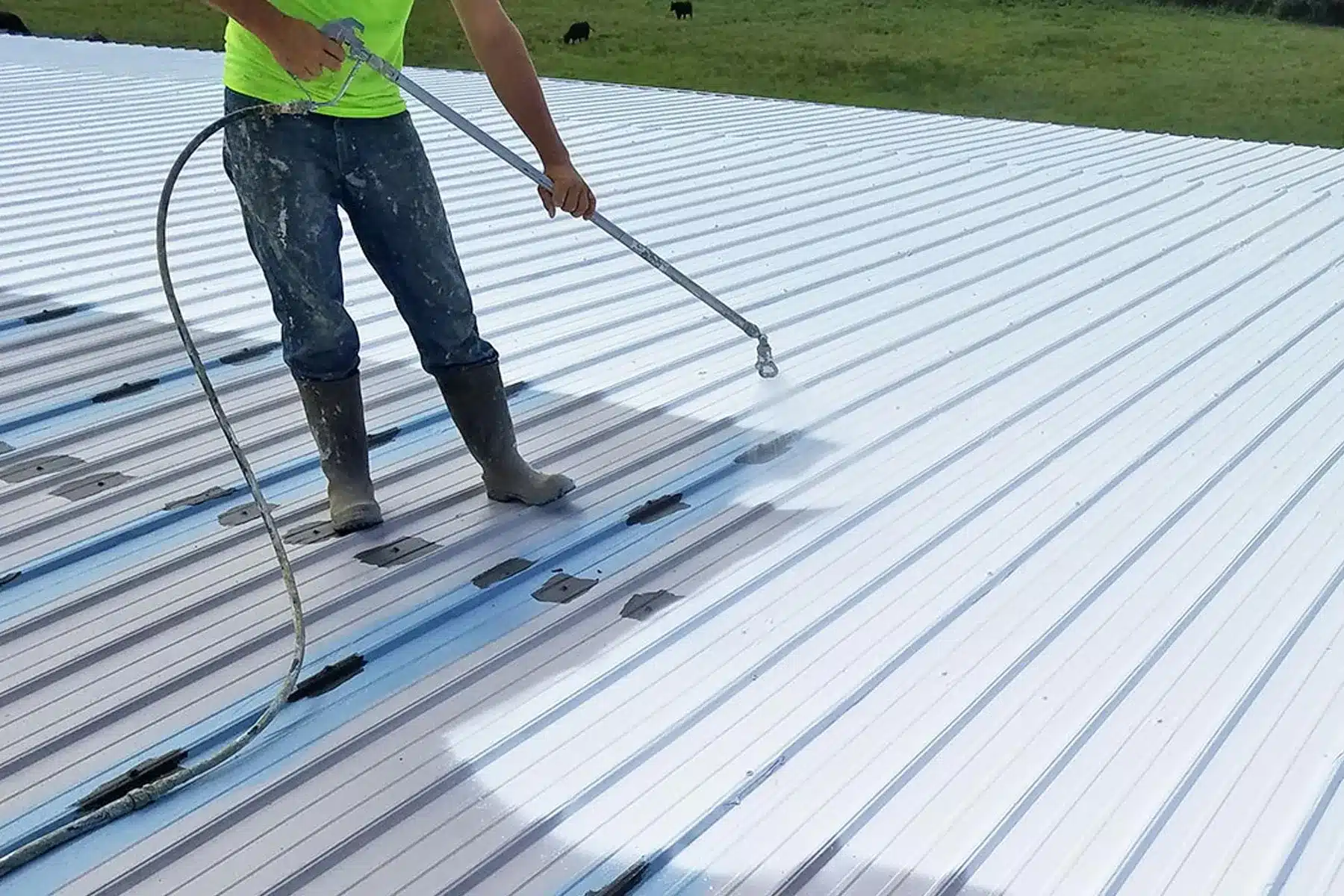
A practical commercial roofing plan for Boynton Beach properties separates urgent leak control from repair, coating, maintenance, and replacement decisions supported by photos and condition findings. Boynton Beach sits mid-county in Palm Beach, bisected by US- running north-south through the western commercial zones. Our project managers cover the US-1 retail and hospitality strip, the Congress Avenue office and medical corridor, and the light industrial buildings that fill the inland commercial zones between I-95 and the Florida Turnpike.
Boynton Beach's commercial roof inventory reflects a mature suburban Palm Beach County market. The bulk of the commercial square footage was built in two waves: the 1980s and early 1990s suburban buildout that produced the strip centers, mid-rise office buildings, and early big-box retail along US-; and the post-1993 FBC-era commercial construction that followed Andrew and produced the warehouses and business parks filling the inland corridors between I-95 and the Turnpike.
The pre-1993 inventory on US-1 is the most pressing replacement market in Boynton Beach. These buildings carry original built-up roofing or early modified bitumen systems — some beneath one or two recover layers added without a documented scope or condition assessment — that are well past any manufacturer warranty life and, in many cases, past the point where another recover layer is a viable option. Pre-1993 buildings also require assessment against current FBC wind-uplift standards; the fastener patterns on these systems were designed to a different code generation and need to be evaluated before a recover or replacement spec is written.
The Congress Avenue corridor's office and medical buildings represent the other segment I work in Boynton Beach. Medical offices, physical therapy and imaging centers, and the professional office buildings near Bethesda Hospital East on Seacrest Boulevard are a mid-market commercial roofing practice — building sizes from 8,000 to 40,000 I try to shift that dynamic by providing written condition reports that give owners a factual basis for capital planning before the roof is failing, not after.
US-1 Corridor — Retail and Hospitality
US-1 in Boynton Beach runs through the city's oldest commercial zone — the strip from Boynton Beach Boulevard south toward Woolbright Road carries the city's most established retail and hospitality inventory. Many of the strip centers and freestanding retail buildings on this segment of US-1 were built in the 1970s through early 1990s and have had minimal documented roofing work since original construction.
The structural condition of pre-1993 commercial buildings in Boynton Beach's US-1 corridor is not uniform. In the coastal environment of eastern Palm Beach County, even buildings set back from the ocean by several miles show accelerated deck and steel corrosion relative to inland construction. I pull deck inspection ports on pre-1993 buildings at wet-core locations before any replacement scope is written — discovering corroded deck sections after tear-off starts rather than before adds cost and project time that could have been accounted for in the original contract.
Hospitality buildings on US-1 — the motels and extended-stay properties that serve Boynton Beach's budget and mid-range travel market — run at continuous occupancy throughout the year. Production sequencing for occupied hotels on US-1 follows the same discipline as any occupied hospitality building: same-day dry-in on every production section, afternoon weather monitoring during summer months, and daily coordination with the hotel's front desk team on noise and access impacts to occupied floors.
Congress Avenue and Bethesda Hospital East Precinct
The Congress Avenue corridor runs north-south through Boynton Beach's inland commercial zone, connecting Boynton Beach Boulevard on the north to Woolbright Road and Lake Worth Road on the south. Office parks, light industrial, and medical buildings cluster along this corridor, with the Bethesda Hospital East campus on Seacrest Boulevard forming the healthcare anchor for the city's commercial medical district.
Bethesda Hospital East is an acute care hospital operated by Bethesda Health — active inpatient and surgical floors with the same hot-work permit, infection control, and HVAC sequencing constraints that govern hospital roofing work throughout South Florida. I document these constraints during the pre-construction site visit and structure the production plan around patient care operations before production starts.
The office parks and light industrial buildings along Congress Avenue between Boynton Beach Boulevard and Woolbright Road are the straightforward end of the Boynton Beach commercial roofing market. Larger floor-plate warehouse and flex-space buildings with accessible, low-traffic roofs and first-generation TPO or modified bitumen systems that have hit or are approaching replacement cycle. For these buildings, a written condition report that quantifies the remaining service life and establishes a realistic replacement cost is more valuable than a verbal bid from a contractor who wants the work.
Boynton Beach Permitting
Commercial roofing permits in Boynton Beach go through the City of Boynton Beach Building Division. Palm Beach County's Florida Building Code wind-uplift requirements and Florida product approval system govern all commercial roofing work. Permit review for commercial roofing typically runs 3 to 5 weeks from complete application submission.
Pre-1993 commercial buildings in Boynton Beach may require a wind-uplift assessment report to support the permit application — Boynton Beach Building Division has historically requested additional documentation for replacement work on older buildings where the original fastener pattern documentation is not available. I prepare this documentation as part of the permit package for pre-1993 buildings.
Frequently asked questions
How do you assess a pre-1993 US-1 building before writing a replacement scope?
The assessment covers three things the visual inspection alone won't tell you: moisture core results in representative roof zones (to determine how much insulation is saturated), deck inspection ports at wet-core locations and visible deflection points (to assess deck and steel condition), and a fastener pull-out test sample (to verify that existing attachment is meeting current FBC wind-uplift requirements). I document all three in the pre-replacement condition report before the replacement scope is written.
Can you work on Bethesda Hospital East?
Yes. Hospital roofing requires documentation and coordination that standard commercial work doesn't — hot-work permits, infection control zone protocols, HVAC sequencing around patient care operations, and facilities team coordination for every production phase. I build that coordination into the pre-construction plan and maintain the insurance documentation that hospital facilities management requires.
Is a documented condition report worth getting before I'm ready to replace?
For most Boynton Beach commercial building owners, yes. A documented condition report gives you the factual basis for the repair-or-replace decision — including moisture core data, remaining service life estimate, and a replacement cost estimate — without committing to a replacement contract. The report also establishes a condition baseline that is useful for insurance documentation and for presenting the asset to a lender or potential buyer.
Boynton Beach commercial roof inspection or pre-replacement condition report.
I'll walk the roof, pull moisture cores and deck inspection ports on older buildings, and deliver a written report with remaining service life, repair-or-replace recommendation, and Palm Beach County product approval documentation.