Maintenance Program Management
Miami, FL · Capabilities
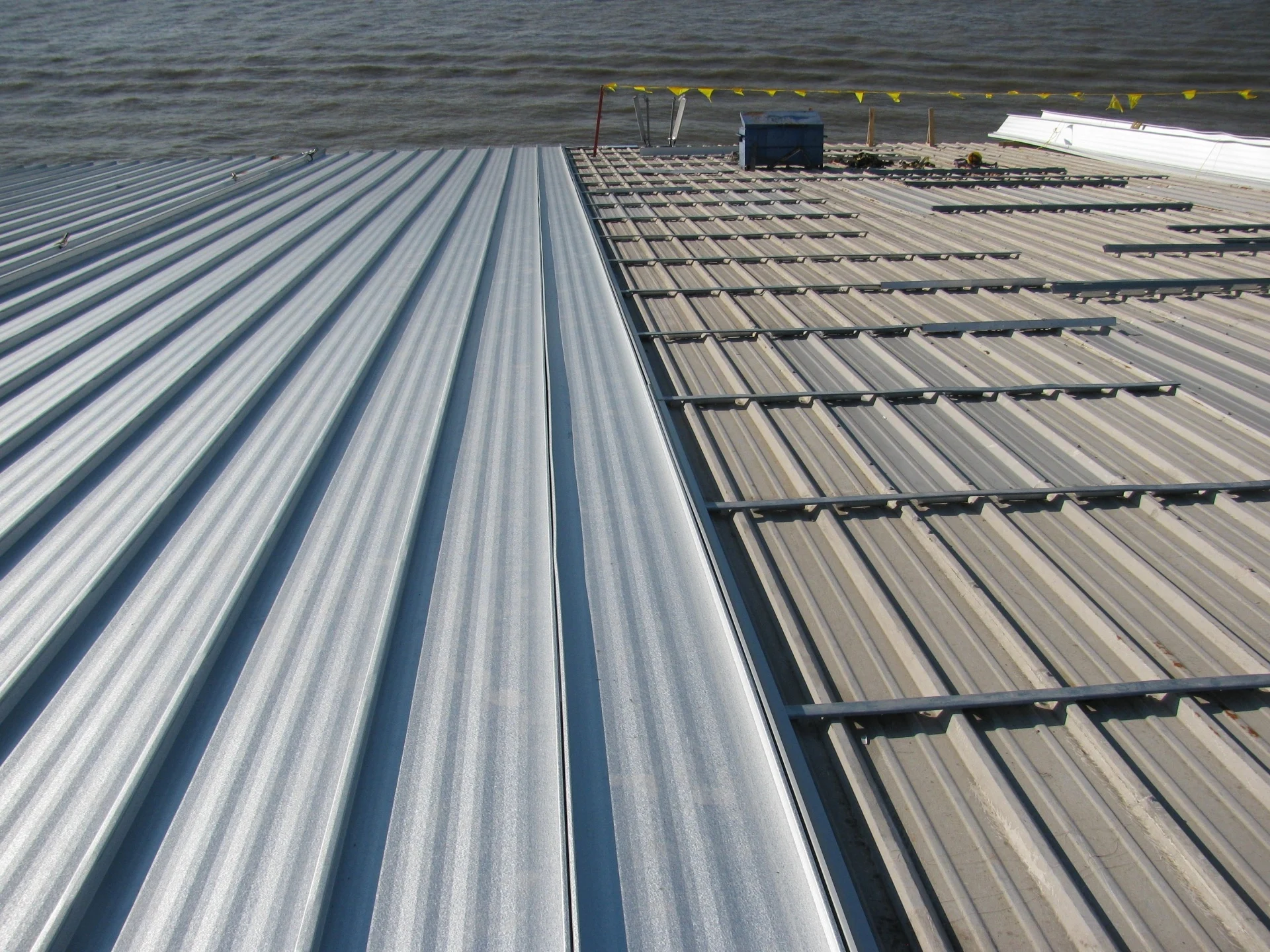
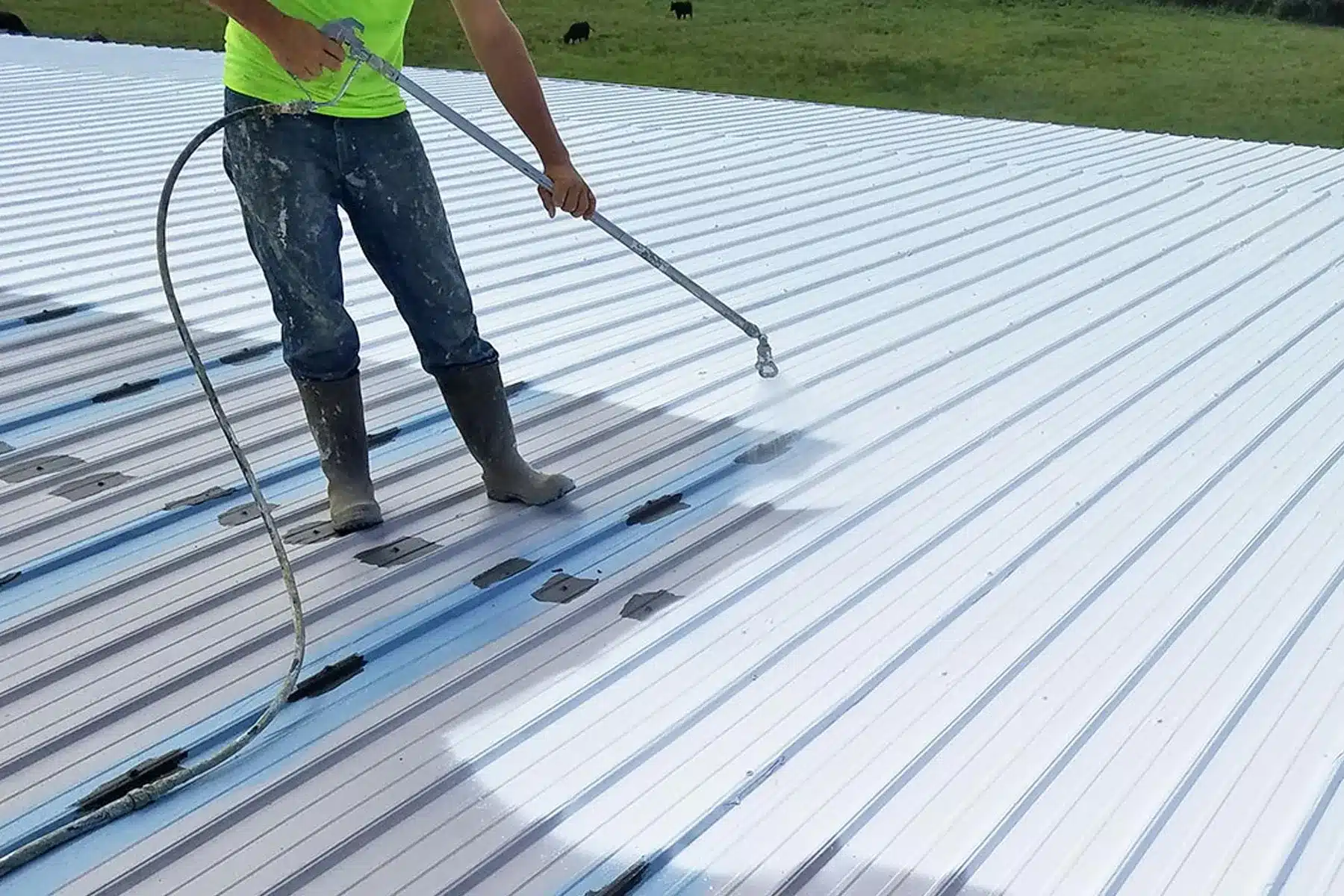
A maintenance program for a Miami commercial roof is not the same thing as a service call when something leaks. It is a documented inspection schedule, a condition record updated at every visit, a hurricane-season preparation protocol, and a manufacturer warranty compliance trail — all of which together determine whether the roof asset reaches its projected life or fails early.
I run structured maintenance programs for commercial roofing assets across Miami-Dade County — from Brickell Class A towers to Hialeah industrial buildings to Miami Beach hotel rooftops. The program structure is the same regardless of building type: semi-annual inspections (spring pre-hurricane and fall post-hurricane), documented condition reporting after every visit, a repair queue with prioritized action items, and an annual summary for the building owner's capital planning record.
Miami's maintenance environment is different from inland markets in ways that matter. The pre-hurricane-season inspection window — April and May, before the June 1 season start — is the single most important inspection of the year. A failed perimeter flashing identified in May can be repaired before storm season. The same failure identified during a storm watch cannot. I run April and May inspections on a fixed calendar schedule for every building in my maintenance portfolio and report findings within five business days.
The post-hurricane-season inspection in November documents any condition changes that resulted from tropical weather activity, whether or not the building experienced reportable damage. Minor membrane damage, deformed drain grates, and debris-impacted penetration flashings that go undocumented after a storm become pre-existing condition at the next storm — and that distinction is what separates a covered insurance claim from a denied one.
What the Inspection Protocol Covers
Every inspection I run on a Miami commercial building follows a written protocol that covers the items manufacturer warranty desks and Miami-Dade insurance adjusters look for. Perimeter edge metal and coping: attachment condition, open seams, corrosion at fastener locations, and cap condition at parapet corners. Membrane field: blisters, open laps, fish-mouths, mechanical damage from rooftop equipment or foot traffic, and surface weathering consistent with UV exposure or chemical attack. Penetration flashings: pipe boots, conduit penetrations, and equipment curb flashings checked for open laps and membrane separation.
Drain sumps and overflow drains: I check that each drain is functional, that the sump bowl is not filled with debris, and that the overflow drain (required by the Florida Building Code for all low-slope commercial roofs) is clear and functional. Miami's afternoon thunderstorm season produces short-duration high-intensity rainfall events — a blocked drain sump on a Miami flat roof can accumulate 4 to 6 inches of standing water in 45 minutes. Ponding water is the primary cause of premature membrane degradation in the South Florida heat environment.
Parapet wall condition: I check mortar condition on masonry parapets, coping attachment, and through-wall flashing condition at the parapet base. Miami's humidity and salt air environment accelerates mortar degradation and metal flashing corrosion faster than inland markets. Buildings within a half-mile of Biscayne Bay or the Atlantic coast require more frequent parapet inspection than inland buildings.
Hurricane-Season Protocol
The pre-hurricane-season inspection in April or May produces a condition report that identifies all open items by priority: immediate repair required before hurricane season, repair recommended within 90 days, and monitor at next scheduled inspection. I provide written repair cost estimates for all immediate and recommended items so the building owner can make a capital decision with complete information.
For buildings where immediate repairs are authorized, I schedule and complete the work before June 1. Perimeter flashing repairs, open lap repairs, and drain sump clearing are the most common pre-season items. On larger Brickell and Downtown Miami buildings, pre-season repair scopes sometimes require coordination with the building's property manager and building engineer — I handle that coordination as part of the maintenance program, not as a separate engagement.
When a named storm enters the Gulf or Atlantic and Miami-Dade issues a watch or warning, I mobilize pre-storm roof checks on maintenance-contract buildings. The pre-storm check confirms that drains are clear, that any recent repair work is properly secured, and that no open membrane conditions have developed since the last inspection. After a storm event, I provide priority post-storm inspection and emergency dry-in response for maintenance-contract buildings before I take on non-contract emergency calls.
Condition Reporting and Capital Planning Integration
Every inspection produces a written condition report delivered within five business days: date-stamped photographs keyed to the roof zone diagram, written description of findings by zone, repair recommendations prioritized by urgency, and a current condition rating on a five-point scale. The condition rating is tracked over time in the asset record — a building that was rated 4.0 at the post-installation inspection and is now rated 2.5 at year 12 is on a known trajectory toward replacement.
At the end of each calendar year, I produce an annual summary for the building owner that includes the full inspection history, the repair cost record, the current condition rating, and a projected capital horizon — the range of years within which major maintenance, recover, or replacement will be required based on current condition trajectory. Miami-Dade Class A office building owners, institutional property managers, and REIT asset managers use this data to populate multi-year capital plans.
For buildings with active manufacturer warranties, the condition reports and repair records serve as the maintenance documentation the warranty desk requires. I maintain the complete maintenance file for every building under program management and can produce the full file on request for warranty claim purposes, insurance documentation, or property sale due diligence.
Frequently asked questions
How often should a commercial roof in Miami be inspected?
Semi-annual is the minimum for Miami commercial buildings — spring pre-hurricane and fall post-hurricane. Buildings with active manufacturer NDL warranties that require annual maintenance documentation receive at least one inspection per year that is recorded against the warranty file, and typically a second pre-season inspection. Buildings that have experienced recent hurricane events, chronic drain problems, or are approaching the end of their warranty life are inspected quarterly until the condition stabilizes.
What does a maintenance program cost for a typical Miami commercial building?
Maintenance program fees are structured based on building size, inspection frequency, and the complexity of rooftop conditions — number of penetrations, equipment, and drain locations. For most Miami commercial buildings in the 20,000 to 80,000 sq ft range, semi-annual program fees run in the range of $2,000 to $5,000 per year for inspection and condition reporting, separate from repair costs. Buildings with more complex rooftop conditions or more frequent inspection requirements are quoted individually after the initial inspection.
Do you provide emergency response for non-contract buildings?
Yes, as capacity allows after a weather event. During and immediately after named storm events, I prioritize maintenance-contract buildings for post-storm inspection and emergency dry-in response. Non-contract buildings are served as capacity opens. For non-contract buildings that need consistent priority response, the most effective path is to establish a maintenance contract before storm season.
Can a maintenance program extend the life of an aging Miami commercial roof?
For roofs that are structurally sound and have dry insulation, a structured maintenance program that catches and repairs perimeter flashing failures, open lap seams, and drain problems before they become water intrusion events regularly extends service life 3 to 7 years beyond what deferred-maintenance roofs achieve. In Miami's UV and salt-air environment, surface degradation is inevitable — but most premature roof failures are water intrusion failures that begin at specific detail points and spread from there. A maintenance program that catches those detail failures early is a measurable capital-saving investment.
Set up a maintenance program before hurricane season opens.
Our project managers will conduct an initial condition inspection, establish the zone diagram and baseline condition record, and put your building on a pre-hurricane-season inspection calendar — so you have documented condition data before the first storm of the season.