Replacement Vs Recover Analysis
Miami, FL · Capabilities
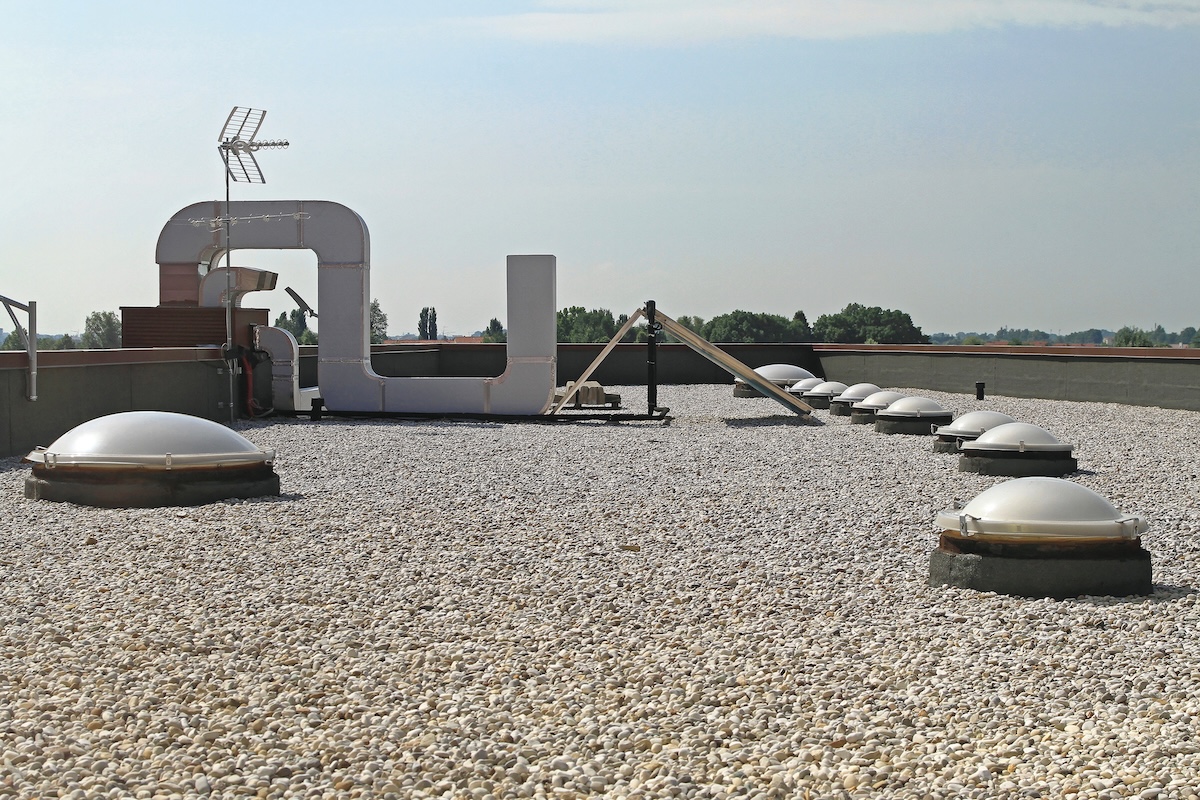
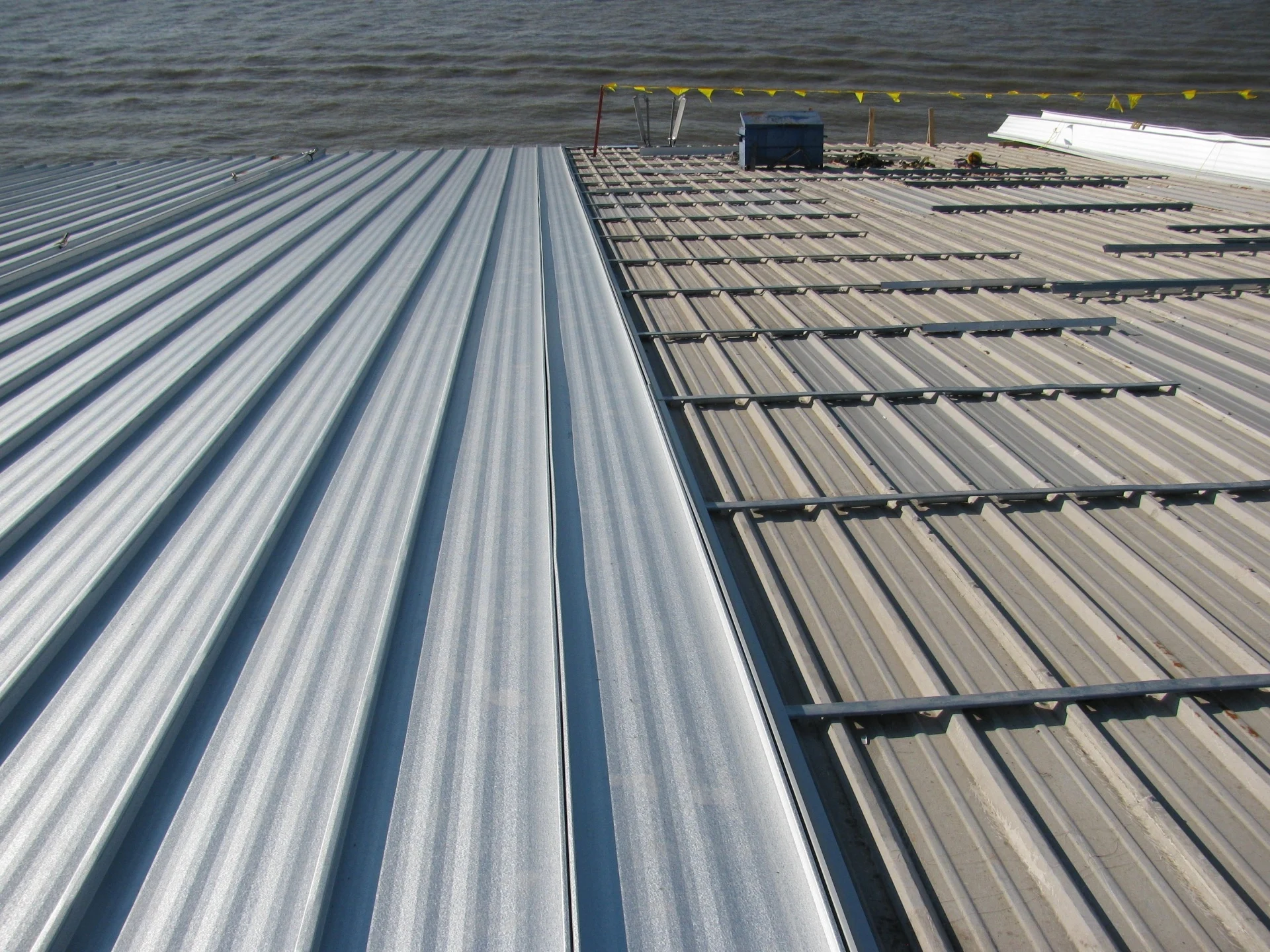
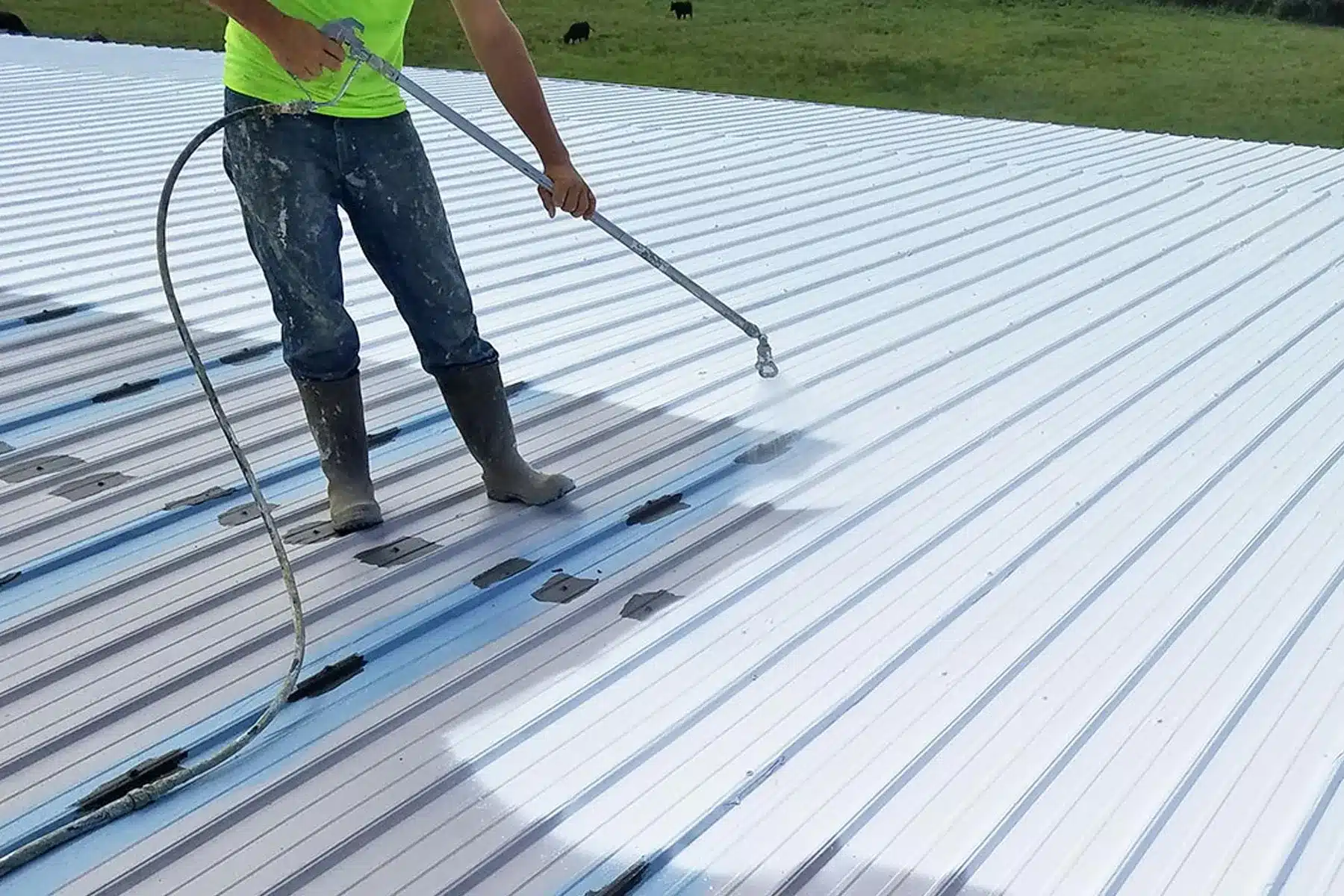
The replace-or-recover decision on an aging Miami commercial roof is one of the most consequential capital calls a building owner makes — and it is routinely made without enough information. The contractor who is bidding the project has an incentive to recommend replacement, which is a larger scope. The recover analysis I conduct works from the evidence: moisture cores, deck inspection, current membrane condition, and the available NOA-approved recover options for the specific existing assembly.
I conduct replacement-versus-recover analyses for aging commercial roofing systems across Miami-Dade County. The analysis is based on physical evidence from the roof — moisture core testing in representative locations, visual and physical deck condition assessment, membrane condition evaluation, and perimeter and flashing condition review — combined with an assessment of the available Miami-Dade NOA-approved recover options and a capital cost comparison of the viable alternatives.
Miami's HVHZ environment adds a dimension to the replace-or-recover decision that inland markets do not face: every recover system must carry a current Miami-Dade NOA for the complete assembly as installed over the specific existing substrate. Not all recover systems are NOA-approved for use over all existing substrates. A fluid-applied silicone coating system that is NOA-approved over existing TPO may not be NOA-approved over existing modified bitumen. Getting the NOA compatibility right is the first filter on available recover options.
A properly conducted replacement-versus-recover analysis in Miami takes 5 to 10 business days from site visit to written report. The report includes the moisture core data, the deck condition assessment, the available NOA-approved recover options with their warranty paths, and the capital cost comparison between the recover alternatives and full replacement. The building owner receives a documented basis for the capital decision — not a contractor's recommendation that happens to align with the contractor's preferred scope.
Moisture Core Testing
Moisture core testing is the physical basis of the replace-or-recover decision for any Miami commercial roof where the insulation may be wet. I pull cores in 5 to 10 representative locations per 20,000 square feet of roof area — more in areas with known leak history, visible blistering, or deflection that suggests moisture accumulation. Each core is pulled through the membrane and insulation to the deck surface. The insulation sample is examined and weighed for moisture content.
Miami's humidity environment means that some surface moisture is normal on any roof that has been rained on recently. I test cores for trapped moisture — moisture that is present in the insulation body rather than on the surface — by sectioning the core and examining the insulation structure. Saturated insulation that has been wet for an extended period shows compression, discoloration, and often biological growth that is distinct from surface moisture.
The moisture core results are mapped to the roof zone diagram: dry zones, suspect zones, and wet zones. If more than 25 percent of the tested area is wet, full replacement is the defensible recommendation — recovering wet insulation traps moisture under the new system, creates a mold environment in Miami's humidity, and voids the new manufacturer warranty on day one. If less than 25 percent is wet, targeted insulation replacement at wet areas combined with a recover over the dry areas is frequently the most capital-efficient option.
Deck Condition Assessment
Deck condition determines whether the building can support a recover system or whether the deck itself must be addressed before any new roofing can be installed. For metal deck buildings in Miami's coastal humidity environment, I check for corrosion at wet core locations and at locations with visible deck deflection. Pre-1992 buildings in Miami-Dade — and particularly Hialeah industrial buildings that have had chronic water intrusion — sometimes have deck corrosion that is not visible from the underside of the roof because the corrosion is at the deck surface under the insulation.
I cut deck inspection ports at wet core locations and at deflection points. The deck inspection port exposes 6 to 12 inches of deck surface for visual inspection and a corrosion check. If deck corrosion is present, I assess its extent and severity against the structural engineer's design to determine whether the corrosion is at a level that requires deck replacement before recover or replacement can proceed. A deck that requires replacement drives the project into full replacement territory regardless of the moisture core results.
For older concrete deck buildings in the Downtown Miami and Coral Gables office corridors — where the original roof assemblies were installed over concrete structural slabs — the deck condition assessment focuses on surface preparation requirements for the new recover or replacement system. Concrete decks with existing fill or leveling materials may require removal and re-sloping to the drain locations before a new low-slope system will perform correctly.
NOA-Approved Recover Options
Once the moisture core and deck condition data establish whether a recover is physically viable, I assess the available Miami-Dade NOA-approved recover options for the specific existing substrate. The analysis covers: single-ply recover systems (TPO or PVC over existing single-ply or modified bitumen, where an NOA-approved assembly exists), fluid-applied coatings (silicone or acrylic over existing single-ply where an NOA-compliant coating system is approved), and modified bitumen recover (where the existing substrate and condition support it).
The NOA compatibility check is specific to the existing substrate manufacturer and type. A Carlisle TPO recover over existing Carlisle TPO carries an active NOA. A Carlisle TPO recover over existing Firestone TPO may require a different approach or a different product to achieve NOA approval. I verify current NOA approval status for every recover option against the Miami-Dade product approval database before including it as a viable alternative in the analysis.
For buildings in the Brickell and Downtown Miami Class A office market, the recover analysis also considers the manufacturer warranty path for each option. A recover system that carries only a 10-year manufacturer warranty may not be the right recommendation for a building owner who wants 20 years of NDL coverage. In some cases, full replacement is the only path to a 20-year NDL warranty when the existing substrate limits the available NOA-compliant recover options.
Capital Cost Comparison
The capital cost comparison in the replacement-versus-recover analysis presents the realistic cost of each viable option on a per-square-foot basis and a total project basis for the specific building. Recover costs in the Miami market typically run 45 to 65 percent of the full replacement cost for the same area — the labor and materials for the new system are required, but the tear-off, disposal, and insulation replacement costs are avoided or reduced.
I adjust the recover cost for the targeted insulation replacement required at wet core locations — this cost is specific to the moisture core findings and varies building to building. For a building with 15 percent wet insulation, targeted insulation replacement at wet areas adds 8 to 12 percent to the recover scope cost. The adjusted recover cost is compared to the full replacement cost on the same area, and I note the projected service life extension each option provides.
The comparison also notes the warranty path and the annual maintenance cost differential. A recover system with a 12-year warranty path versus a replacement system with a 20-year NDL warranty produces different total ownership costs over a 20-year horizon. I present a simple 20-year total cost (capital plus projected maintenance plus replacement at end of service life) for each alternative, discounted to present value, so the building owner has a basis for comparison that goes beyond the first-year capital cost.
Frequently asked questions
How many moisture cores are needed for a valid replacement-versus-recover analysis?
I pull a minimum of five cores per 20,000 square feet of roof area, with additional cores in areas with visible blistering, known leak history, or visible deflection. For a 60,000 sq ft Miami commercial roof, that means a minimum of 15 cores distributed across the roof in a pattern that reflects the areas most likely to have moisture accumulation — typically at drain locations, at low-slope valleys between positive-draining sections, and at known leak penetration points.
Can I recover a Miami commercial roof that was installed before the FBC HVHZ requirements were updated?
A recover system requires that the new assembly as installed — including the recover membrane, its attachment method, and any new insulation — carry a current Miami-Dade NOA for the complete assembly. The existing substrate does not need to have been originally installed to current HVHZ standards, but the recover system installed over it must In some cases, this means adding supplemental fastening at the insulation layer to achieve the current HVHZ fastener pattern, which adds to the recover cost.
What happens if deck corrosion is found during the analysis?
Deck corrosion findings are documented with photographs and a written severity assessment. For minor surface corrosion at isolated locations, treatment and patching at the affected areas may be sufficient before recover proceeds. For corrosion that has compromised the structural integrity of the deck panels, the building's structural engineer needs to evaluate the deck condition and determine whether panel replacement is required. Significant deck corrosion found during a recover scope frequently converts the project to full replacement, because the deck repair cost eliminates the cost advantage of the recover option.
How long does the physical assessment and report take?
Site visit and core pulling for a building in the 40,000 to 100,000 sq ft range typically takes one full day. The core analysis, deck inspection review, NOA compatibility check, and report preparation take 5 to 7 business days after the site visit. The final report includes the moisture core map, deck inspection findings, the available NOA-approved recover options with warranty paths, and the capital cost comparison — all in a format the building owner can use to make a capital decision or take to a lender or asset manager.
Get the physical evidence before you make a replacement or recover decision.
Our project managers will pull moisture cores, inspect the deck, verify available NOA-approved recover options, and deliver a written analysis with a capital cost comparison — so the decision is based on what is actually on your roof.