Competitive Bid Coordination
Miami, FL · Capabilities
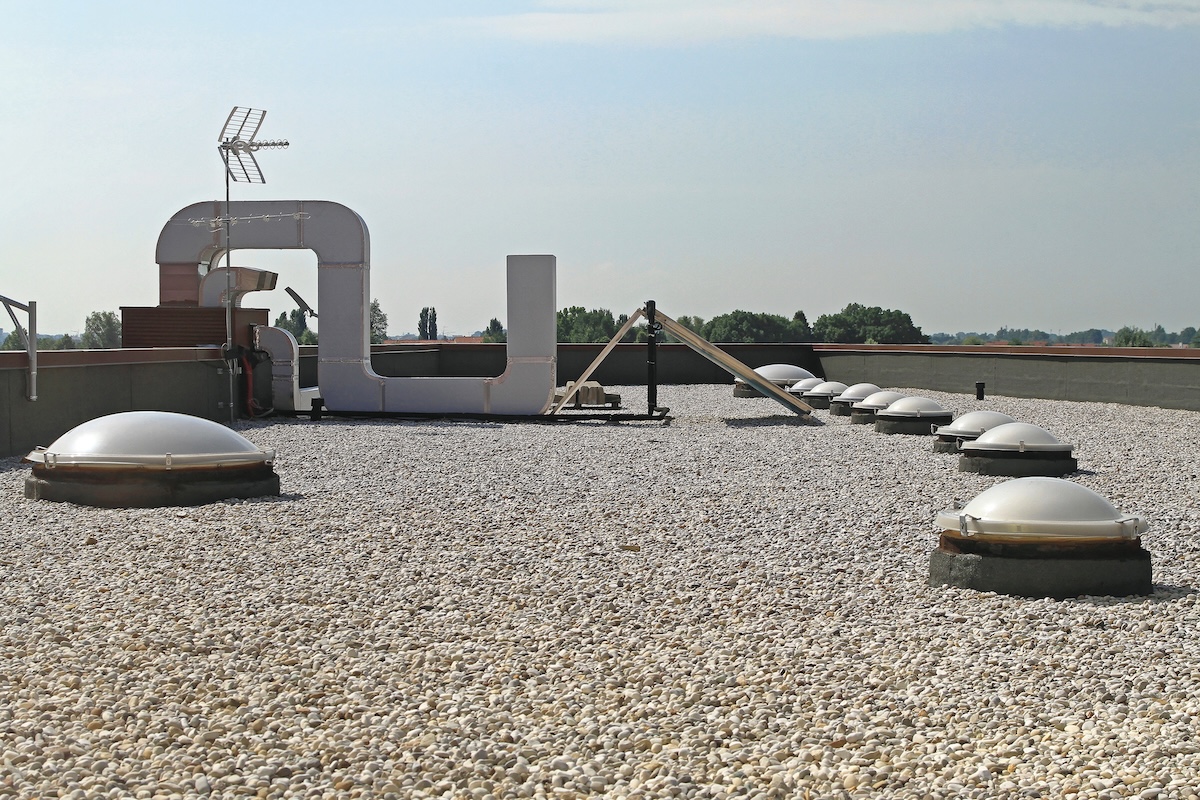

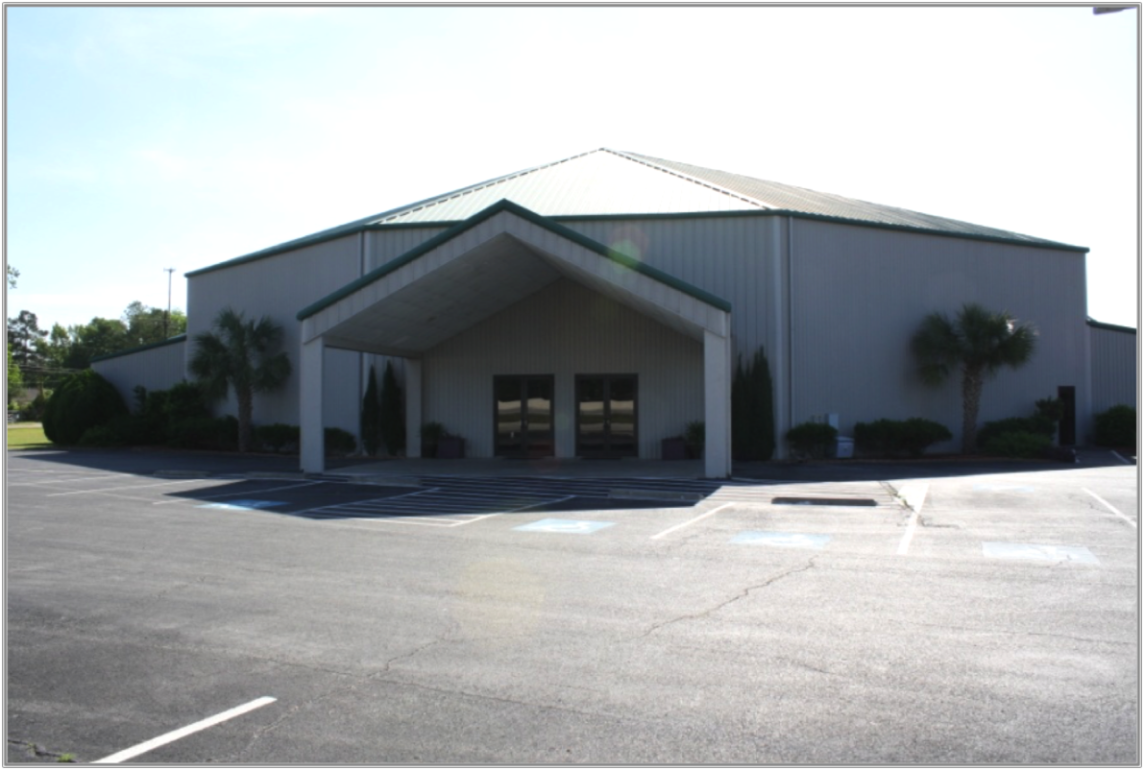
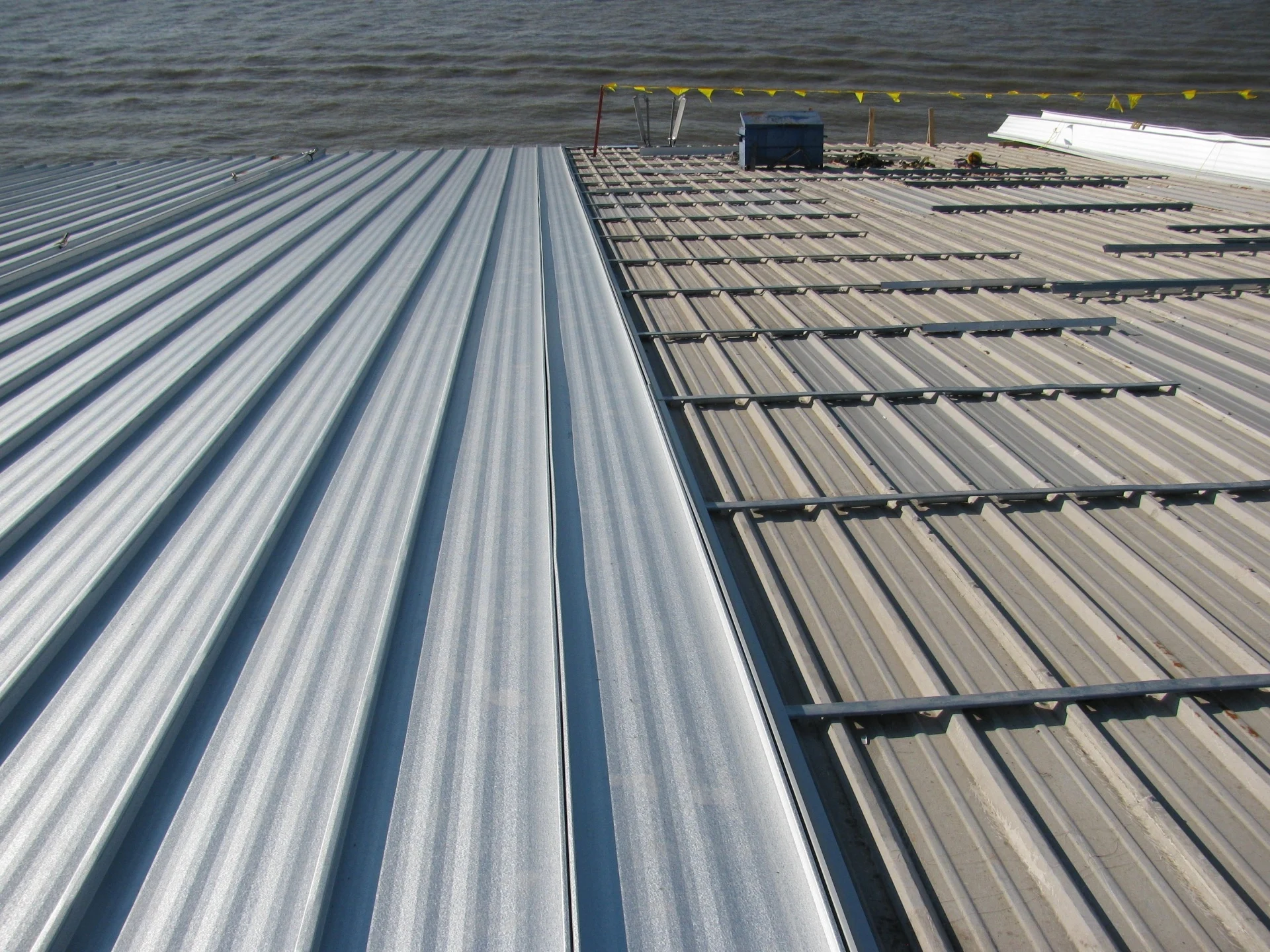
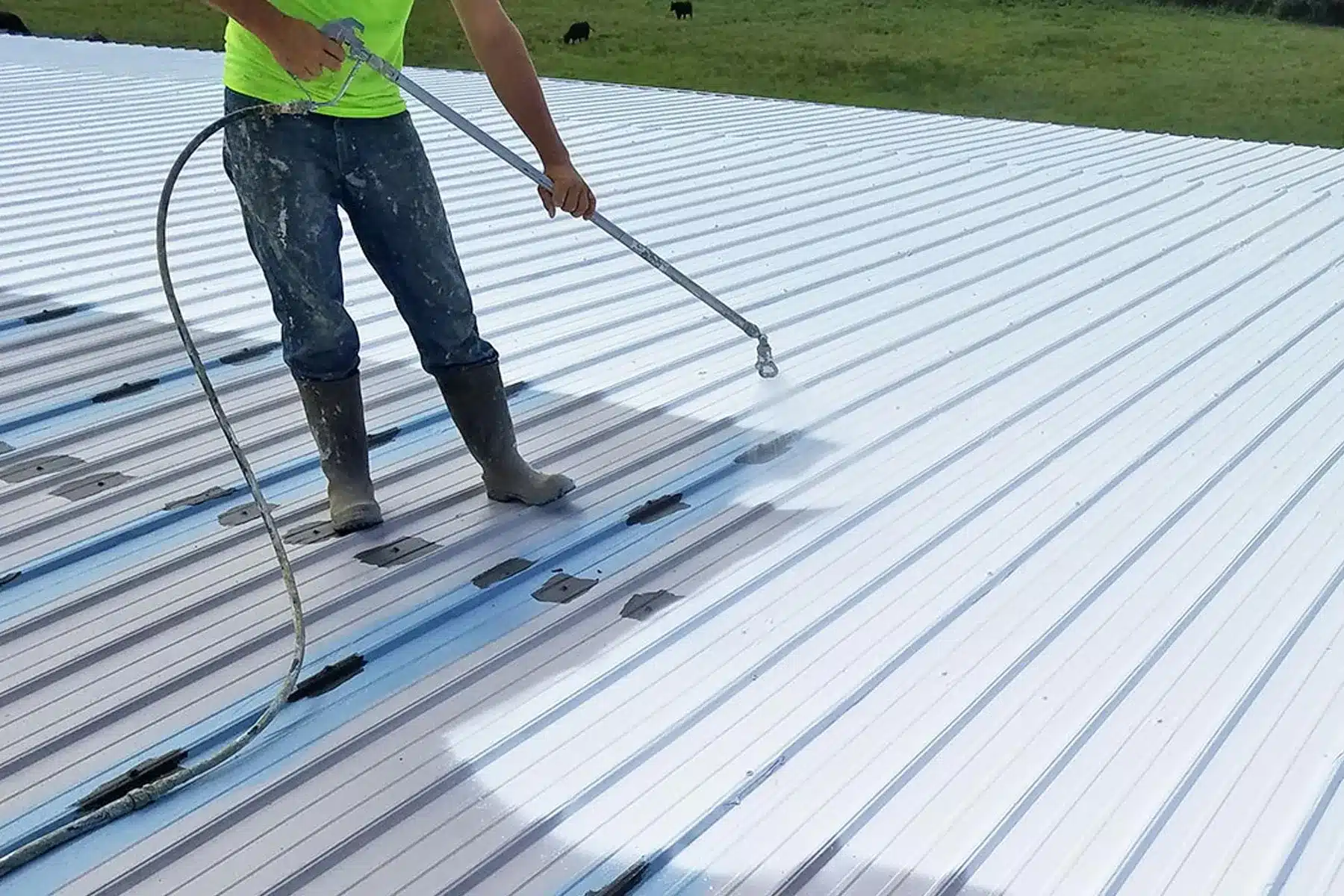
When a Miami building owner puts a commercial roof out to bid without a standardized scope, the bids that come back are not comparable. One contractor prices 60-mil TPO with a 20-year NDL warranty path. Another prices 45-mil TPO with no warranty path. The lowest bid wins — and the owner does not find out what they missed until the system fails during the first hurricane season.
I coordinate competitive bid packages for commercial roofing projects across Miami-Dade County on behalf of building owners who want the discipline of competitive pricing without the risk of uncomparable bids. The scope document is the foundation: every contractor bidding prices the same membrane, the same insulation R-value stack, the same fastener density in the ASCE 7-derived perimeter and corner zones, the same manufacturer warranty path, the same post-installation documentation requirements. When the bids come back, they are comparing like to like.
Miami adds a layer of complexity that bid packages for inland markets do not require. Every assembly in the bid must carry an active Miami-Dade Notice of Acceptance — membrane, insulation attachment method, fastener system, and adhesive system together as an approved assembly. A bid package that specifies '60-mil TPO, mechanically attached' without specifying the NOA approval number and the assembly components that hold it is not a compliant bid package in the High-Velocity Hurricane Zone. I write bid packages with the NOA approval documentation requirements built in from the start.
The bid coordination process I run has three phases: scope standardization, contractor qualification, and bid leveling. Each phase produces documentation the building owner can use — the scope document for capital planning, the qualification checklist for contractor file records, and the leveled bid analysis for procurement decisions. The full process typically takes three to four weeks from site walk to leveled bid summary, which fits within the planning window for most Miami commercial reroof projects.
Scope Standardization for Miami-Dade Compliance
The scope document specifies the roof assembly in enough detail that every bidding contractor can price the same system. For a Miami commercial building, that means the membrane manufacturer and product (not just 'TPO'), the membrane thickness (60-mil or 80-mil), the attachment method (mechanically attached or fully adhered), the insulation type and R-value stack (polyiso primary with cover board, typically to Florida Energy Code R-25 minimum for low-slope commercial, often R-30 or higher depending on building use and utility cost analysis), the fastener pattern design basis (ASCE 7 design pressure for the building's specific exposure category and zone dimensions), and the manufacturer warranty path (20-year NDL for most TPO and EPDM systems, 25-year for qualifying PVC).
I also specify the NOA documentation requirements: the bid must include the NOA approval number for the complete assembly as specified, not just the individual membrane or insulation component. A contractor who cannot cite a current Miami-Dade NOA for the complete assembly as bid is not a qualified bidder for HVHZ work. This requirement alone eliminates most under-priced bids that create problems downstream.
The scope document also specifies the closeout deliverables — manufacturer warranty inspection, Miami-Dade final inspection and certificate of completion, photo-keyed zone diagram, and post-installation maintenance contract terms. Building owners who have not been through a Miami commercial reroof closeout often do not realize that the manufacturer warranty requires a field inspection and documentation package that the contractor, not the owner, is responsible for coordinating. Making it explicit in the bid scope prevents disputes at closeout.
Contractor Qualification
Not every licensed Florida roofing contractor has HVHZ experience, and not every contractor who claims HVHZ experience has actually installed to NOA-compliant assembly standards with documentation that passed Miami-Dade final inspection. The qualification process I run verifies: Florida contractor license currency and license type (CBC or CCC for commercial work), general liability and workers' compensation coverage at limits appropriate for the project size, manufacturer certification status for the specified warranty path, and documented NOA-compliant project history in Miami-Dade County.
For projects above $500,000, I request project references from Miami-Dade County building owners — not owner feedback, but contact information for the facility manager or property manager who oversaw the project. I verify that the project was permitted, completed final inspection, and received the manufacturer warranty documentation. A contractor who cannot provide three verifiable Miami-Dade references for projects of comparable scope is not a qualified bidder regardless of price.
The qualification checklist is provided to the building owner at bid leveling. It documents which contractors passed qualification and which did not, and why. If an owner chooses a contractor who did not pass qualification, that is the owner's decision — but the qualification record is in writing.
Bid Leveling and Award Recommendation
When bids come in, they are never identical even against a standardized scope. Some contractors substitute a different membrane thickness and note it in the bid. Some price the warranty inspection as a separate line item. Some exclude perimeter edge metal that is clearly in scope. Bid leveling normalizes these variations — every substitution is priced at the cost delta, every exclusion is added back at market rate, every ambiguity is flagged for clarification.
The leveled bid summary presents all qualified bids on an apples-to-apples basis: total as-specified price, any substitutions with their cost adjustment, warranty path confirmation, and schedule timeline. I do not recommend the lowest bid as the default — I recommend the bid that represents the best combination of price, manufacturer warranty path, documented HVHZ experience, and schedule reliability. In Miami, a contractor who cannot provide documentation of current NOA-compliant installations is not the right selection regardless of price.
The Brickell and Downtown Miami Class A office market expects a higher standard of pre-construction documentation than most Miami suburban markets. Building owners in these corridors — institutional property managers, REIT-owned assets, and national ownership groups — require bid packages that include certified contractor insurance certificates, executed subcontractor agreements, and pre-construction meeting confirmation before they will issue a notice to proceed. I build these requirements into the bid package so that the selected contractor arrives ready to execute rather than spending the first two weeks of the project producing documentation that should have been pre-submitted.
Frequently asked questions
How long does the competitive bid coordination process take for a Miami commercial reroof?
From initial site walk and scope development through bid receipt and leveled summary: approximately three to four weeks for a standard Miami commercial reroof in the 20,000 to 100,000 sq ft range. The Miami-Dade permitting timeline (3 to 6 weeks from complete submission) runs in parallel, so the bid coordination process does not extend the overall project timeline if it is started when the scope decision is made.
Do you work on projects in incorporated municipalities like Coral Gables or Miami Beach?
Yes. The bid coordination scope documents are written to the applicable municipal permitting requirements in addition to Miami-Dade NOA and FBC HVHZ standards. Coral Gables, Miami Beach, Hialeah, and Doral each have specific permit documentation requirements that differ from Miami-Dade County's unincorporated area process. The bid package specifies which municipality is the permit authority and what documentation that municipality requires at submission.
Can you coordinate a bid for a project that is already partially scoped by another party?
Yes. If an owner has an existing scope document from an architect, a facilities consultant, or a prior contractor proposal, I review it for Miami-Dade NOA compliance, FBC HVHZ completeness, and warranty path viability before standardizing it for competitive bid. Scope documents prepared by parties outside the Miami HVHZ market frequently omit the NOA assembly specification and the three-zone fastener pattern design basis — both of which are mandatory for a compliant bid in Miami-Dade County.
What does bid coordination cost?
Bid coordination is structured as a flat fee based on project size and scope complexity — not a percentage of contract value, which creates a conflict of interest against selecting lower bids. Fees are quoted after the initial site walk and scope review. For most Miami commercial reroofs in the 20,000 to 150,000 sq ft range, the bid coordination fee is recovered in the first round of competitive bidding through the price discipline that a standardized scope creates.
Start with a documented scope before you put your roof out to bid.
Our project managers will walk the building, develop a Miami-Dade NOA-compliant scope document, qualify bidding contractors, and deliver a leveled bid analysis — so the pricing you receive is actually comparable.