Infrared Roof Scanning
Miami, FL · Capabilities
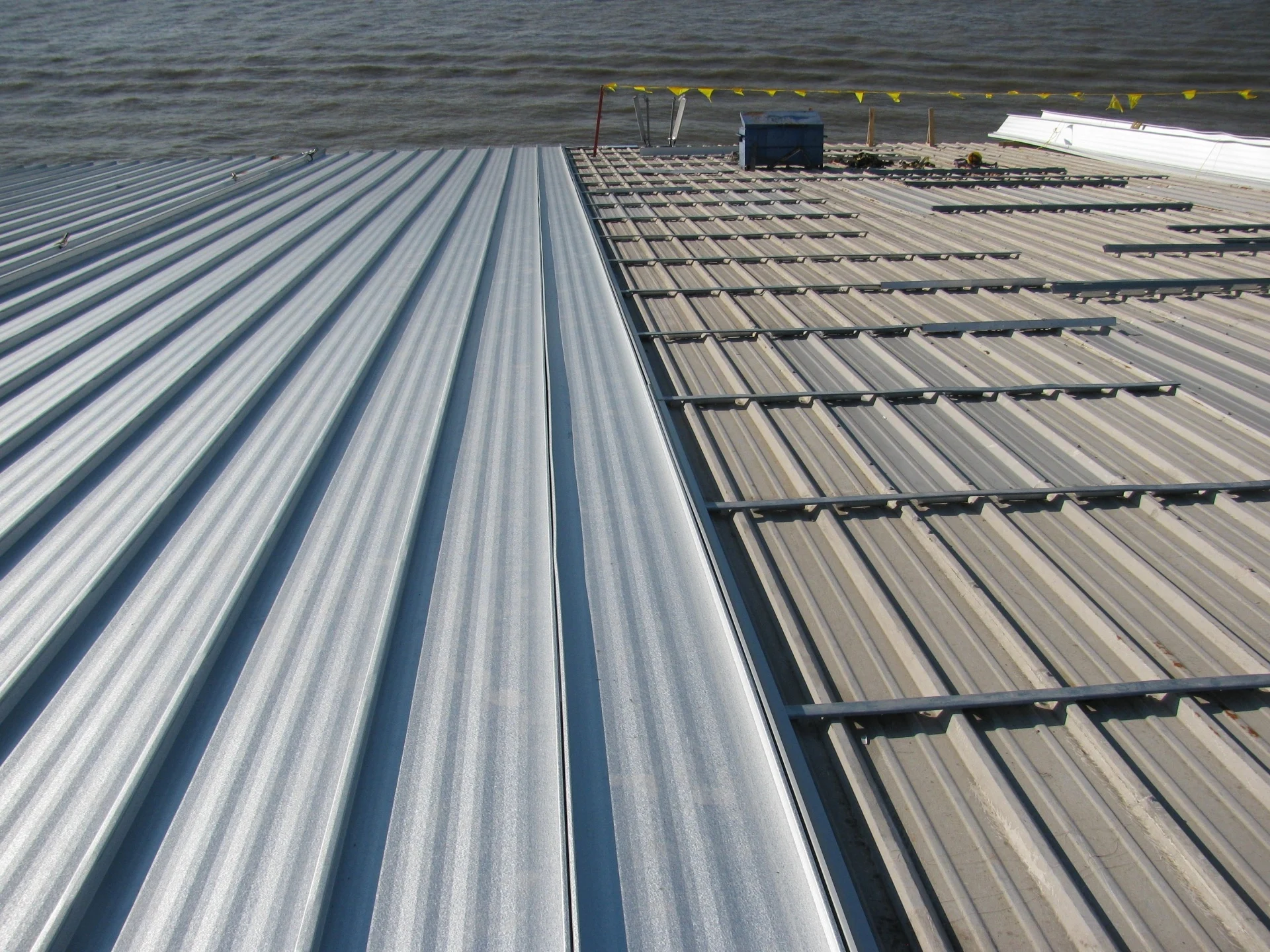
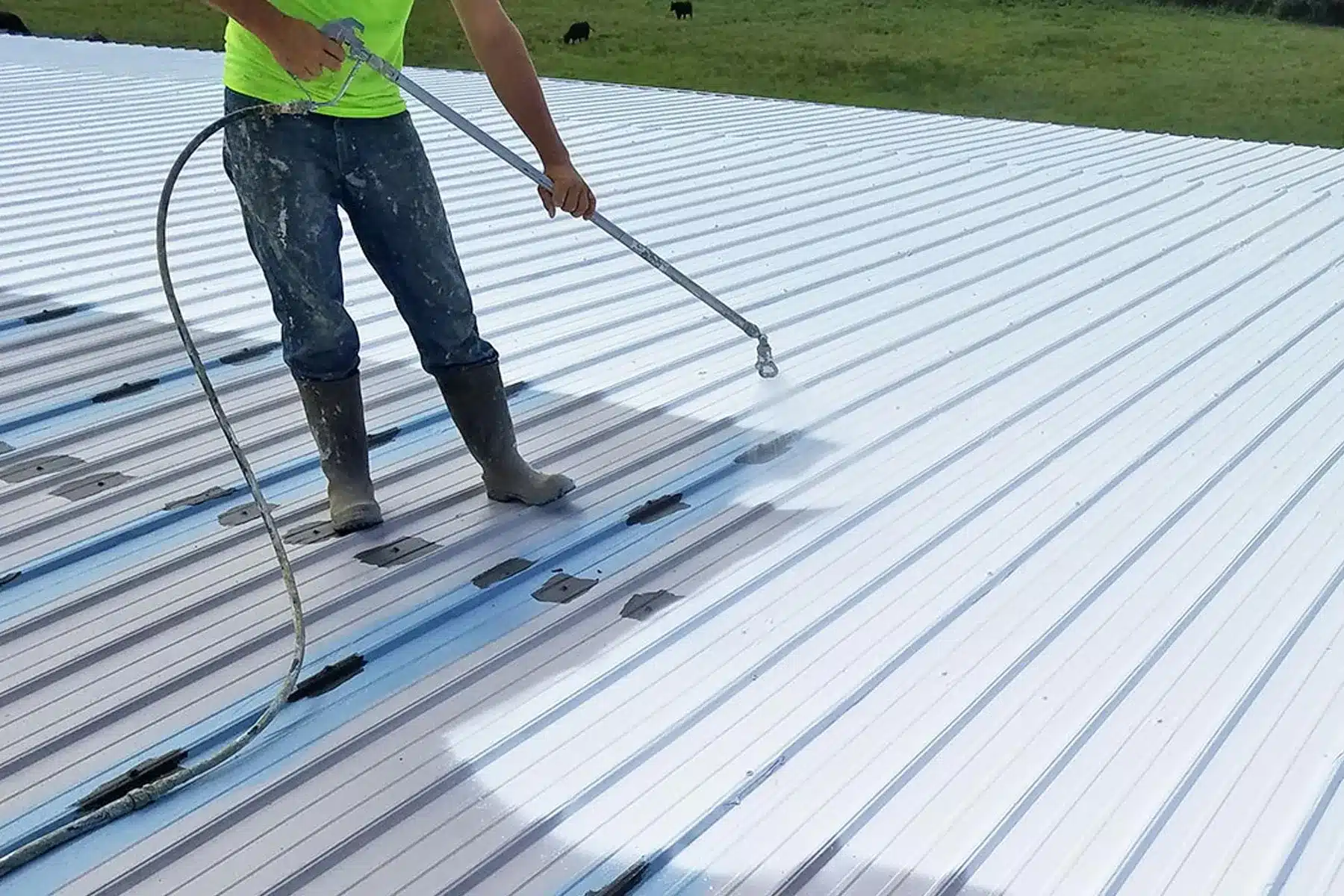
Thermal imaging detects moisture that visual inspection cannot find. In Miami-Dade, where a single afternoon thunderstorm can saturate roof insulation through a pinhole breach that is invisible from the surface, infrared scanning is how we find the real problem before it becomes an emergency replacement.
Infrared scanning on commercial roofs uses thermal imaging to detect the temperature differential between dry and moisture-saturated insulation after a day of solar loading. In Miami, that differential is reliable and detectable because South Florida's solar intensity during daylight hours produces strong thermal loading in roof assemblies, and the temperature drop after sunset is sufficient — typically 15 to 25 degrees Fahrenheit — to create a measurable thermal contrast between wet and dry zones in the first hours of darkness. Wet insulation retains heat longer than dry insulation, appearing warmer on the thermal camera image, and that warmth maps the moisture migration pattern across the roof.
Miami's commercial roof inventory includes a significant proportion of roofs where moisture has been migrating through chronic small breaches for years — pinhole membrane punctures at gravel stop edges, hairline seam weld failures, flashing laps that lost adhesion gradually and were never identified in routine visual inspection. These roofs may show only minor visible surface deterioration while carrying significant insulation saturation. Visual inspection finds the surface evidence; infrared scanning finds the insulation damage that the surface evidence does not reveal.
We use thermal imaging as the screening layer for moisture assessment, validated by electrical capacitance testing at anomaly locations and confirmed by core sampling before the saturation map is finalized. The three-step protocol distinguishes between genuine moisture anomalies and thermal false positives — surface conditions including HVAC exhaust patterns, metallic perimeter edge flashing, and reflective coating materials can produce thermal signatures that resemble moisture, and a scan without validation produces false positive rates that make the data unreliable for capital decisions.
How Infrared Scanning Works in South Florida's Climate
The thermal mechanism that makes infrared scanning work requires three conditions: strong solar loading during the preceding day, a clear sky during the scan (cloud cover interrupts the thermal re-radiation pattern), and no precipitation in the prior 24 to 48 hours (recent rain saturates the surface uniformly, masking the thermal differential between pre-existing wet zones and dry zones). Miami-Dade's clear winter and spring days — November through April — produce optimal conditions for infrared surveys with relatively low risk of afternoon rain events.
During the summer rainy season (June through September), the afternoon thunderstorm pattern that delivers 4 to 6 inches of rainfall in two hours makes infrared scheduling uncertain. We watch weather windows carefully during rainy season surveys — a dry spell of 48 hours or more after a preceding clear day allows a reliable scan. We do not conduct infrared scans in the immediate aftermath of rain events and will reschedule if rain occurs within the required dry window before a scheduled scan.
Miami's coastal salt air and the prevalence of white TPO and reflective-coated membranes in new construction affect the thermal image in ways that need to be understood. Reflective surfaces emit less thermal radiation per unit of temperature differential than dark surfaces — the thermal camera sees a muted signal on reflective roofs. We adjust camera settings and validate thermal anomalies on reflective roofs with capacitance testing rather than treating the infrared image as definitive on its own.
What the Scan Detects and What It Does Not
Infrared scanning reliably detects moisture saturation in insulation boards below the membrane when that saturation is sufficient to create a measurable thermal mass difference from adjacent dry insulation. It is most reliable for detecting insulation board saturation — particularly polyiso and EPS insulation, which are the most common insulation types in Miami-Dade commercial roofs installed after the mid-1990s.
What infrared scanning does not detect reliably: moisture that has already equilibrated to the same temperature as surrounding dry insulation (deeply buried, long-standing saturation that has lost the thermal differential); very early-stage moisture migration that has not yet saturated a significant volume of insulation; and moisture conditions in roofing assemblies with high thermal mass (concrete deck buildings with built-up roofing systems, for example, which are common in Miami's pre-1970 commercial stock). For these conditions, we supplement infrared with capacitance testing and targeted core sampling.
Infrared scanning also does not identify the source of moisture entry — it maps where insulation is wet, not where the membrane breach is that allowed water to enter. The moisture migration pattern identified by the scan often points toward the entry point (water migrates from the entry point outward and downslope), but confirming the entry location requires surface inspection and, in some cases, water testing above the mapped wet zones.
Infrared Scanning After Hurricane Events
Post-hurricane infrared scanning serves a different purpose than pre-capital-decision moisture mapping. After a tropical storm or hurricane crosses Miami-Dade, roofs that appeared sound before the event may have sustained membrane lifting, seam damage, or flashing displacement that allowed storm-water intrusion into the insulation. That intrusion may not produce immediate interior leaks if the insulation absorbs the moisture without it reaching the deck in the first days after the event.
An infrared scan conducted three to five days after a hurricane event — after the roof surface has dried from the storm rainfall — can map new moisture intrusion from storm damage against the pre-storm condition (if a pre-storm scan exists). That comparison is the most defensible documentation for distinguishing storm-caused insulation damage from pre-existing condition in an insurance claim. For buildings on our management program that have had pre-storm infrared surveys completed, we can produce this comparison directly. For buildings without a pre-storm survey, we document the post-storm condition and note the limitations of the comparison.
Frequently asked questions
Does infrared scanning work on all commercial roof types in Miami?
It works best on low-slope commercial roofs with polyiso, EPS, or mineral wool insulation boards — which covers the majority of Miami-Dade's post-1990 commercial roof inventory. It is less reliable on roofs with concrete decks and built-up systems with high thermal mass, on roofs with highly reflective membrane coatings without capacitance validation, and on roofs where the insulation has been wet for many years and has lost the thermal differential. We assess the roof type before scheduling a scan and advise on whether infrared is the right primary detection method or whether capacitance testing should lead.
How soon after a Miami hurricane can we conduct an infrared scan?
We need 48 to 72 hours of dry weather after the storm and at least one full clear day for solar loading before the scan. Assuming a storm passes quickly and leaves clear weather behind, a post-storm scan can often be conducted within four to seven days of the event. The sooner the scan is completed after the event, the more useful it is for insurance documentation — the window before competing contractors start applying temporary repairs that change the surface condition is important.
What is the cost of a commercial infrared scan in Miami?
Pricing depends on roof area, number of roof sections, accessibility conditions, and whether the scan includes capacitance validation and core sampling or is a scan-only service. We price each project after reviewing the building layout. As a general reference, a standalone infrared scan on a 50,000 sq ft single-story commercial building in Miami-Dade typically takes two to three hours of field time in the evening plus data processing.
Can I use the infrared scan report to support a capital budget request?
Yes. The saturation map produced from the infrared scan — showing wet zones by location and estimated area as a percentage of total roof — is useful documentation for a capital budget request because it provides a data basis for the replace-versus-recover recommendation. A capital request supported by an infrared saturation map is materially stronger than one based on visual condition alone, because it addresses the insulation saturation variable that most visually-based capital estimates leave open.
Schedule an infrared roof scan for your Miami commercial building.
Our project managers conduct the evening scan after confirmed clear-day solar loading, validate anomalies with capacitance testing, and produce a saturation map with a written capital recommendation.